Kia K8 Seat Climate Upgrade Review: Cost & Results
Service Price
Est. $400–800
Estimated price · Actual price may vary by shop
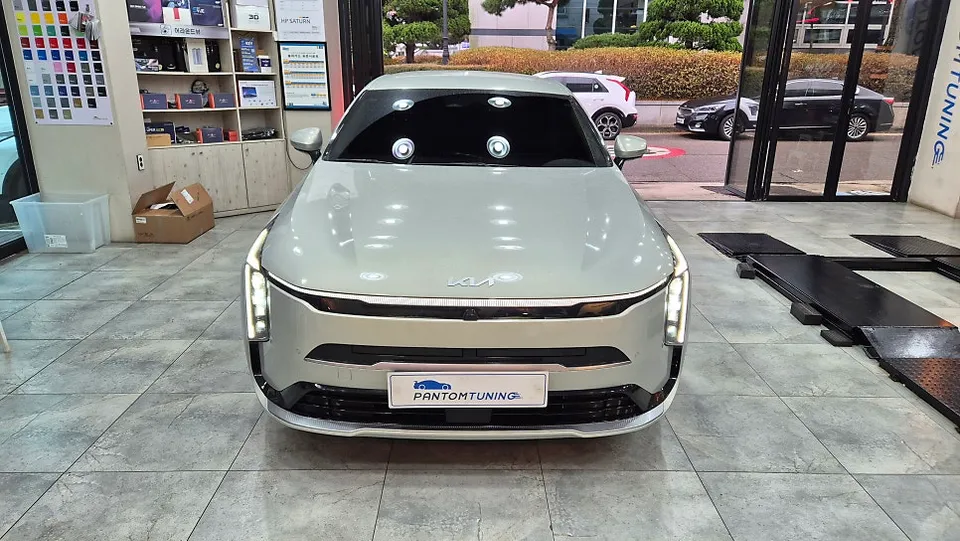
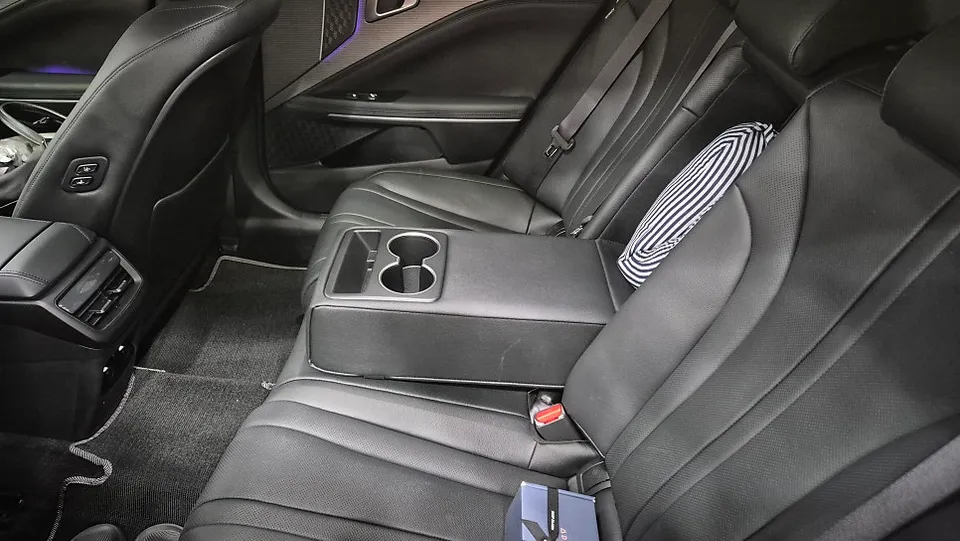
Kia K8 rear armrest upgrade: Approx. $400-$800. Adds audio controls, USB ports, and storage for enhanced rear comfort.
Enhancing the Kia K8's Rear Seat Experience
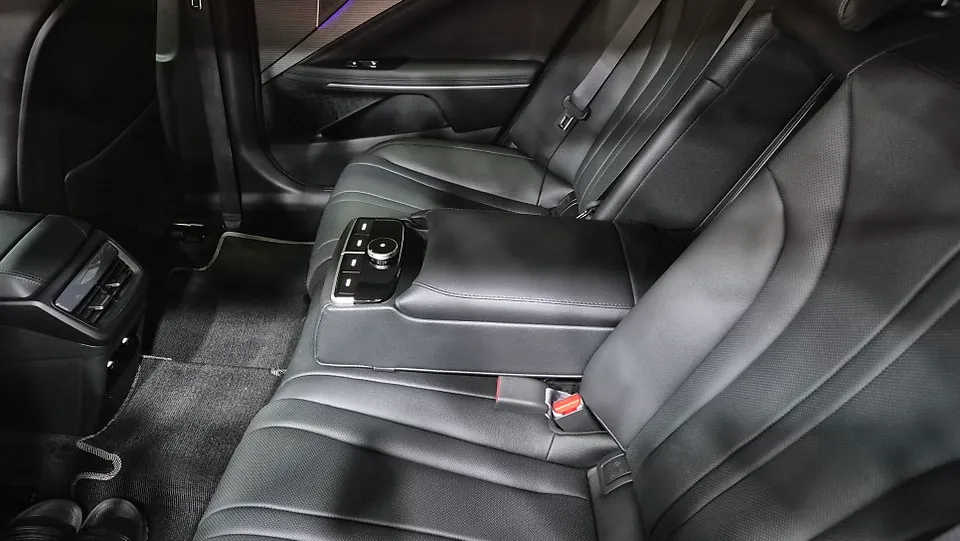
Many Kia K8 owners feel the rear armrest is a missed opportunity for added comfort and functionality. The stock armrest primarily serves as a place to rest your arms and includes cup holders, but it lacks the premium feel expected in a luxury sedan. This review delves into upgrading the rear armrest to a multi-function unit, transforming the back seat into a more sophisticated and convenient space. This isn't just about aesthetics; it's about significantly improving the passenger experience, especially on longer journeys.
The Multi-Function Armrest Transformation
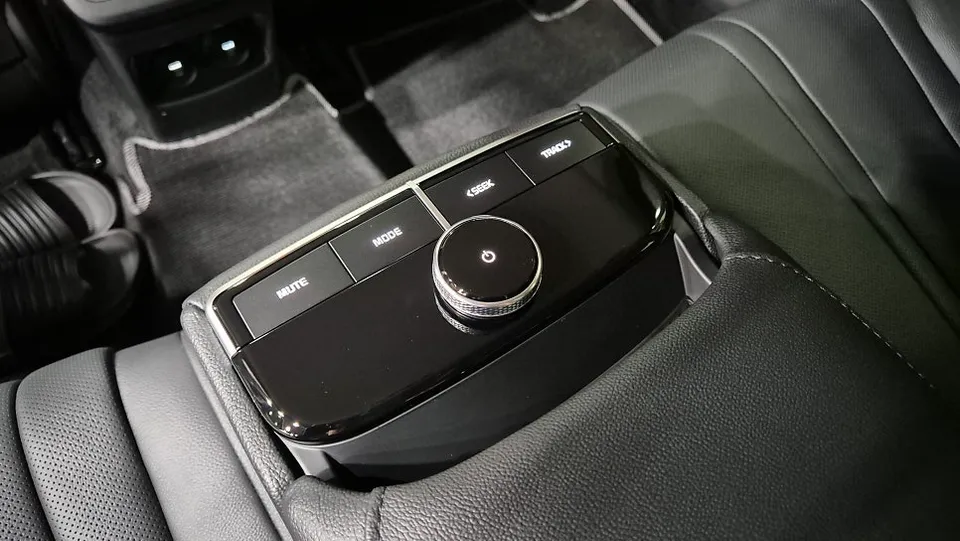
The upgrade replaces the basic armrest with a feature-rich unit. This new armrest typically includes intuitive controls like a volume control dial and audio switches, allowing rear passengers to manage entertainment systems without needing to reach the front. The cup holders are often redesigned for smoother operation, and the unit can incorporate practical storage compartments and USB charging ports. This integration of features elevates the rear cabin's convenience and luxury. The visual impact is substantial, making the rear seating area feel more premium and personalized. For K8 owners considering ventilated seats or heated seats, this multi-function armrest complements those features, creating a truly complete rear climate and comfort package.
Is the Seat Climate Upgrade Worth It for Your K8?
The decision to upgrade the Kia K8's rear armrest hinges on prioritizing rear passenger comfort and convenience. The transformation offers a significant boost in perceived value and usability. While the original Korean context mentions costs around 300,000-50,000 KRW (approximately $220-$370 USD, though actual US installation costs for similar retrofits can range from $400-$800), the exact price depends on the specific parts and labor involved. The installation process is generally straightforward for certified technicians, typically taking 2-3 hours. The durability is expected to be long-lasting, as it involves integrating OEM-like components. If you frequently have rear passengers or simply want to enhance your K8's luxury appointments, this upgrade is highly recommended. It’s a practical enhancement that adds tangible value and comfort, especially when paired with existing or future seat climate options.
Installation Process:
- Removal of the factory rear armrest unit.
- Wiring integration for new control modules and USB ports.
- Installation of the new multi-function armrest assembly.
- Testing all integrated functions, including audio controls and charging ports.
Frequently Asked Questions
Q. How much does ventilated seat installation cost for a Kia K8?
The specific multi-function armrest upgrade mentioned in the Korean context costs around 300,000-50,000 KRW (approx. $220-$370 USD). However, comparable seat ventilation retrofits in the US typically range from $400 to $800.
Q. How long does seat ventilation installation take on a Kia K8?
The installation of a multi-function armrest, which can include climate control interfaces, generally takes about 2-3 hours. With OEM-quality parts, the system is designed for long-term durability, requiring no special maintenance beyond regular cleaning.
Q. Are aftermarket ventilated seats worth it for a Kia K8?
This upgrade is most beneficial for Kia K8 owners who frequently carry rear passengers or desire a more luxurious and functional rear cabin. It significantly enhances passenger comfort and convenience, adding considerable value to the vehicle's interior experience.
Q. How are ventilated seats installed in a Kia K8?
Installation involves removing the existing rear armrest, integrating wiring for new controls and ports, and fitting the new multi-function unit. The process typically requires professional expertise to ensure all features, like audio controls and USB charging, function correctly.
Q. What is the difference between OEM and aftermarket ventilated seats for a Kia K8?
The Korean context describes an upgrade using factory-style (OEM-like) components for the armrest, focusing on integrated controls and convenience features. Aftermarket ventilated seat kits often focus solely on airflow and may require more extensive modification.
Q. What should I know before getting Seat Ventilation & Heating on a Kia K8? (common regrets and mistakes)
A common regret is not considering the integrated convenience features beyond just cooling/heating, such as audio controls and USB ports. Ensure your chosen upgrade includes these functionalities for a complete rear-seat enhancement.
OhCar Partner Shop