Kia Niro Surround View Camera Review: Cost & Results

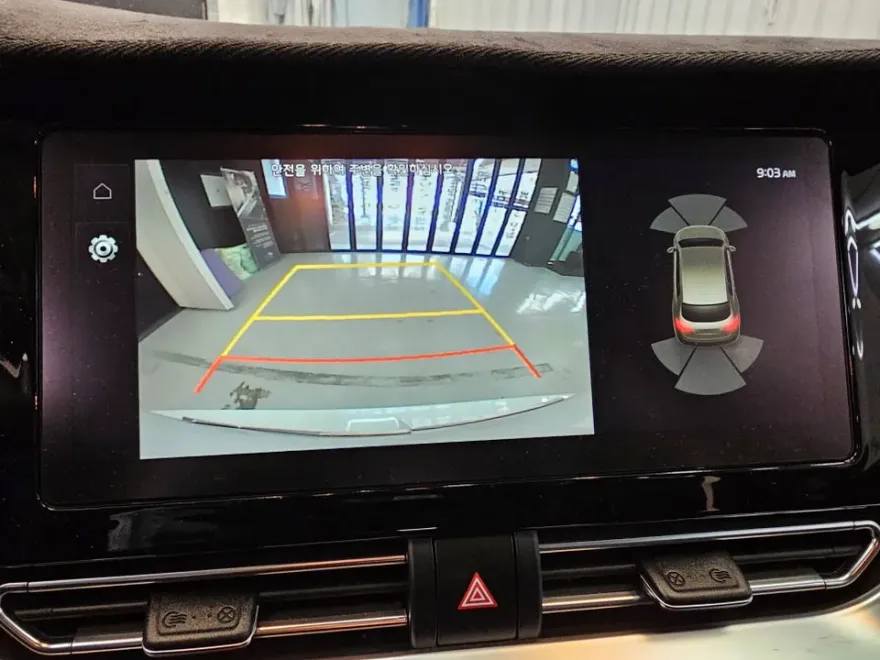
Kia Niro 360 camera retrofit: 400,000-700,000 KRW. Enhances parking safety with a bird's-eye view.
Is a 360 Camera Necessary for Your Kia Niro EV?
Many Kia Niro EV owners find that while the electric vehicle offers excellent performance, it might lack certain convenience features as standard. Specifically, some models, especially older generations, didn't include a factory-fitted surround view or around view monitor system, even in top trims. Relying solely on a standard backup camera can leave drivers feeling uncertain in tight parking spots or when navigating complex urban environments. A 360-degree camera system, often referred to as a bird's-eye view camera or around view monitor, significantly enhances visibility, preventing accidental damage to the vehicle and ensuring safer parking maneuvers. This review explores the benefits and practicalities of retrofitting such a system onto your Kia Niro.
Understanding the 3D Surround View System
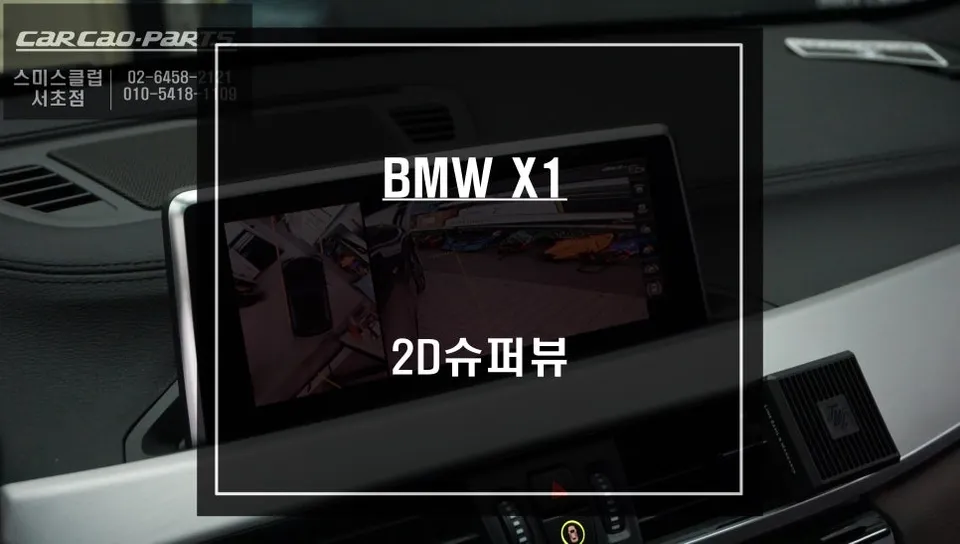
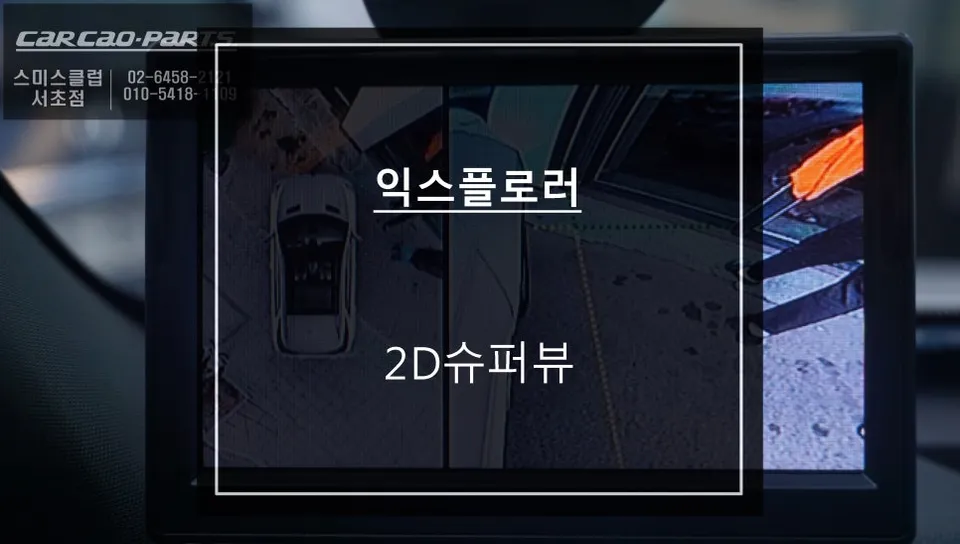
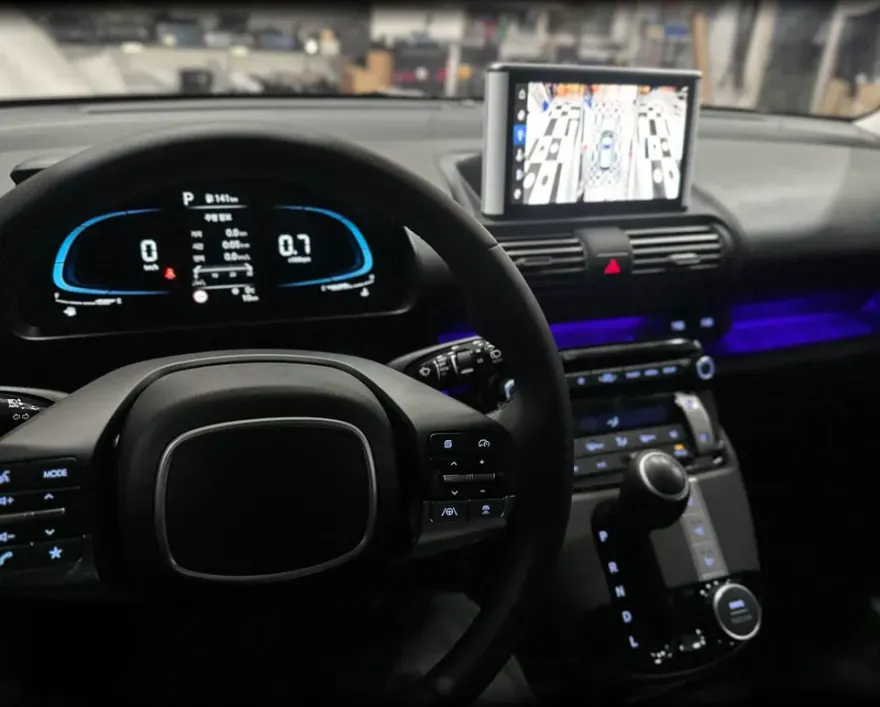
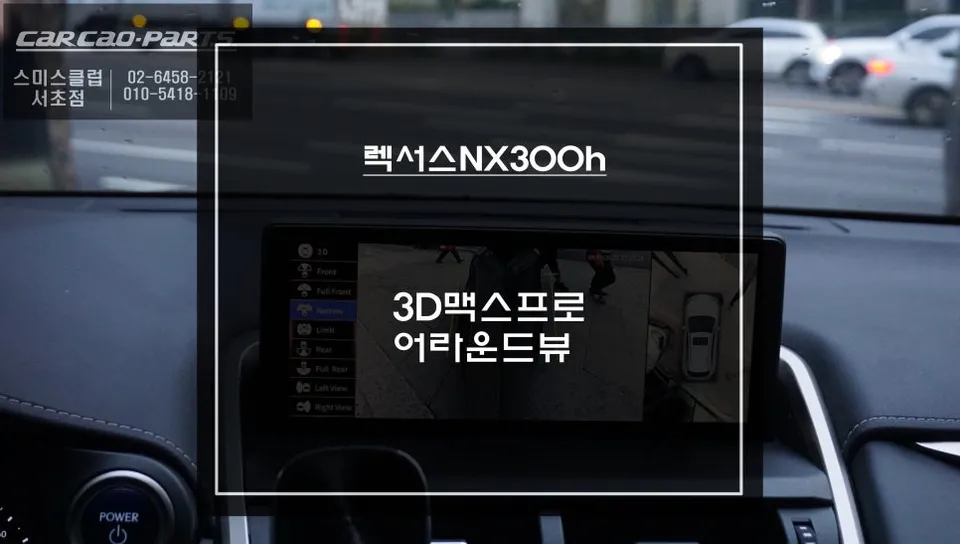
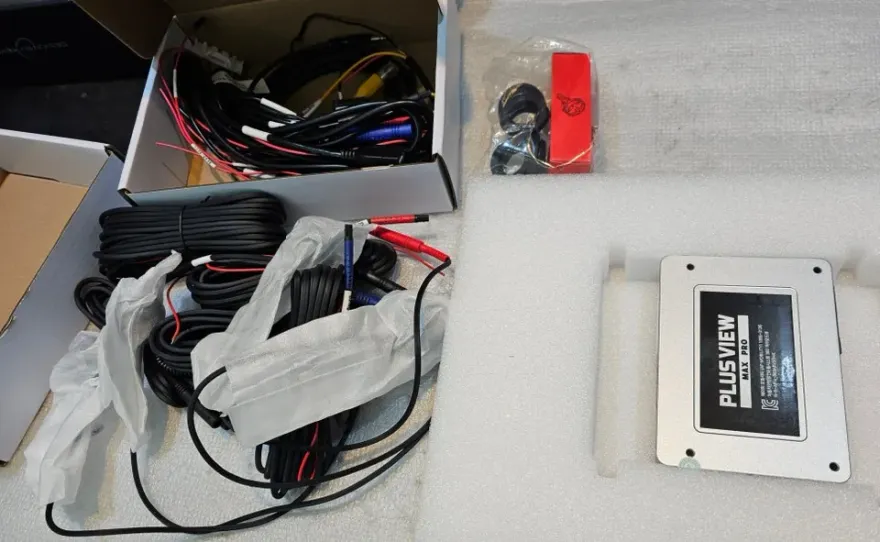
The 3D surround view camera systems, like the AP Mobility 3D Plus View Max Pro mentioned in the original context, provide a comprehensive view around your vehicle. Four cameras strategically placed at the front, rear, and sides of the car capture their respective areas. The system then stitches these feeds together to create a seamless, real-time 3D perspective, as if viewed from directly above the car. This 'bird's-eye view' is invaluable not just for parking but also for low-speed maneuvering, helping you avoid unseen obstacles. Advanced systems often include dynamic parking assist lines that show your projected path based on steering wheel input, and some automatically display a side camera view when the turn signal is activated, further boosting driver confidence and convenience.
Installation Process and Calibration
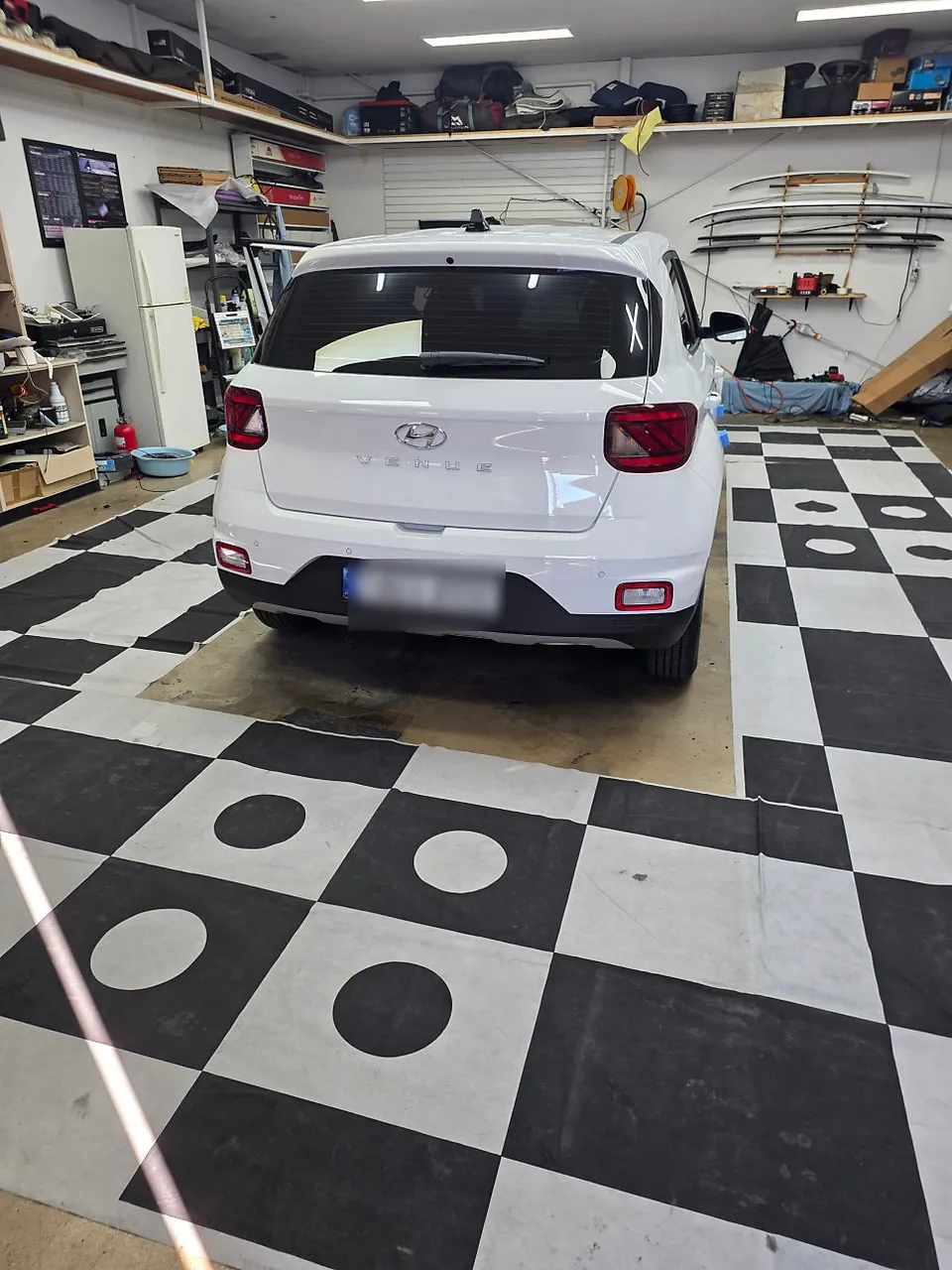
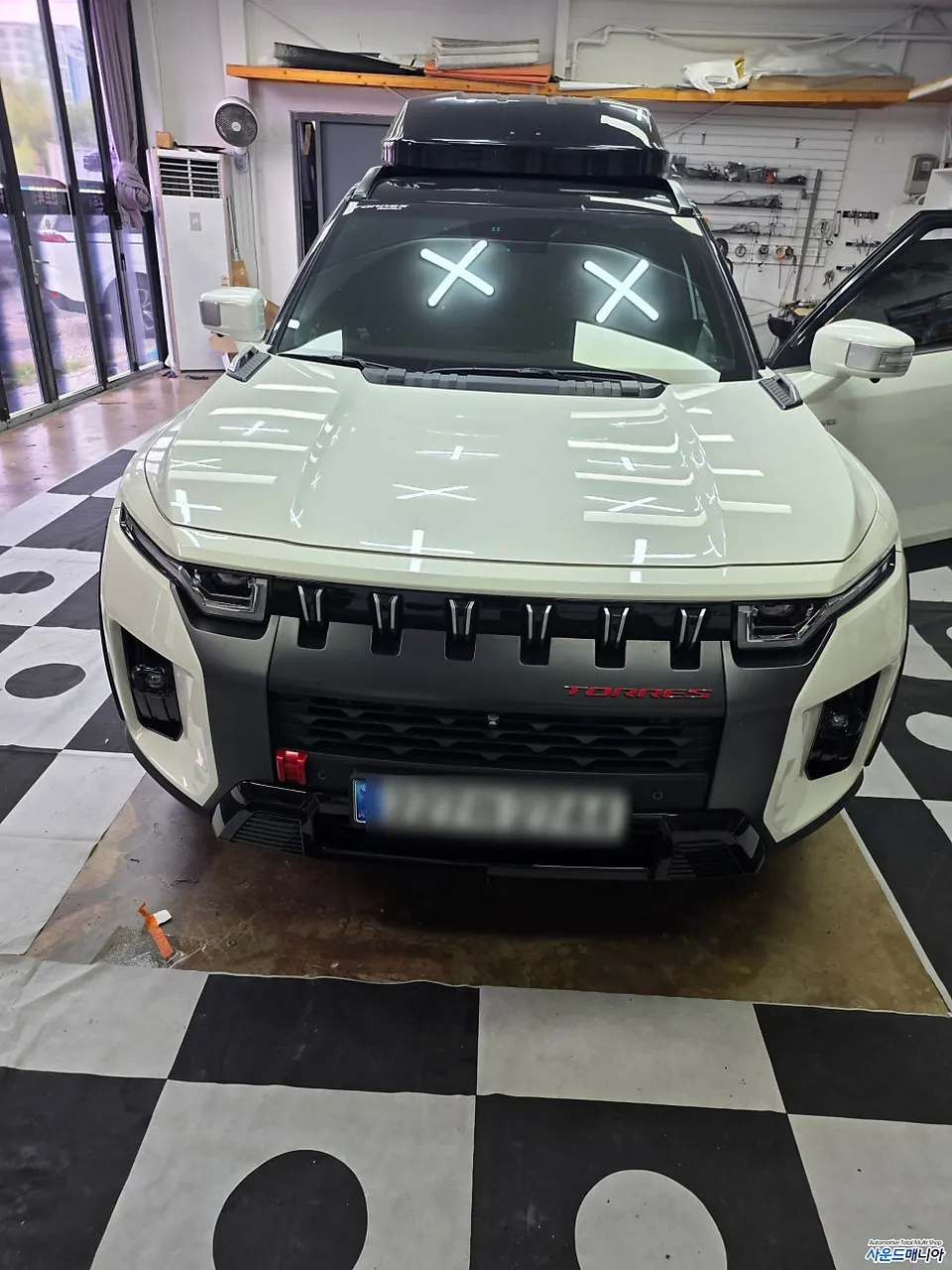
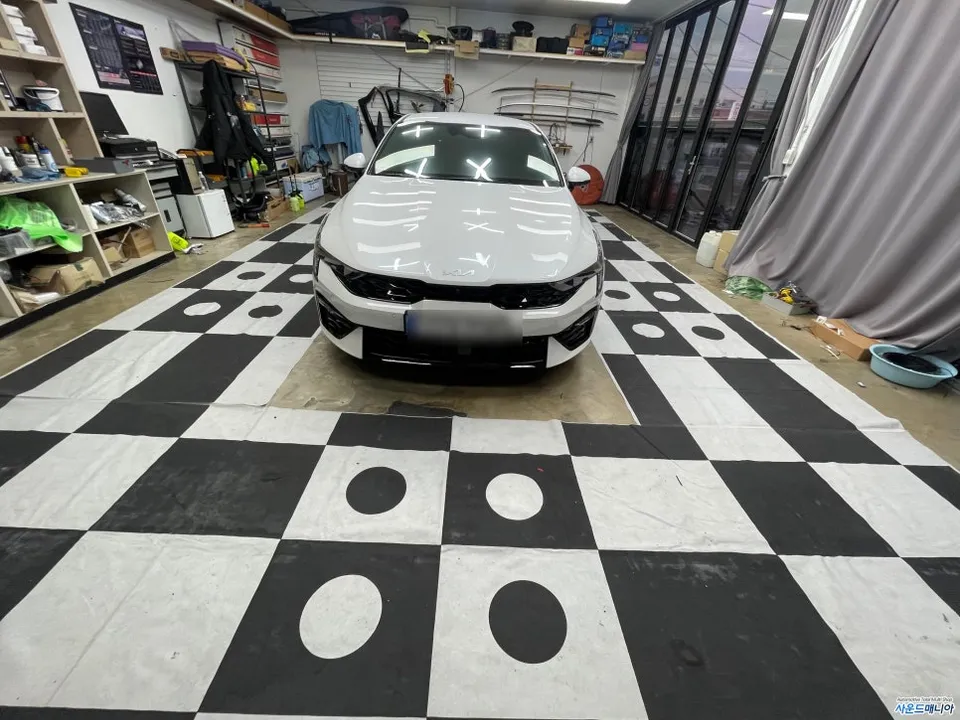
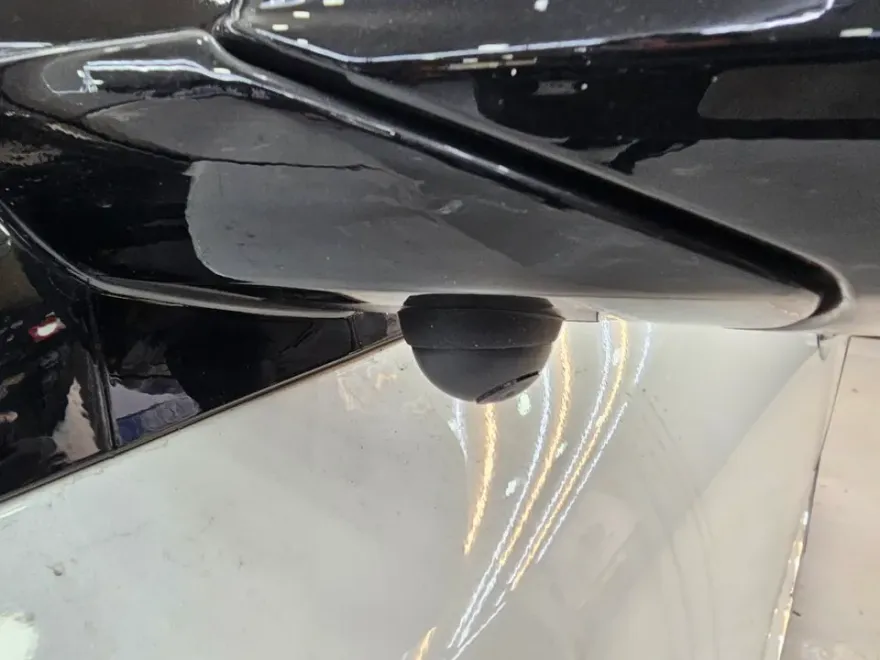
Proper installation is crucial for the effectiveness of any surround view camera system. The process involves precisely mounting four cameras onto the vehicle's exterior – typically one in the front grille, one in the rear bumper, and one on each side mirror housing. The wiring must be meticulously routed and connected. Following the physical installation, a critical step is camera calibration. This calibration process corrects any distortion in the camera feeds, ensuring the stitched-together image accurately reflects the vehicle's surroundings. Without accurate calibration, the system could display misleading visuals, potentially hindering rather than helping with parking. The accuracy of the camera placement and the precision of the calibration directly impact the system's performance and your ability to rely on it.
Installation process:
- Careful mounting of four cameras (front, rear, sides) in optimal, aesthetically pleasing locations.
- Meticulous routing of wiring harnesses through the vehicle's interior and exterior.
- System integration with the vehicle's infotainment or a dedicated display.
- Essential calibration of all camera views to ensure accurate image stitching and distortion correction.
The quality of the installation, particularly the camera angles and the calibration accuracy, determines the system's overall usefulness. A poorly installed system can create visual distortions, making parking more difficult. Choosing a reputable installer who follows precise procedures is key to achieving a satisfactory result.

Cost, Durability, and Value
The cost for a surround view camera retrofit on a Kia Niro can range from approximately 400,000 to 700,000 Korean Won (KRW), depending on the specific product chosen and the extent of the installation. This price point should be considered alongside the potential benefits. While the initial investment might seem significant, the enhanced safety and convenience offered by a 360-degree view can be substantial, especially for drivers who frequently navigate challenging parking situations or operate in areas with limited visibility. The durability of these aftermarket systems is generally good, provided they are installed correctly and use quality components. Maintenance typically involves keeping the camera lenses clean from dirt and debris, similar to any exterior camera or sensor on the vehicle. The longevity of the system will depend on the quality of the components and the installation expertise.
Frequently Asked Questions
Q. How much does a 360 camera installation cost for a Kia Niro?
In Korea, the installation cost for a surround view camera system on a Kia Niro typically ranges from 400,000 to 700,000 KRW. Prices in the US can vary significantly based on the installer and system chosen, often falling into a higher bracket.
Q. How long does a surround view camera installation take on a Kia Niro?
The installation process for a surround view camera system generally takes around 3 to 4 hours to complete. To ensure longevity, regular cleaning of the camera lenses is recommended, much like maintaining any exterior automotive sensor.
Q. Is an aftermarket 360 camera worth it for a Kia Niro?
An aftermarket 360 camera system is highly beneficial for Kia Niro owners who frequently face challenging parking situations or operate in tight urban environments. The enhanced visibility and safety it provides often justify the investment for peace of mind.
Q. How is a surround view camera system installed on a Kia Niro?
Installation involves precisely mounting four cameras (front, rear, sides) onto the vehicle, followed by careful wiring. A crucial final step is calibrating the cameras to ensure accurate image stitching and eliminate distortion, providing a true bird's-eye view.
Q. What is the difference between OEM and aftermarket surround view cameras for a Kia Niro?
OEM systems are integrated directly by the manufacturer, often offering seamless compatibility but potentially higher costs or limited availability on certain trims. Aftermarket systems provide a retrofit solution, offering more choice and potentially lower prices, but require professional installation for optimal performance.
OhCar Partner Shop