Kia Sorento Seat Climate Upgrade Review
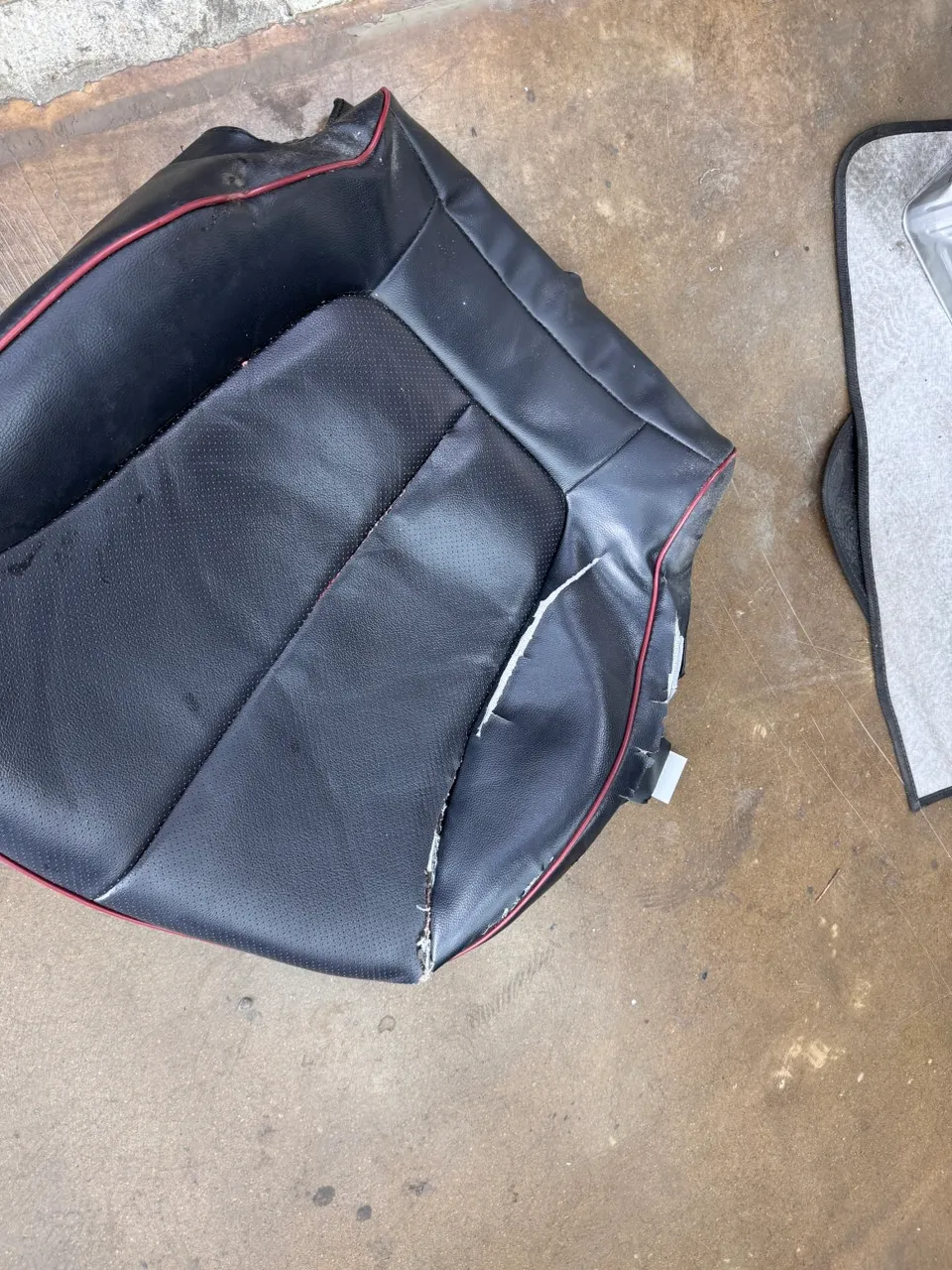
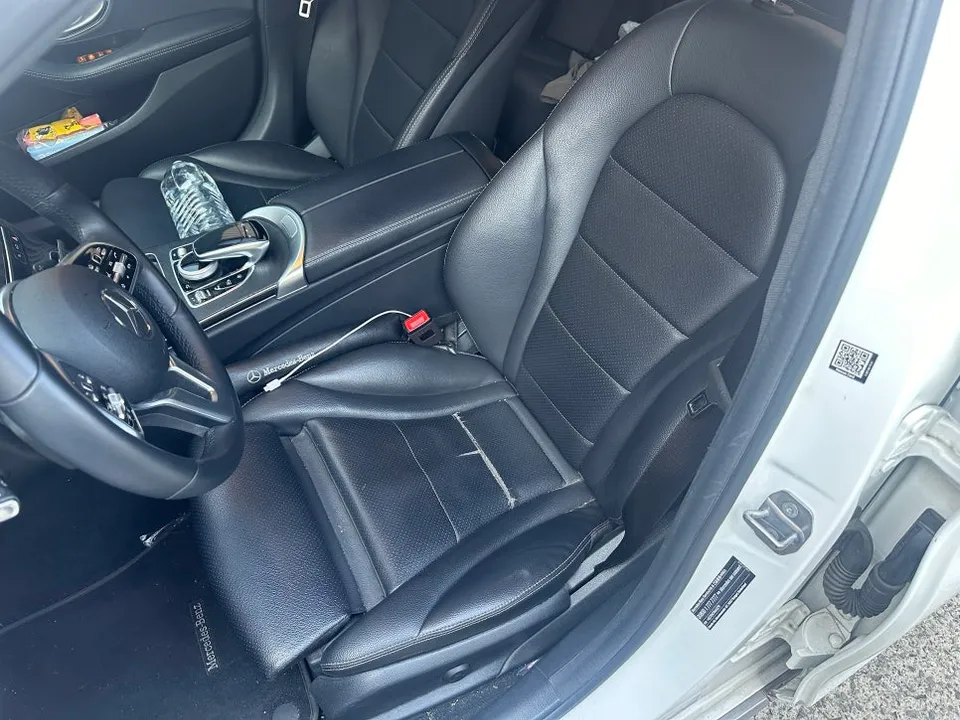
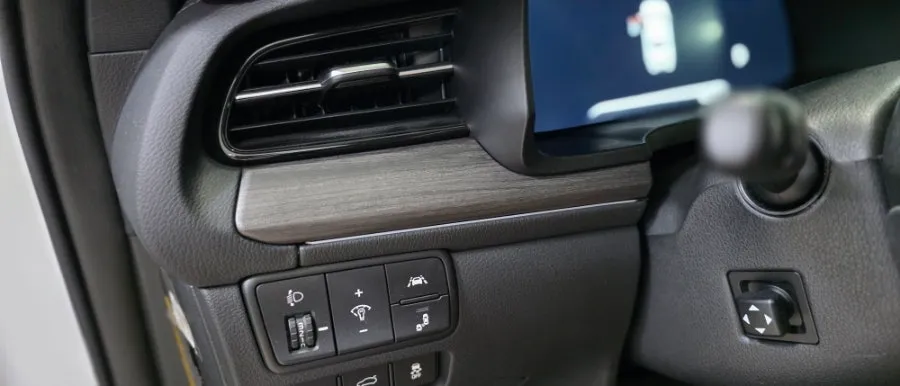
Before

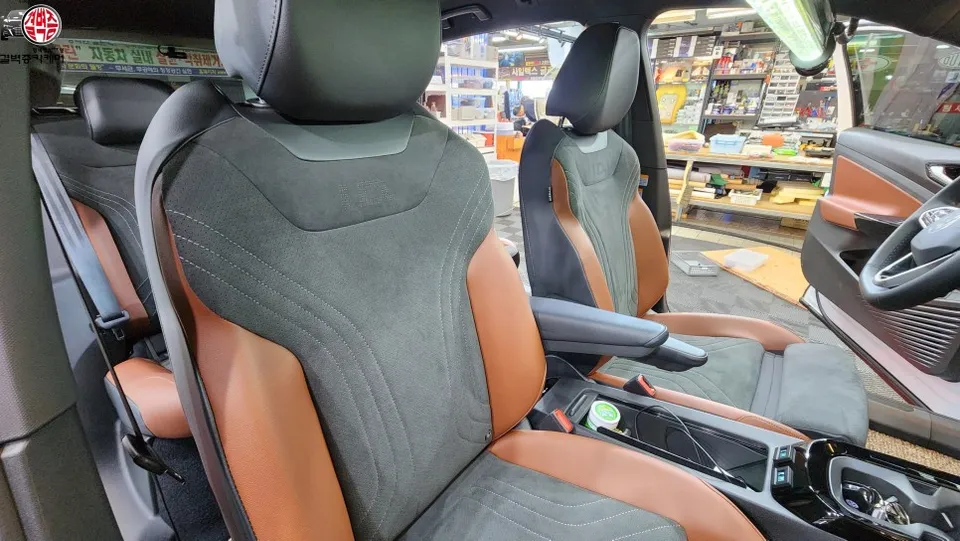
After

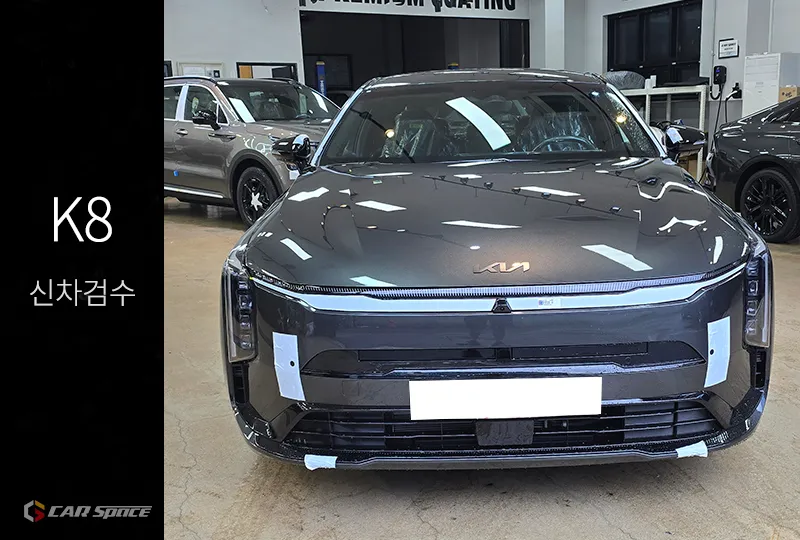
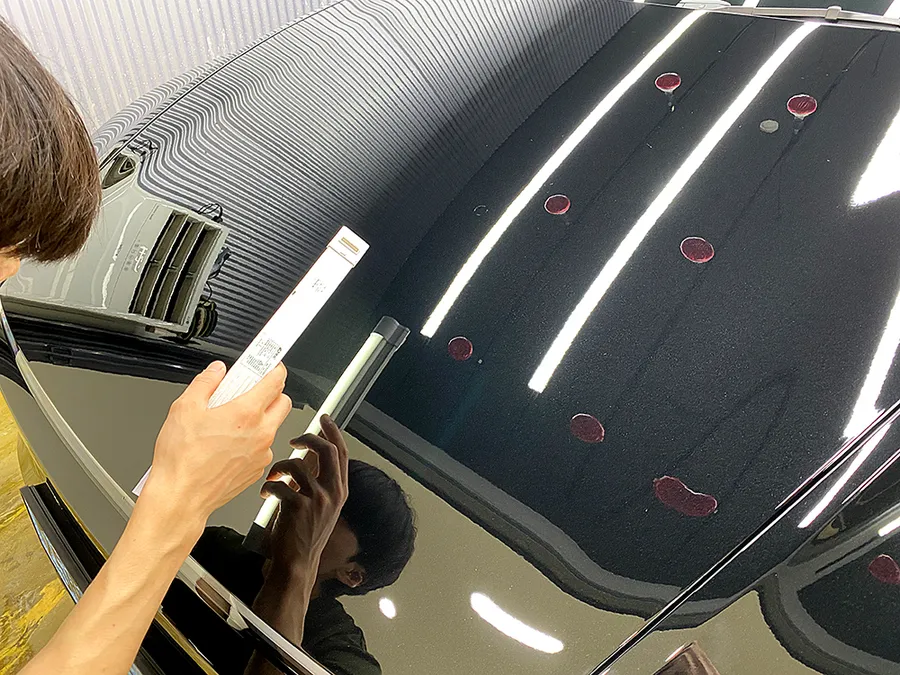
Process photos


Kia Sorento seat ventilation & heating upgrade: Enhances comfort year-round. Professional installation ensures factory-like function and durability.
Enhancing Your Kia Sorento's Comfort: Seat Ventilation & Heating
Many drivers seek to improve their in-car experience, and for the Kia Sorento, adding seat ventilation and heating is a popular way to achieve this. This review delves into the specifics of a seat climate upgrade, covering the installation process, the tangible before and after results, and crucial considerations like durability and overall value. While the original context for this work comes from South Korea, the principles and benefits of these upgrades are universal for car owners looking to enhance comfort year-round.
Installation Process and Materials
The installation of ventilated and heated seats involves integrating new components into your existing seat upholstery. This typically includes heating elements for warmth and ventilation fans for cooling, along with control modules and switches. The process requires careful disassembly of the seat covers, precise placement of the new elements, and secure wiring to integrate with the vehicle's electrical system. The goal is to achieve a factory-like appearance and functionality. The materials used are designed for automotive environments, focusing on durability and consistent performance. After installation, you can expect a noticeable difference in comfort, whether you're battling summer heat or winter chills. The before and after is significant, transforming standard seats into climate-controlled thrones.
Durability, Maintenance, and Is It Worth It?
When considering a seat climate upgrade for your Kia Sorento, durability and maintenance are key factors. High-quality aftermarket systems are designed to withstand regular use, but proper care ensures longevity. Regular cleaning of the seat surfaces, avoiding excessive moisture, and ensuring the electrical connections remain secure are important maintenance steps. The decision of whether ventilated seats or heated seats are worth the investment often comes down to individual needs and climate. For those in regions with extreme temperatures, the comfort and convenience offered by a seat climate upgrade can significantly enhance the driving experience, making it a worthwhile modification. The cost, while an upfront investment, can pay dividends in daily comfort and potentially resale value.
Installation Process:
- Seat disassembly and upholstery removal.
- Installation of heating elements and/or ventilation fans within the seat structure.
- Wiring integration with the vehicle's power and control systems.
- Testing of all functions to ensure proper operation.
- Reassembly of seat upholstery for a finished look.

Frequently Asked Questions
Q. How much does ventilated seat installation cost for a Kia Sorento?
The installation cost for ventilated seats on a Kia Sorento can vary, but typically ranges from approximately $800 to $1500 USD for a full retrofit. This price reflects the complexity of the installation and the quality of the components used.
Q. How long does seat ventilation installation take on a Kia Sorento?
Seat ventilation installation typically takes between 4 to 8 hours to complete for a Kia Sorento. Proper maintenance involves keeping the seat surfaces clean and dry, and ensuring the electrical components are not subjected to excessive stress.
Q. Are aftermarket ventilated seats worth it for a Kia Sorento?
Aftermarket ventilated seats are most beneficial for drivers who frequently experience extreme hot or cold weather. The significant increase in comfort and driving pleasure often justifies the investment for these individuals.
Q. How are ventilated seats installed in a Kia Sorento?
Installation involves carefully removing the seat upholstery, integrating specialized ventilation fans and ducting within the seat cushion and backrest, and connecting them to the vehicle's electrical system with custom controls. The process concludes with reassembly and thorough testing of all functions.
Q. What is the difference between OEM and aftermarket ventilated seats for a Kia Sorento?
OEM ventilated seats are integrated directly from the factory with seamless controls and guaranteed compatibility, whereas aftermarket options offer a retrofit solution that can be more cost-effective but may have slightly different control interfaces or installation complexities. For most owners seeking to add this feature, a reputable aftermarket installation provides excellent value and performance.
OhCar Partner Shop