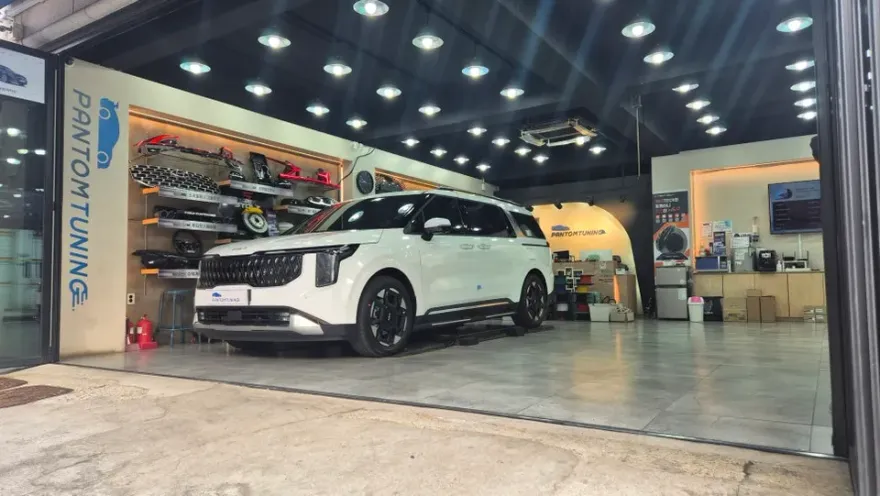
Kia Sorento Seat Climate Upgrade Review
Before

After

Process photos


Kia Sorento Seat Ventilation & Heating upgrade review. Installation details, comfort benefits, and value discussed.
Upgrading Your Kia Sorento's Comfort: Seat Ventilation & Heating
For drivers in regions with fluctuating weather, or those simply seeking enhanced comfort year-round, a Seat Ventilation & Heating upgrade for your Kia Sorento can be a game-changer. This review delves into the specifics of retrofitting ventilated and heated seats, covering the installation process, expected outcomes, and whether the investment is justified. While the original context for this work comes from a detailing shop in Cheonan, South Korea, the principles and benefits of such an upgrade are universal for Sorento owners.
Installation Process and Expected Results
The installation of Seat Ventilation & Heating systems typically involves integrating fans and heating elements beneath the seat upholstery. The process requires careful disassembly of the seats to access the necessary areas for wiring and component placement. For a Kia Sorento, this means ensuring all electrical connections are secure and that the new components do not interfere with the seat's existing functions, such as airbag sensors or power adjustments. The goal is to achieve a seamless integration that provides effective cooling and heating without compromising the vehicle's interior aesthetics or safety features. After installation, owners can expect a significant improvement in comfort, with the ability to regulate seat temperature to their preference, whether it's combating summer heat with seat cooling or staying warm during winter months with heated seats.
Durability, Maintenance, and Value Proposition
When considering a seat climate upgrade, durability and maintenance are key factors. High-quality aftermarket systems are designed to withstand regular use, but proper care can extend their lifespan. Regular cleaning of the seat surfaces can prevent debris from affecting the ventilation fans. For heated seats, avoiding excessive moisture is advisable. The value proposition of ventilated seats and heated seats for a Kia Sorento largely depends on individual needs and climate. For those who frequently experience extreme temperatures, the comfort and convenience offered by this upgrade can significantly enhance the driving experience, making it a worthwhile investment. The original context mentions a car detailing service that also handles glass treatments like oil film removal and water-repellent coating, indicating a focus on comprehensive vehicle comfort and maintenance.
Installation Process:
- Seat disassembly to access upholstery and internal structures.
- Integration of ventilation fans and/or heating elements beneath the seat fabric.
- Wiring the components to the vehicle's power supply, often tapping into existing circuits or adding dedicated fuses.
- Testing all functions to ensure proper operation and safety.
- Reassembly of the seats to their original condition.

Frequently Asked Questions
Q. How much does ventilated seat installation cost for a Kia Sorento?
The Seat Ventilation & Heating installation cost in Korea was not specified in the original context, but aftermarket systems in the US typically range from $500 to $1500 per set of front seats.
Q. How long does seat ventilation installation take on a Kia Sorento?
Ventilated seat installation typically takes between 4-8 hours for a professional installer. Proper maintenance involves keeping seat surfaces clean and dry to ensure optimal fan performance and longevity.
Q. Are aftermarket ventilated seats worth it for a Kia Sorento?
Aftermarket ventilated seats are most beneficial for drivers who frequently experience extreme heat or cold. The enhanced comfort and personalized climate control can significantly improve the driving experience, making it a worthwhile upgrade for many.
Q. How are ventilated seats installed in a Kia Sorento?
Installation involves carefully disassembling the seats to integrate fans beneath the upholstery. Components are then wired to the vehicle's power system, followed by thorough testing and reassembly.
Q. What is the difference between OEM and aftermarket ventilated seats for a Kia Sorento?
OEM (Original Equipment Manufacturer) ventilated seats are factory-integrated and often offer a more seamless look and feel. Aftermarket systems provide a retrofit option that can be more budget-friendly and available for vehicles without factory options.
OhCar Partner Shop