Kia Sportage Surround View Camera Review: Cost & Results
Service Price
$40–80
Estimated price · Actual price may vary by shop
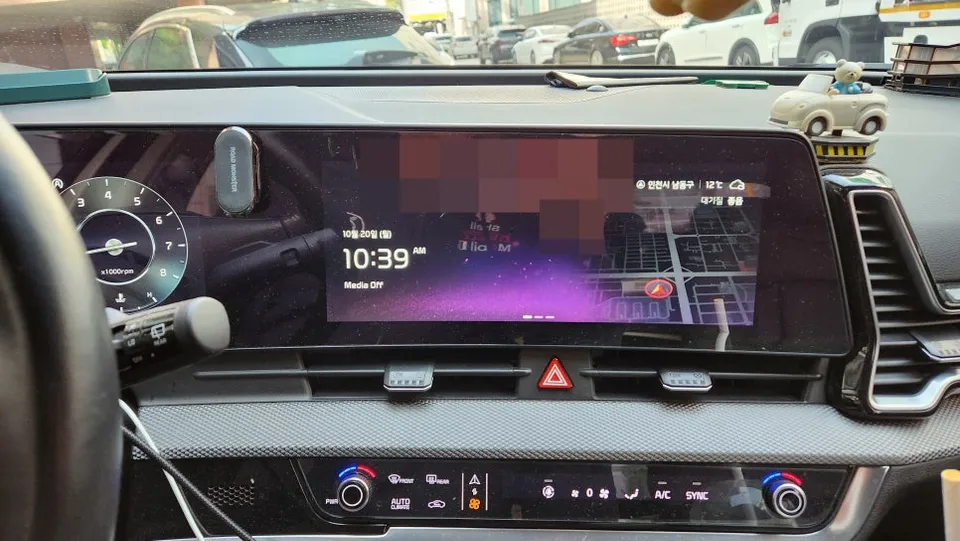
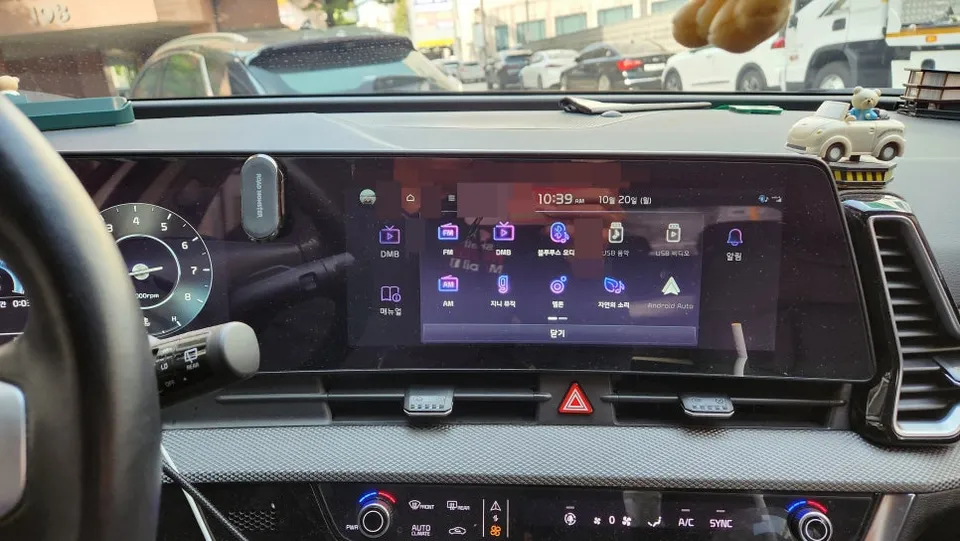
Kia Sportage 360 camera retrofit: Approx. $400-$800 USD. Eliminates blind spots for easier parking.
Upgrade Your Kia Sportage with a 360 Surround View Camera
Are you finding it challenging to navigate tight alleyways or complex parking lots with your Kia Sportage? If the standard rear-view camera isn't providing enough visibility, a surround view camera system, often referred to as a 360 camera or bird's-eye view camera, can be an excellent solution. This review explores the installation process, costs, and benefits of retrofitting this advanced parking aid onto your Sportage, enhancing both safety and convenience. In Korea, this system can be installed for approximately 400,000 to 800,000 KRW, with installation taking about 3 to 5 hours. The exact cost can vary based on your vehicle's options, the chosen product grade, and the installer's labor fees. The system is expected to maintain its performance for about 3 to 5 years.
The Installation Process for a Surround View Camera
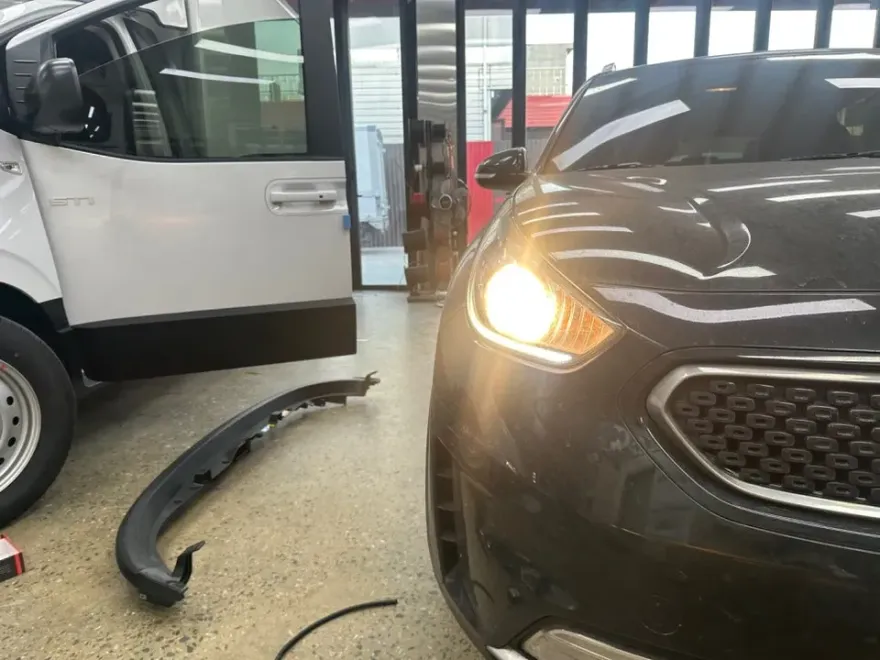
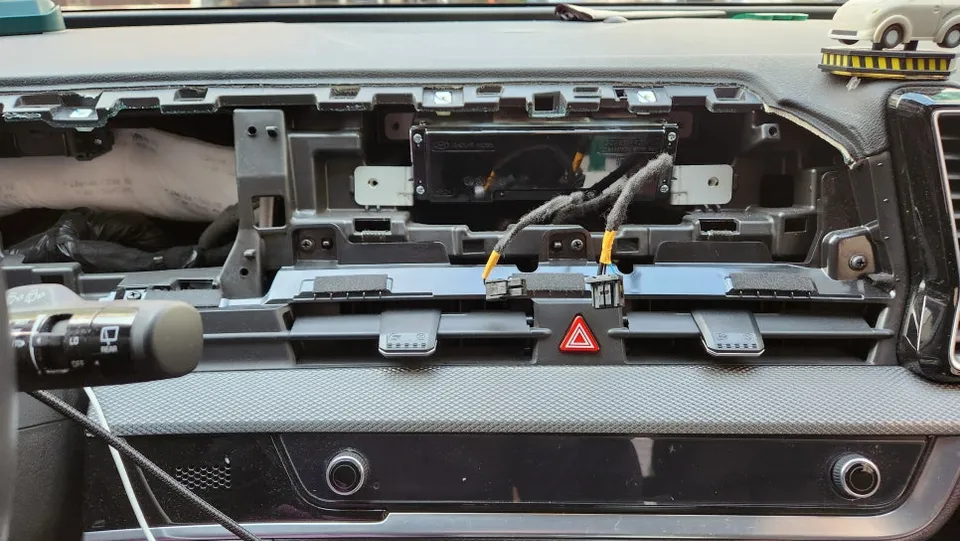
Installing a surround view camera system on your Kia Sportage involves several key steps to ensure optimal performance. The process begins with carefully removing the vehicle's original monitor. While these wide-format displays are substantial, experienced technicians can detach them safely. Following this, cameras are meticulously installed at the front, rear, and sides of the vehicle. For the side cameras, this typically involves drilling into the lower part of the side mirrors, though some installations might integrate them directly into the mirror covers for a factory-like appearance.
Installation process:
- Careful removal of the original vehicle monitor.
- Installation of front, rear, and side-view cameras, often requiring precise placement on mirror housings.
- Connection of cameras to the vehicle's display system.
- Crucial calibration and alignment process to ensure accurate image stitching.
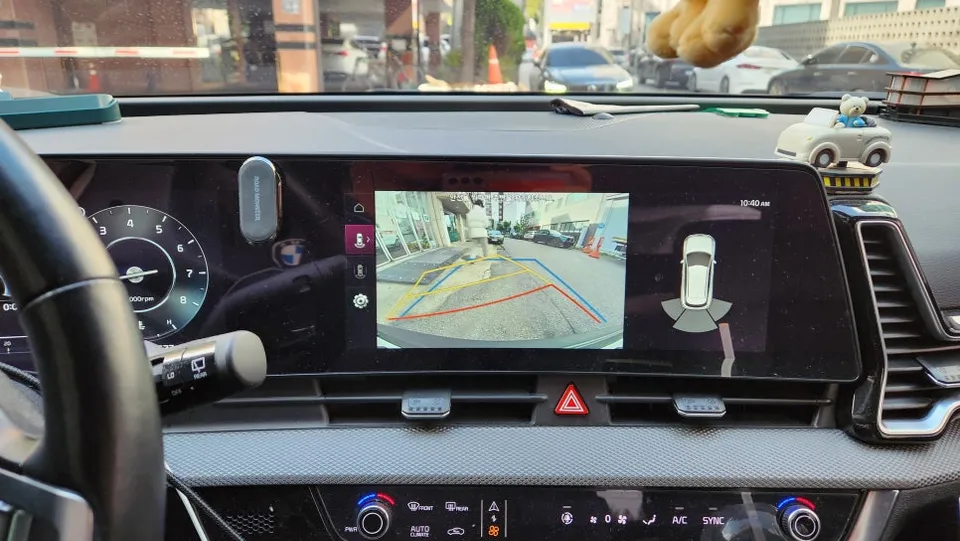
Achieving a Seamless Bird's-Eye View
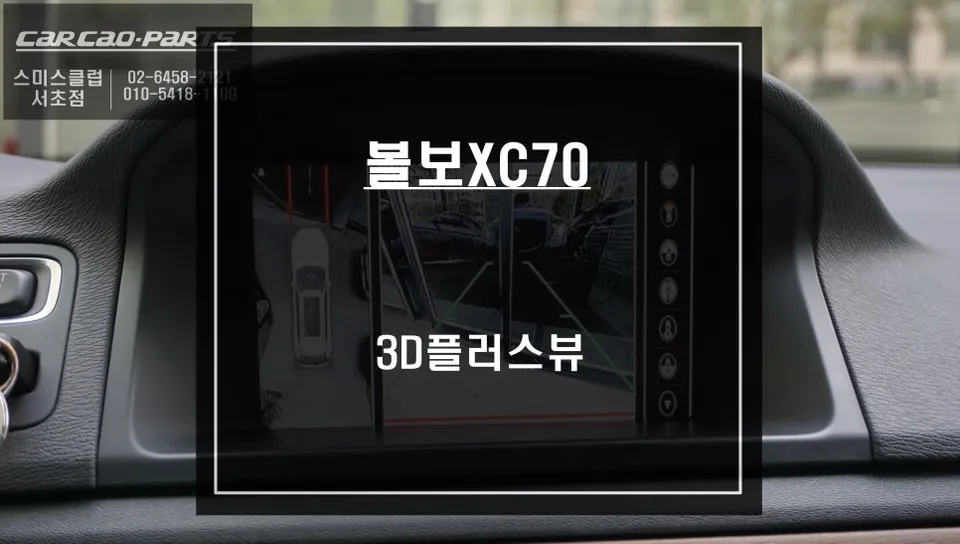
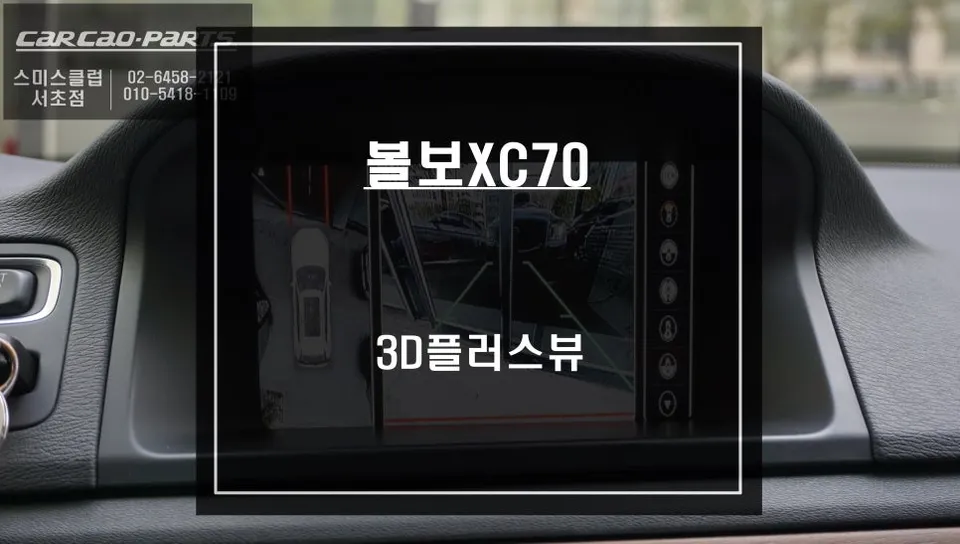
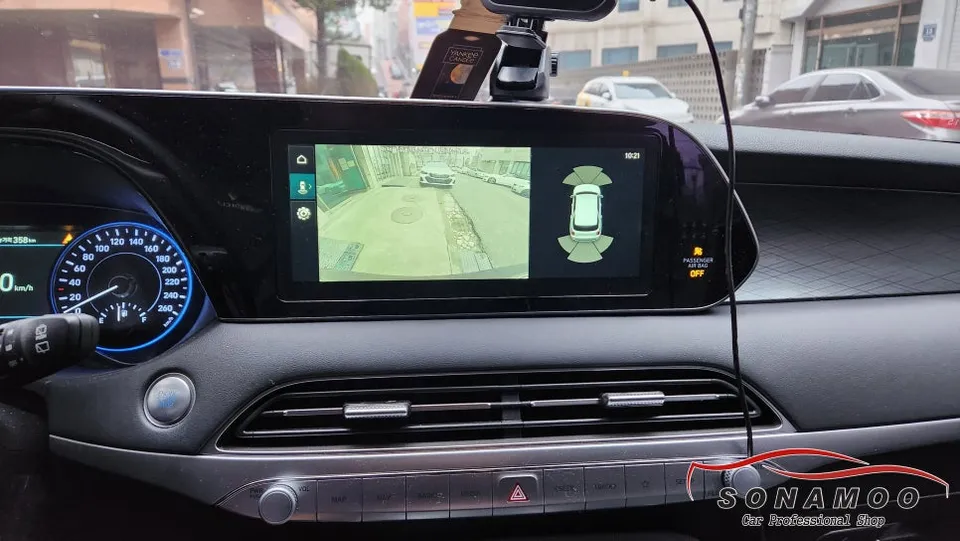
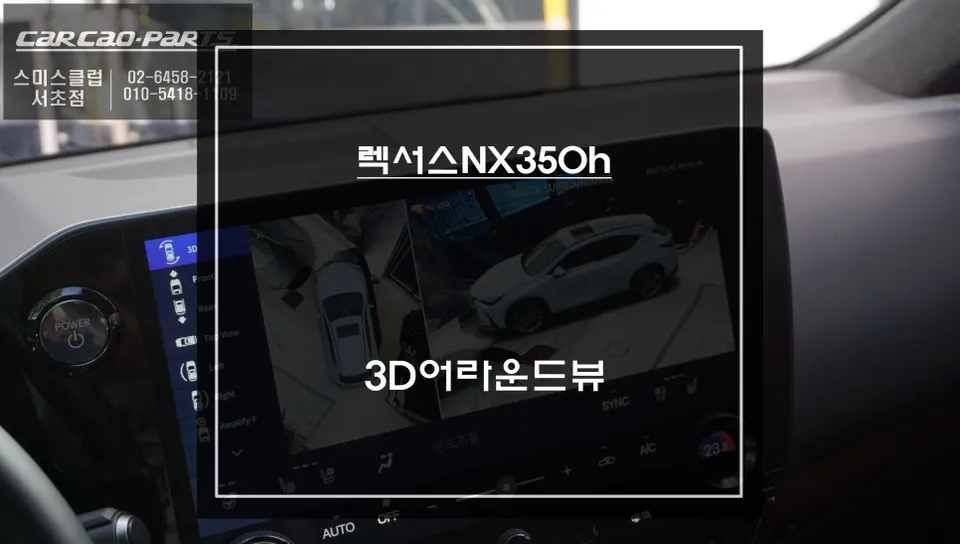
Once the cameras are physically mounted, the critical phase of 'calibration' begins. This is where the magic happens – the system stitches together the individual feeds from the front, rear, and side cameras to create a unified, top-down (bird's-eye) view of the vehicle's surroundings. Without proper calibration, the displayed image can be distorted, leading to inaccurate spatial awareness. Skilled technicians perform precise adjustments to ensure the around view monitor provides a natural and accurate representation, making parking and maneuvering in tight spaces significantly easier and safer. This system effectively eliminates blind spots, offering peace of mind.
Frequently Asked Questions
Q. How much does a 360 camera installation cost for a Kia Sportage?
In Korea, the installation cost for a surround view camera system on a Kia Sportage typically ranges from 400,000 to 800,000 KRW (approximately $300-$600 USD). Prices can vary based on the specific kit and installation shop.
Q. How long does a surround view camera installation take on a Kia Sportage?
The installation process for a surround view camera system usually takes between 3 to 5 hours. With proper care and maintenance, the system's performance can be expected to last for approximately 3 to 5 years.
Q. Is an aftermarket 360 camera worth it for a Kia Sportage?
An aftermarket 360 camera system is highly beneficial for Kia Sportage owners who frequently navigate tight spaces or want enhanced parking safety. It provides a comprehensive view, significantly reducing the risk of minor collisions and making parking stress-free.
Q. How is a surround view camera system installed on a Kia Sportage?
Installation involves removing the original monitor, mounting cameras on the front, rear, and side mirrors (often requiring drilling), connecting the system, and performing a precise calibration to stitch the camera feeds into a seamless bird's-eye view.
Q. What is the difference between OEM and aftermarket surround view cameras for a Kia Sportage?
OEM systems are integrated directly from the factory with guaranteed compatibility, while aftermarket systems offer a retrofit solution that can be more affordable but requires professional installation and calibration for optimal performance.
OhCar Partner Shop