Kia Stinger PPF Re-installation Review — Insurance Claim Success
Service Price
$150+
Estimated price · Actual price may vary by shop

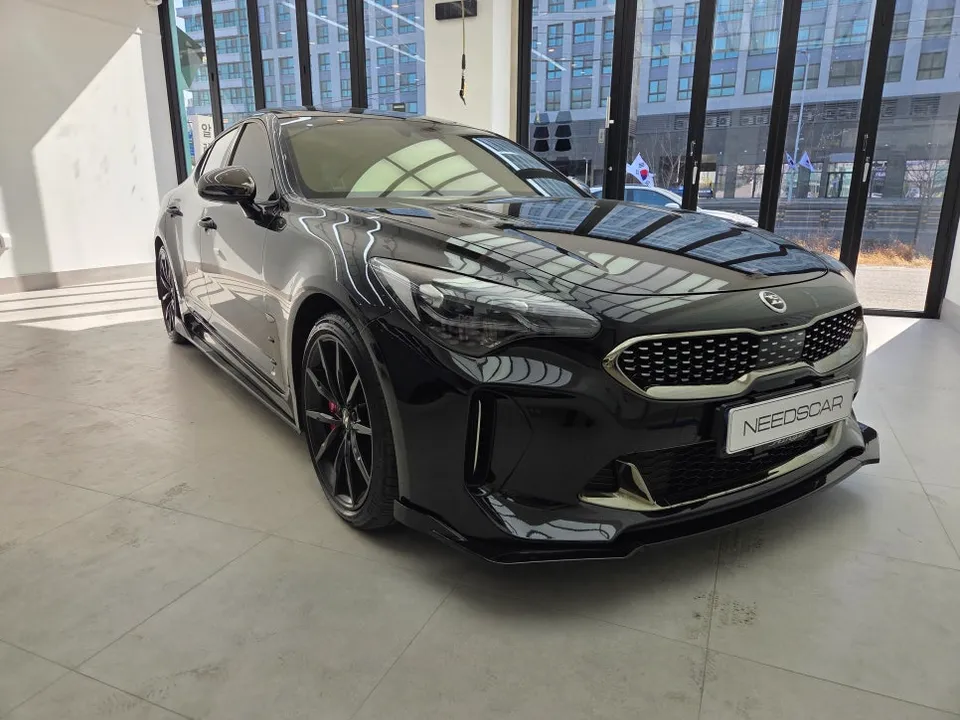
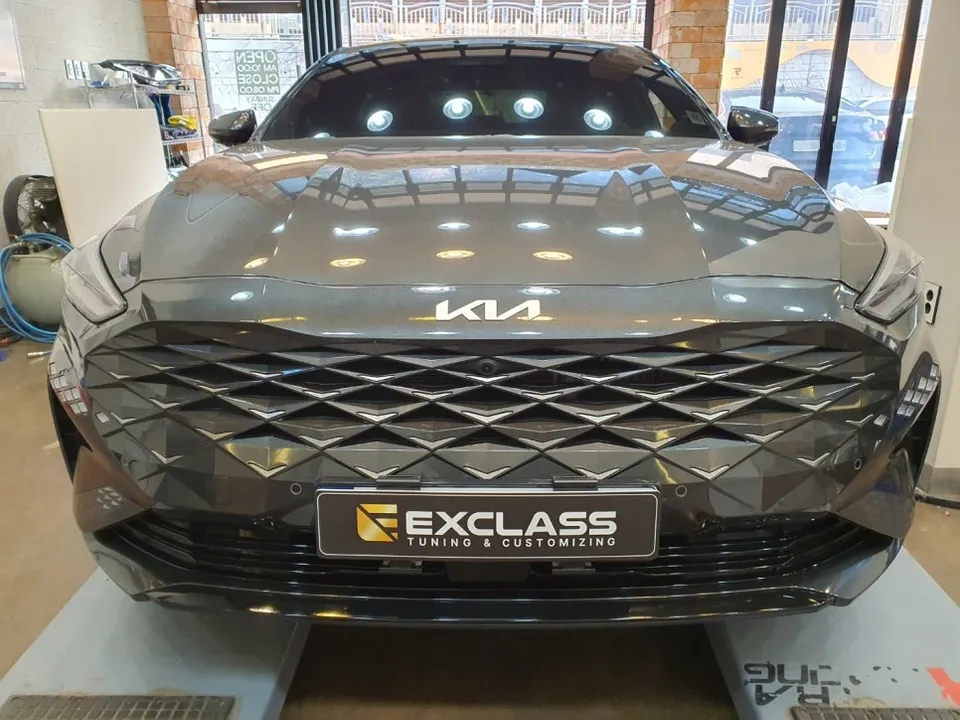
PPF re-installation on Kia Stinger: Insurance-covered. Restored crucial paint protection after accident repair, preventing future damage.
Can PPF Be Reinstalled Through Insurance After an Accident?
When your car requires panel replacement or repainting after an accident, what happens to the existing Paint Protection Film (PPF)? Many vehicle owners opt to only have the paintwork redone, neglecting the crucial step of reapplying PPF. However, leaving a freshly painted surface unprotected exposes it to the immediate risks of stone chips, daily scratches, and contamination of the new paint. The good news is that if the accident was not your fault, you can often have PPF reinstallation covered by the at-fault party's insurance. We'll break down the process using a recent Kia Stinger PPF reinstallation case handled by Today's Car Siheung.
This article covers: 1. Why reapplying PPF after an accident is essential. 2. The process of PPF reinstallation when covered by insurance. 3. The timeline from painting to PPF application. 4. Estimated costs and duration. 5. Frequently asked questions.
Today's Car Siheung: Your Experts in Post-Accident PPF
Today's Car Siheung specializes in meticulous PPF reinstallation following accident repairs. We pride ourselves on thoroughly inspecting the quality of the paintwork before applying the new PPF, ensuring a seamless integration. While painting and PPF application are distinct services, the final aesthetic appeal and long-term durability depend heavily on how precisely these two processes are connected.
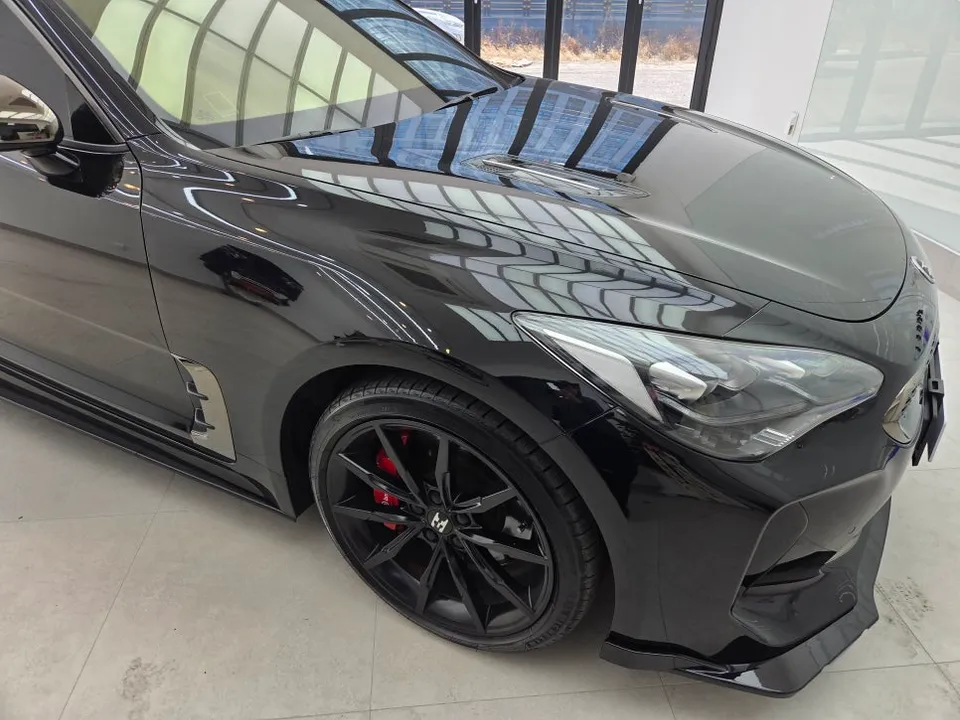
The Precise Steps for Post-Accident Paintwork and PPF Reinstallation
Step 1: Paint Inspection and Curing Period
Upon vehicle arrival, we conduct an initial inspection to verify the quality of the recent paint job. During body shop repairs, any existing PPF is typically removed. Our task is to apply a fresh layer of protection onto the newly painted surfaces.
A critical factor here is allowing adequate curing time for the new paint. For insurance-covered PPF reinstallation, it's best to wait at least one week after painting. This ensures the paint surface is fully hardened, which maximizes adhesion for the PPF and prevents future lifting or peeling of the film.
Step 2: Pre-Treatment – The Key to Quality
The success of any PPF installation hinges on the pre-treatment process. This begins with a degreasing procedure to remove any oils or residues from the paint surface. Meticulous cleaning of panel gaps and the use of clay bars are essential to prevent an uneven finish once the PPF is applied.
Even freshly painted surfaces can accumulate contaminants like iron fallout or road debris shortly after application. Removing these microscopic particles is vital for optimal adhesion and a flawless finish. We then further refine the paint surface to ensure it's as smooth as possible. A final touch inspection, using fingertip sensitivity, confirms the absence of any remaining contaminants.
For vehicles with existing mileage, thoroughly cleaning the crevices is particularly important. Skipping this step can lead to the film lifting prematurely.
Step 3: Film Preparation and Precision Application
The PPF is precisely cut to match the dimensions of the repair area. We then clean the film on a dedicated cutting mat to maintain its clarity and minimize the introduction of debris during application.
Specialized installation solution is applied to both the film and the painted surface. The film is then meticulously positioned, and squeegeeing begins. It's crucial during this stage to ensure no air bubbles are trapped, as trapped air can migrate or cause the film to lift over time.
Step 4: Precision Cutting and Edge Wrapping
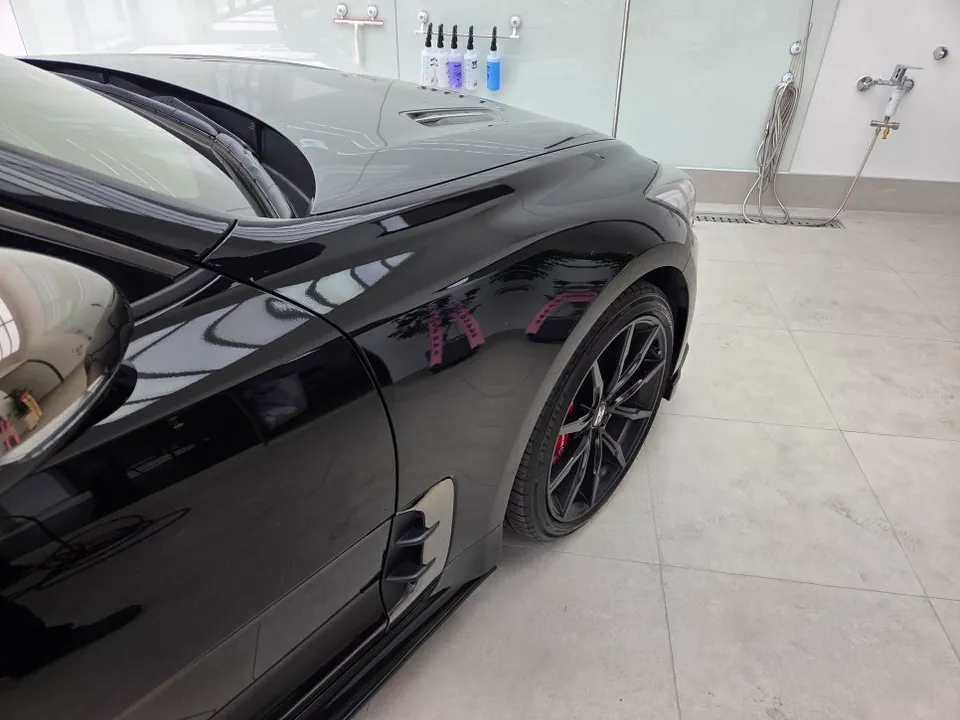
Once squeegeeing is complete, the edges of the film are precisely trimmed. We then carefully wrap the film edges into the panel seams wherever possible. Wrapping the film edges provides a cleaner aesthetic and prevents dirt and debris from accumulating along the film's border, which can detract from the appearance and compromise the film's integrity over time.
Frequently Asked Questions
Q. How much does PPF cost for a Kia Stinger?
This review highlights PPF re-installation covered by insurance after an accident, minimizing out-of-pocket costs for the owner. Typically, full front PPF for a Kia Stinger can range from $1,800 to $3,000, while full vehicle coverage can exceed $5,000 in the US.
OhCar Partner Shop
More ppf Reviews
See all →


More Kia Reviews
Pair with Another Service
Complete your new car protection package