Land Rover Range Rover Sport PPF Installation Review — Cost
Service Price
$75–115
Estimated price · Actual price may vary by shop
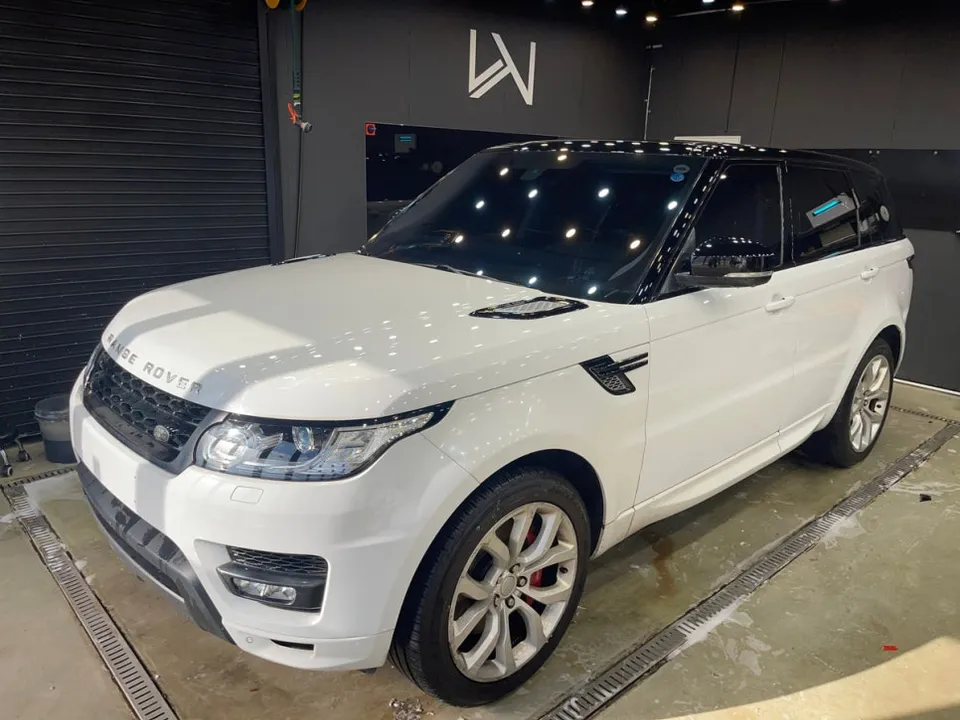
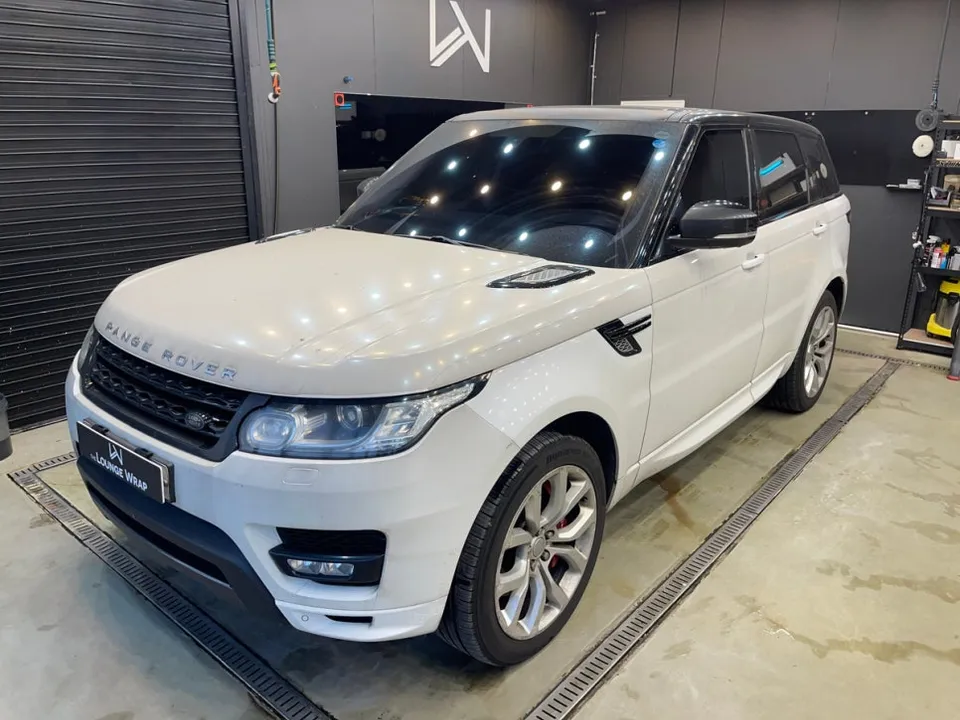
PPF removal on a 9-year-old Land Rover Range Rover Sport in Korea resulted in severe paint damage and took 7 days, costing over 1 million KRW.
Severe Paint Protection Film Removal on a Land Rover Range Rover Sport
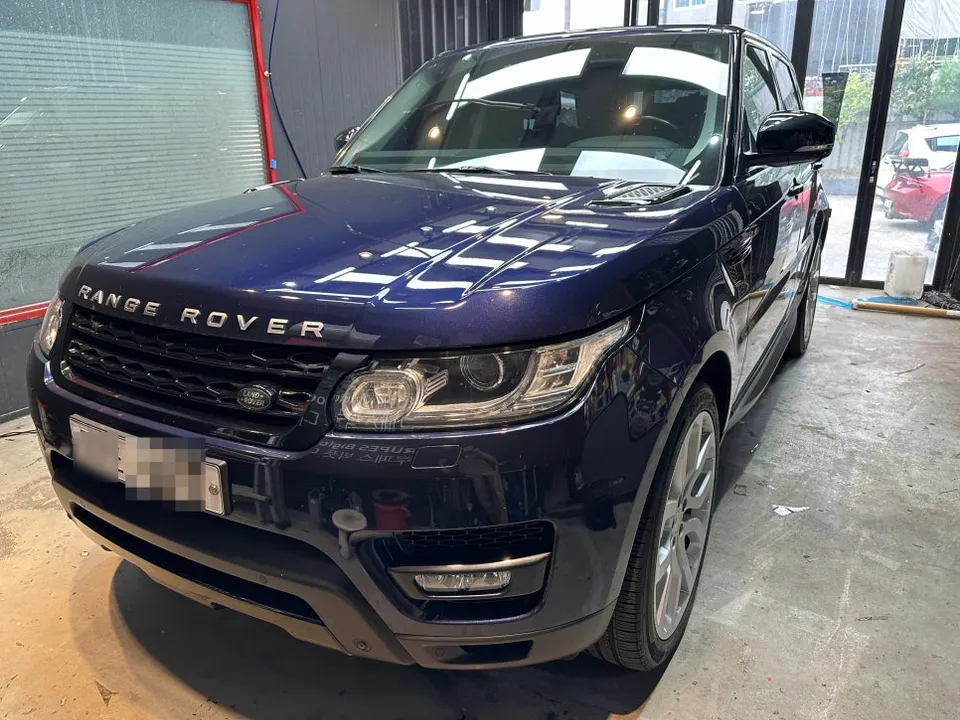
This review details a challenging Paint Protection Film (PPF) removal from a Land Rover Range Rover Sport, originally installed approximately nine years ago. The vehicle, serviced at 'Today's Car' in Incheon, South Korea, presented a dire situation where the PPF had degraded significantly, leading to a complex and lengthy removal process. While PPF is designed to protect your vehicle's paint, this case highlights the potential risks associated with aged or poorly applied film, especially when it comes time for removal.
The Challenges of Removing Aged PPF
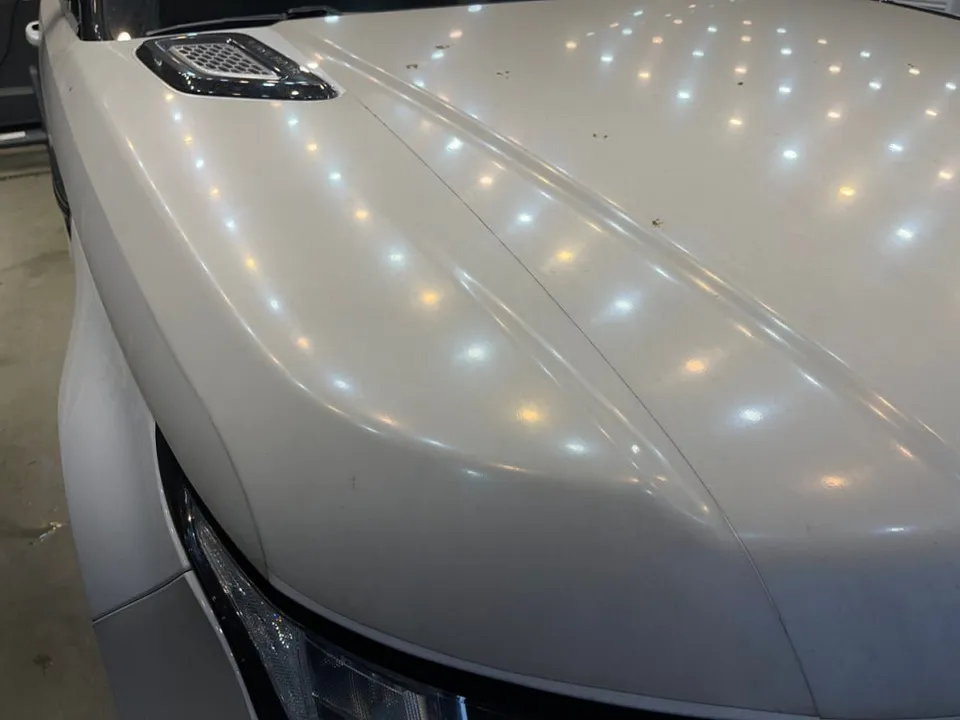
The Land Rover Range Rover Sport in question had PPF applied at the time of its purchase nine years prior. Typically, PPF can degrade over time, showing signs of yellowing or a loss of gloss. However, on this particular vehicle, the top coating had vanished, leaving the film dull and in very poor condition. Compounding the issue was the quality of the original installation. During Korea's early stages of PPF application, technical limitations may have existed, but this installation appeared to be poorly executed, resembling hand-cutting rather than precise pre-cut patterns, with visible seams and multiple pieces used on the hood.
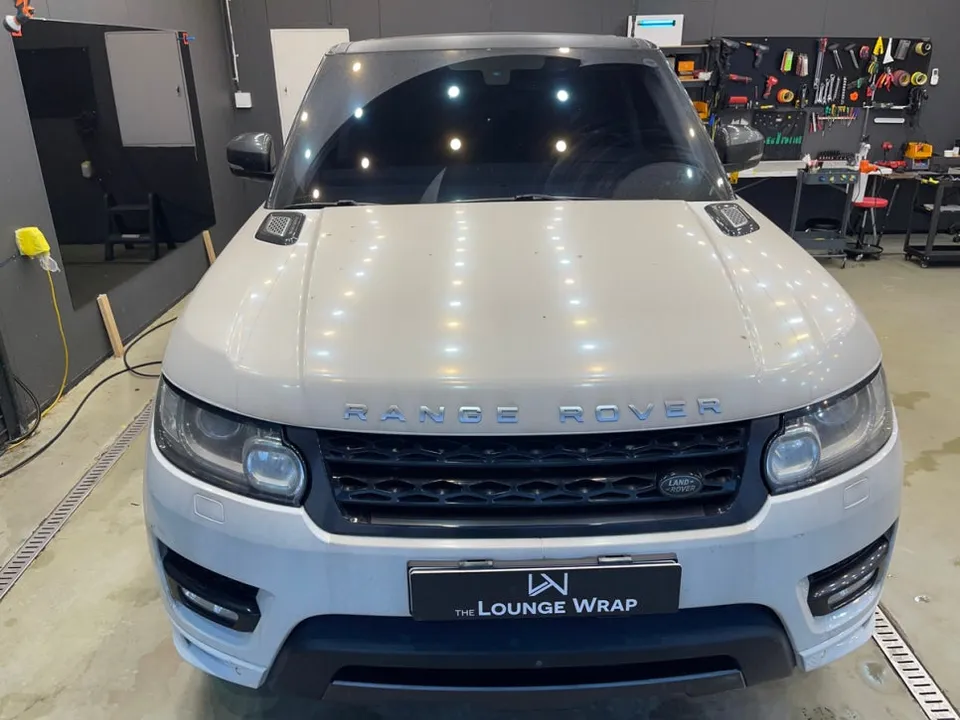
Unexpected Problems During Film Removal
The removal process proved to be far more difficult than anticipated. The film's age contributed to its fragility, breaking into small, one-centimeter pieces as it was removed, much like old wrapping film. The most significant problem was the adhesive layer that remained firmly attached to the paintwork after the film itself was gone. While some adhesive residue is normal with aged PPF, the extent of the bonding on this Range Rover Sport was extreme. The rear fender area was relatively easier, but other sections, particularly the doors and hood, presented substantial challenges. Upon closer inspection, it appeared that a mixture of different, unidentified, and likely low-quality PPF brands had been used, a fact not apparent until the removal stage.
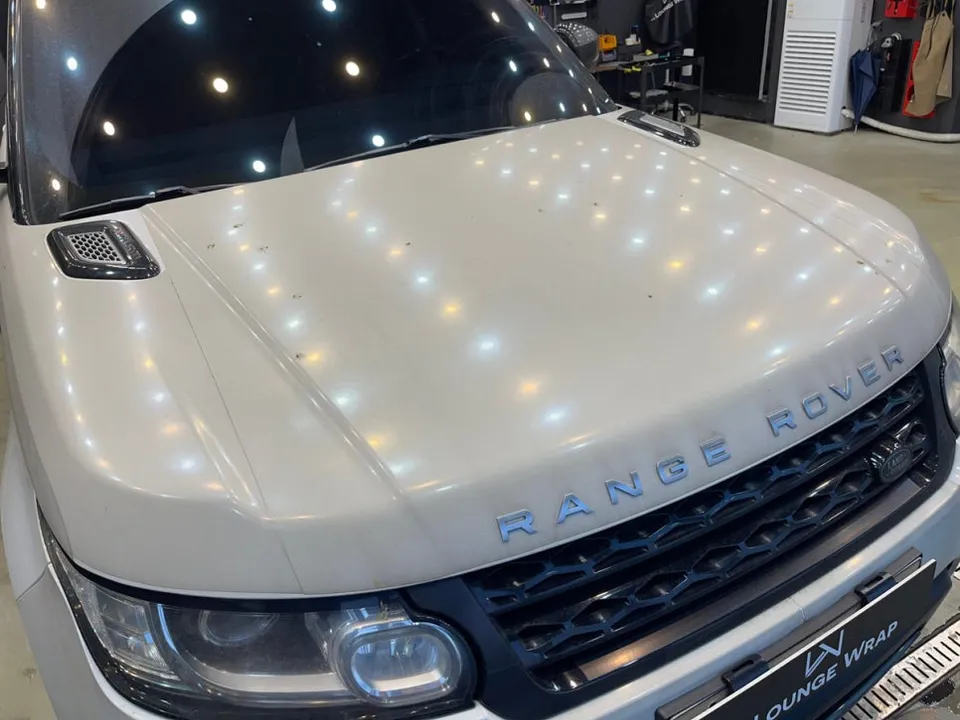
A 7-Day Battle: The PPF Removal Process
The PPF removal from this Land Rover Range Rover Sport became an arduous, 7-day undertaking. Using hot water and steam, removing the film from a single door took over six hours, with all four doors requiring three full days. The hood was the most problematic area, with the film and adhesive layer fused together, demanding an additional two days solely for removal. The technicians resorted to using chemical solvents to break down the adhesive, followed by careful scraping with tools. This extensive process, including the meticulous removal of adhesive residue, highlights the potential hidden costs and labor involved when aged or poorly installed PPF needs to be addressed. The estimated cost for this removal alone exceeded 1 million Korean Won (approximately $750+ USD, depending on the exchange rate), underscoring the severity of the situation.
Installation Process:
- Surface Cleaning: Thoroughly wash and decontaminate the vehicle's paint to remove all dirt and debris.
- Film Application: Carefully apply the PPF panels, ensuring proper alignment and coverage, especially around edges and curves.
- Adhesive Activation: Use specialized tools and solutions to activate the film's adhesive and ensure a smooth, bubble-free bond.
- Edge Sealing: Tuck and seal all edges meticulously to prevent lifting and ensure a clean finish.
- Curing: Allow the film to cure completely, which can take several days depending on environmental conditions.
This review serves as a cautionary tale. While PPF offers excellent protection, choosing a reputable installer and high-quality film is crucial. The long-term consequences of poor installation and material choice can lead to significantly higher costs and potential damage when the film eventually needs removal.
Frequently Asked Questions
Q. How much does PPF cost for a Land Rover Range Rover Sport?
The removal of aged PPF on this Land Rover Range Rover Sport cost over 1 million Korean Won. Typical US pricing for a full front-end PPF application on a Range Rover Sport can range from $750 to $1,500 or more, depending on coverage and film quality.
Q. How long does PPF last on a Land Rover Range Rover Sport?
High-quality PPF can last 5-10 years or longer with proper care and maintenance. Regular washing and avoiding harsh chemicals will help extend its lifespan and maintain its appearance.
Q. Is PPF worth it for a Land Rover Range Rover Sport?
PPF is highly recommended for luxury SUVs like the Range Rover Sport to protect against rock chips, scratches, and environmental damage. It's particularly valuable for owners who prioritize maintaining a pristine finish and resale value.
Q. How is PPF installed on a Land Rover Range Rover Sport?
Installation involves meticulously cleaning the vehicle's paint, precisely cutting the film (often using pre-cut patterns), applying it to the surface with a squeegee to remove air bubbles and activate the adhesive, and finally sealing the edges for a seamless finish.
Q. What is the difference between PPF and ceramic coating for a Land Rover Range Rover Sport?
PPF provides a physical barrier against impact damage like rock chips and scratches, while ceramic coating offers a hydrophobic layer that enhances gloss and makes cleaning easier but provides minimal impact protection. Many owners opt for PPF on high-impact areas and ceramic coating over the entire vehicle for comprehensive protection.
OhCar Partner Shop
More ppf Reviews
See all →
More Land Rover Reviews

Pair with Another Service
Add hydrophobic protection on top of PPF
Complete your new car protection package