Mercedes-Benz A-Class Seat Climate Upgrade Review
Service Price
$40–80
Estimated price · Actual price may vary by shop
Before

After
Process photos
Mercedes-Benz A-Class seat climate upgrade: ~$230+ (300,000 KRW+). Adds ventilated & heated seats, rear vents for enhanced comfort.
Upgrade Your Mercedes-Benz A-Class with Seat Ventilation & Heating
Comfort in your vehicle extends beyond just the drive; it's crucial for all occupants. Especially during scorching summers, standard air conditioning can struggle to cool down hot seats, and in winter, rear passengers often bear the brunt of the cold. To combat these issues, one Mercedes-Benz A-Class (25MY facelift) owner decided to enhance their vehicle's comfort with a seat climate upgrade, including ventilated seats, rear air vents, and heated seats. Let's dive into the installation process and the results.

Detailed Seat Climate Upgrade Specifications
Vehicle: Mercedes-Benz A-Class (25MY Facelift) Services Performed: High-class ventilated seats, installation of genuine Mercedes-Benz rear air vents, and heated rear seats. Installation Details: Four ventilation fans (two for the seat base, two for the backrest) were installed per seat. Genuine rear air vents were integrated into the center console, and heating pads were fitted to the rear seats. Affected Areas: Driver's seat, front passenger seat, and rear seats. Installation Location: Performed at the "Today's Car" Gangdong branch in South Korea. Estimated Installation Time: Approximately 7 hours.

Ventilated Seats: A Summer Essential, Cooler Than Stock
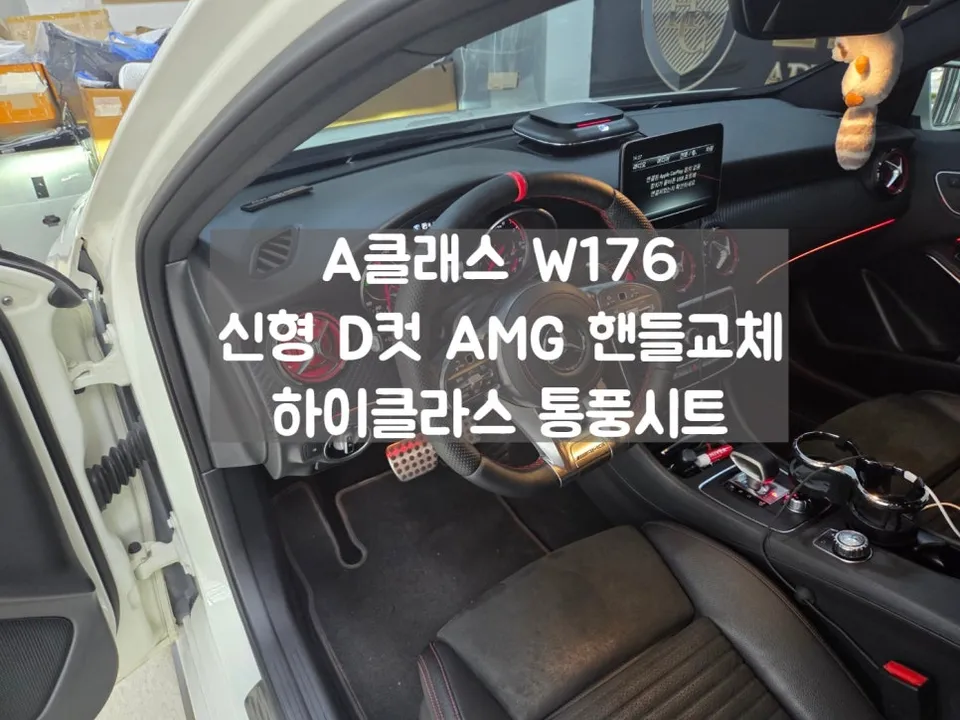
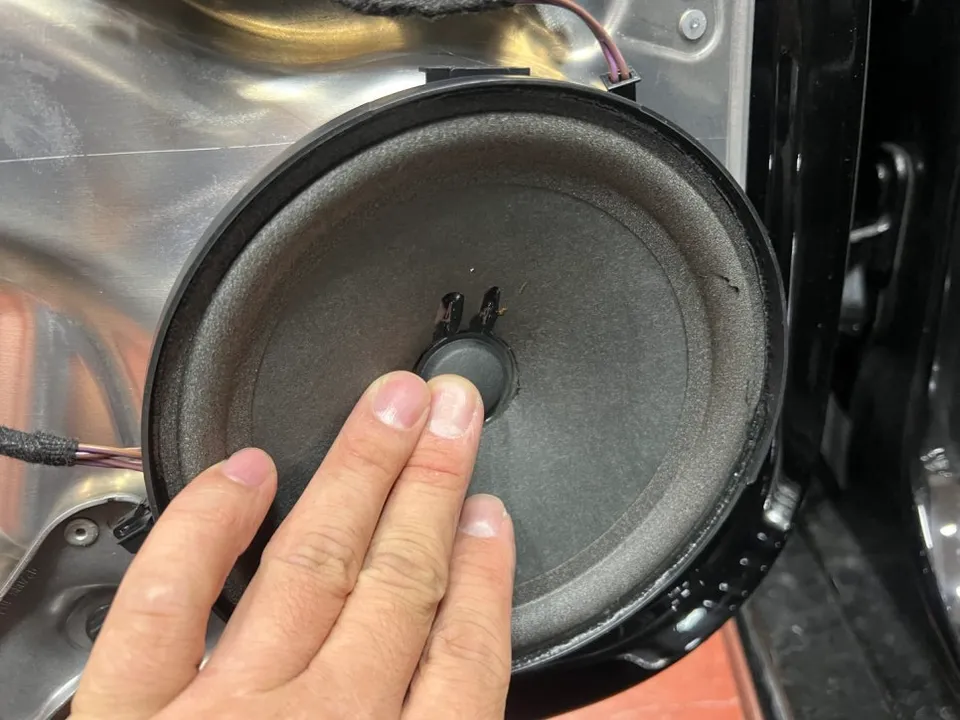
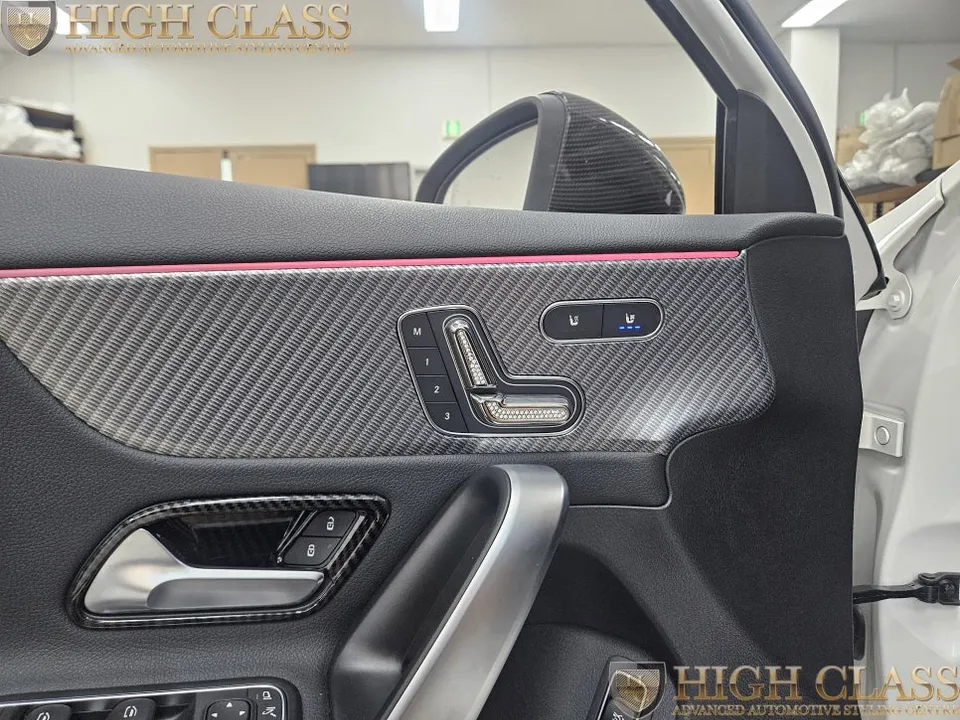
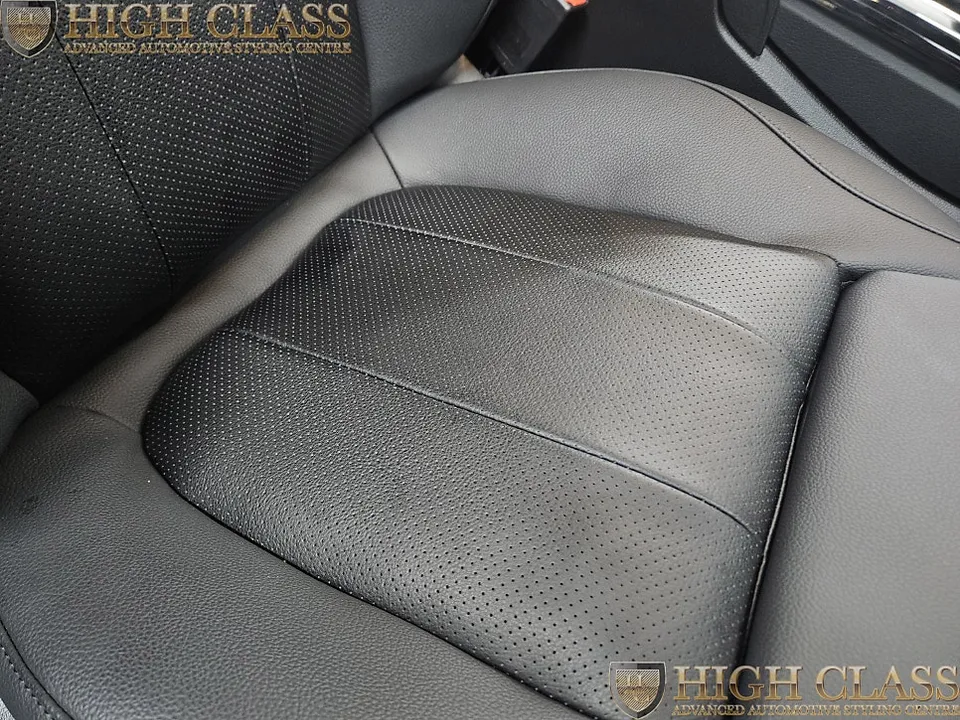
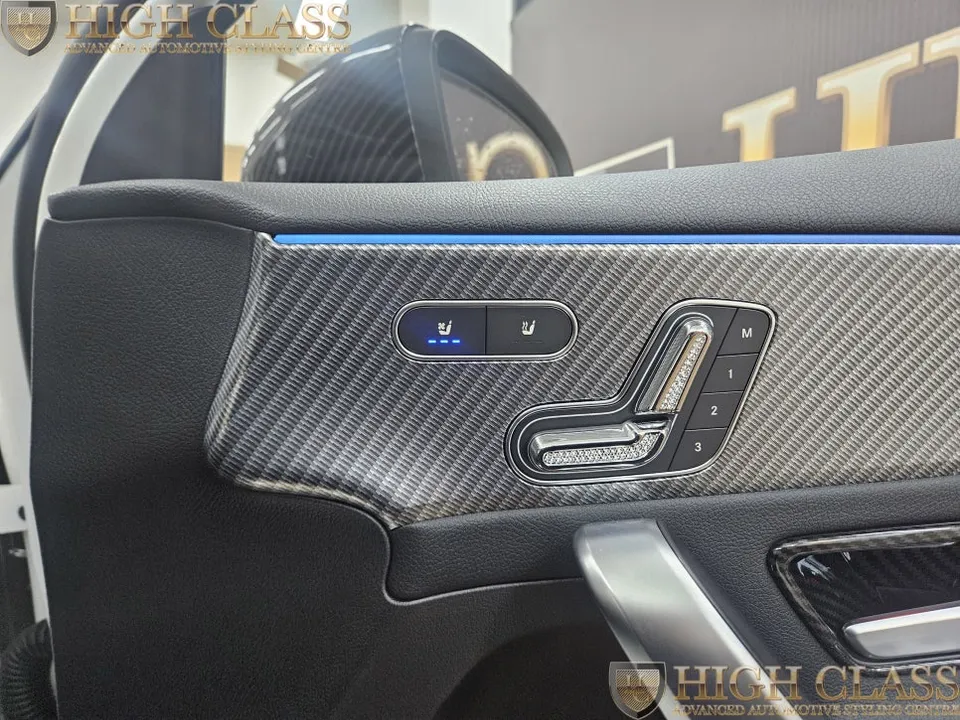
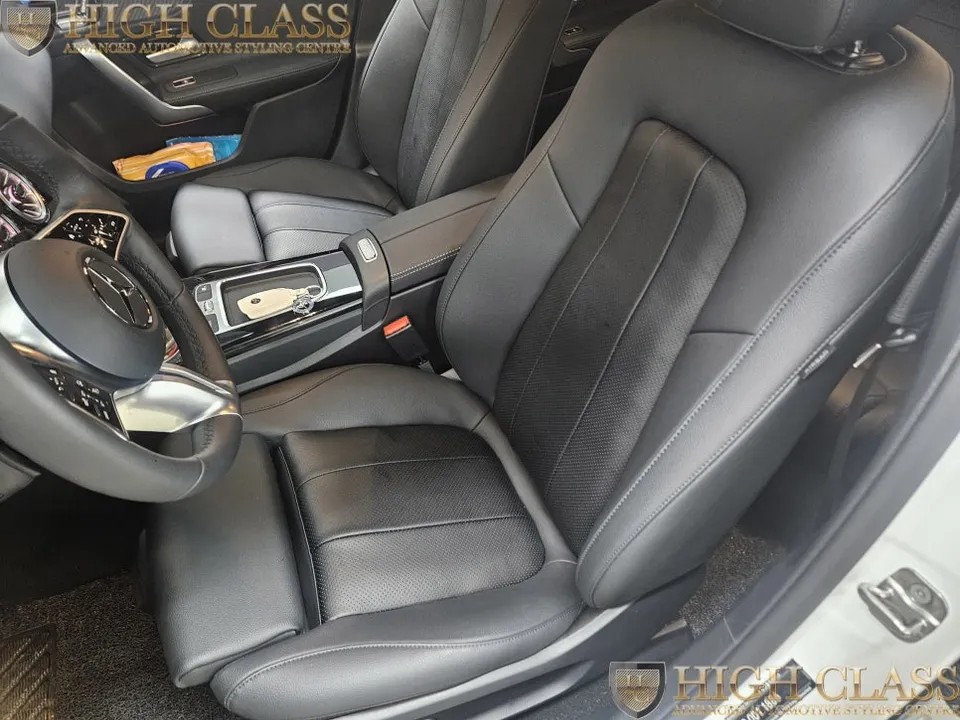
Before the upgrade, the original heating buttons on the Mercedes-Benz A-Class lacked any indication for ventilation. This installation replaced them with genuine Mercedes-Benz ventilation buttons, offering a clean, factory-like appearance and intuitive operation. The High-Class ventilation fans used are manufactured in Korea and feature four fans per seat (two for the lower cushion, two for the backrest). Additional fans can be installed for those who experience extreme heat. The process includes precise perforation of the seat upholstery to ensure optimal airflow. Unlike some systems, the High-Class ventilation directly expels air, providing a noticeably cooler sensation than many OEM ventilated seats. Furthermore, it integrates with the vehicle's CAN communication system, allowing the fan speed to automatically adjust based on the ambient temperature, delivering a sophisticated, near-OEM experience.
[IMAGE_1]
Rear Air Vents: Enhancing Rear Passenger Comfort
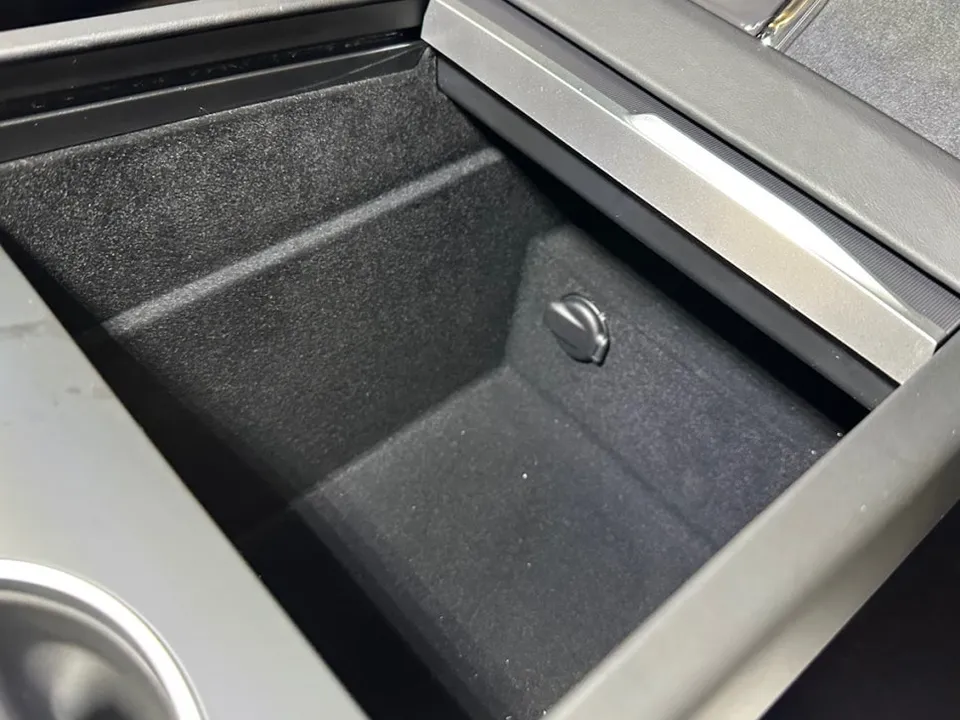
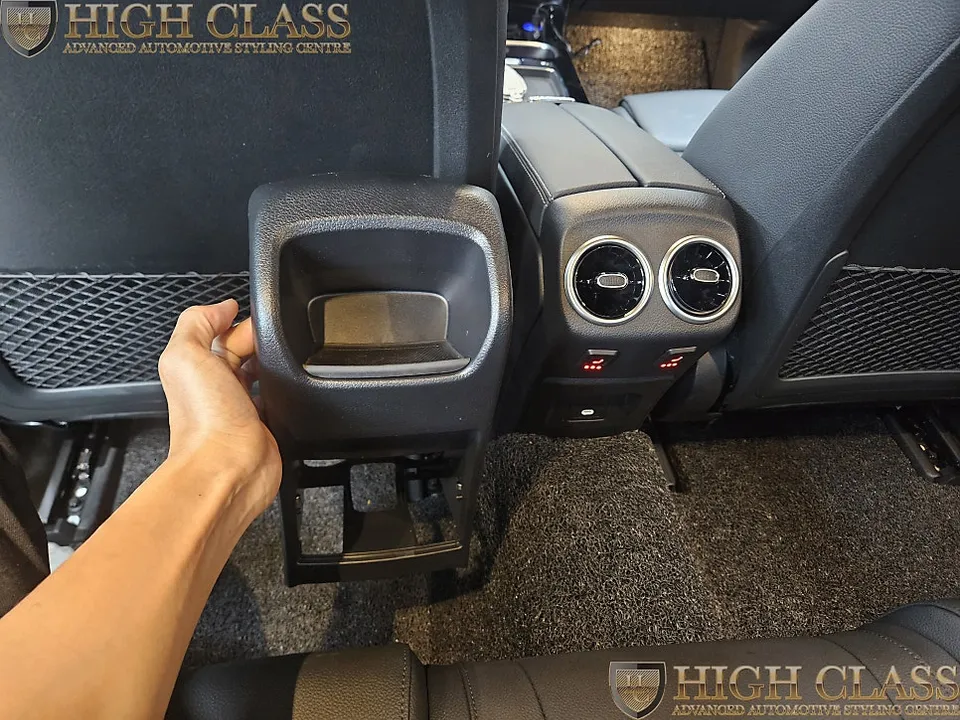
While many assume the Mercedes-Benz A-Class lacks rear air vents, genuine parts can be retrofitted. This installation seamlessly integrated genuine rear air vents into the center console. This upgrade ensures that rear passengers, including children, receive direct airflow, making long journeys significantly more comfortable during hot weather. The aim was to eliminate the airflow dead zones that often affect rear occupants.
[IMAGE_2]
Heated Rear Seats: Adding Warmth for Winter
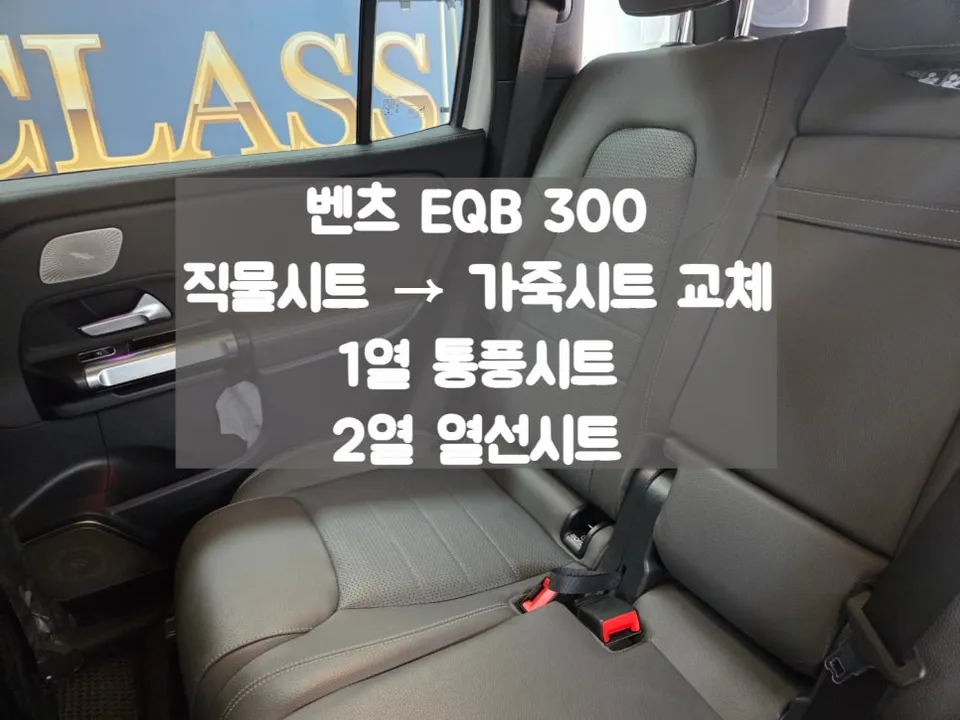
While rear air vents improve air circulation, they don't directly warm the seats. For families with children, heated rear seats are a winter necessity. This upgrade included fitting heating pads discreetly within the rear seats, ensuring warmth reaches passengers directly. The installation process for the ventilated and heated seats involves several key steps to ensure optimal performance and a factory-like finish.
Installation Process:
- Seat Disassembly: The vehicle's seats are carefully disassembled to access the internal structures.
- Component Integration: Ventilation fans and heating pads are strategically placed within the seat cushions and backrests.
- Wiring and Control Integration: Electrical connections are made, integrating new controls with the vehicle's existing systems, often using CAN communication for smart features.
- Upholstery Work: For ventilation, precise perforations are made in the seat fabric to allow airflow.
- Reassembly and Testing: Seats are reassembled, and all functions (ventilation, heating, automatic adjustments) are thoroughly tested.
The entire process, from disassembly to final testing, took approximately 7 hours. The result is a significantly enhanced interior climate control system for the Mercedes-Benz A-Class, providing superior comfort in both hot and cold weather conditions.
Frequently Asked Questions
Q. How much does ventilated seat installation cost for a Mercedes-Benz A-Class?
In South Korea, this specific upgrade started around 300,000 KRW (approximately $230 USD). Typical US installation costs for ventilated seats can range from $400 to $800 or more, depending on the vehicle and system complexity.
Q. How long does seat ventilation installation take on a Mercedes-Benz A-Class?
This comprehensive seat climate upgrade, including ventilation, heating, and rear vents, took approximately 7 hours to complete. With proper care, these aftermarket systems are designed for durability, and regular cleaning of the seat surfaces can help maintain optimal performance.
Q. Are aftermarket ventilated seats worth it for a Mercedes-Benz A-Class?
For drivers and passengers who frequently experience extreme temperatures or spend long hours in the car, aftermarket ventilated and heated seats can significantly improve comfort and are often considered a worthwhile investment. They provide a level of climate control that can surpass even some factory options, especially with advanced aftermarket systems.
Q. How are ventilated seats installed in a Mercedes-Benz A-Class?
Installation involves disassembling the seats to integrate multiple ventilation fans within the seat base and backrest. Wiring is connected to the vehicle's power and control systems, often mimicking OEM functionality. Finally, the seat upholstery is precisely perforated to allow airflow, and the seats are reassembled and tested.
Q. What is the difference between OEM and aftermarket ventilated seats for a Mercedes-Benz A-Class?
Aftermarket systems, like the High-Class fans used here, often provide stronger airflow and can be more customizable than OEM options, sometimes exceeding factory performance. While OEM integration is seamless, quality aftermarket installations offer comparable or superior cooling and heating functions with modern features like automatic fan speed adjustment.
OhCar Partner Shop