Mercedes-Benz C-Class OEM Options Review — Cost & Results
Service Price
$approx. $400–800
Estimated price · Actual price may vary by shop
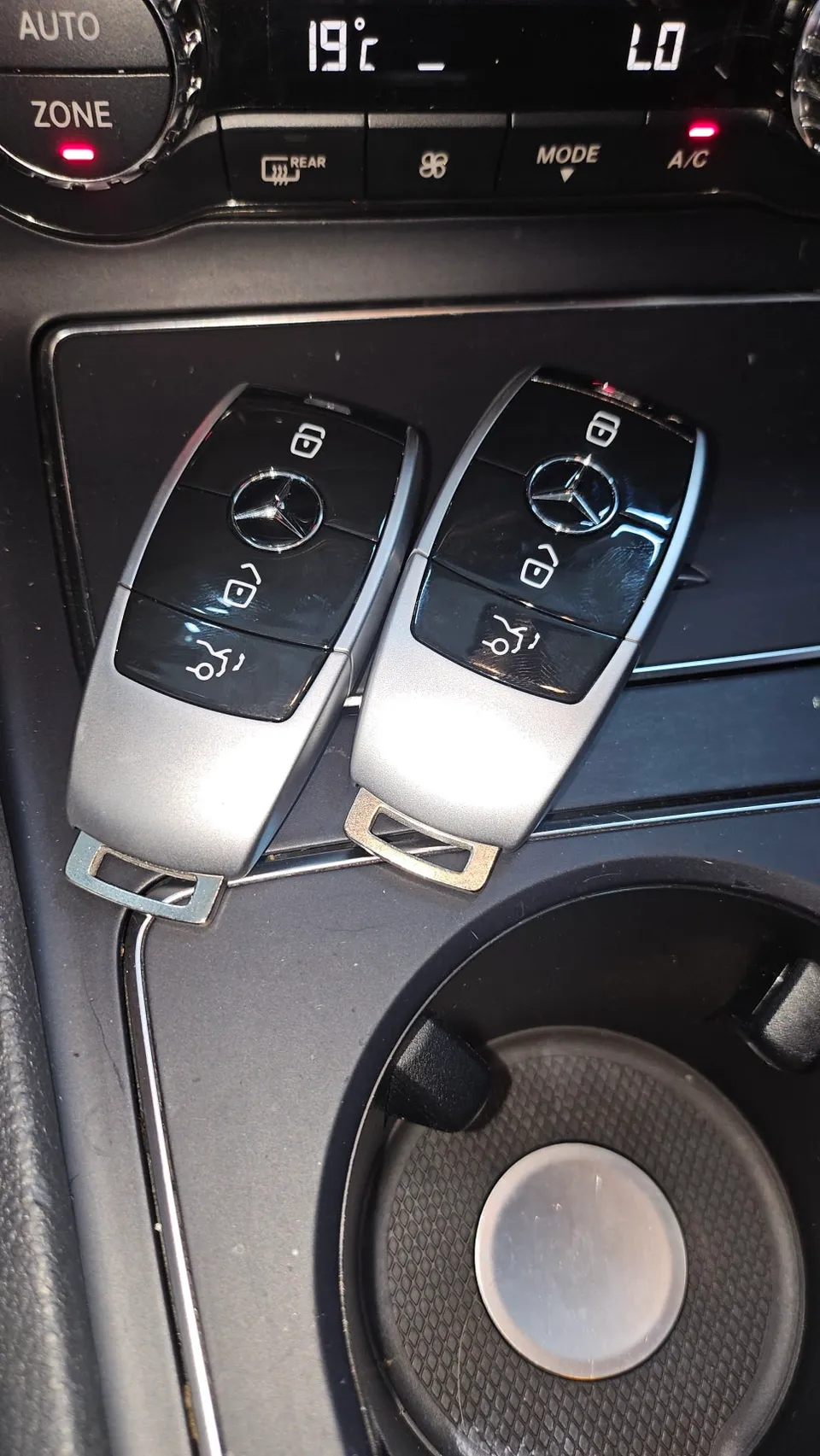
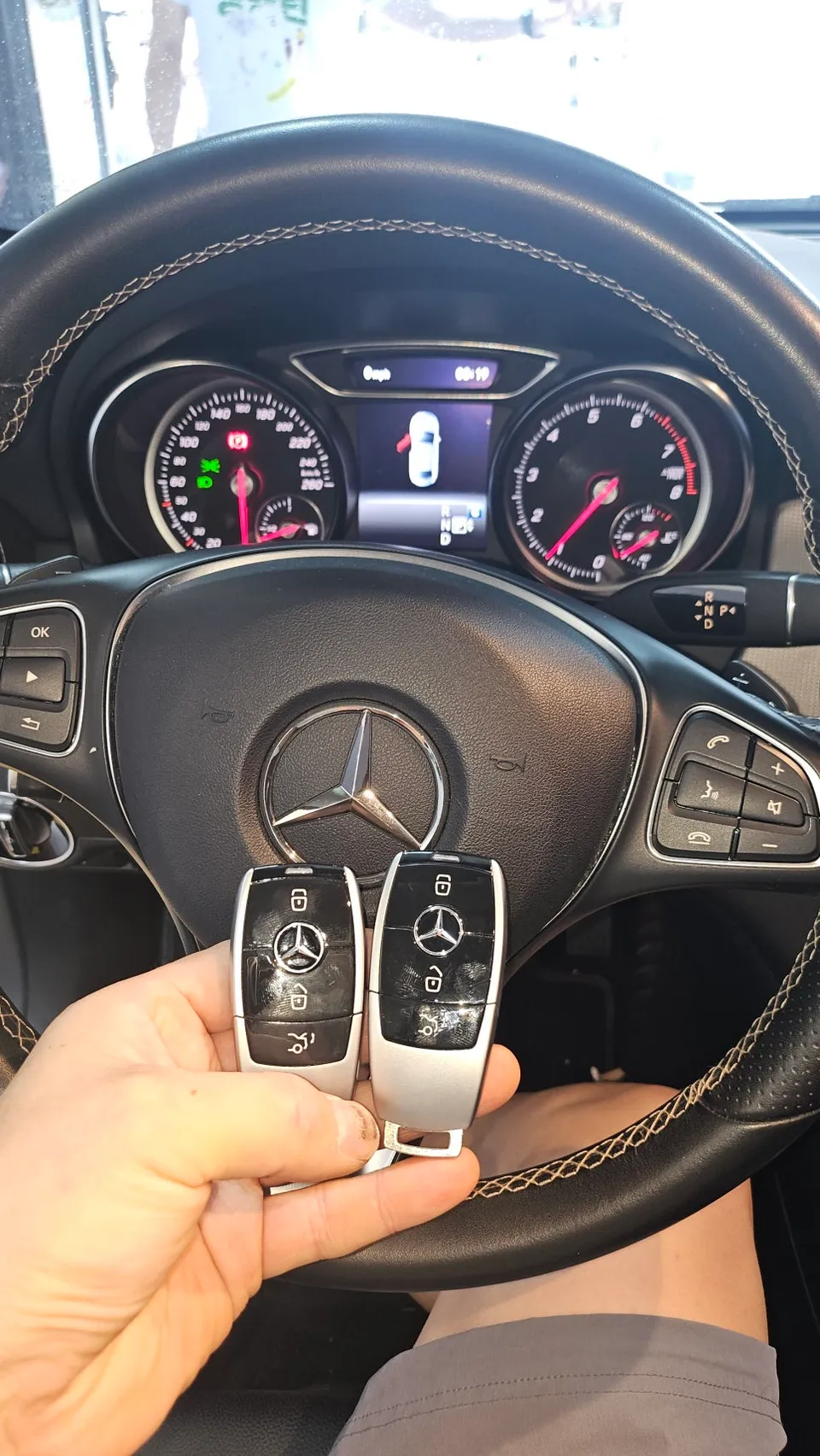
Mercedes-Benz C-Class ELV/EIS repair: approx. $230-$460 USD. Solves no-start issues in 3-4 hours on-site.
Understanding Mercedes-Benz C-Class No-Start Issues: The ELV/EIS Problem
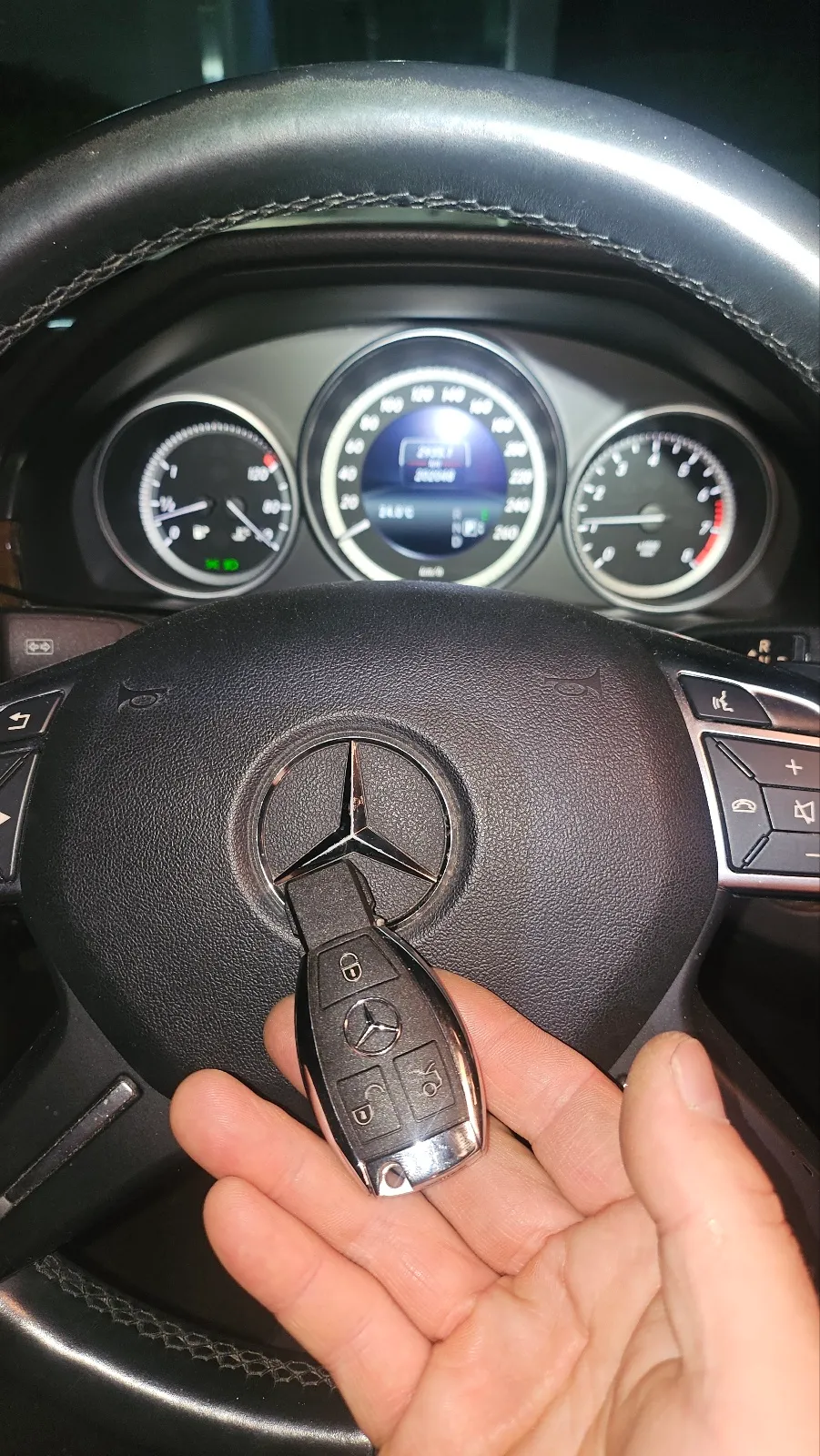
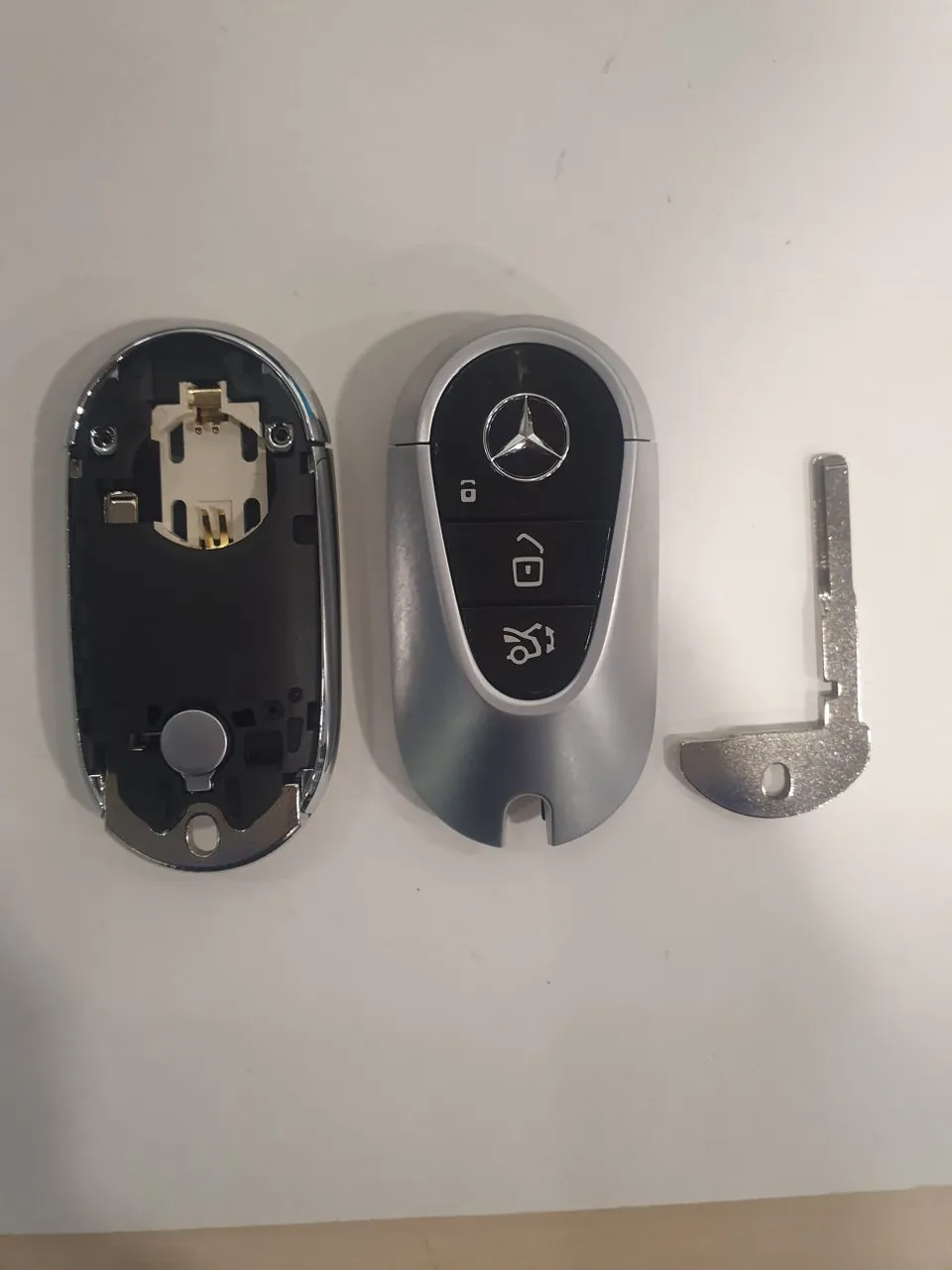
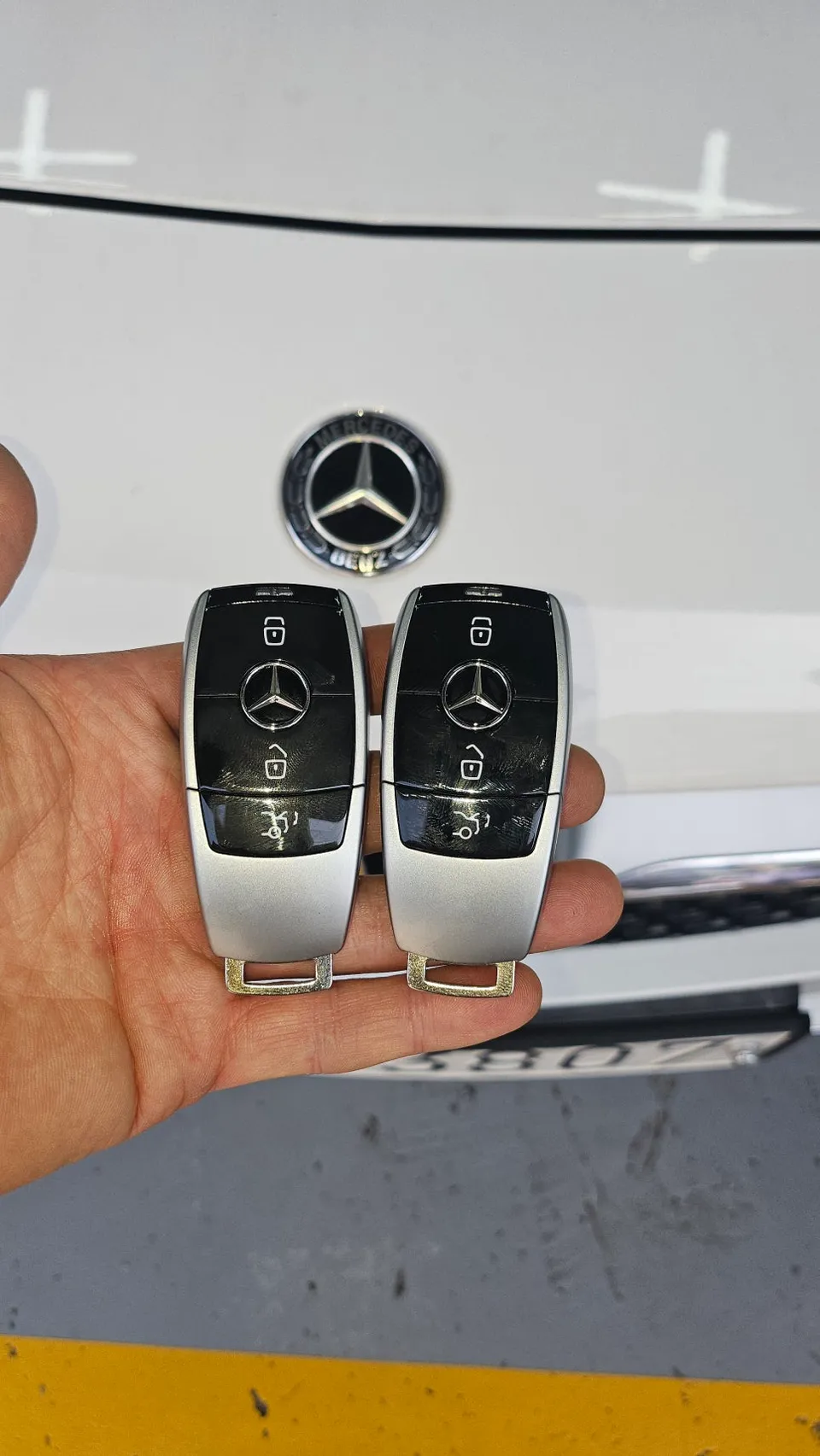
Suddenly finding your Mercedes-Benz C-Class won't start can be a frustrating experience, especially with its complex electronic systems. Many owners face a no-start situation due to a failure in the Electronic Steering Lock (ELV) or Electronic Ignition Switch (EIS) modules. This isn't a simple battery issue; it's a common, complex problem that can leave your vehicle completely immobilized. In a recent case involving a 2009 Mercedes-Benz C200, the owner experienced a complete lack of response when turning the key, with no dashboard lights illuminating. While the remote lock/unlock functions worked, the ignition system was dead. The root cause was a dual failure: a faulty circuit within the EIS module preventing key recognition and a malfunctioning ELV module that failed to release the steering lock. This combination effectively shut down the car's entire electrical system, preventing any attempt to start the engine.
It's crucial to understand that the EIS and ELV modules are integral to the C-Class's starting sequence. The EIS acts as the car's brain, recognizing the key and enabling power, while the ELV is a security feature that locks the steering wheel when the car is off. When either fails, especially in the 2000s era C-Class and E-Class models, it's a known recurring issue. Many owners mistakenly assume it's a simpler problem like a dead battery or starter motor, leading to unnecessary expenses and time wasted on incorrect diagnostics. This detailed review focuses on the real cause, the repair process, and the associated OEM options cost for resolving this specific C-Class problem.
On-Site Repair: Swift Solutions for ELV/EIS Failures
Traditional repair methods for ELV/EIS module failures often involve towing the vehicle to a dealership or specialized shop, ordering parts, and extensive coding, which can take days or even weeks. However, specialized mobile services offer a more efficient solution. In the case of the Mercedes-Benz C200, a mobile service team was dispatched directly to the vehicle's location. Using advanced diagnostic equipment, they accurately identified the EIS and ELV module faults. The repair process involved either fixing the existing modules or replacing them, followed by crucial security registration and system synchronization. This on-site approach significantly reduces downtime. The entire procedure, from arrival to completion, typically takes around 3 to 4 hours. Post-repair, the vehicle's dashboard illuminated correctly, the steering lock disengaged, and the engine started without issue, restoring full functionality.
Installation process:
- Diagnostic Assessment: Technicians use specialized tools to pinpoint the exact cause of the no-start issue, confirming ELV and/or EIS module failure.
- Module Repair or Replacement: Based on the diagnosis, the faulty EIS or ELV module is either repaired or replaced with a compatible unit.
- Programming and Synchronization: New or repaired modules are programmed to the vehicle's specific configuration, and all related systems are synchronized.
- Functional Testing: A comprehensive test is performed to ensure the key is recognized, the steering lock releases, and the engine starts correctly.
This method ensures that the complex electronic interdependencies within the Mercedes-Benz C-Class are properly addressed, providing a reliable fix without the lengthy wait associated with traditional workshop repairs.
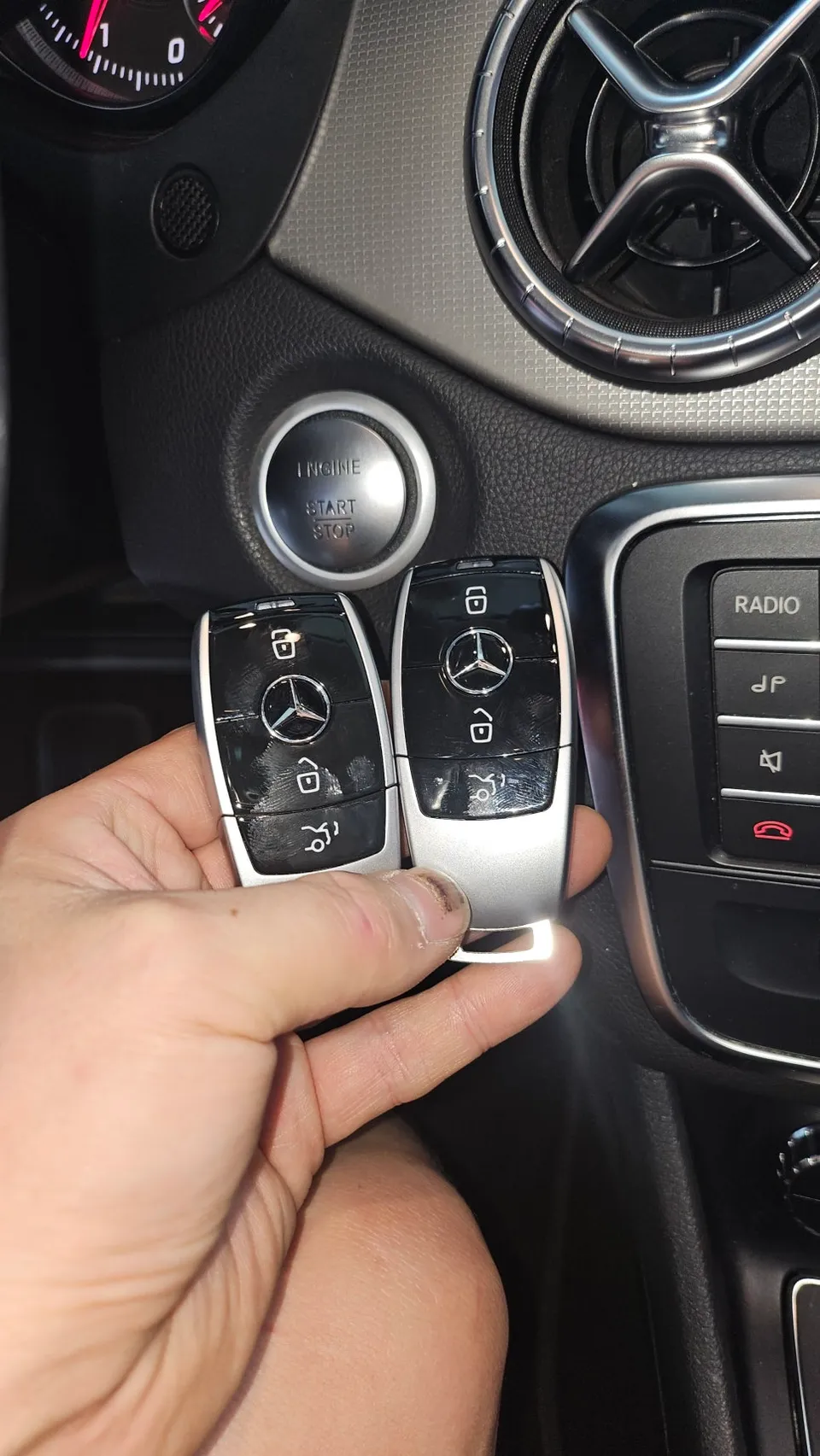
Is Fixing ELV/EIS Failures Worth It for Your C-Class?
The decision to repair an ELV/EIS module failure on a Mercedes-Benz C-Class hinges on several factors, including the vehicle's overall condition and your long-term plans for it. The cost for this specific repair, as seen in the Korean market example, ranges from approximately 300,000 to 600,000 KRW (roughly $230 to $460 USD). This price point is significantly less than the potential cost of replacing the entire ignition system or facing a prolonged period without your vehicle. For owners of older C-Class models (particularly those from the mid-2000s) where ELV issues are common, addressing the problem proactively or promptly when it arises is often the most cost-effective solution. The repair restores the vehicle's primary function – starting – and maintains its usability. While the initial cost might seem substantial, it's a necessary investment to keep your Mercedes-Benz operational. Considering the alternative of purchasing a new vehicle or facing extensive, unpredictable repair bills, investing in the ELV/EIS repair is generally a worthwhile decision for maintaining the value and drivability of your C-Class.
Frequently Asked Questions
Q. How much does OEM option and factory upgrade installation cost for a Mercedes-Benz C-Class?
Repairing the ELV/EIS modules on a Mercedes-Benz C-Class costs approximately 300,000-600,000 KRW (around $230-$460 USD) in Korea. Typical US costs can range from $500 to $1500 depending on the specific modules and labor rates.
Q. How long does OEM options installation take on a Mercedes-Benz C-Class?
The ELV/EIS module repair and synchronization process for a Mercedes-Benz C-Class typically takes about 3 to 4 hours when performed on-site. Proper maintenance involves ensuring all diagnostic checks are completed after the repair to guarantee long-term reliability.
Q. Are OEM options worth adding after purchase for a Mercedes-Benz C-Class?
Repairing critical components like the ELV/EIS modules is generally worth it for a Mercedes-Benz C-Class, especially for older models where these are common failure points. It restores essential functionality at a cost significantly lower than replacing the vehicle.
Q. How are OEM factory options installed on a Mercedes-Benz C-Class?
For ELV/EIS module issues, the process involves 1. On-site diagnostic assessment to identify the fault. 2. Repair or replacement of the faulty EIS or ELV module. 3. Programming the new or repaired module to the car's system and synchronizing related components. 4. Final testing to confirm the vehicle starts and operates correctly.
Q. What is the difference between dealer-installed options and aftermarket upgrades for a Mercedes-Benz C-Class?
This situation involves repairing critical OEM (Original Equipment Manufacturer) components, not adding new options. Dealer repairs typically involve replacing entire modules with new OEM parts, while specialized independent shops may offer module repair services, often at a lower cost.
OhCar Partner Shop