Mercedes-Benz EQB Seat Climate Upgrade Review
Service Price
$115–150
Estimated price · Actual price may vary by shop
Before
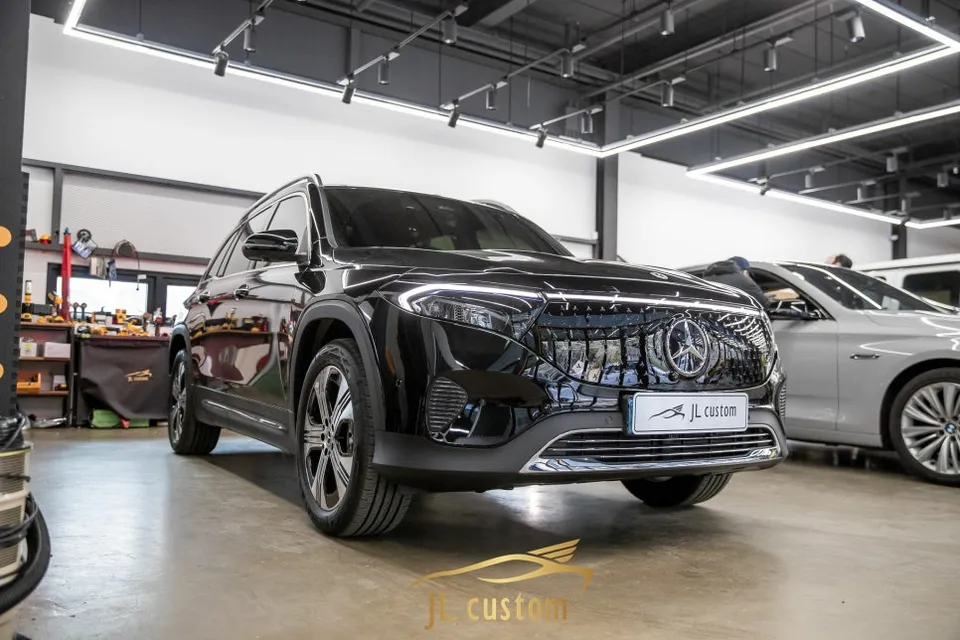
After
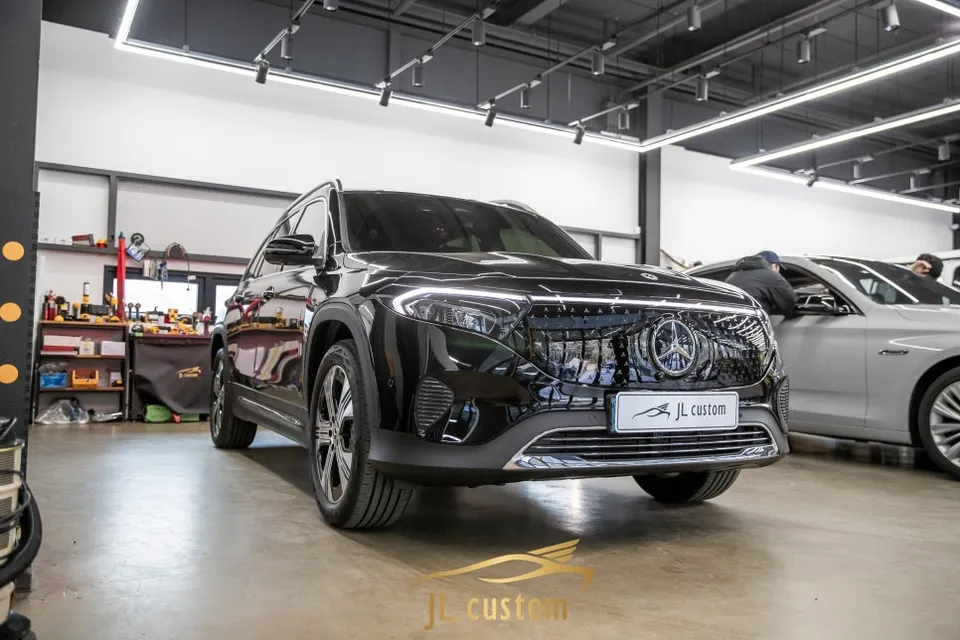
Process photos
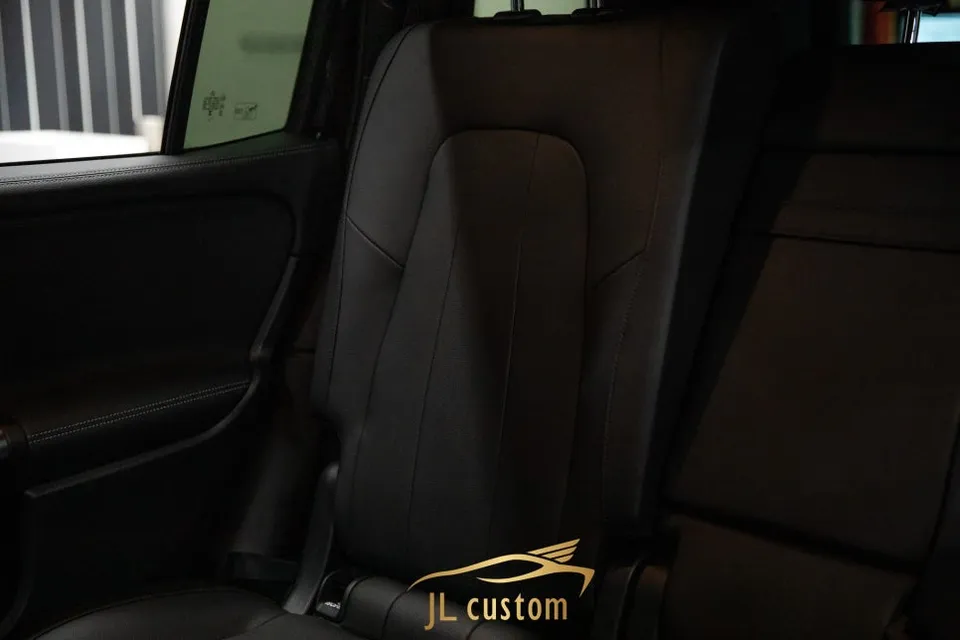
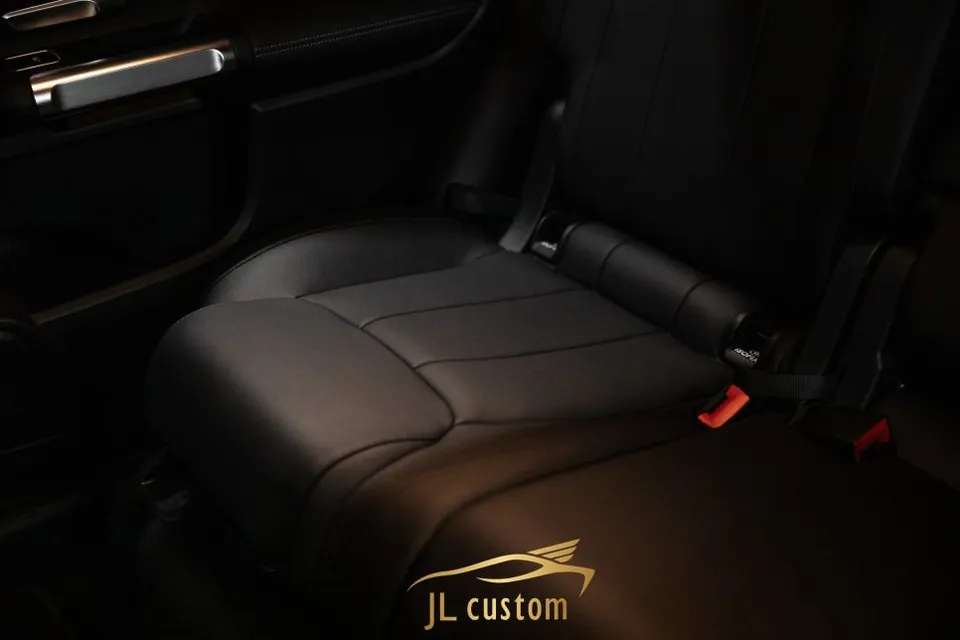
Mercedes-Benz EQB seat heating retrofit: Approx. $750-$1350 USD. Provides rapid, cozy warmth to rear seats.
Enhancing Your Mercedes-Benz EQB with Seat Ventilation and Heating
For many Mercedes-Benz EQB owners, especially those in regions with varying climates, the desire for enhanced interior comfort is paramount. While the EQB offers a premium driving experience, the absence of factory-installed seat ventilation and heating in the rear can be a notable drawback, particularly during colder months. This review delves into the process, benefits, and considerations of retrofitting seat ventilation and heating systems into your Mercedes-Benz EQB, transforming your rear seating area into a haven of comfort.
The primary motivation behind this upgrade is to combat the discomfort of cold rear seats during winter. Premium leather seats, while luxurious, can become uncomfortably frigid when temperatures drop. A seat climate upgrade directly addresses this issue, ensuring all passengers enjoy a consistently pleasant environment. In Korea, where this service is commonly sought, inquiries about rear seat heating are frequent, highlighting its transition from a luxury option to a practical necessity for family comfort.
The Seat Climate Upgrade Installation Process
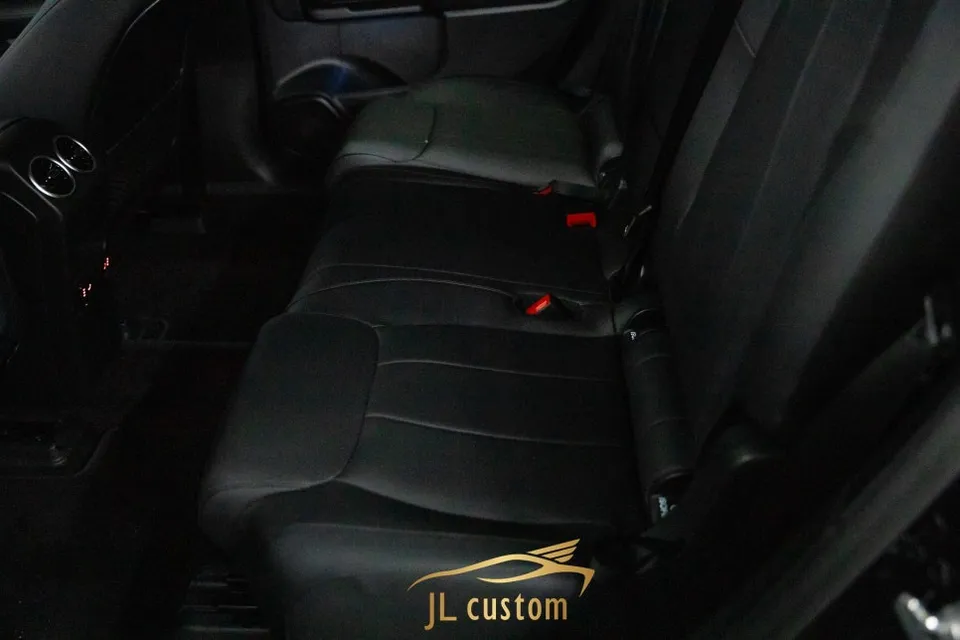
A common concern regarding seat climate retrofits is the invasive nature of the installation. The process for the Mercedes-Benz EQB involves the careful removal of the rear seat upholstery. Specialists with extensive experience in seat modification meticulously insert thin heating pads between the seat's internal structure and the leather or fabric surface. This is performed with precision to avoid any damage to the seat materials. To ensure a perfect restoration, technicians document each connection point during disassembly, allowing for an exact reassembly to the original factory condition.
Installation process:
- Complete removal of rear seat sections.
- Precise insertion of thin heating elements between seat padding and upholstery.
- Careful reassembly of seat components, ensuring all original clips and fasteners are secured.
- Installation of control switches, typically near the rear air vents, for seamless integration.
The integration of the control switches is designed to be flush and unobtrusive, maintaining the vehicle's aesthetic. These switches usually offer multiple temperature settings, allowing occupants to customize their comfort level. Safety features, such as automatic shut-off when the ignition is turned off, are standard, providing peace of mind, especially for families with children.
Safety and Performance: Beyond Basic Heating
Safety is a critical aspect of any electrical system retrofit. The heating pads used in these installations are typically sourced from manufacturers with domestic certifications, ensuring they meet stringent safety standards. Crucially, these pads are equipped with overheat protection, automatically cutting power if the temperature exceeds a safe threshold. This feature is vital for preventing discomfort and potential hazards.
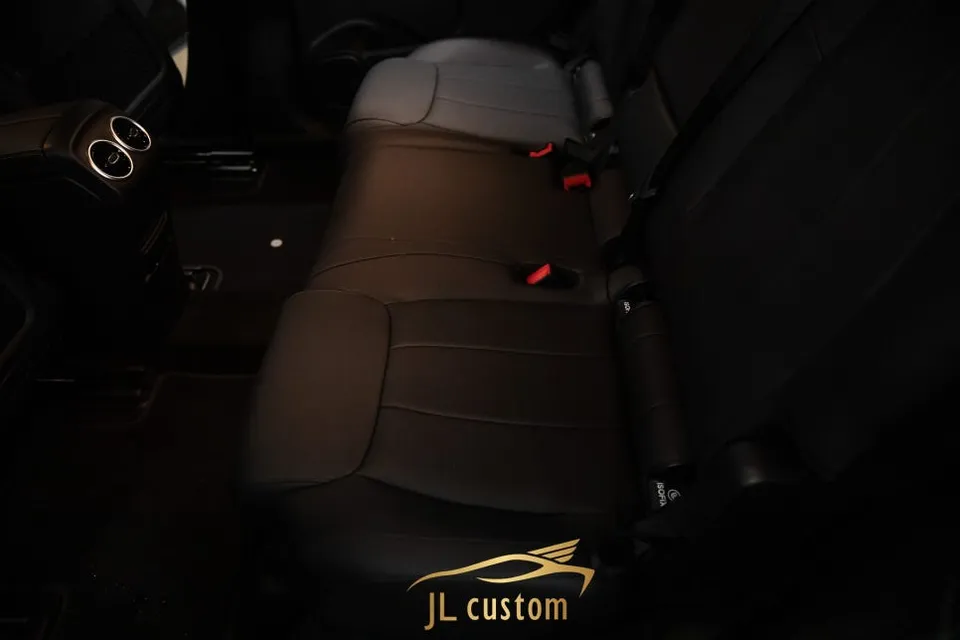
The heating elements are strategically placed to cover both the seat base and the backrest, ensuring even heat distribution. This direct application of warmth provides a rapid and cozy heating experience, distinct from the slower, ambient heating provided by the vehicle's main climate control system. Unlike traditional heaters that can dry out the cabin air, seat heating warms the occupants directly, offering immediate comfort without compromising cabin humidity. This direct heating method is particularly appreciated on long journeys, significantly enhancing the overall travel experience for rear passengers and reducing potential complaints for the driver.
Cost, Durability, and Decision Making
The cost for a Mercedes-Benz EQB seat ventilation and heating retrofit in Korea typically ranges from 1,000,000 to 1,800,000 KRW (approximately $750 - $1350 USD, subject to exchange rates). This price encompasses the seat disassembly, heating pad installation, wiring, and control unit integration. The total installation time usually spans 6 to 8 hours, with same-day completion and delivery being common.
When considering the value, it's important to weigh the cost against the enhanced comfort and usability of the rear seats, especially during colder months. The durability of these systems is generally high, provided quality components and professional installation are used. Maintenance typically involves ensuring the heating elements are not punctured or damaged during cleaning or use. The thin, flexible nature of the pads means they are virtually undetectable once installed, offering a factory-like appearance and feel. For owners who frequently carry passengers in the rear, particularly during winter, the investment in a seat climate upgrade offers a significant improvement in comfort and overall satisfaction with their Mercedes-Benz EQB.
Frequently Asked Questions
Q. How much does seat ventilation and heating installation cost for a Mercedes-Benz EQB?
In Korea, the typical cost for a seat climate retrofit on a Mercedes-Benz EQB ranges from 1,000,000 to 1,800,000 KRW (approx. $750-$1350 USD). For a general estimate in the US, expect prices between $115–150 for basic seat heating elements, though full climate control retrofits can be significantly more.
Q. How long does seat ventilation installation take on a Mercedes-Benz EQB?
The installation process for seat climate upgrades on a Mercedes-Benz EQB typically takes between 6 to 8 hours, often allowing for same-day completion. With proper care and professional installation using quality components, these systems are designed for long-term durability, requiring minimal maintenance beyond avoiding physical damage to the seat upholstery.
Q. Are aftermarket ventilated seats worth it for a Mercedes-Benz EQB?
Aftermarket seat climate upgrades are highly recommended for Mercedes-Benz EQB owners who frequently use their rear seats during cold weather, significantly enhancing passenger comfort. The value lies in transforming a potentially cold rear cabin into a consistently warm and inviting space, improving the overall ownership experience.
Q. How are ventilated seats installed in a Mercedes-Benz EQB?
Installation involves carefully removing the rear seat upholstery to precisely insert thin heating pads between the seat's internal padding and the surface material. Technicians meticulously document and restore all connections to ensure a factory-like finish, followed by the seamless integration of temperature control switches.
Q. What is the difference between OEM and aftermarket ventilated seats for a Mercedes-Benz EQB?
OEM (Original Equipment Manufacturer) systems are integrated during vehicle production, offering seamless factory control. Aftermarket retrofits, like those discussed, add dedicated heating elements and controls, providing a similar comfort function but with a separate installation process and control interface.
OhCar Partner Shop