Renault XM3 Ventilated Seats Review: Cool Comfort Upgrade
Service Price
$40–80
Estimated price · Actual price may vary by shop

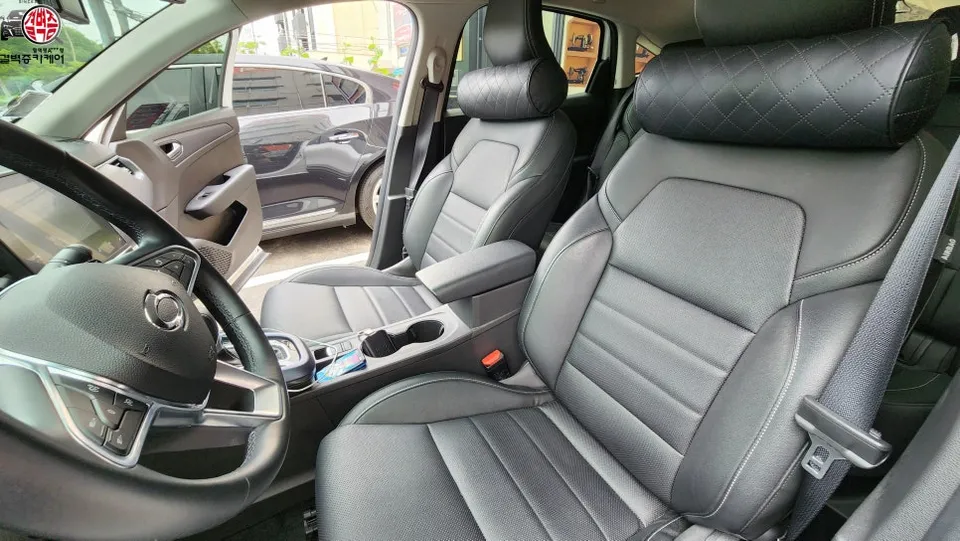
Renault XM3 seat climate upgrade: ~$220-$440 (KRW 300k-600k). Enjoy 3-level cooling and heating with auto-reset.
Renault XM3 Seat Climate Upgrade: Beating the Heat
As temperatures rise, many Renault XM3 owners find that their car's standard seats leave much to be desired, especially during long drives. The discomfort of a sweaty back and sticky legs can turn a pleasant journey into a sticky ordeal. While the XM3 might appear to have perforated leather, a closer look reveals that the underlying structure often hinders proper airflow. This review delves into a common solution: retrofitting effective seat ventilation and heating systems to enhance your driving experience, particularly focusing on the Renault XM3.
The Truth About Standard Seats and the Need for Ventilation
Many car seats, even those with a perforated look, lack the internal design to effectively circulate air. The foam padding can be too dense, pressing against the leather and preventing any meaningful airflow. This creates a situation where the seats look the part but fail to deliver actual cooling. For the Renault XM3 owner featured in our source context, this was a long-standing issue, prompting a decision to seek a more effective solution after three years of consideration. The goal was simple: to regain comfort during warmer months and ensure a more pleasant driving environment year-round.
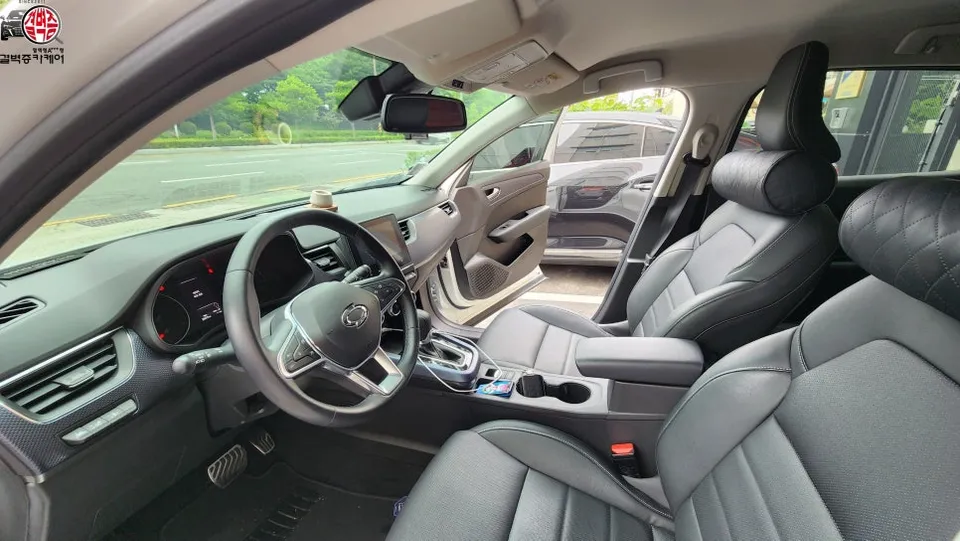
Achieving Optimal Seat Cooling and Heating for Your XM3
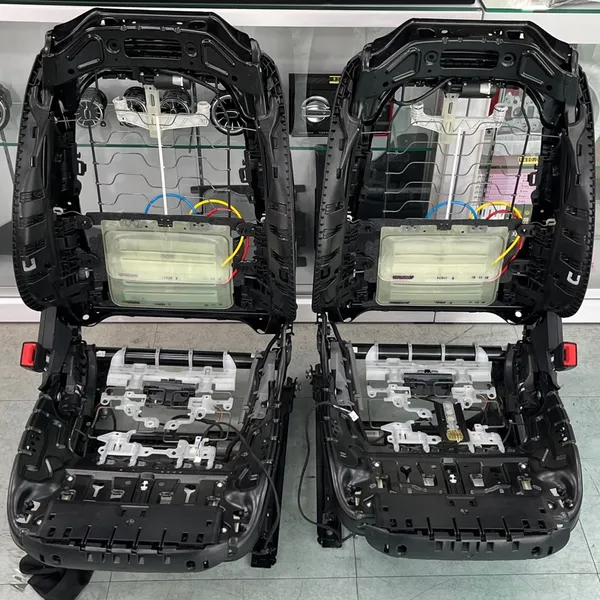
The solution involves a significant upgrade to the seat's internal structure and the addition of a robust ventilation system. This process typically involves removing the existing seat covers and modifying the foam padding to create channels for air to flow freely. A dual-blower system is often employed, which uses two fans to push a larger volume of air through the seat. This ensures that the cool air is distributed evenly across the entire seating surface, providing consistent comfort. For those also seeking heating, these systems often integrate heating elements seamlessly, offering a dual-function climate control upgrade.
Installation Process:
- Seat Disassembly: The original seat covers are carefully removed to access the internal foam and structure.
- Foam Modification & Airflow Channels: The existing foam is reshaped or replaced, and channels are created to allow for unobstructed air circulation from the blowers.
- Ventilation System Integration: The blower fans and ducting are installed within the seat base and backrest.
- Control Unit Installation: A control module is fitted, often discreetly integrated into the seat's side or the center console, allowing for adjustable fan speed.
- Reassembly & Testing: The seat covers are reinstalled, and the system is tested to ensure proper function and airflow.
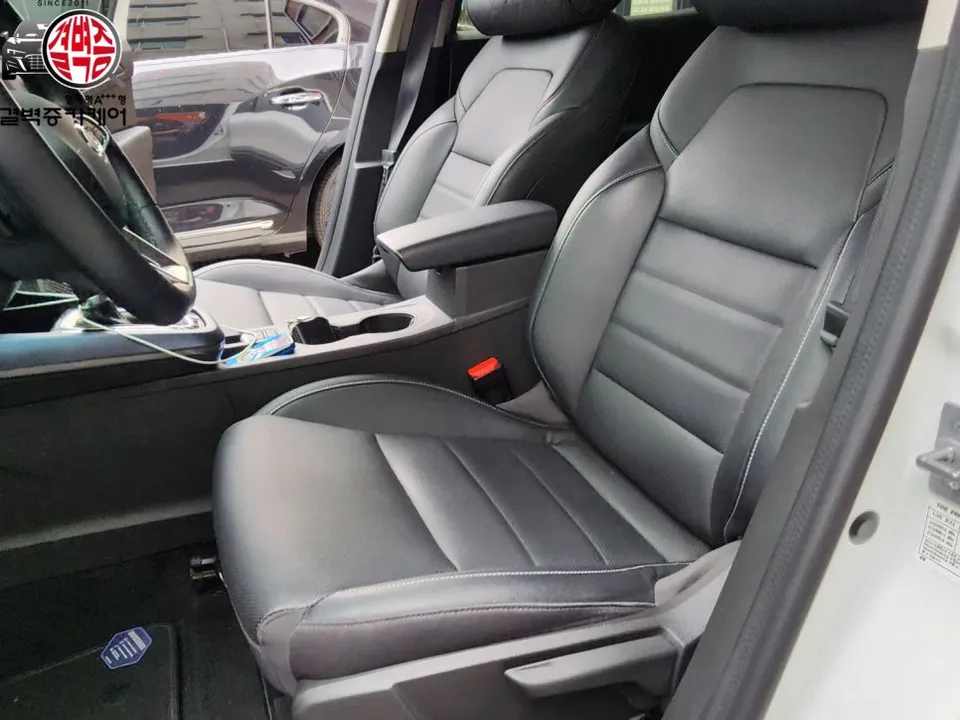
Customizing Your Seat Climate Control
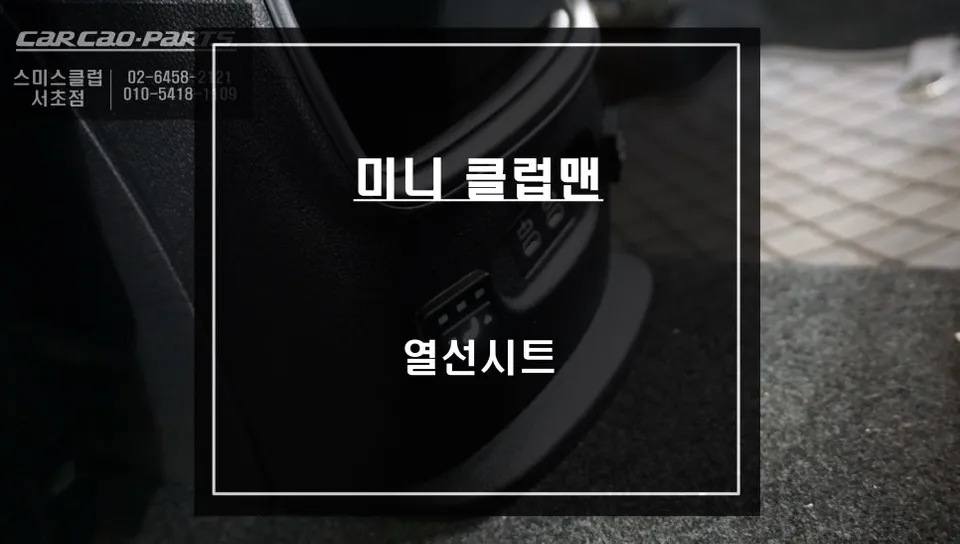
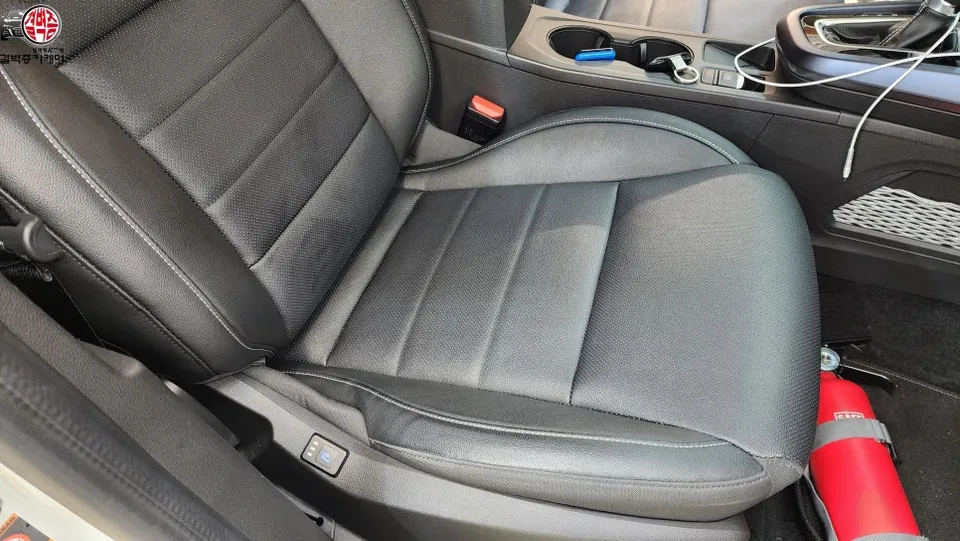
Modern seat ventilation and heating retrofits offer a high degree of customization. The control units are typically designed for easy operation, often featuring multiple fan speed settings (e.g., 3 levels) and integrated LED indicators for visibility, especially at night. These controls can be neatly integrated into the side of the seat, maintaining a clean interior aesthetic. For those who prefer a different placement, options for installing the controls on the center console may be available as an additional upgrade. Furthermore, many systems include an auto-reset function, which automatically turns off the ventilation when the car's ignition is switched off, preventing unnecessary battery drain and enhancing convenience.
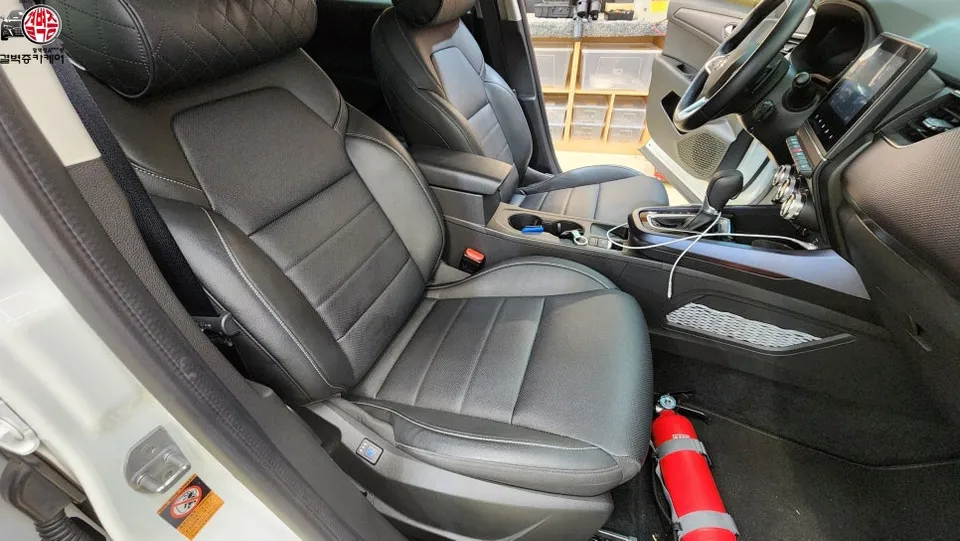
Cost, Durability, and Making the Right Choice
The cost for a 1-row seat ventilation and heating retrofit for a vehicle like the Renault XM3 can vary, but in the context of the original Korean installation, it ranged from approximately 300,000 to 600,000 KRW (roughly $220-$440 USD, depending on exchange rates). The installation process itself typically takes around 3 to 4 hours, often completed within a single day. The durability of these aftermarket systems is generally good, with many capable of providing satisfactory performance for 3 to 5 years or even longer, depending on the quality of the installation and the components used. When considering this upgrade, it's crucial to look beyond just the airflow and focus on the system's efficiency, noise level, and the overall comfort it provides. A poorly executed installation can lead to reduced effectiveness or even unwanted noise. For US/UK owners, expect prices to be in the range of $400-$800+ for a comparable quality dual-function (ventilation and heating) system, with costs varying based on the installer and specific features.
Frequently Asked Questions
Q. How much does ventilated seat installation cost for a Renault XM3?
In Korea, the installation cost for ventilated seats on a Renault XM3 typically ranges from 300,000 to 600,000 KRW (approximately $220-$440 USD). In the US, you can expect similar quality aftermarket systems to cost between $400 and $800 or more.
Q. How long does seat ventilation installation take on a Renault XM3?
The installation process for ventilated seats on a Renault XM3 generally takes about 3 to 4 hours and can usually be completed within a single day. These systems are designed for longevity, often lasting 3-5 years or more with proper care, and require minimal maintenance beyond occasional cleaning of the seat surfaces.
Q. Are aftermarket ventilated seats worth it for a Renault XM3?
Aftermarket ventilated seats are highly recommended for drivers who frequently experience discomfort from heat buildup during warmer months. The significant improvement in comfort and driving experience often justifies the investment, especially for those who spend considerable time in their vehicle.
Q. How are ventilated seats installed in a Renault XM3?
Installation involves carefully disassembling the seat to modify the foam for better airflow, integrating dual blower fans, and installing a control unit with adjustable settings. The seat covers are then reinstalled, and the system is tested for optimal performance.
Q. What is the difference between OEM and aftermarket ventilated seats for a Renault XM3?
OEM (Original Equipment Manufacturer) ventilated seats are integrated from the factory with specific vehicle designs, while aftermarket options are retrofitted, offering more flexibility in features and potentially lower costs. Aftermarket installations often involve more robust blower systems for enhanced cooling compared to some factory options.
OhCar Partner Shop