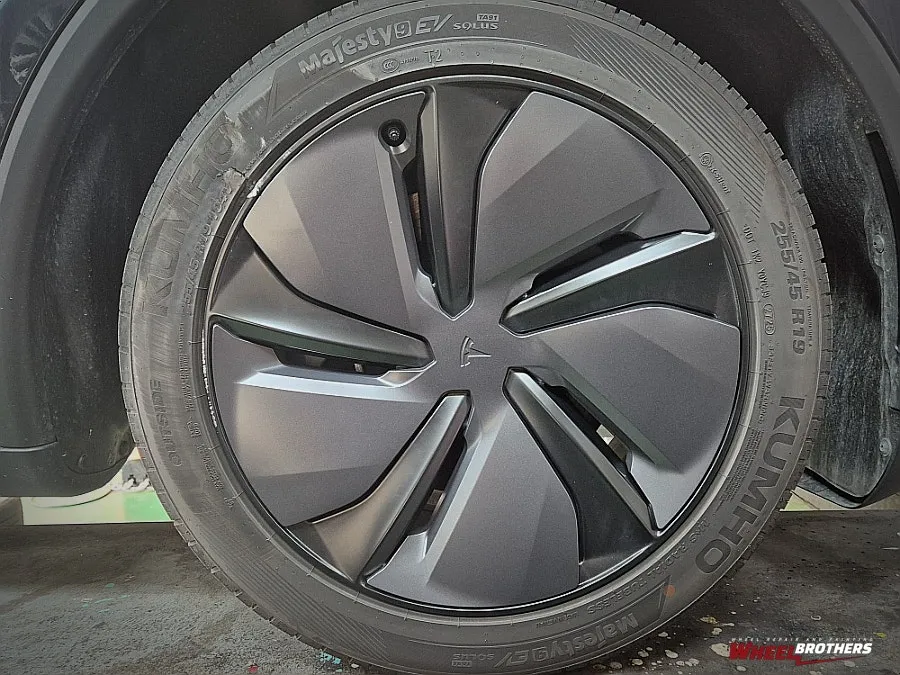
Kia K7 Seat Climate Upgrade Review — Cost & Results
Service Price
$40–80
Estimated price · Actual price may vary by shop
Before
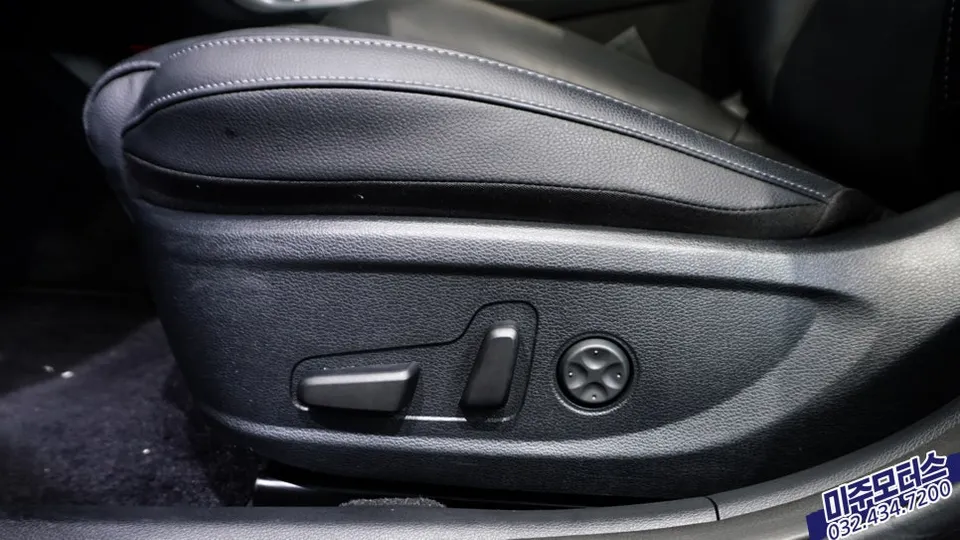
After
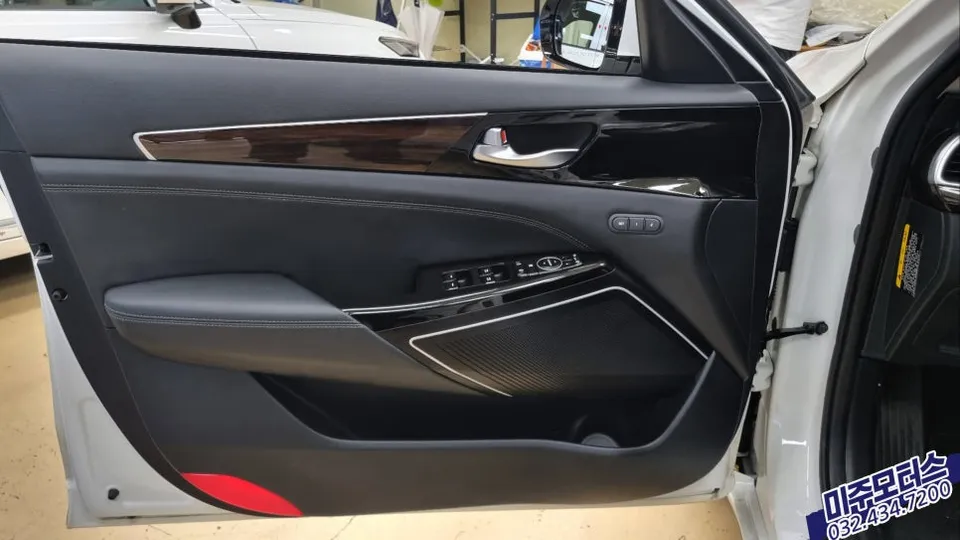
Process photos

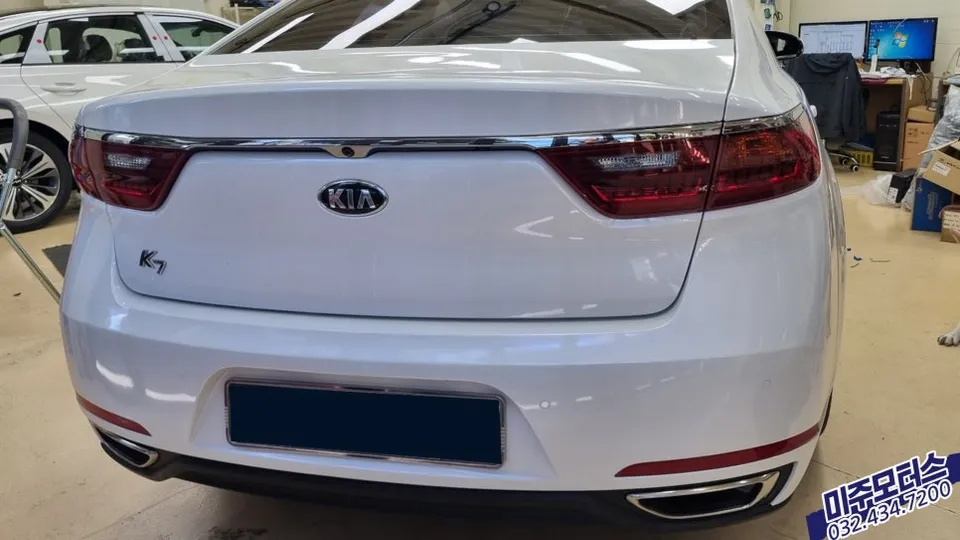
Kia K7 seat climate upgrade: $400-$800+. Enjoy ventilated & heated seats for enhanced comfort year-round.
Enhance Your Kia K7 Driving Experience with Seat Climate Control
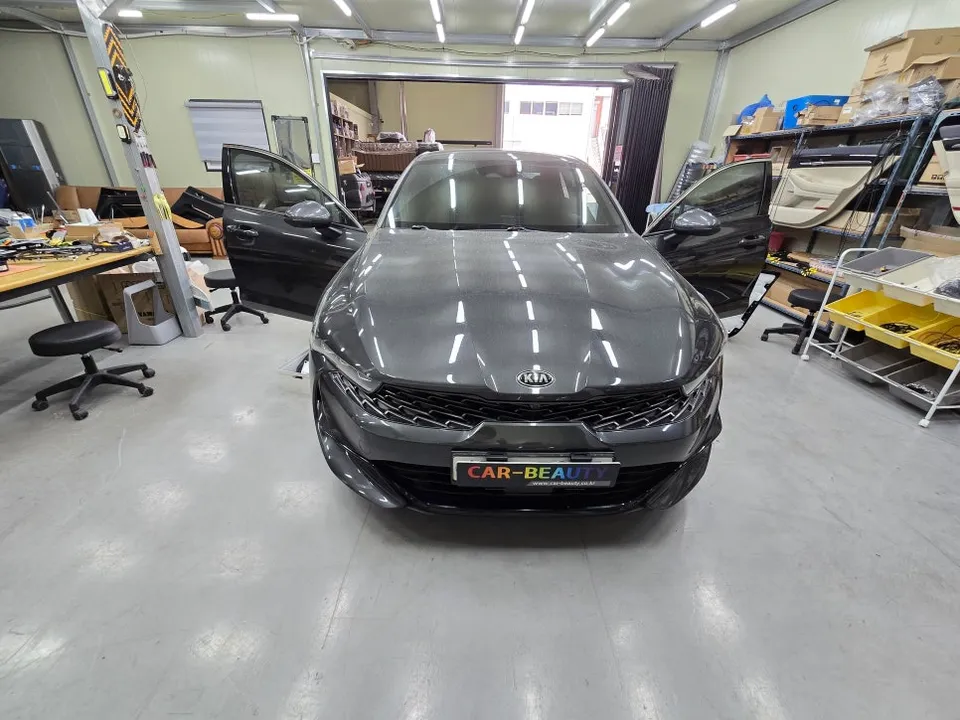
For Kia K7 owners in the US and UK seeking to elevate their driving comfort, adding ventilated and heated seats is a significant upgrade. This review delves into the specifics of a seat climate upgrade, focusing on the installation process, potential results, and overall value. While the original context for this service comes from a specific installation in Incheon, South Korea, we'll translate the process and benefits into terms relevant for English-speaking car owners comparing options for their own vehicles.
Understanding Seat Ventilation & Heating Retrofits
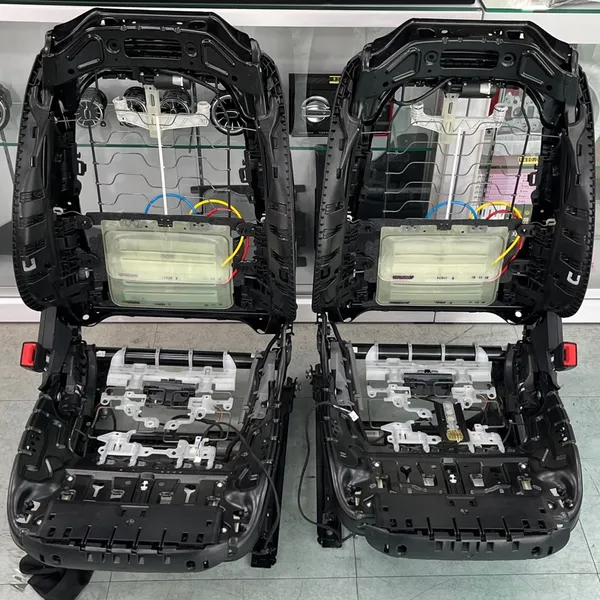
The desire for ventilated seats, often referred to as seat cooling, or heated seats is driven by the need for year-round comfort. Whether you're enduring a sweltering summer or a chilly winter, the ability to regulate your seat's temperature can transform your driving experience. A seat climate upgrade involves retrofitting these systems into vehicles that didn't originally come equipped with them. This can involve adding heating elements and fans within the seat upholstery. The process requires careful integration with the vehicle's electrical system and often involves custom upholstery work to ensure a factory-like appearance and function.
Installation Process: From Basic Seats to Climate Control
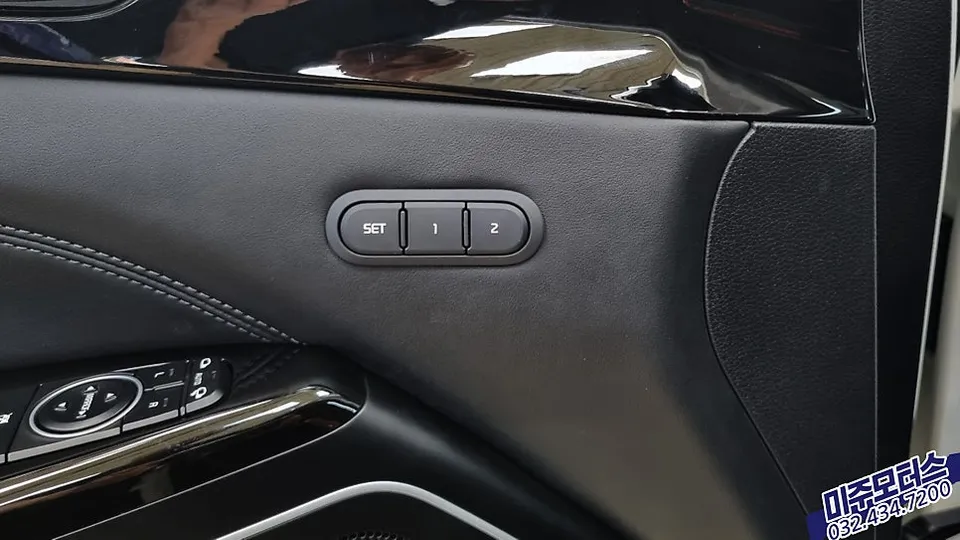
The installation of a seat ventilation and heating system, particularly for a model like the Kia K7, is a detailed process. It typically begins with the safe removal of the seat from the vehicle. For models that don't have existing power seat functions, an upgrade to power seats might be a prerequisite before climate control can be added. The core of the installation involves integrating a control module, often referred to as an Integrated Memory System (IMS) module in the context of memory seat functions, though the principle applies to climate control modules as well. This module is carefully fitted within the seat frame, and wiring is meticulously connected to the vehicle's power source and controls. A critical aspect is ensuring that the wiring is routed cleanly to avoid interference or malfunctions. The original Korean context mentions using Kia-compatible parts, such as K3 switches, which are then precisely cut and integrated into the door panel for a seamless look. This custom cutting requires skilled technicians to avoid damaging the door trim. After the physical installation, thorough testing is performed to ensure the heating and ventilation functions operate correctly, and that any associated features, like the 'Easy Access' function (which moves the seat back upon exiting), work as intended. While the specific installation described was performed in Korea and utilized parts that may not integrate with all US/UK model year instrument clusters, the underlying technical process and the resulting convenience are universal.
Is a Seat Climate Upgrade Worth It for Your Kia K7?
The decision to invest in a seat climate upgrade for your Kia K7 hinges on several factors, including the cost, the desired level of comfort, and the quality of the installation. While the original context mentions a price range in Korean Won, aftermarket installations in the US and UK can vary significantly, typically ranging from $400 to $800 or more per seat, depending on the system's complexity and whether it includes heating, ventilation, or both. The benefits are tangible: enhanced comfort in extreme weather, reduced fatigue on long drives, and a more luxurious feel for your vehicle. Durability is largely dependent on the quality of the components used and the skill of the installer. Proper maintenance, such as avoiding spills directly on the controls and ensuring the fans are not obstructed, will contribute to longevity. Ultimately, if year-round comfort is a high priority and you find a reputable installer, a seat ventilation and heating upgrade can be a worthwhile investment, significantly improving your daily driving experience.
Frequently Asked Questions
Q. How much does ventilated seat installation cost for a Kia K7?
While the specific installation mentioned was in Korea, aftermarket ventilated seat installations for a Kia K7 in the US typically range from $400 to $800 per seat. This price can vary based on the system's features and the installer's expertise.
Q. How long does seat ventilation installation take on a Kia K7?
The installation process for ventilated seats on a Kia K7 generally takes several hours, often a full day, depending on the complexity of the system and the installer's workflow. To ensure longevity, avoid direct spills on the seat controls and ensure the ventilation fans are not obstructed by objects.
Q. Are aftermarket ventilated seats worth it for a Kia K7?
Aftermarket ventilated seats are worth it for a Kia K7 if year-round comfort is a high priority and you frequently experience extreme temperatures. The enhanced comfort and reduced driving fatigue can significantly improve your daily experience.
Q. How are ventilated seats installed in a Kia K7?
Installation involves removing the seat, integrating ventilation fans and wiring within the seat structure, and connecting to the vehicle's power. Skilled technicians then install custom controls, often integrating them seamlessly into the door panel or center console, followed by thorough testing.
Q. What is the difference between OEM and aftermarket ventilated seats for a Kia K7?
OEM (Original Equipment Manufacturer) ventilated seats are factory-integrated and typically offer seamless integration with vehicle systems. Aftermarket options provide a way to add the feature to non-equipped vehicles, often with custom installation that may look and function slightly differently but still deliver the desired comfort.
OhCar Partner Shop