Mercedes-Benz G-Wagon Body Kit Installation Review
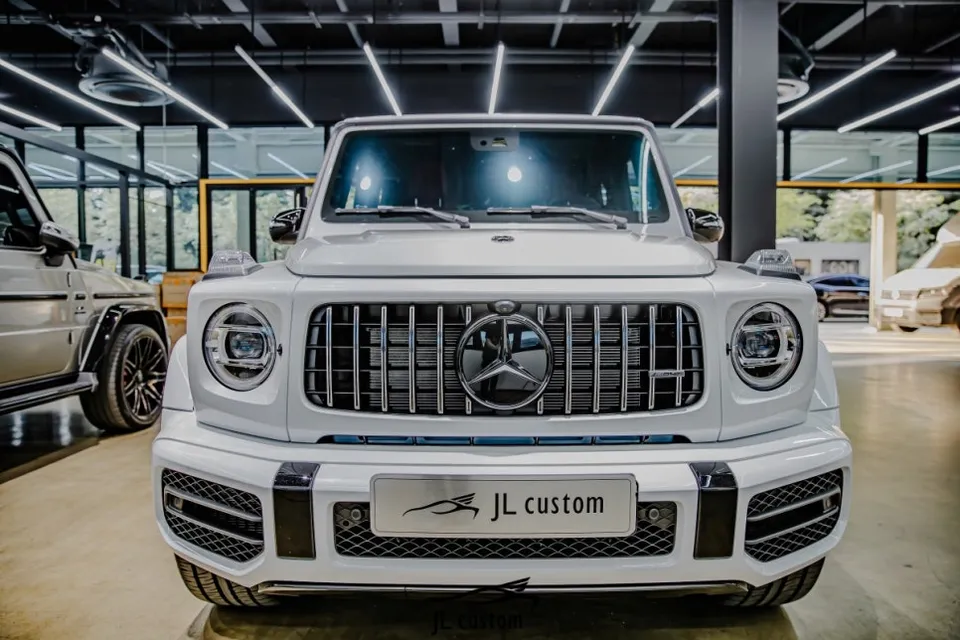
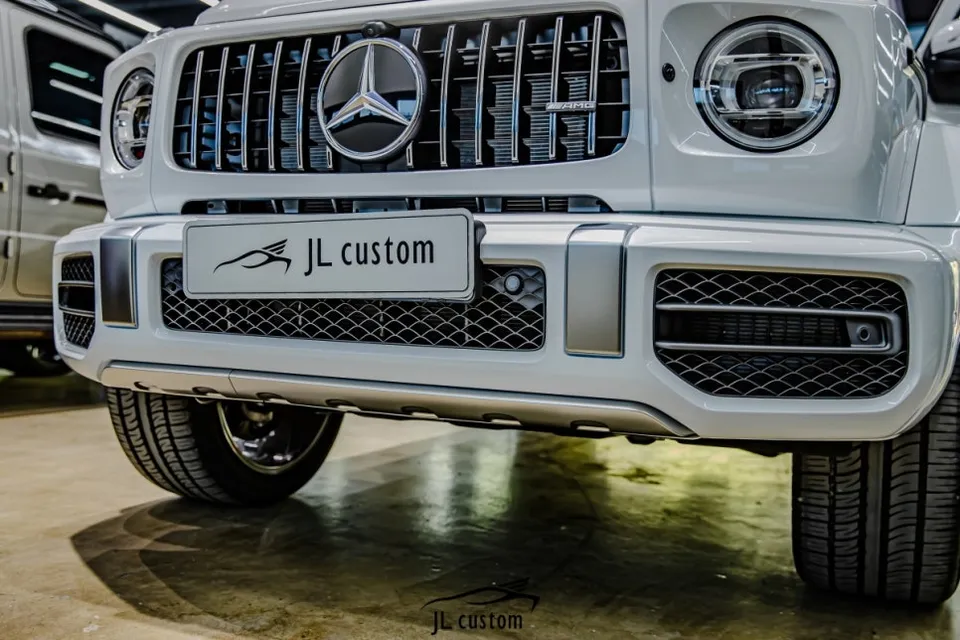
Mercedes-Benz G-Wagon body kit installation offers aesthetic upgrades. Costs vary, with "Night Package" trims being a popular option.
Mercedes-Benz G-Wagon Body Kit: Enhancing the Iconic SUV
The Mercedes-Benz G-Wagon, an icon of rugged luxury, offers a commanding presence. For owners looking to further personalize their vehicle, a body kit, often referred to as an aero kit, presents an opportunity to enhance its aesthetics and, in some cases, aerodynamics. This review delves into the specifics of body kit installation for the G-Wagon, covering the typical costs, the transformative before-and-after results, and whether this modification is a worthwhile investment. While the original context for this review comes from a detailed service in South Korea, we'll explore the general considerations for G-Wagon owners in the US and UK.
Body Kit Installation Process and Cost Considerations
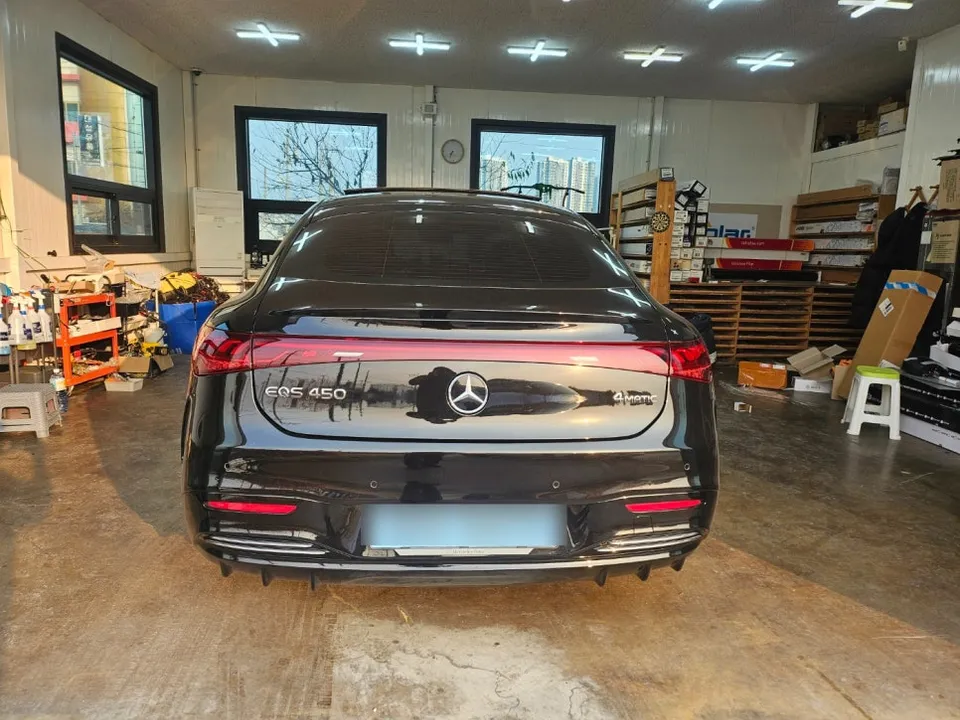
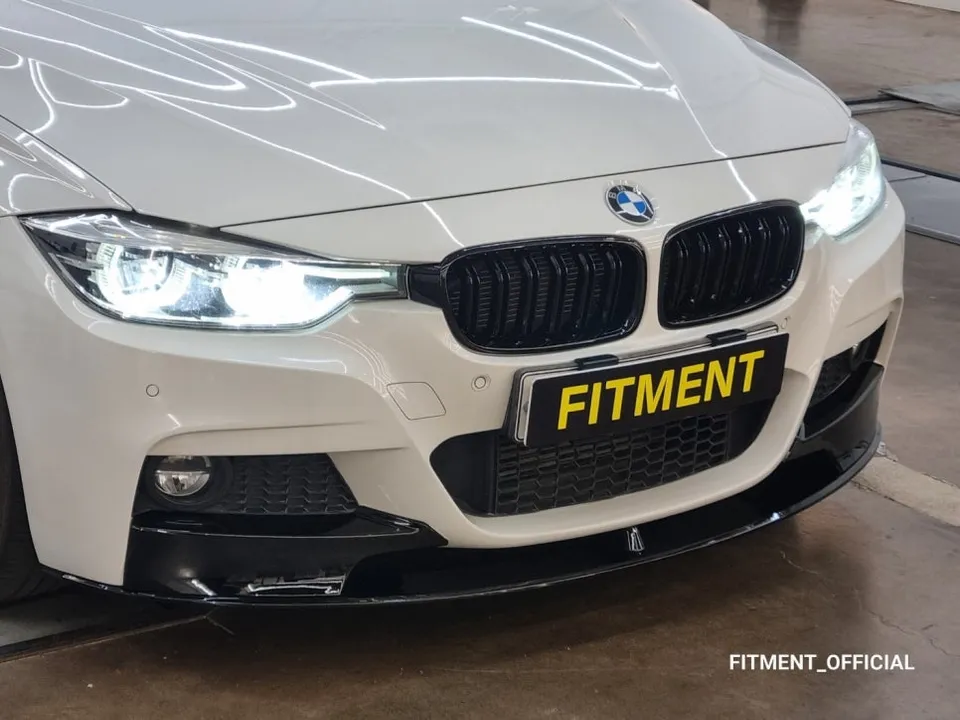
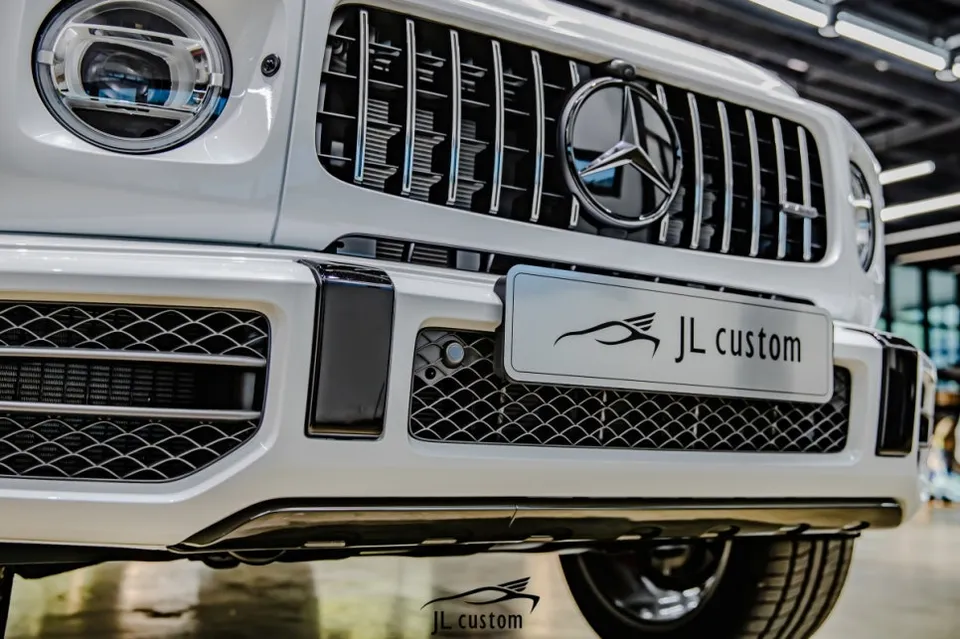
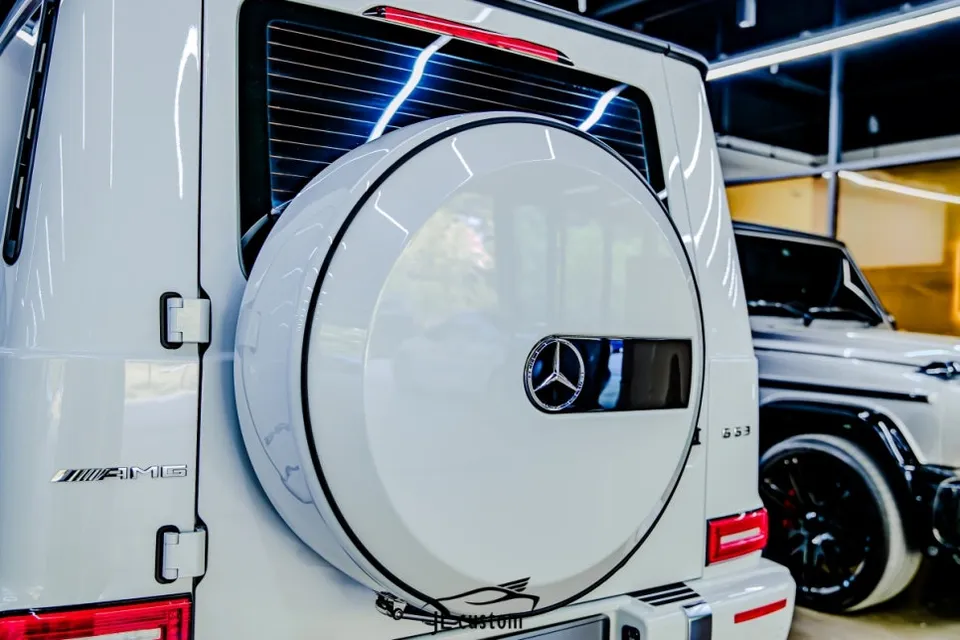
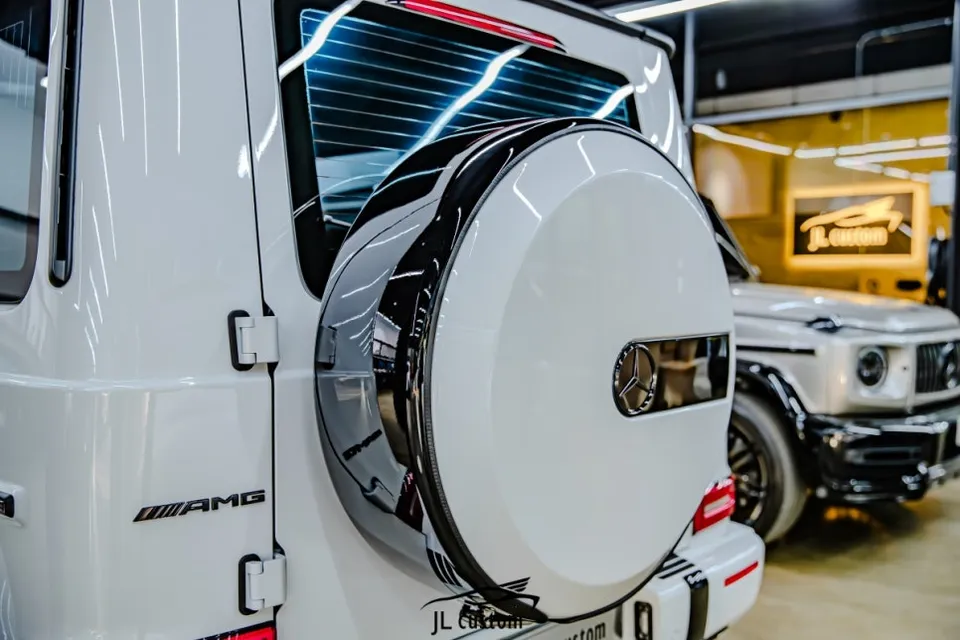
Installing a body kit on a Mercedes-Benz G-Wagon involves several key components, including front lips, side skirts, and sometimes rear diffusers or spoilers. The process requires precision to ensure a seamless fit and a factory-like finish. In South Korea, services like the "Night Package" conversion, which involves changing various exterior trim pieces to gloss black, are popular. This can include bumper moldings, tire covers, mirror caps, lettering, and the star logo. When considering a full body kit, the cost can vary significantly based on the brand of the kit (e.g., genuine Mercedes-Benz accessories, aftermarket brands like Brabus, or more budget-friendly options) and the complexity of the installation. A comprehensive body kit installation, including painting and fitting, could range from approximately ₩3,000,000 to over ₩10,000,000 (roughly $2,200 to $7,500+ USD), depending on the chosen parts and the installer's expertise. This price often includes parts, labor, and finishing. The "Night Package" described in the original context, focusing on blacked-out trim, offers a more subtle aesthetic upgrade compared to a full widebody kit, with costs typically lower.
Before & After: Transforming Your G-Wagon's Look
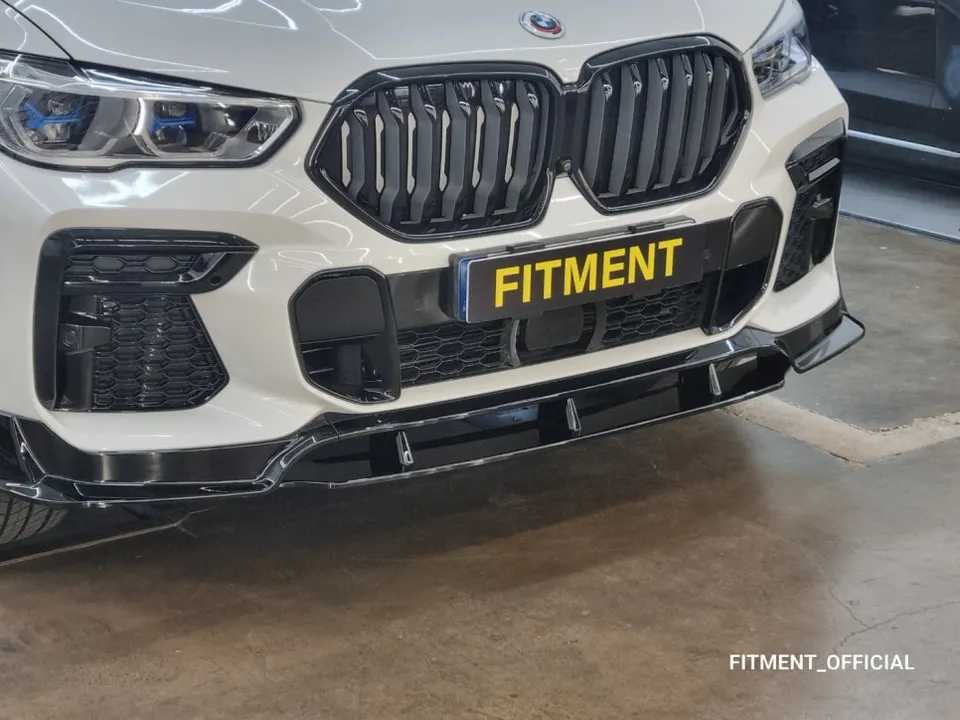
The visual impact of a body kit on a G-Wagon can be dramatic. A well-executed installation can give the vehicle a more aggressive, sporty, or even more utilitarian appearance, depending on the kit's design. For instance, adding a more pronounced front lip can lower the perceived height of the vehicle and add a performance-oriented look. Side skirts visually connect the front and rear of the car, creating a more cohesive and muscular stance. The "Night Package" example showcases a sophisticated transformation, where replacing chrome or silver trim with gloss black elements lends the G-Wagon a stealthier, more modern, and premium aesthetic. This blacked-out theme extends to various parts, creating a unified and menacing look that many G-Wagon owners desire. The durability of these modifications is also a key factor; high-quality kits, whether made from durable ABS plastic, polyurethane, or carbon fiber, are designed to withstand daily driving conditions. Regular cleaning and occasional waxing will help maintain the finish and longevity of the body kit components.
Is a G-Wagon Body Kit Worth the Investment?
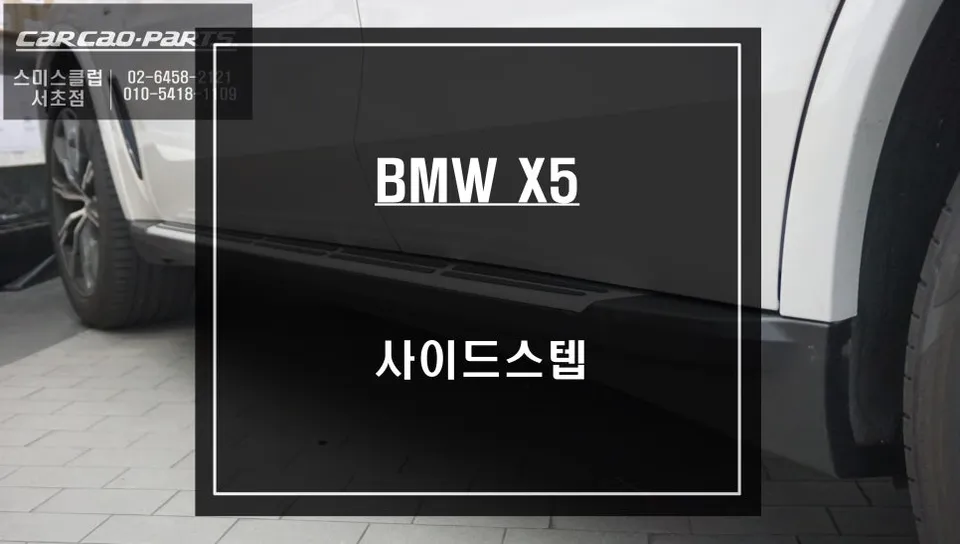
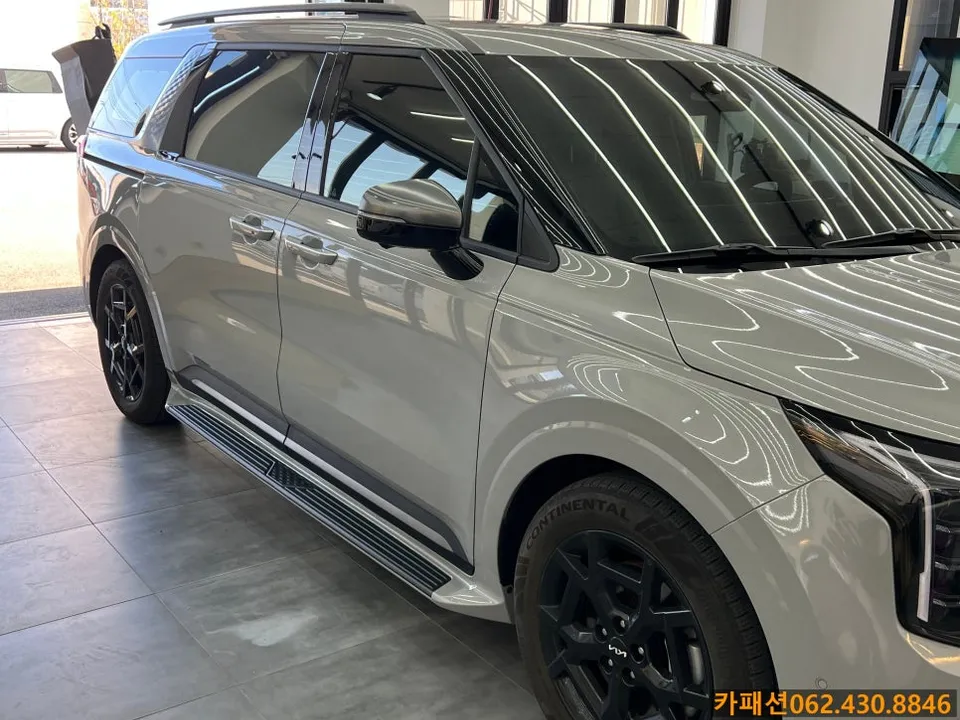
Deciding whether a body kit is worth it for your Mercedes-Benz G-Wagon depends on your priorities. If you seek a unique aesthetic that sets your vehicle apart from the standard G-Wagon, a body kit can be a highly effective modification. The "before and after" results can be striking, offering a personalized look that reflects your style. For those concerned about practicality, features like side steps, as mentioned in the Korean context, can significantly improve ingress and egress, especially given the G-Wagon's elevated ride height. These are often integrated into body kit designs or offered as complementary accessories. The durability of the chosen kit is paramount; investing in reputable brands or professionally applied finishes ensures the modification lasts. Ultimately, a body kit is a cosmetic and potentially functional upgrade that can enhance the ownership experience and potentially retain or even increase the vehicle's desirability among enthusiasts, provided it's installed correctly and complements the G-Wagon's inherent design.
Installation Process:
- Surface Preparation: The existing bumpers and body panels are thoroughly cleaned and prepared. Any necessary modifications or pre-fitting are done at this stage.
- Component Fitting: The new body kit parts (front lip, side skirts, etc.) are carefully aligned and attached using specialized automotive adhesives, clips, and sometimes bolts, ensuring a precise fit without gaps.
- Painting and Finishing (if applicable): If the kit is unpainted, it will be professionally painted to match the vehicle's color code or a desired custom finish, such as gloss black for a "Night Package" effect.
- Final Inspection: After installation and any necessary curing time, the entire kit is inspected for fitment, finish quality, and structural integrity.
Frequently Asked Questions
Q. How much does a body kit cost for a Mercedes-Benz G-Wagon?
Body kit installation for a Mercedes-Benz G-Wagon can range significantly, from around $2,200 USD for "Night Package" style trim upgrades to over $7,500 USD for comprehensive aero kits, depending on the brand and complexity.
Q. How long does body kit installation take on a Mercedes-Benz G-Wagon?
The durability of a G-Wagon body kit depends heavily on the material quality and installation. For longevity, regular cleaning and protection with automotive waxes are recommended.
Q. Is a body kit worth it for a Mercedes-Benz G-Wagon?
A body kit is worth it for a Mercedes-Benz G-Wagon if you prioritize a personalized, aggressive, or unique aesthetic that sets your vehicle apart. It offers a significant visual transformation.
Q. How is a body kit installed on a Mercedes-Benz G-Wagon?
Installation involves preparing the vehicle's surface, precisely fitting the new components like front lips and side skirts using adhesives and fasteners, and professional painting if required, followed by a final inspection.
Q. What is the difference between FRP and polyurethane body kits for a Mercedes-Benz G-Wagon?
Polyurethane kits are generally more flexible and impact-resistant than FRP (Fiber-Reinforced Plastic) kits, making them more durable for daily driving and less prone to cracking.
OhCar Partner Shop