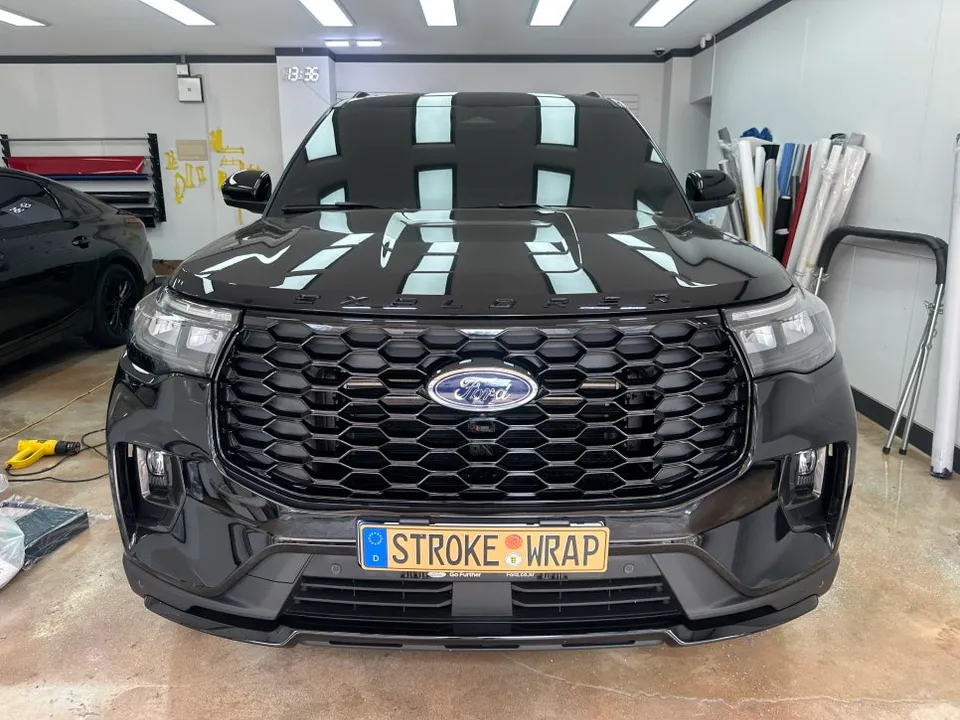
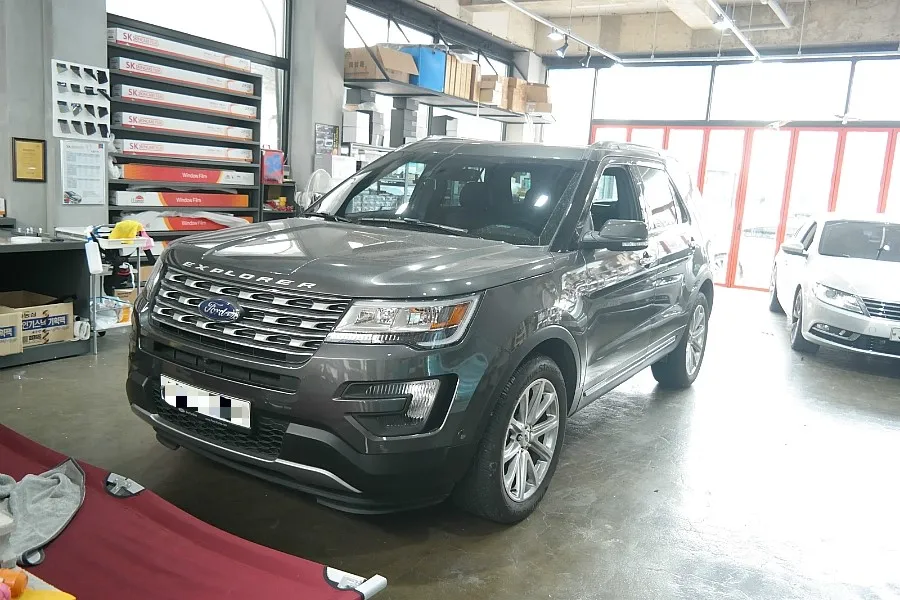
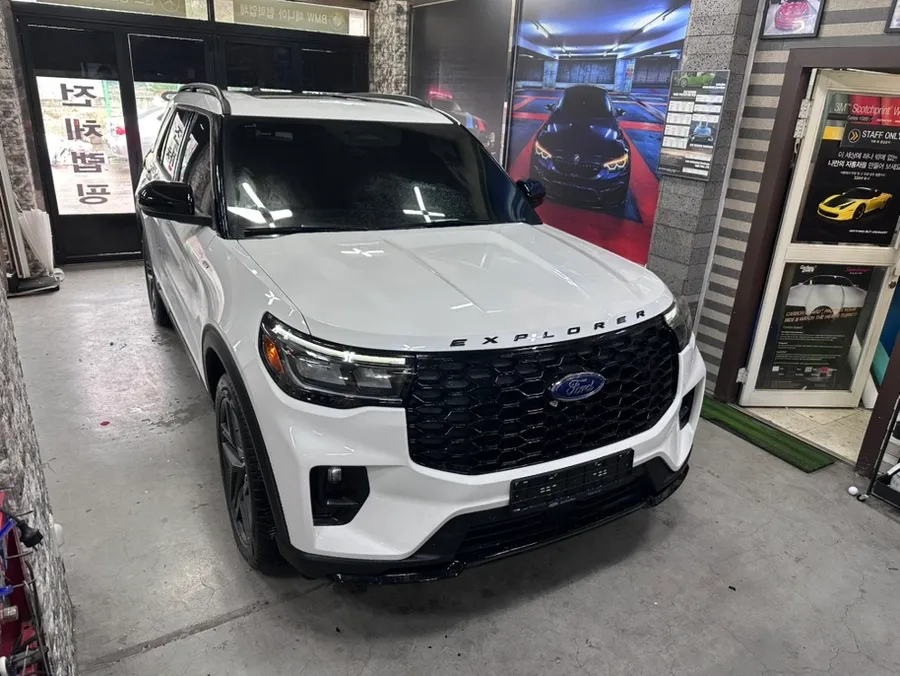
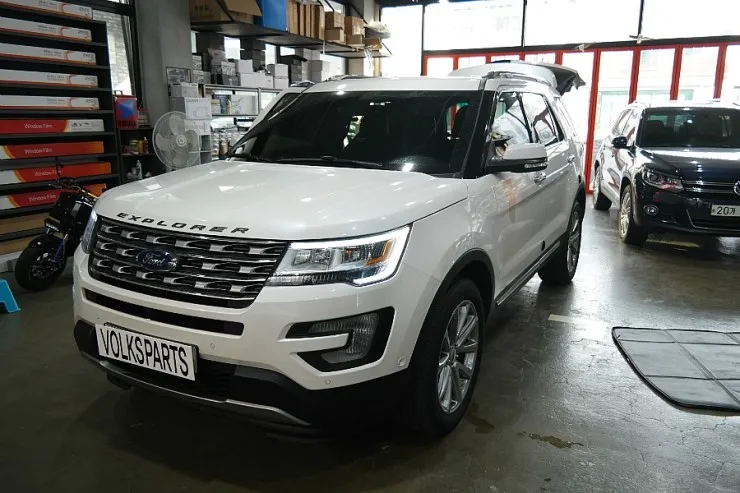
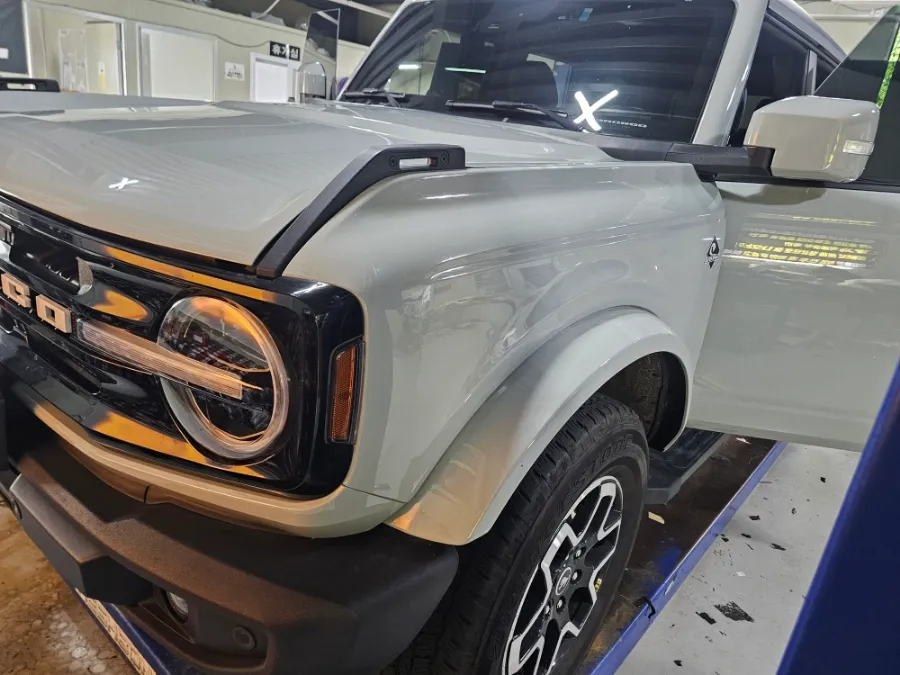
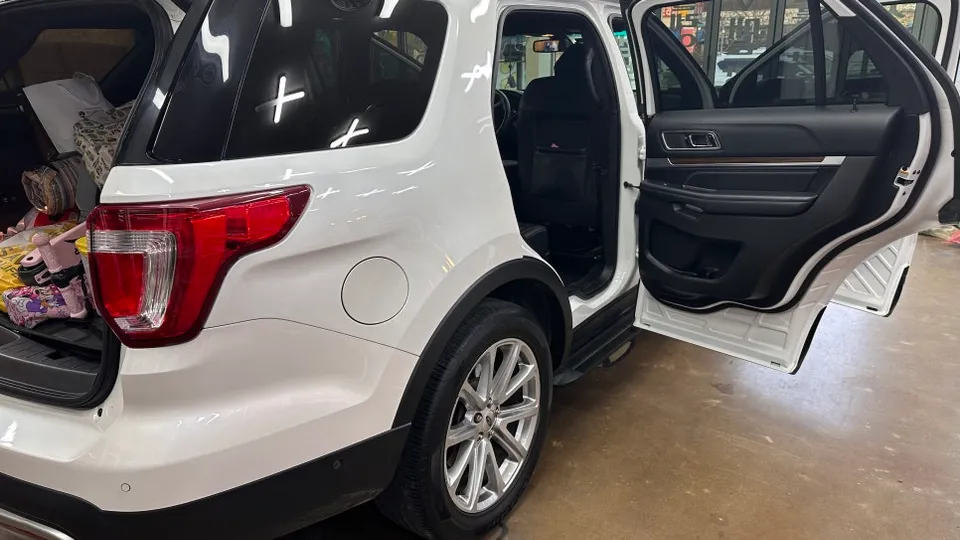
Ford Explorer Body Kit Installation Review
Service Price
$150+
Estimated price · Actual price may vary by shop

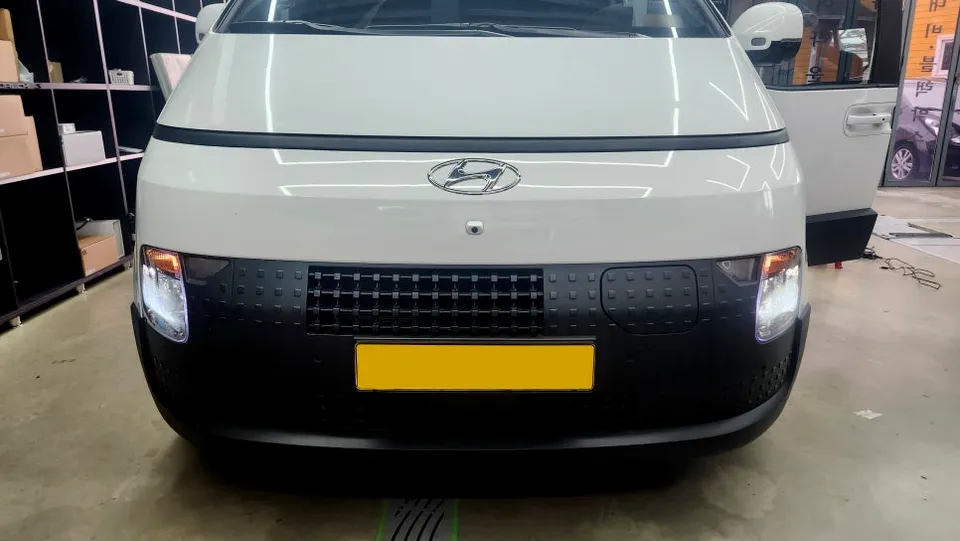
Ford Explorer body kit installation: Costs vary, but expect $150+ for enhancements. Transforms appearance with sporty, aggressive styling.
Enhancing Your Ford Explorer with a Body Kit
For owners of the Ford Explorer, a vehicle often chosen for its utility and presence, the desire to customize and enhance its aesthetic appeal is common. A body kit, often referred to as an aero kit, can dramatically alter the vehicle's appearance, giving it a sportier, more aggressive, or even more luxurious stance. This review delves into the specifics of body kit installation for the Ford Explorer, covering aspects like cost, the transformation process, durability, and whether it's a worthwhile investment.
Understanding Body Kit Installation and Costs
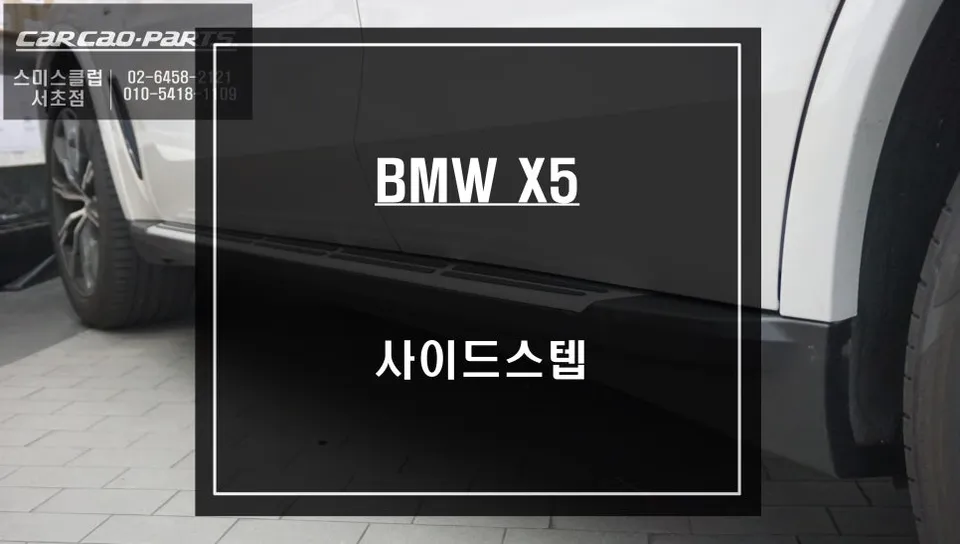
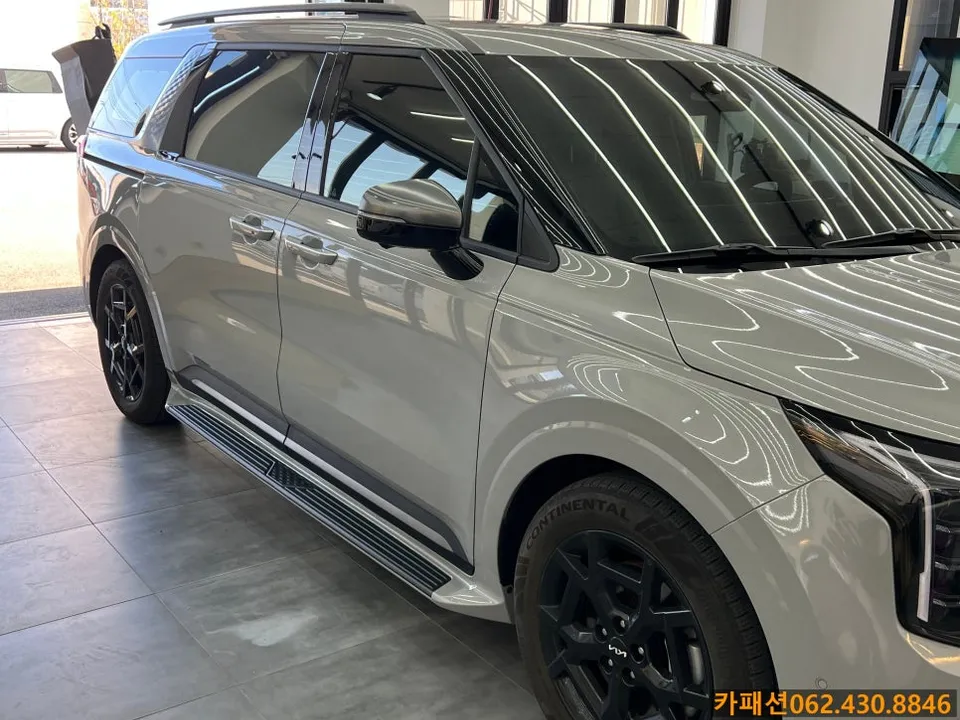
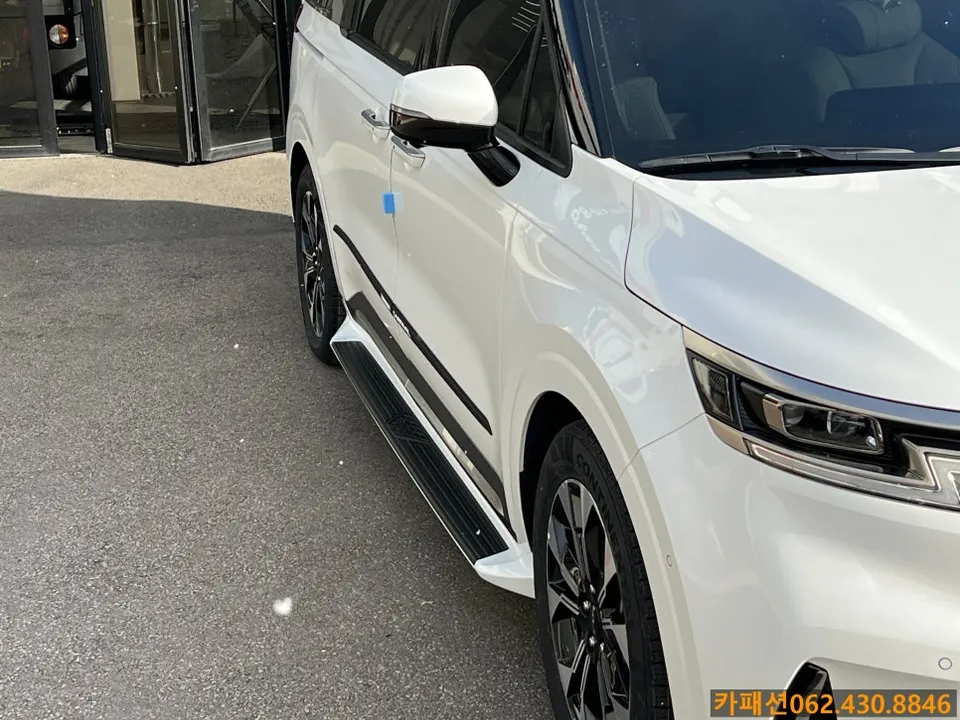
The process of installing a body kit on a Ford Explorer involves fitting new exterior components, typically including a front bumper or lip, side skirts, and a rear bumper or spoiler. The cost of a body kit itself can vary significantly based on the material and brand, ranging from a few hundred dollars for basic kits to several thousand for high-end, designer options. The body kit cost is only part of the equation; professional installation is crucial for a seamless finish and proper fitment. For a Ford Explorer, professional body kit installation can add anywhere from $500 to $2,000 or more, depending on the complexity of the kit and the labor rates in your area. While the KR context mentions specific modifications like electric side steps and blind-spot mirrors for a Ford Explorer, which are distinct from a full body kit, the principles of professional installation and enhancing vehicle functionality apply. The estimated US price for such enhancements can start around $150+ for simpler upgrades.
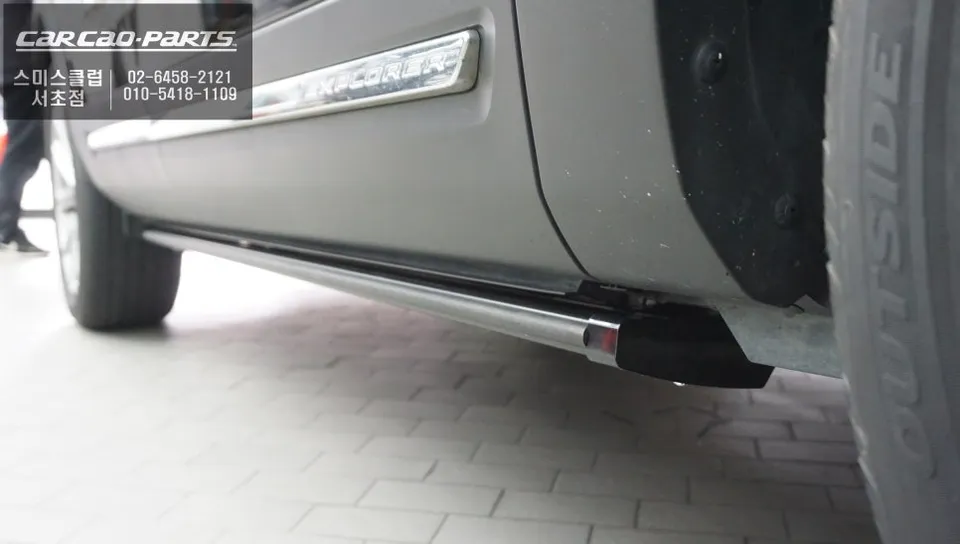
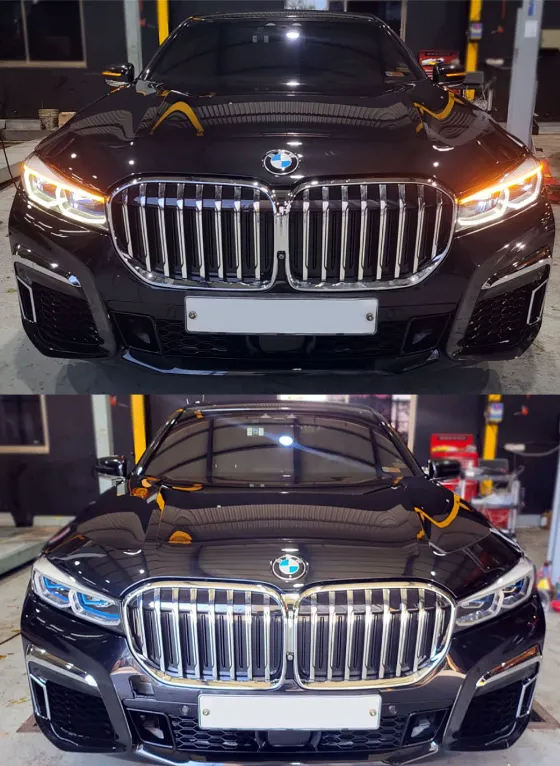
Before and After: The Visual Transformation
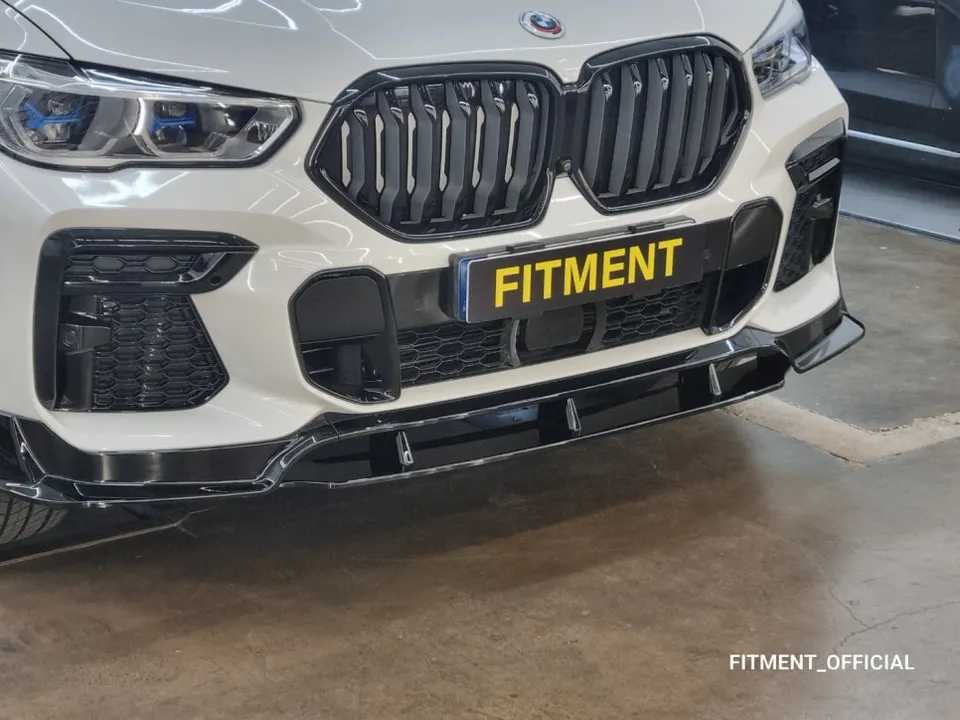
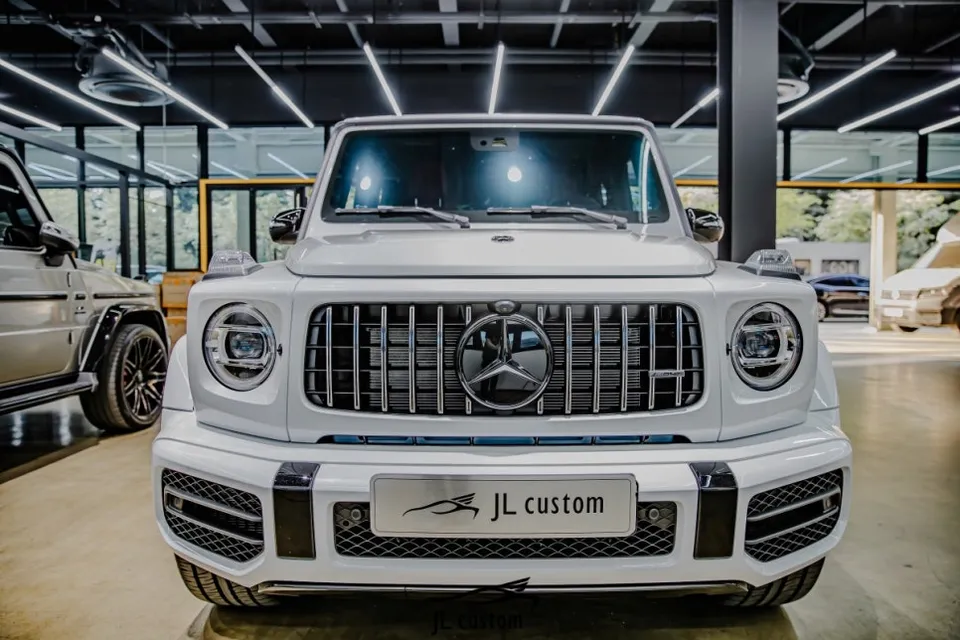
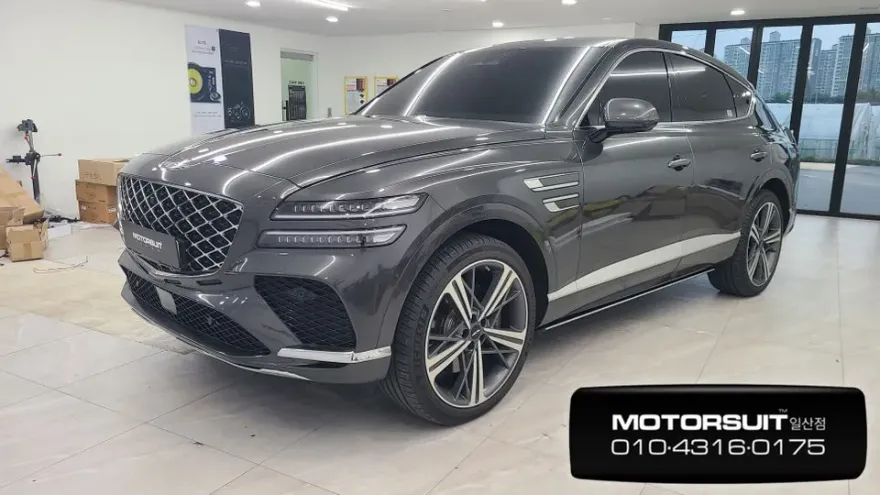
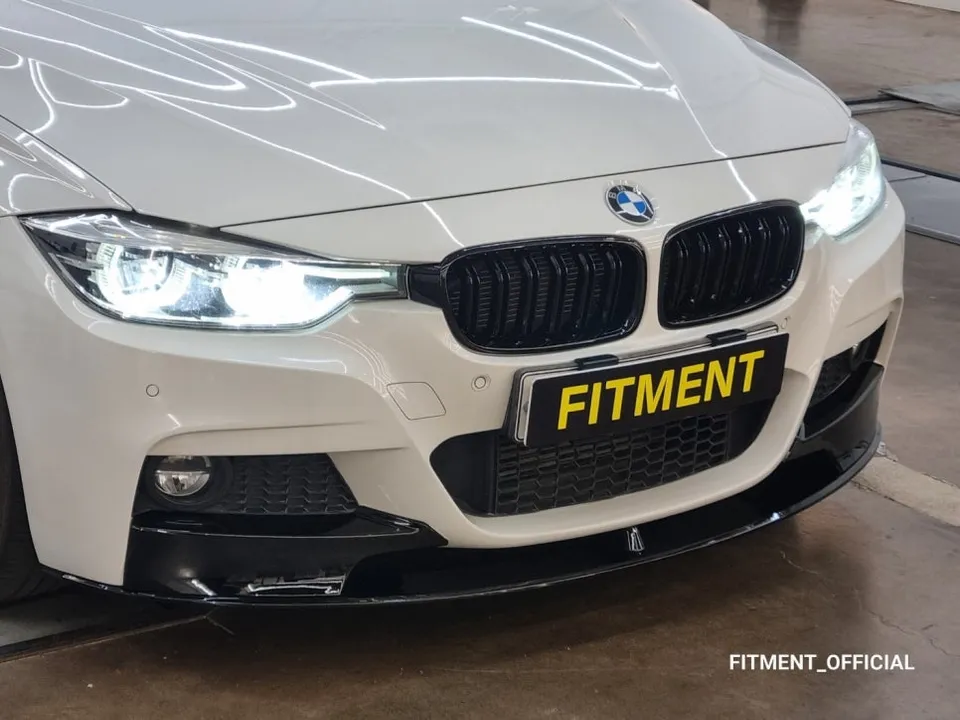
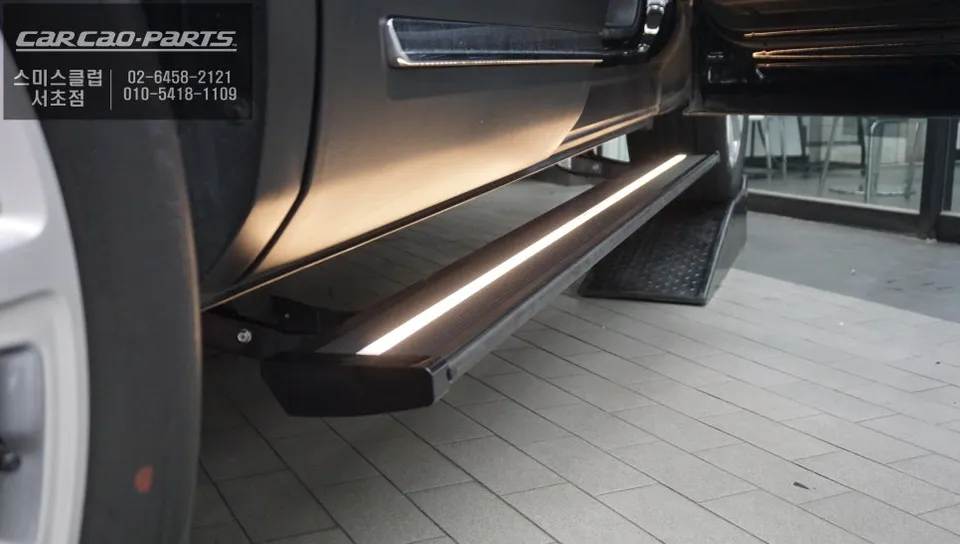
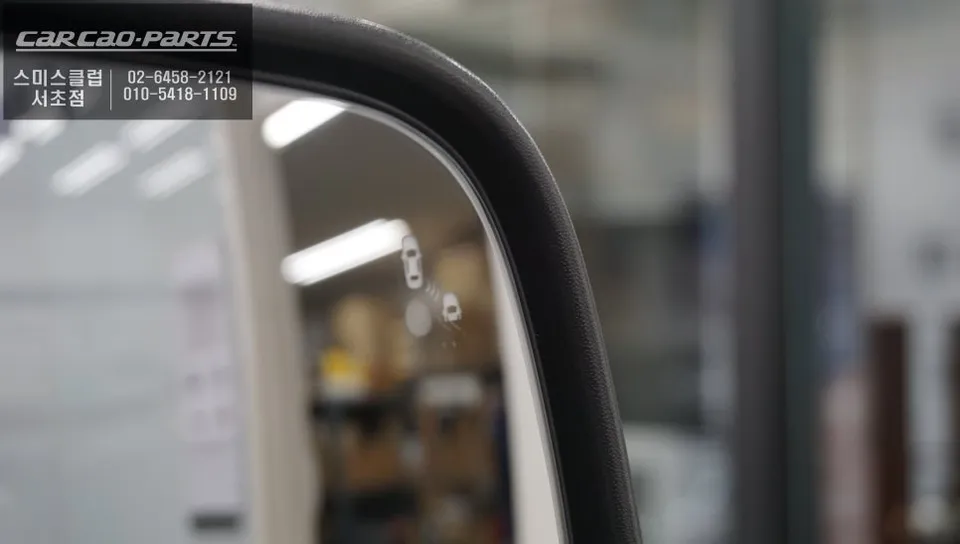
The most immediate impact of a body kit is the visual upgrade. A well-designed aero kit can lower the perceived height of the SUV, widen its stance, and add sharp lines that contribute to a more dynamic profile. For the Ford Explorer, this can transform its family-oriented look into something more performance-oriented. Before installation, the Explorer presents its standard, robust SUV silhouette. After the body kit is fitted, the vehicle appears more grounded, with sculpted front lips that add aggression, side skirts that visually connect the wheel arches, and rear diffusers or spoilers that complete the sporty look. The KR context highlights how electric side steps and wide-angle mirrors improve safety and convenience, with the side steps featuring LED lighting for nighttime visibility and a luxurious feel. While not a traditional body kit, these additions demonstrate a focus on enhancing both form and function, much like a body kit aims to do.
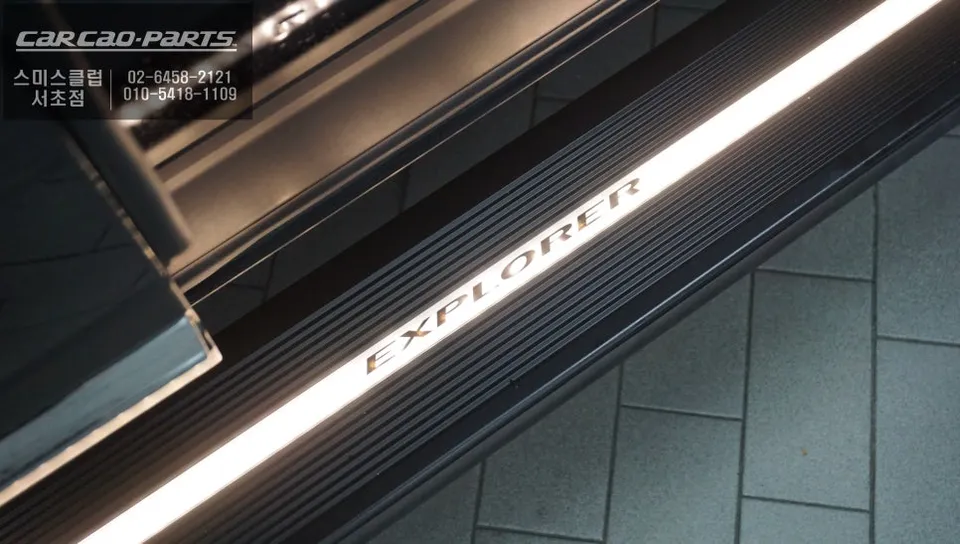
Durability, Materials, and Maintenance
Body kits for the Ford Explorer are typically made from materials like polyurethane, ABS plastic, fiberglass (FRP), or carbon fiber. Polyurethane and ABS plastic are generally more durable and flexible, making them less prone to cracking upon minor impacts—a significant advantage for an SUV that might encounter less-than-perfect road conditions or parking lot encounters. Fiberglass, while often more affordable, can be more brittle and susceptible to cracking. Carbon fiber offers the highest strength-to-weight ratio and a premium look but comes at a significantly higher cost. Proper maintenance involves regular washing and waxing, similar to the vehicle's original paintwork. For kits made of materials like polyurethane or ABS, minor scratches can sometimes be buffed out. However, significant damage may require professional repair or replacement of the affected part. The KR context mentions that the electric side steps are made of aluminum and stainless steel, offering rust resistance and durability, with rubberized surfaces for protection and grip.
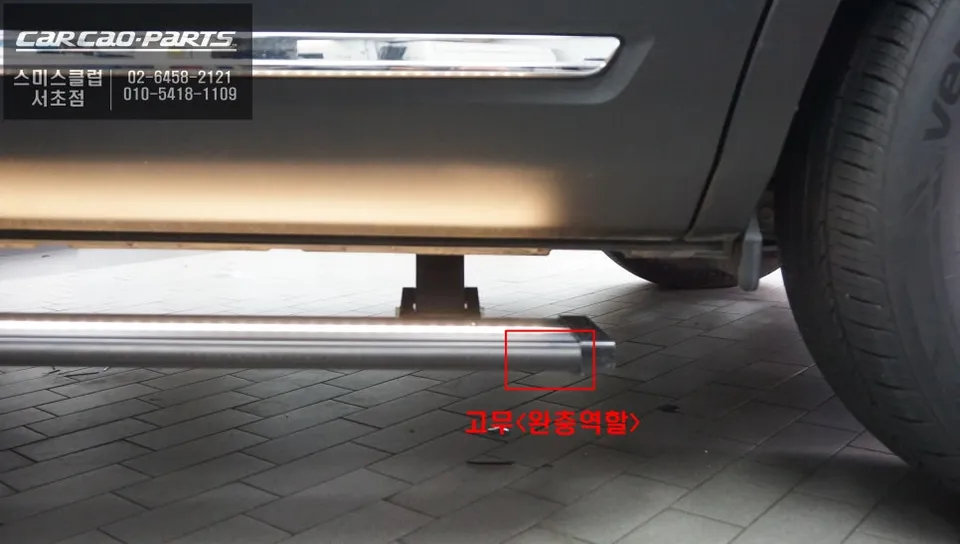
Is a Ford Explorer Body Kit Worth It?
Deciding whether a body kit is worth the investment for your Ford Explorer depends on your priorities. If you're looking to significantly enhance your vehicle's aesthetics and give it a unique, personalized look that stands out from the standard models, then a body kit can be a worthwhile modification. It's particularly appealing for those who appreciate a sportier or more aggressive styling. However, it's essential to factor in the total body cost, including professional installation, and consider the potential impact on the vehicle's ground clearance and approach/departure angles, which could be a concern for off-road use. For owners focused purely on utility or off-road capability, the investment might be better allocated elsewhere. The KR context's focus on functional upgrades like side steps and mirrors suggests that for some owners, enhancing safety and practicality might be a higher priority than purely cosmetic changes.
Installation Process:
- Preparation: The existing bumpers and side skirts are carefully removed. The new body kit components are test-fitted to ensure proper alignment and fitment.
- Attachment: The new parts are secured to the vehicle's chassis using specialized brackets, clips, and automotive-grade adhesives or bolts, depending on the kit's design.
- Integration: Any necessary wiring for features like LED lighting (if included) is connected. Sensors or other integrated components are also installed.
- Finishing: The installed body kit is inspected for gaps or misalignments. Minor adjustments are made, and the vehicle is prepared for painting if the kit wasn't pre-painted.
- Painting and Clear Coat: If required, the body kit parts are professionally painted to match the vehicle's original color code and finished with a protective clear coat.
Frequently Asked Questions
Q. How much does a body kit cost for a Ford Explorer?
The total body kit cost for a Ford Explorer, including professional installation, can range from approximately $650 to over $3,000. Basic enhancements like those mentioned in the KR context might start around $150+ in the US.
Q. How long does body kit installation take on a Ford Explorer?
Body kit installation typically takes between 2 to 8 hours, depending on the complexity of the kit and whether painting is required. For durable materials like polyurethane or ABS, regular washing and waxing are key maintenance steps.
Q. Is a body kit worth it for a Ford Explorer?
A body kit is worth it for a Ford Explorer if your primary goal is to significantly enhance its aesthetic appeal and achieve a unique, sporty look. It offers a substantial visual upgrade for owners who prioritize style and personalization.
Q. How is a body kit installed on a Ford Explorer?
Installation involves removing existing bumpers and side skirts, then test-fitting and securing the new body kit components using brackets and automotive-grade fasteners. Finally, any integrated lighting is wired, and the kit is painted to match the vehicle if necessary.
Q. What is the difference between FRP and polyurethane body kits for a Ford Explorer?
Polyurethane and ABS plastic kits are generally more flexible and durable, offering better resistance to cracking from minor impacts compared to fiberglass (FRP) kits. For most daily drivers, polyurethane or ABS is recommended for better longevity.
Kakao Parts