Porsche Panamera 970 Body Kit Review
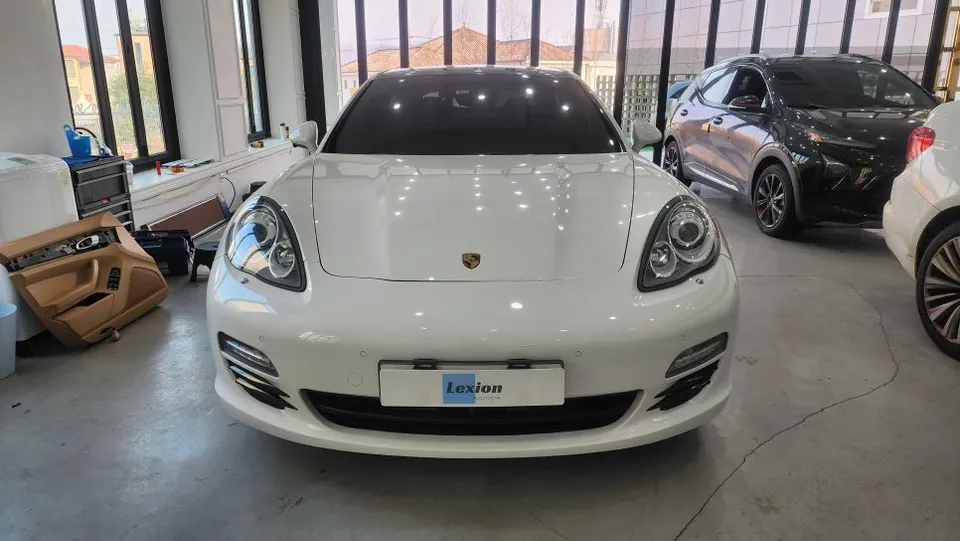
Before
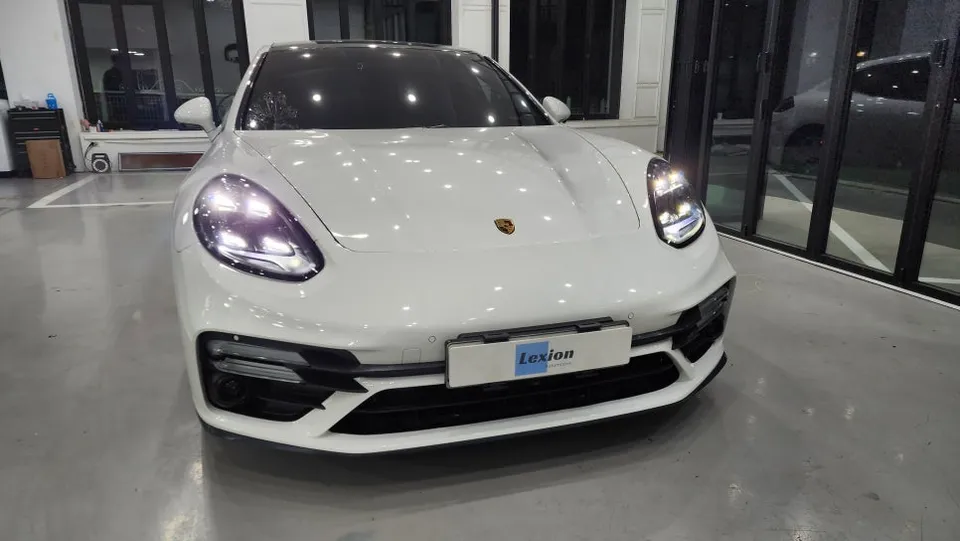
After
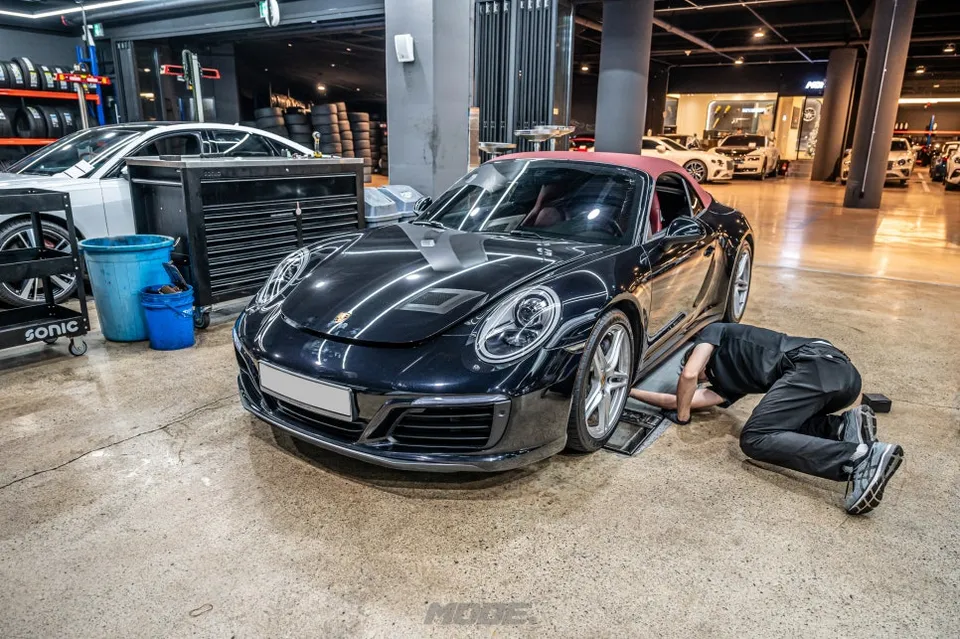
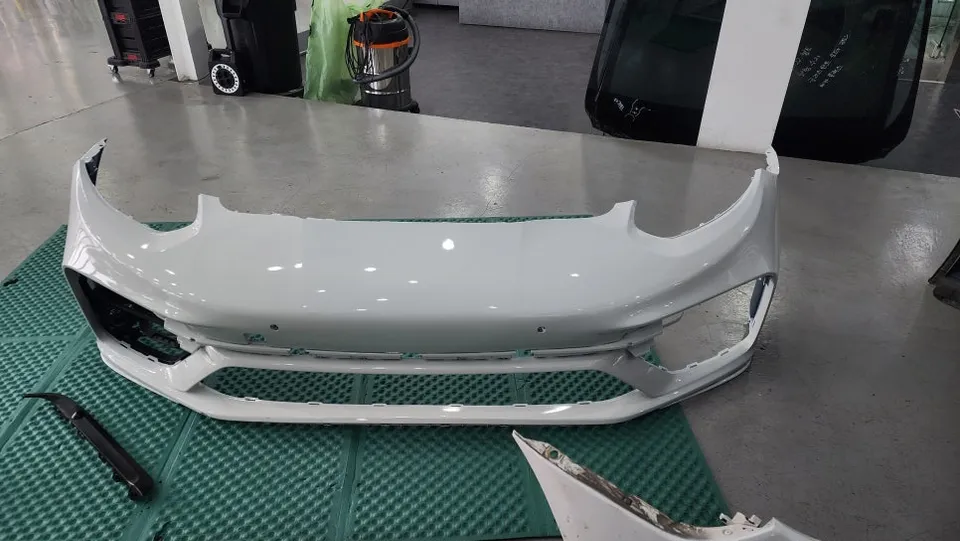
Process photos
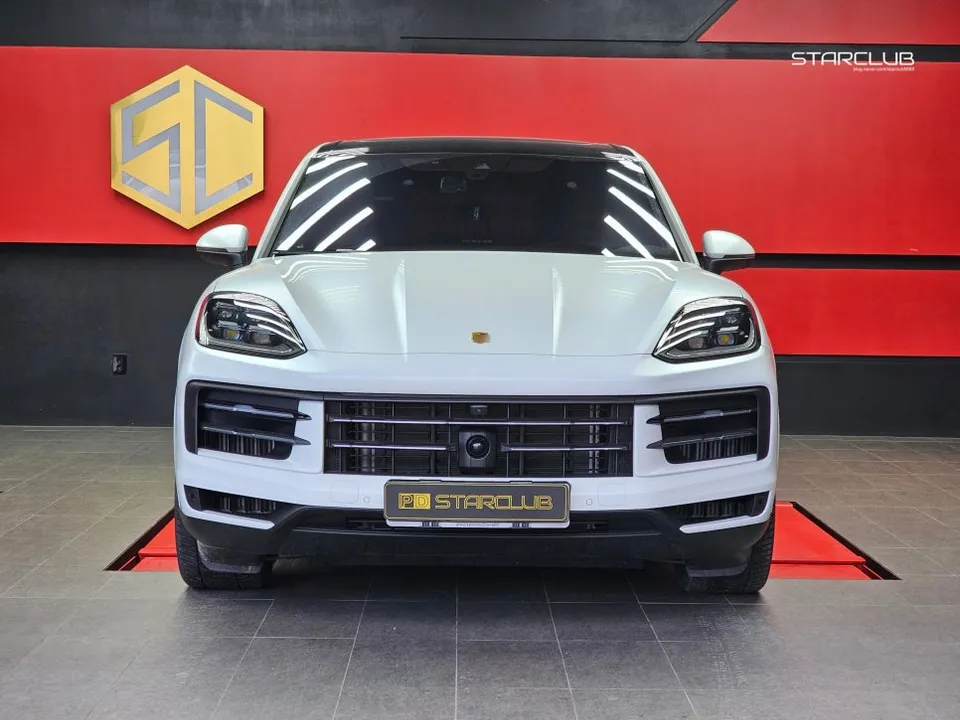
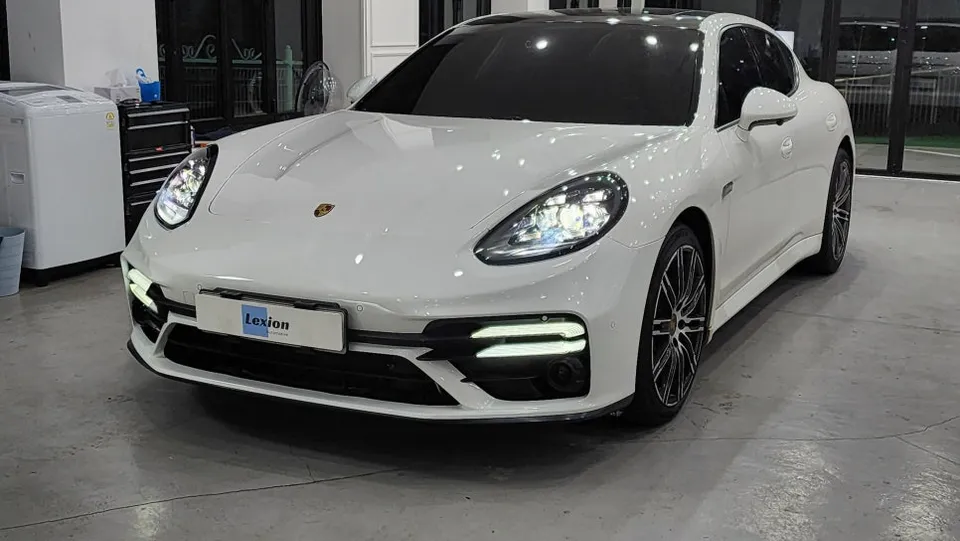
Porsche Panamera 970 body kit conversion with new headlights and taillights. Modernizes appearance.
Transform Your Porsche Panamera 970 with a New Body Kit
For Porsche Panamera 970 owners looking to refresh their vehicle's aesthetics, a body kit conversion offers a dramatic visual upgrade. This review focuses on a comprehensive conversion that includes the installation of a new front bumper, PDLS headlights, and facelifted taillights, giving the 970 a more modern and aggressive stance. The process, carried out by Lexicon Korea, a specialist in Porsche electrical tuning, aims to significantly enhance the car's appearance.
Body Kit Installation and Results
The conversion process involves several key stages to ensure a seamless integration of the new body kit components. The goal is to achieve a factory-like fit and finish, enhancing the Panamera's already sophisticated design. The before and after results are striking, with the updated front fascia and lighting significantly modernizing the car's profile. The new body kit not only changes the look but can also subtly alter the car's aerodynamics, though this is typically a secondary benefit for most owners focused on styling.
Installation Process:
- Component Preparation: The new body kit parts, including the front bumper and headlight assemblies, are inspected and prepared for fitment.
- Removal of Old Parts: The original front bumper, grille, and headlights are carefully removed from the Porsche Panamera 970.
- Fitting New Body Kit: The new front bumper is test-fitted and adjusted for proper alignment. PDLS headlights are then installed and connected.
- Wiring and Integration: Electrical connections for the new headlights and any integrated lighting features are made, ensuring full functionality. Facelift taillights are also fitted and wired.
- Finishing Touches: Panel gaps are checked, and any necessary adjustments are made. The vehicle is then cleaned and detailed.
The durability of a body kit depends heavily on the materials used. Kits made from high-quality polyurethane or ABS plastic generally offer better impact resistance and flexibility compared to fiberglass (FRP) options. Proper installation is crucial for longevity, as is regular maintenance, which typically involves gentle cleaning and avoiding harsh chemicals. While the exact cost for this specific conversion in Korea was not detailed in the source, such comprehensive body kit upgrades for a Porsche Panamera can range from several thousand dollars upwards in the US and UK, depending on the brand and complexity of the kit.
Frequently Asked Questions
Q. How much does a body kit cost for a Porsche Panamera 970?
The specific cost for this conversion in Korea was not provided, but comprehensive body kit upgrades for a Porsche Panamera 970 in the US and UK can range from several thousand dollars upwards. Expect professional installation to add significantly to the overall body kit cost.
Q. How long does body kit installation take on a Porsche Panamera 970?
Installation time can vary, but a full body kit conversion typically takes 1-3 days depending on the complexity and whether painting is required. Proper maintenance involves regular washing with mild soap and water, and avoiding abrasive cleaners.
Q. Is a body kit worth it for a Porsche Panamera 970?
A body kit is worth it for Panamera 970 owners seeking a significant visual refresh and a more modern aesthetic. The value proposition lies in the dramatic transformation of the vehicle's appearance, potentially increasing its visual appeal.
Q. How is a body kit installed on a Porsche Panamera 970?
Installation involves removing the original bumper and lights, test-fitting the new body kit components, making necessary adjustments for alignment, and connecting any new wiring for headlights or integrated features. Finally, panel gaps are refined, and the vehicle is detailed.
Q. What is the difference between FRP and polyurethane body kits for a Porsche Panamera 970?
FRP (Fiber Reinforced Plastic) kits are often less expensive but can be more brittle and prone to cracking upon impact. Polyurethane kits are generally more flexible, durable, and resistant to minor impacts, making them a better long-term investment despite a potentially higher initial body cost.
OhCar Partner Shop