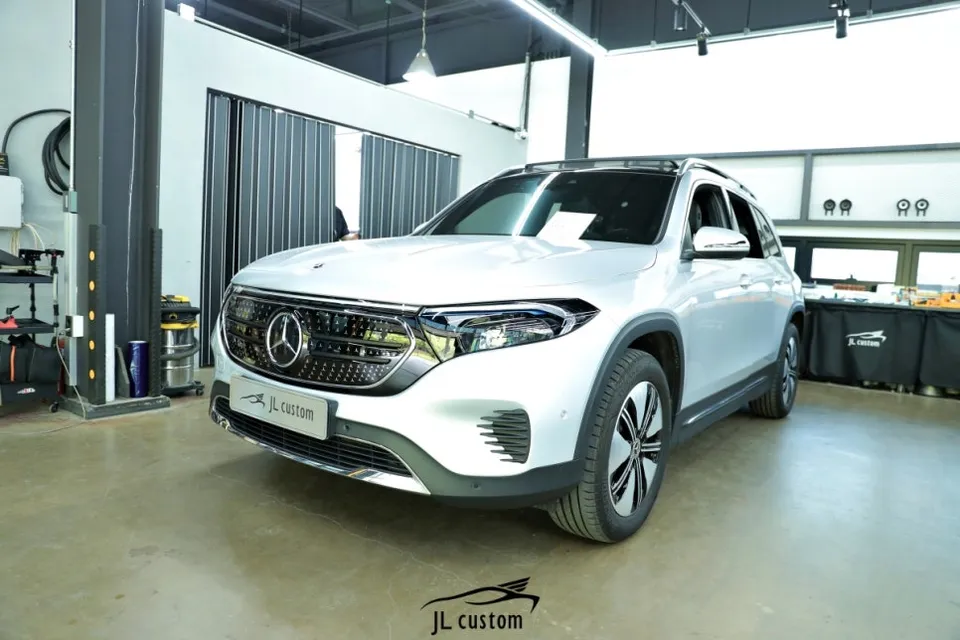
Mercedes-Benz EQA Seat Heating Review — Enhanced Comfort
Service Price
$150+
Estimated price · Actual price may vary by shop
Before
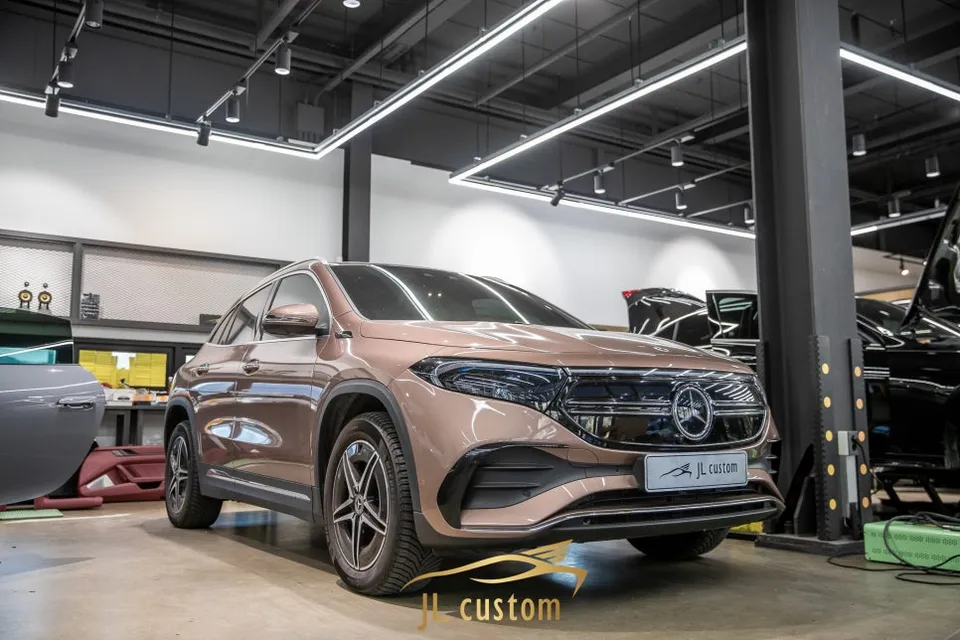
After
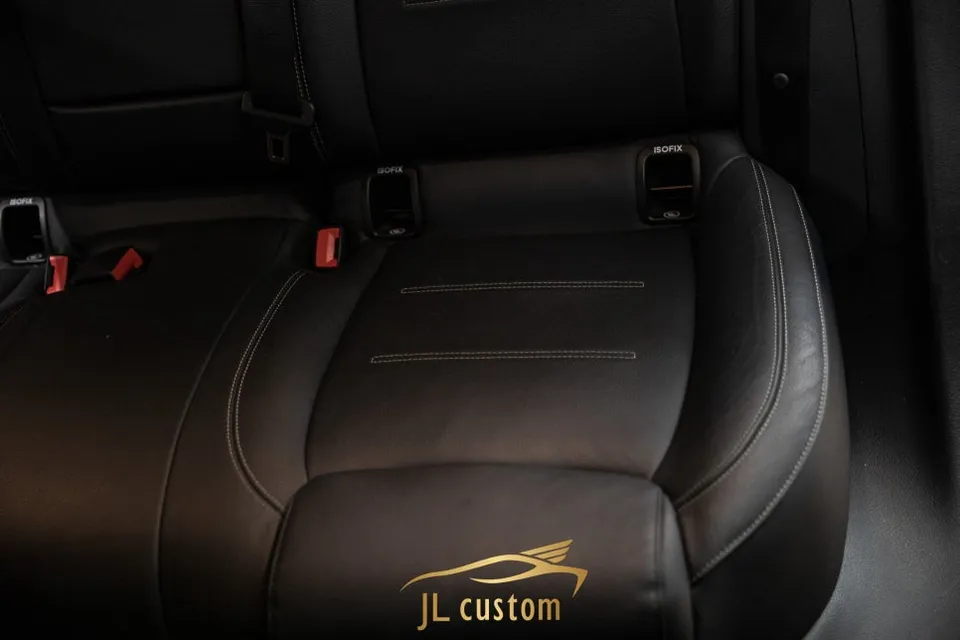
Process photos
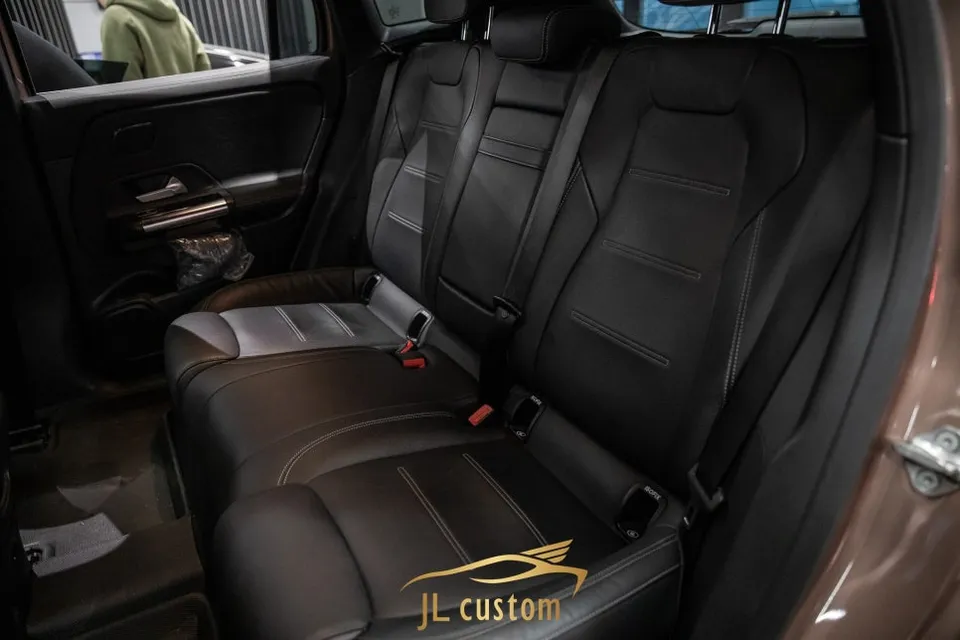
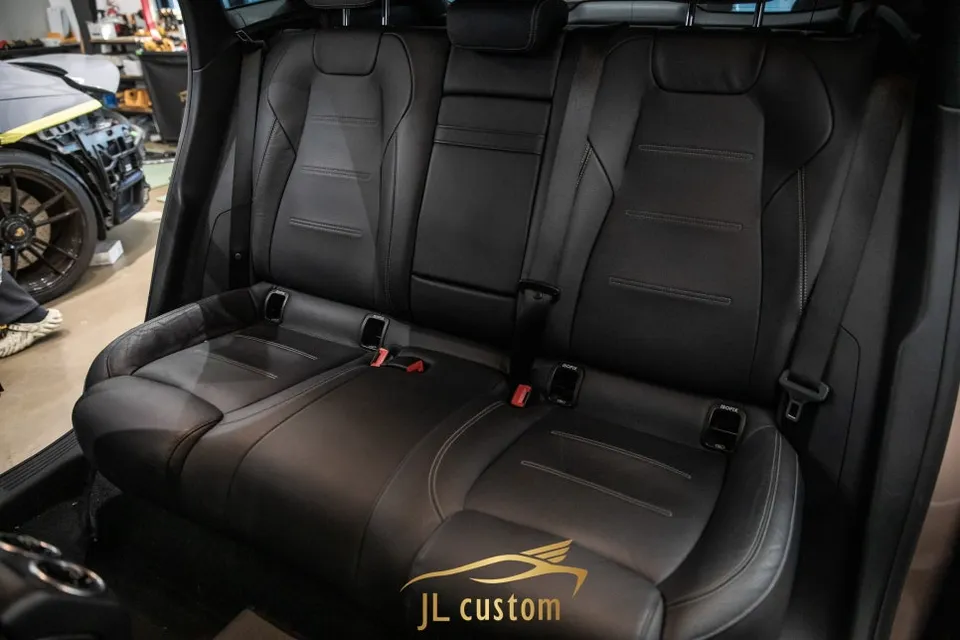
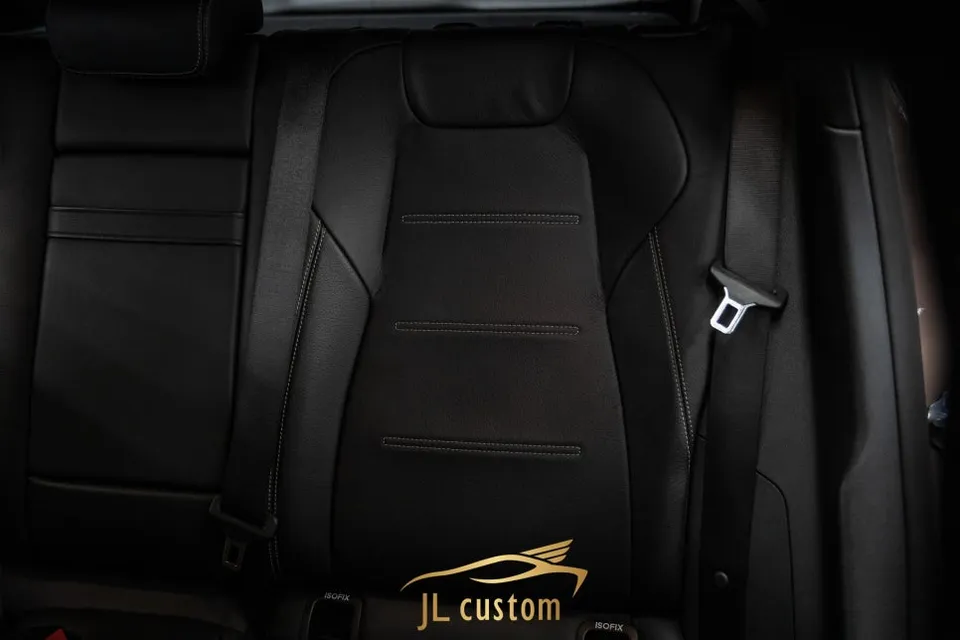
Mercedes-Benz EQA rear seat heating upgrade provides enhanced comfort. Installation involves precise pad placement and safety-certified components for
Addressing the Cold Reality of EQA Rear Seats
Many Mercedes-Benz EQA owners find a notable omission during colder months: the lack of rear seat heating. While the front seats offer warmth, passengers in the back are left to face the chill of the premium leather upholstery. This review details a Seat Ventilation & Heating upgrade for the Mercedes-Benz EQA, focusing on enhancing rear passenger comfort.
Why Cold Leather Seats Matter
Premium vehicles like the EQA often feature luxurious leather seats that, despite their aesthetic appeal, can feel significantly cold regardless of the cabin temperature. In winter, this immediate sensation of cold on the back and posterior can be quite unpleasant. The high thermal conductivity of the leather exterior means that even when the car's heater is running, it takes considerable time for the seats themselves to warm up. This is particularly concerning for those who frequently transport family members, such as parents or children, as passenger comfort directly reflects the driver's consideration.
The Seat Heating Installation Process
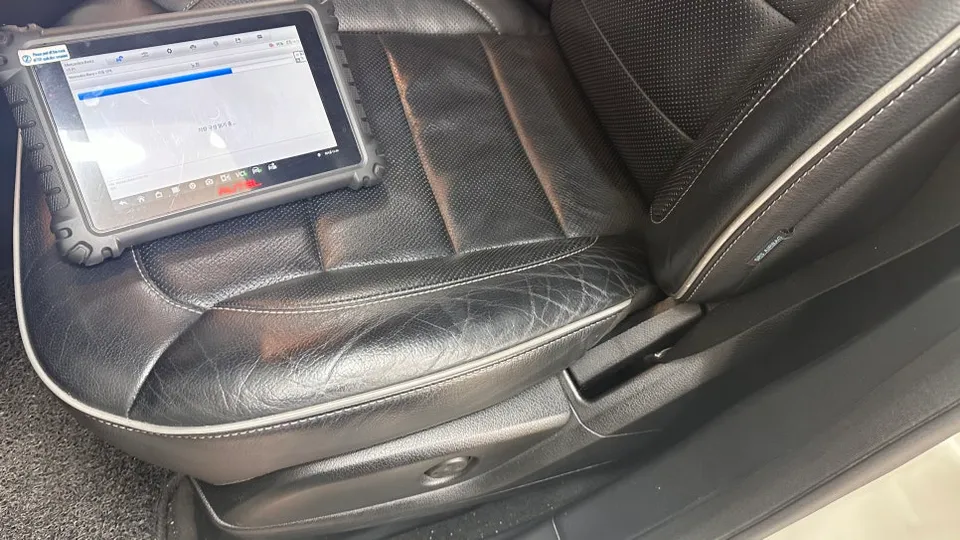
The process begins with the careful removal of the rear left and right seats from the vehicle. Specialists with extensive experience in seat heating installations ensure that the delicate leather and vehicle components are handled with utmost care, prioritizing protection throughout the disassembly and reassembly stages.
- Seats are carefully removed from the vehicle.
- The internal structure of the seat is accessed, revealing the foam and padding layers.
- Thin, flexible heating pads are precisely positioned over the foam, ensuring minimal impact on seat comfort and shape.
- Wiring is discreetly routed and connected to the vehicle's power system.
- Switches are installed in an accessible location, typically below the rear air vents.
- Seats are reinstalled, and the system is tested for functionality and even heat distribution.
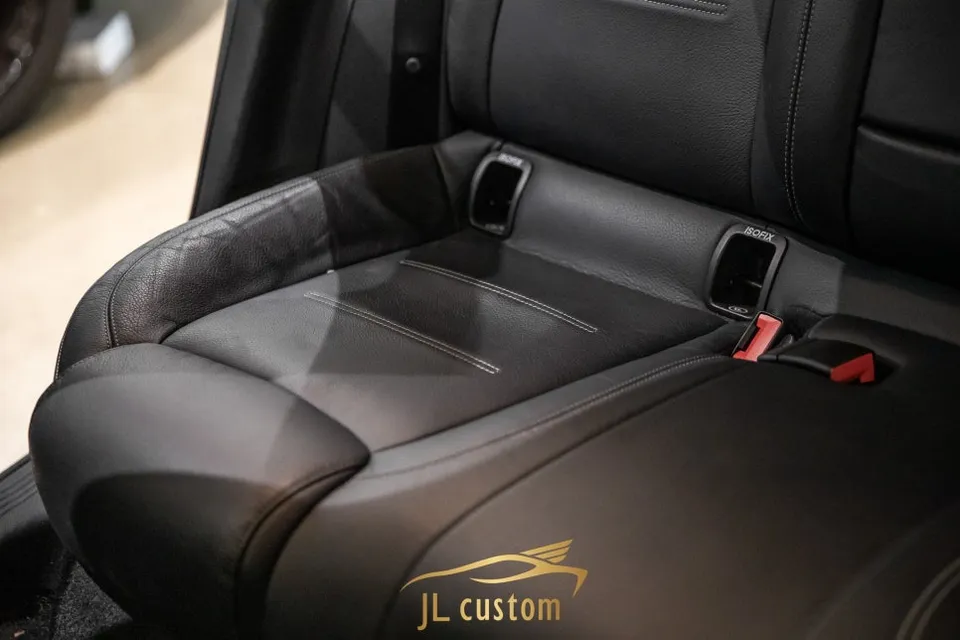
Safety and Performance of Heating Elements
The heating pads used are certified to meet domestic safety standards and include built-in automatic overheat protection, providing peace of mind, especially for families with children. These pads feature a multi-layered construction, including heating elements, insulation, and a protective layer, designed to minimize heat loss and maximize efficiency. This structure allows for rapid and uniform heat distribution with low power consumption.
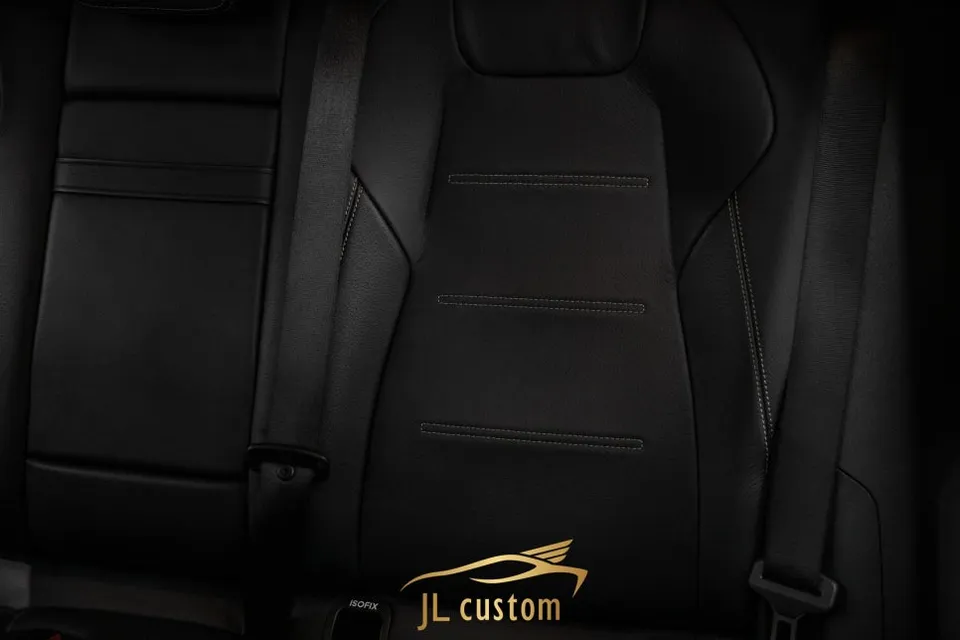
Optimizing Heat Distribution with Multiple Pads
The installation typically involves placing multiple heating pads – often eight in total (two for the lower back and two for the upper back on each side) – to ensure comprehensive warmth across key contact areas. These pads are wired to work in tandem, preventing uneven heating and ensuring a consistent temperature across the entire seating area. This configuration is crucial for achieving both quick heating and uniform temperature distribution, the hallmarks of a high-quality seat heating system.
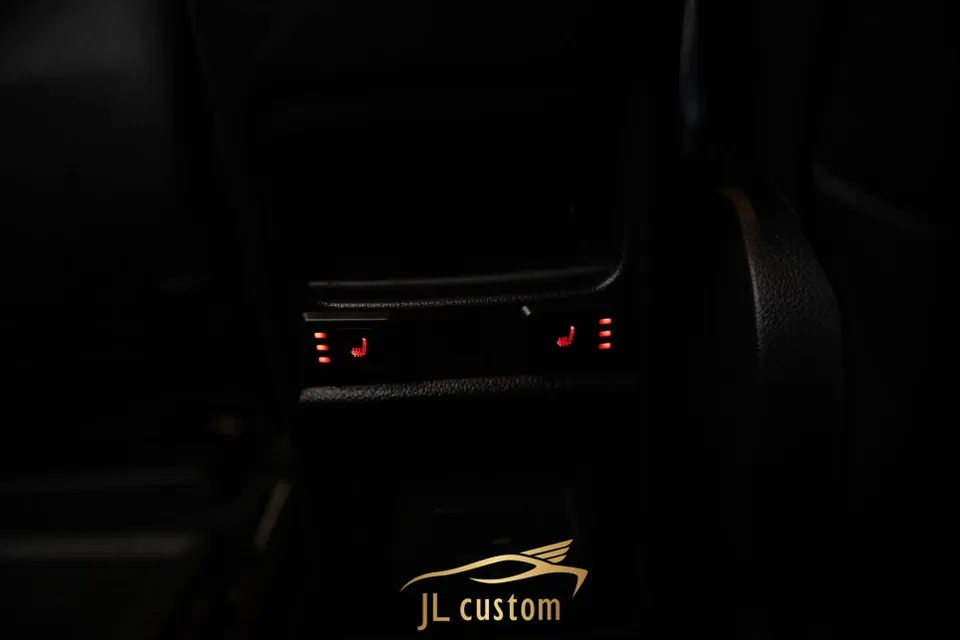
User-Friendly Controls for Personalized Comfort
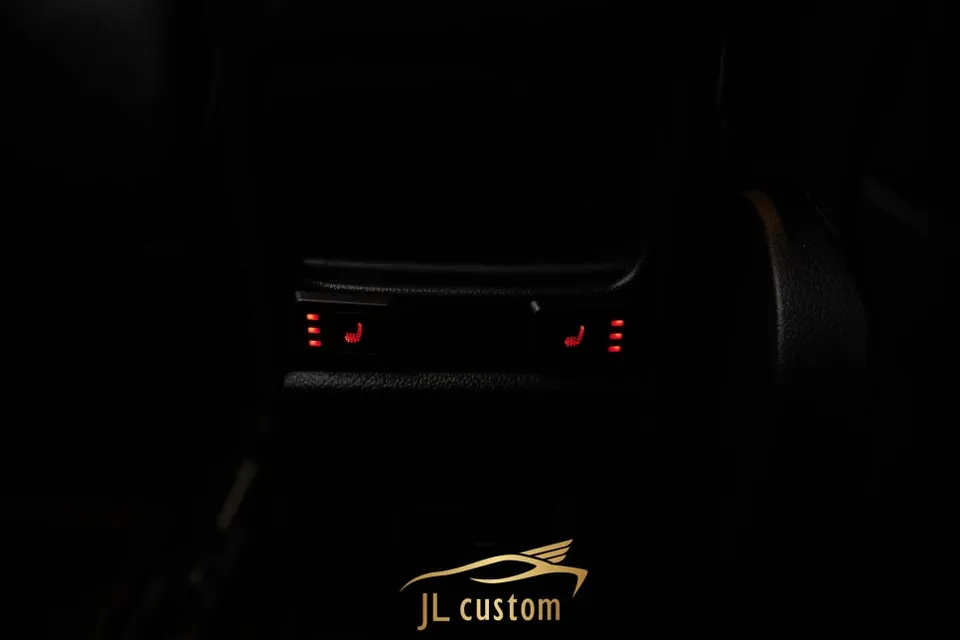
The control switches are strategically installed, often beneath the rear air vents, to maintain the vehicle's interior aesthetics and provide intuitive access for passengers. These switches typically offer multiple heat settings (e.g., low, medium, high), allowing occupants to personalize their comfort level. An essential safety feature is the automatic shut-off function, which powers down the system when the vehicle is turned off, preventing battery drain if forgotten.
Heated Seats vs. Vehicle Heater
While the car's primary heater warms the cabin air, integrated seat heating systems directly warm the occupants. This provides a much faster and more localized form of warmth, directly addressing the cold sensation from leather seats. Heated seats are particularly effective in quickly raising comfort levels on frigid days, offering a more immediate and personalized heating experience compared to relying solely on cabin air circulation.
Frequently Asked Questions
Q. How much does Seat Ventilation & Heating cost for a Mercedes-Benz EQA?
The cost for a rear Seat Ventilation & Heating upgrade on a Mercedes-Benz EQA can vary, but typically ranges from ₩500,000 to ₩1,000,000 in Korea. In the US, similar aftermarket installations might range from $400 to $800.
Q. How long does Seat Ventilation & Heating last on a Mercedes-Benz EQA?
Professionally installed Seat Ventilation & Heating systems are designed to last for many years, often matching the lifespan of the vehicle's interior components. Regular checks of the wiring and switches can help ensure longevity, and avoiding excessive moisture is recommended.
Q. Is Seat Ventilation & Heating worth it for a Mercedes-Benz EQA?
Seat Ventilation & Heating is highly recommended for Mercedes-Benz EQA owners who frequently carry rear passengers, especially during colder months. It significantly enhances comfort and demonstrates a thoughtful consideration for all occupants, adding considerable value to the driving experience.
Q. How is Seat Ventilation & Heating done on a Mercedes-Benz EQA?
Installation involves carefully removing the rear seats, precisely placing thin, certified heating pads onto the seat foam, and discreetly routing the wiring. Finally, user-friendly control switches are installed, and the system is tested for optimal performance and safety.
Q. What is the best Seat Ventilation & Heating option for a Mercedes-Benz EQA?
The best option involves using certified, multi-layered heating pads with built-in overheat protection and automatic shut-off features. Opt for systems that offer multiple heat settings and are installed by experienced technicians to ensure even heat distribution and a seamless integration with your EQA's interior.
OhCar Partner Shop