Volkswagen Passat Seat Climate Upgrade Review: Cost & Results
Service Price
$under $40
Estimated price · Actual price may vary by shop
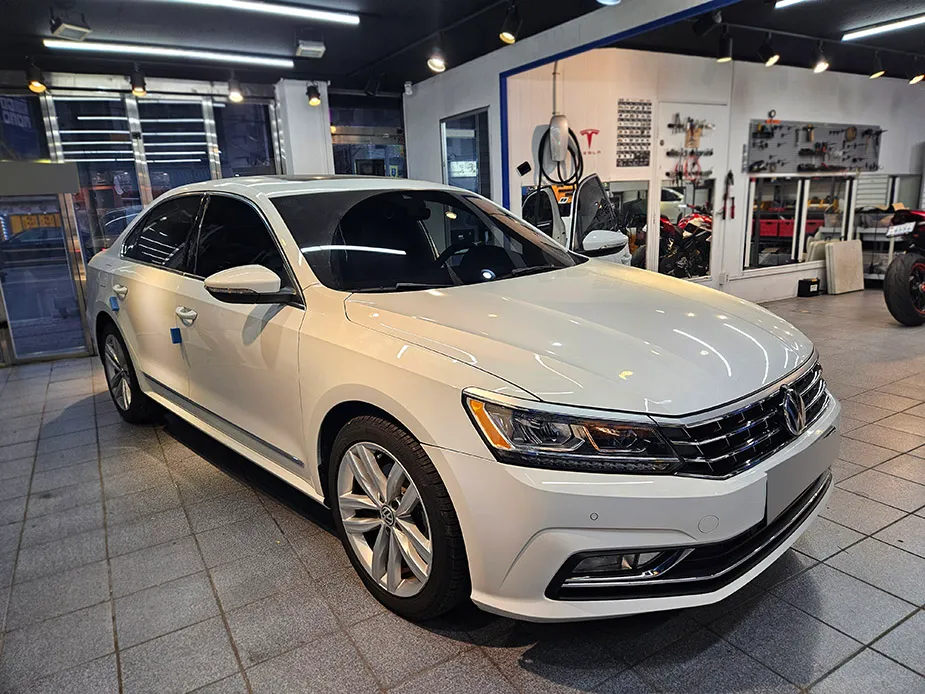
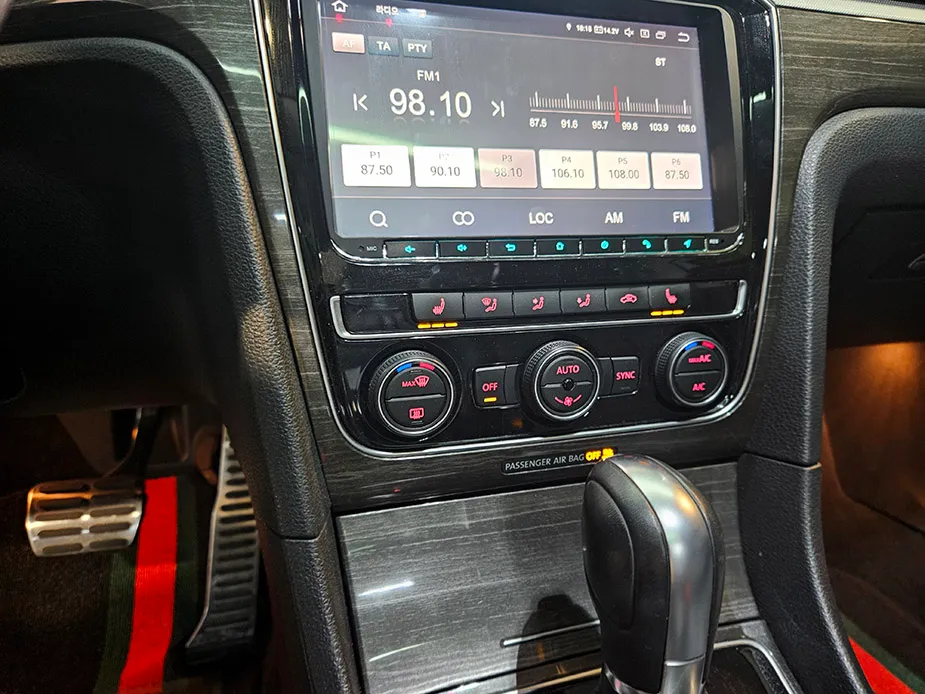
Volkswagen Passat seat climate upgrade: Repair costs around $150-$300 USD. Enhances comfort with heating/cooling.
Upgrade Your Comfort: Seat Ventilation & Heating for Your Volkswagen Passat
As the seasons change, the comfort of your car's interior becomes paramount. For Volkswagen Passat owners, the desire for enhanced climate control often leads to exploring options like seat ventilation and heating. While many modern vehicles offer these features from the factory, older models or specific trims might lack them. This review delves into the specifics of retrofitting seat climate control, covering the installation process, potential costs, and the tangible benefits you can expect.
Understanding Seat Climate Control Retrofits
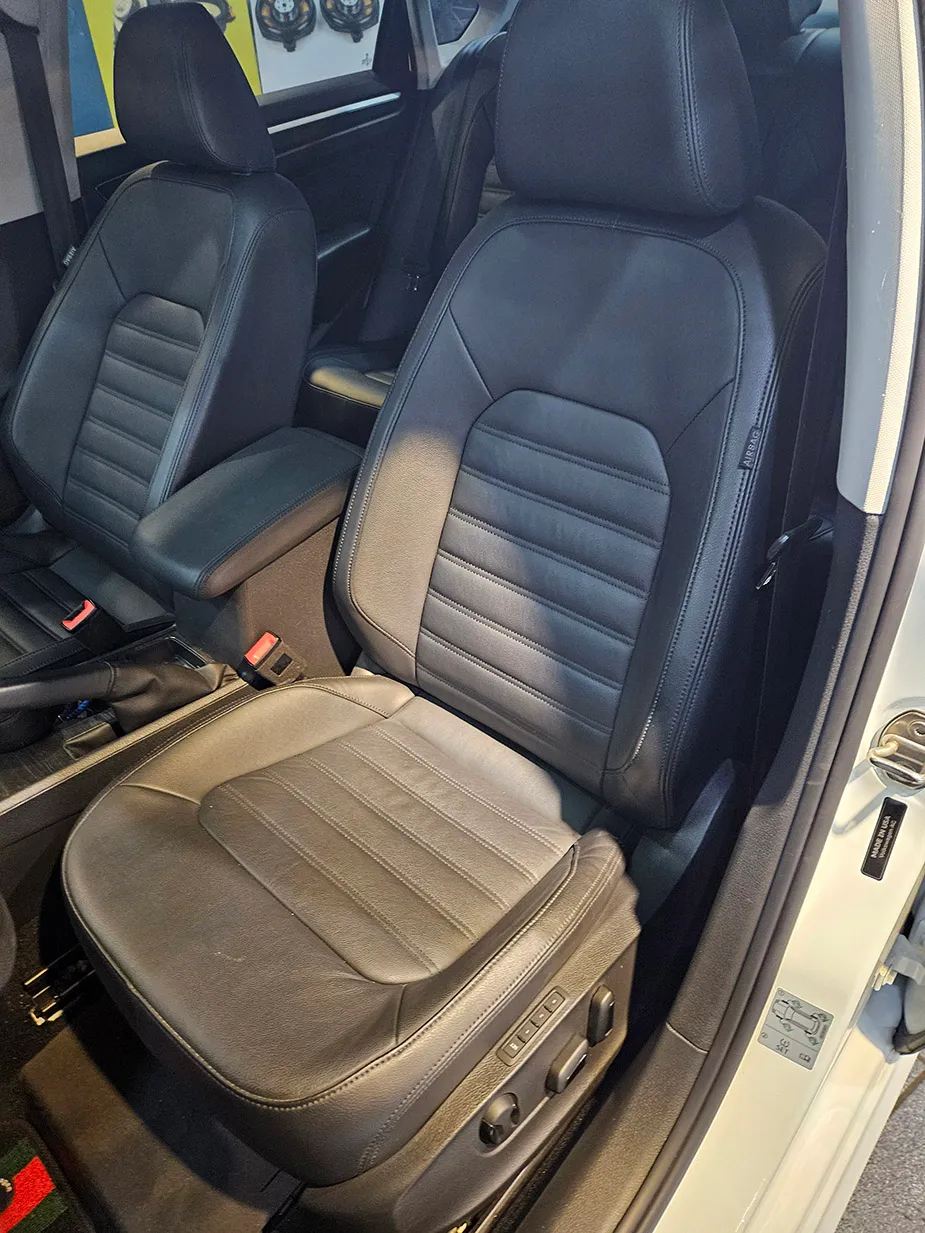
The concept of seat ventilation and heating involves integrating systems that can either cool or warm the occupants' seating area. This goes beyond basic seat covers, involving specialized heating elements and/or fans embedded within the seat structure. In the context of a Volkswagen Passat, retrofitting these systems typically addresses two main scenarios: adding these features to a car that never had them, or repairing existing systems that have malfunctioned. The Korean source material focuses on a repair scenario for a Volkswagen Passat's heated seats, highlighting a common issue where the heating function stops working despite the indicator light being on. This repair involved diagnosing and fixing a broken wire within the seat's heating element. While the original context is repair, the underlying principles of seat climate systems are relevant to understanding potential upgrades.
The Seat Ventilation & Heating Installation Process
Installing a seat climate upgrade, whether it's a full ventilation system or a heating element repair, requires a methodical approach. The process generally involves:
- Seat Disassembly: Carefully removing the seat covers to access the internal components.
- Component Integration: Installing the new heating pads or ventilation fans and their associated wiring harnesses. For repairs, this involves locating the damaged section of the existing heating element.
- Wiring and Connections: Connecting the new components to the vehicle's power source and control modules. This often requires tapping into existing circuits or installing new switches.
- Testing and Reassembly: Thoroughly testing the functionality of the installed system before reassembling the seat to its original condition.
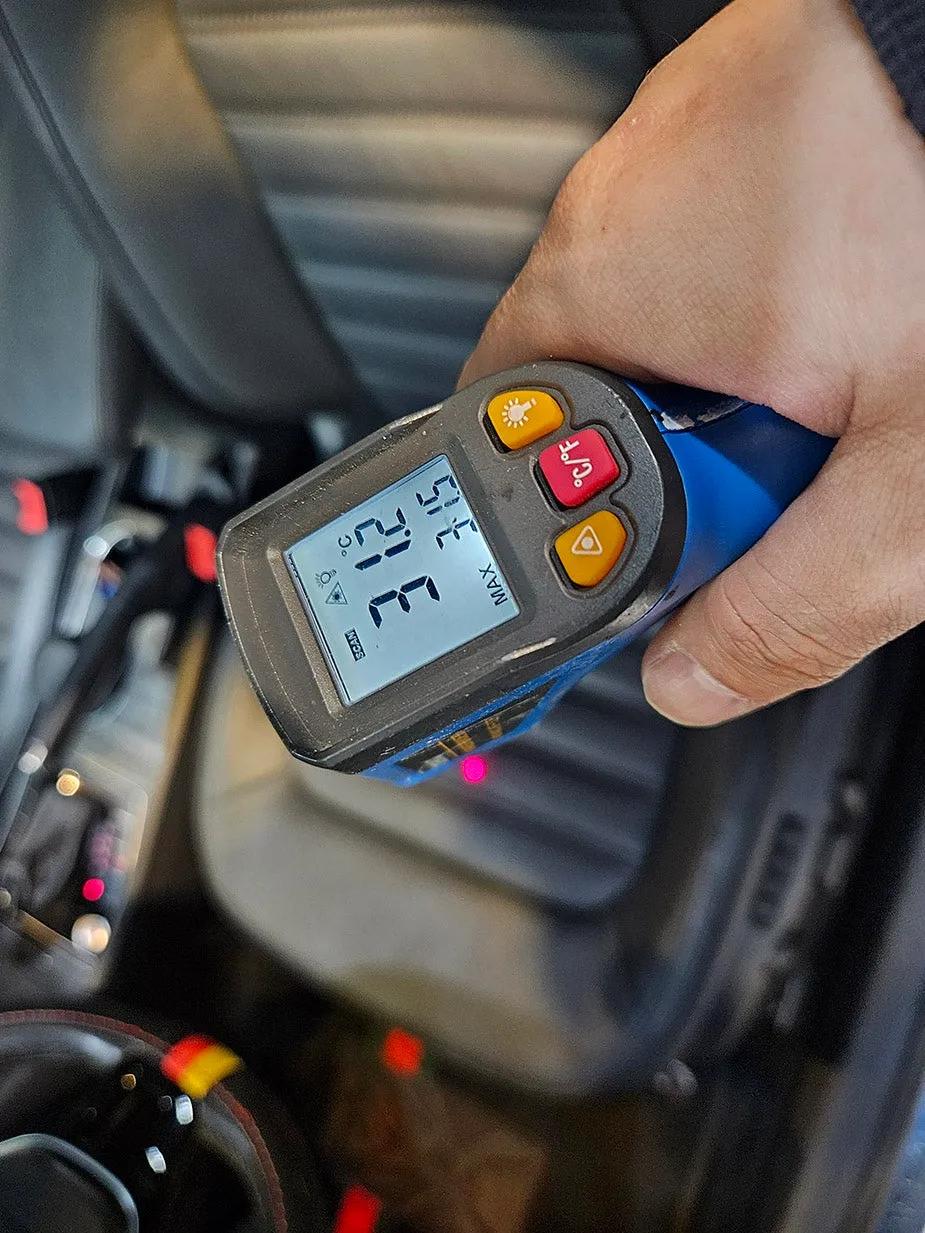
The original Korean repair case for the Volkswagen Passat involved diagnosing two breaks in the internal wiring of the heated seat. The technicians meticulously disassembled the seat, located the breaks, and repaired them, ensuring the heating element functioned correctly again. This repair process took approximately 2-3 hours. While adding a full ventilation system might take longer, the principle of careful disassembly, component integration, and testing remains consistent.
Durability, Maintenance, and Cost Considerations
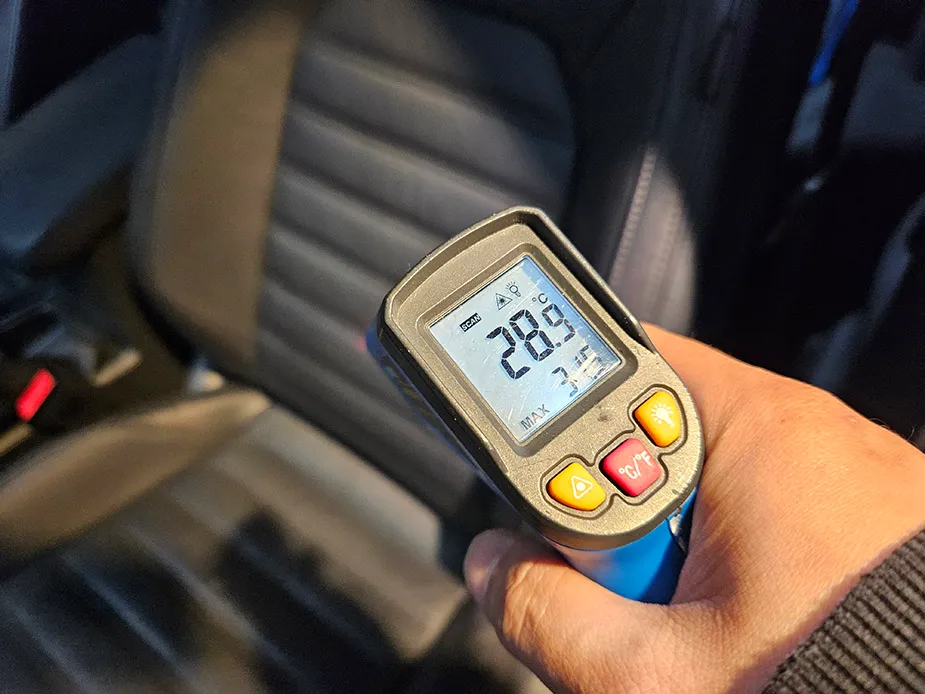
When considering a seat climate upgrade for your Volkswagen Passat, durability and maintenance are key factors. Well-installed systems, especially those using quality components, can last for many years. Regular maintenance typically involves keeping the seat upholstery clean and avoiding excessive moisture, which could potentially damage the electronic components. For heated seats, the most common failure point, as seen in the repair example, is wire breakage due to repeated flexing and stress. Professional repair of such issues, as performed in the Korean case, can be significantly more cost-effective than replacing the entire seat or heating element. The repair for the Passat's heated seat issue was estimated to be between 200,000 and 400,000 Korean Won (approximately $150-$300 USD, depending on exchange rates), with a one-year warranty provided. While a full seat ventilation and heating retrofit could range from $500 to $1500+ USD depending on the system and vehicle, understanding the repair costs provides valuable context for the overall investment in seat comfort.
Is a Seat Climate Upgrade Worth It for Your Passat?
Deciding whether a seat ventilation and heating upgrade is worthwhile for your Volkswagen Passat depends on your priorities and budget. If you frequently experience discomfort due to extreme temperatures, these systems can significantly enhance your driving experience. For those in hotter climates, ventilated seats offer a welcome respite from sticky, hot upholstery. In colder regions, heated seats provide essential warmth during winter months. The repair example demonstrates that even existing systems can be salvaged, offering a cost-effective solution to restore comfort. For a new installation, weigh the cost against the added luxury and comfort. If you value a premium interior experience and frequently drive in varying weather conditions, a seat climate upgrade can be a worthwhile investment, potentially increasing the overall appeal and comfort of your Passat.
Frequently Asked Questions
Q. How much does a seat ventilation and heating upgrade cost for a Volkswagen Passat?
Repairing a malfunctioning heated seat in a Volkswagen Passat can cost between 200,000-400,000 KRW (approx. $150-$300 USD). A full aftermarket seat ventilation and heating system installation typically ranges from $500 to $1500+ USD.
Q. How long do seat ventilation and heating systems last in a Volkswagen Passat?
With proper installation and quality components, these systems can last for many years. Regular maintenance involves keeping the seats clean and dry to prevent damage to the electrical components.
Q. Are aftermarket ventilated seats worth it for a Volkswagen Passat?
Yes, if you frequently experience discomfort from extreme temperatures, ventilated and heated seats can significantly enhance your driving experience. They add a level of comfort and luxury that can make daily driving more enjoyable.
Q. How are ventilated seats installed in a Volkswagen Passat?
Installation involves carefully disassembling the seat covers to integrate heating pads or ventilation fans. Wiring is then connected to the vehicle's power and controls, followed by thorough testing and reassembly.
Q. What is the difference between OEM and aftermarket ventilated seats for a Volkswagen Passat?
OEM (Original Equipment Manufacturer) systems are designed specifically for the vehicle by the car manufacturer, ensuring perfect integration. Aftermarket systems offer a retrofit solution that can be more affordable but may vary in quality and integration complexity.
OhCar Partner Shop