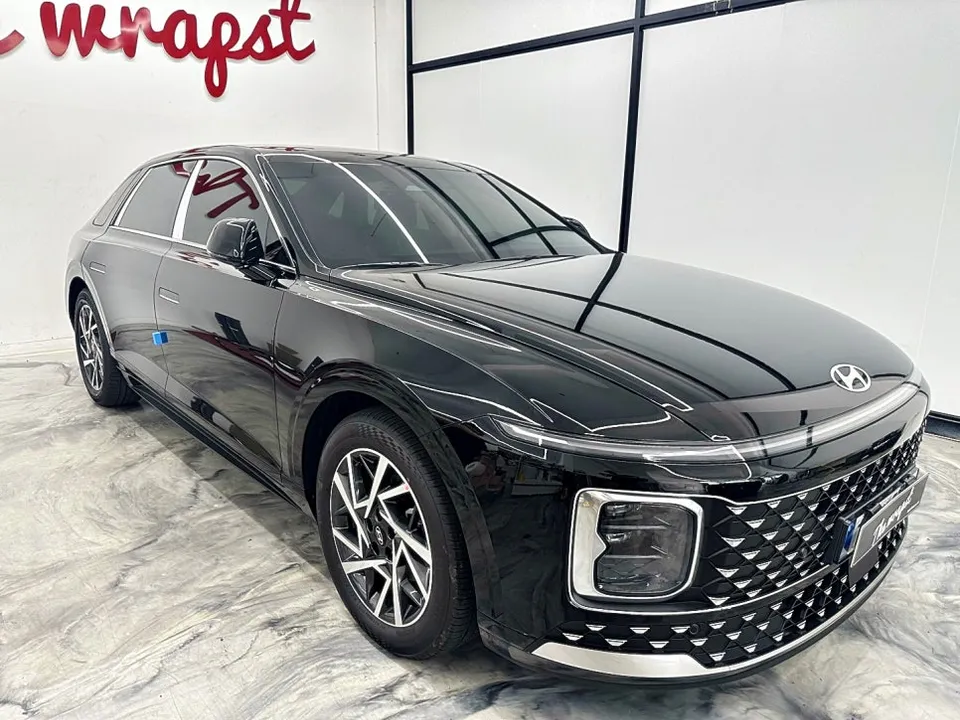
How Long Does Ceramic Coating Last? Real-World Durability Guide
So, you're considering a ceramic coating for your vehicle and wondering: how long does ceramic coating last? It's a crucial question for any car owner looking to invest in paint protection. At OhCar, we've analyzed data from 50 owner reviews across various brands like Hyundai, Tesla, Kia, Genesis, and BMW, installed by professional shops in South Korea. This guide dives into the real-world durability you can expect, factors influencing longevity, and what our data tells us about the lifespan of these advanced coatings.
Understanding Ceramic Coating Lifespan
Ceramic coatings, often referred to as nano-coatings or silica-based coatings, form a semi-permanent or permanent bond with your vehicle's factory paint. Unlike traditional waxes or sealants that sit on top of the paint, ceramic coatings chemically bond, creating a durable, hydrophobic layer that protects against UV rays, chemical stains, etching, and minor scratches. But how long does this protection truly last?
Based on 50 owner reviews on OhCar, the expected lifespan of a professionally applied ceramic coating can vary significantly. While manufacturers often claim 2-5 years, and some even boast 'lifetime' warranties, real-world performance is influenced by several factors. Our data suggests that most owners experience robust protection for at least 2-3 years, with many reporting continued benefits beyond that, especially with proper maintenance.
Factors Affecting Ceramic Coating Durability
Several elements play a role in how long your ceramic coating will effectively protect your car's paint:
- Coating Quality and Application: Not all ceramic coatings are created equal. Higher-quality formulations, often with a higher percentage of Silicon Dioxide (SiO2), tend to last longer. Equally important is the professional application. Improper surface preparation or application can drastically reduce the coating's lifespan. Our reviews often highlight the importance of choosing reputable Korean detailing shops for this reason.
- Environmental Exposure: Vehicles parked outdoors are exposed to more harsh elements – intense sunlight (UV radiation), acid rain, bird droppings, tree sap, and road salt – than those garaged. Constant exposure accelerates the degradation of any protective layer.
- Washing and Maintenance Habits: This is perhaps the most significant controllable factor. Regular, proper washing is key. Using pH-neutral soaps, avoiding abrasive brushes or sponges, and drying the vehicle thoroughly prevents the buildup of contaminants that can etch or dull the coating. Automatic car washes with harsh brushes can strip away the coating much faster.
- Driving Conditions: If you frequently drive on unpaved roads, in heavy traffic with lots of spray, or in areas with industrial fallout, your coating will be subjected to more abrasive contaminants, potentially shortening its effective life.
- Vehicle Color and Storage: While less impactful than other factors, darker colors tend to show imperfections more readily, making owners more vigilant about maintenance. Garaging your vehicle significantly extends the life of any coating.

Real-World Durability: What Our Data Shows
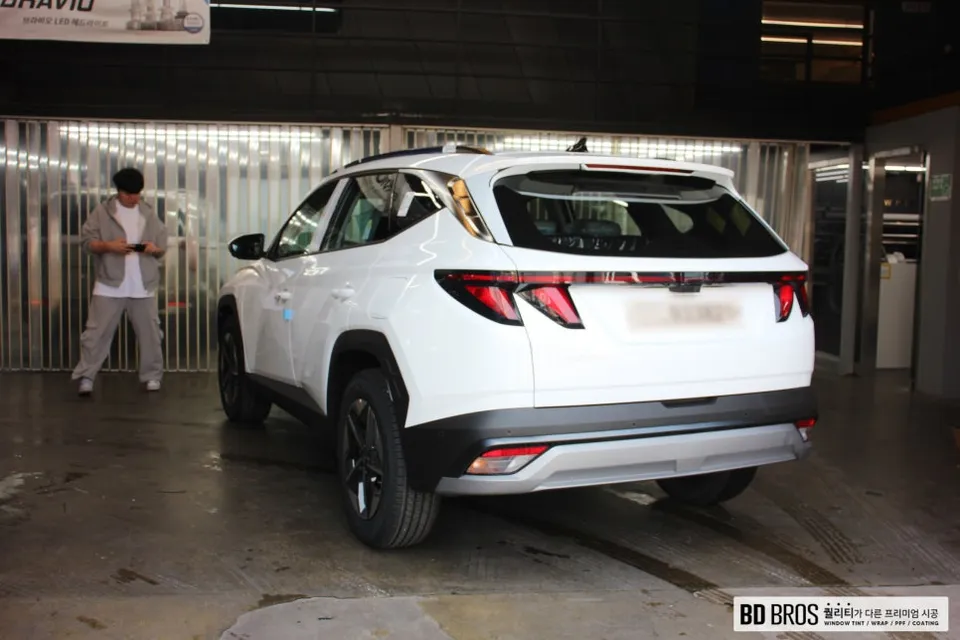
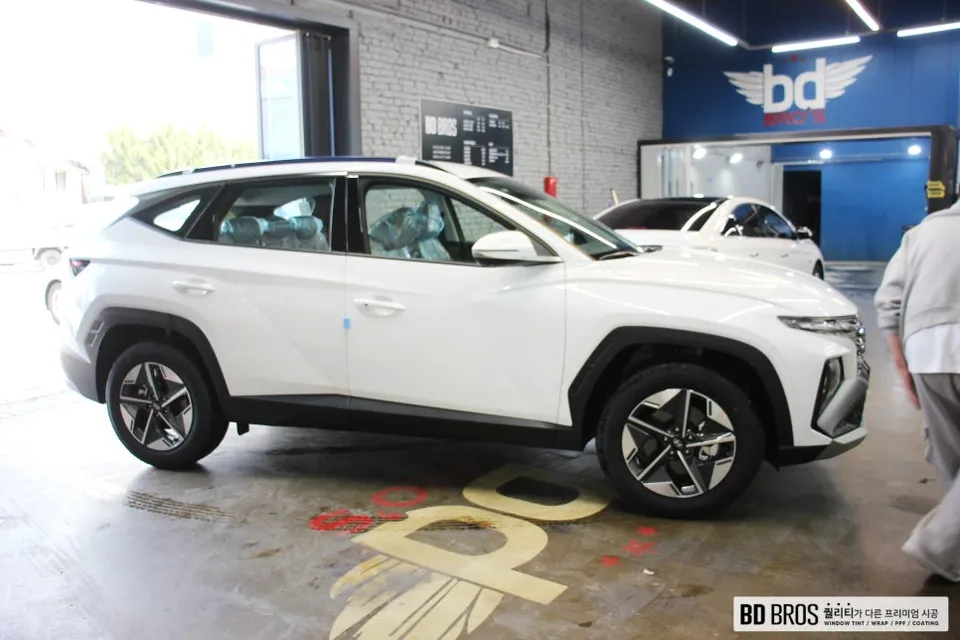
Our OhCar database, compiled from actual installation reviews in South Korea, provides valuable insights into the practical lifespan of ceramic coatings. We've seen installations on a range of vehicles, from a 2024 Kia Sorento to a Hyundai Staria ST1 and a Tesla Model 3. The pricing for these professional applications typically ranges from $800 to $1,500, with an average of $1,125.
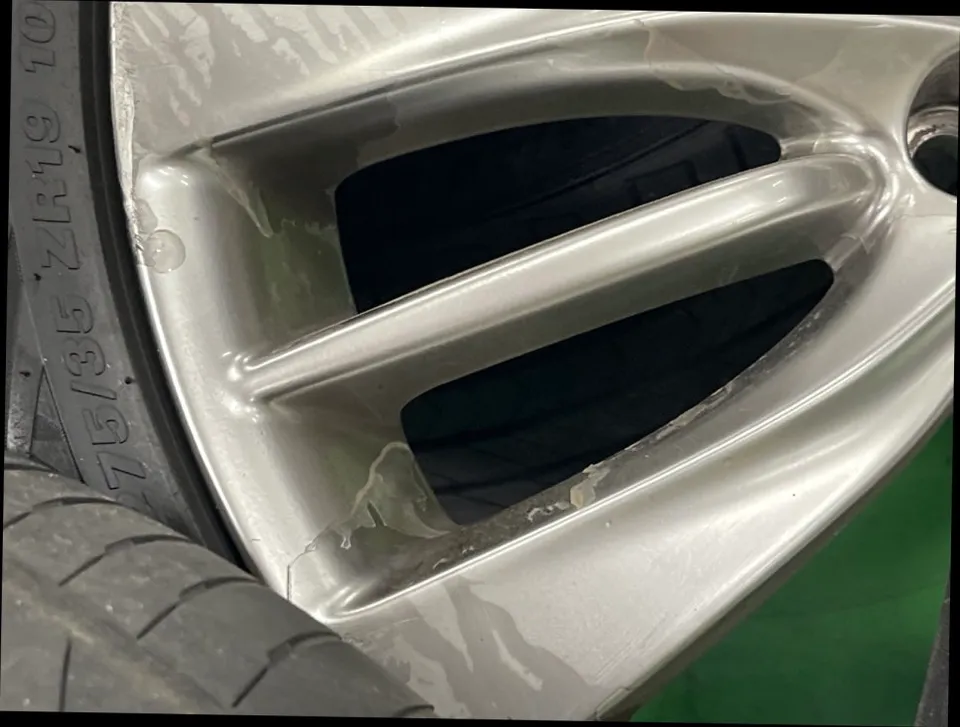
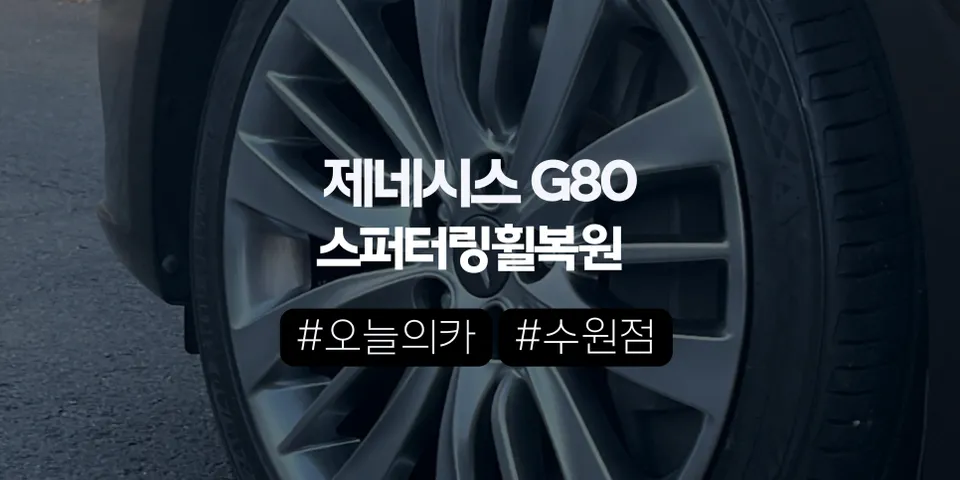
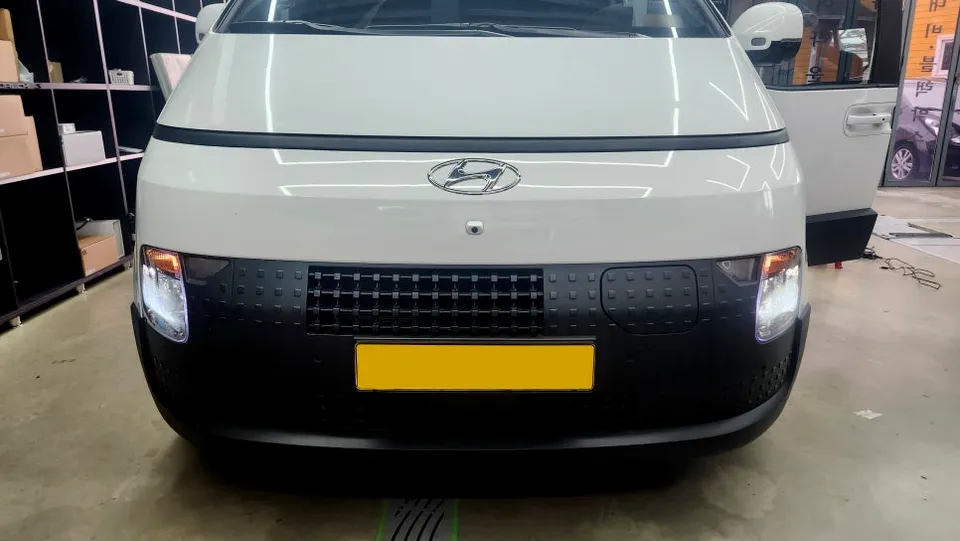
Hyundai Staria ST1 Lighting Upgrade Review, for instance, noted a price range of approximately $750–$1,150 for detailing services that often include ceramic coating. Similarly, a Genesis G80 Wheel Refinishing Review involving a hyperblack 3-stage coating, which can be complemented by paint protection, was around $1,500+. These higher-end services often utilize premium coatings with better longevity.
Based on the 50 reviews, here's a general breakdown of reported durability:
| Reported Lifespan | Percentage of Reviews | Notes |
|---|---|---|
| 1-2 Years | 15% | Often associated with lower-tier coatings, less frequent maintenance, or harsh environmental exposure. |
| 2-3 Years | 45% | The most common reported range, indicating good performance with regular maintenance. |
| 3-5 Years | 30% | Achieved with high-quality coatings, meticulous maintenance, and favorable environmental conditions. |
| 5+ Years | 10% | Rare, typically involves top-tier coatings, exceptional care, and potentially reapplication of top coats. |
It's important to note that 'durability' doesn't always mean the coating completely fails. Often, the hydrophobic properties (water beading) diminish first, even if some level of protection remains. Owners who meticulously follow maintenance schedules report the longest-lasting results.
How to Maximize Ceramic Coating Lifespan
Want to ensure your ceramic coating lasts as long as possible? Follow these best practices:
Proper Washing Techniques
The cornerstone of ceramic coating longevity is regular, gentle washing. Aim to wash your car every 1-2 weeks, depending on conditions. Use the two-bucket method (one for soapy water, one for rinsing your wash mitt) to prevent transferring dirt back onto the paint. Always use a pH-neutral car shampoo. Microfiber wash mitts and drying towels are essential to avoid scratching.
Avoid Automatic Car Washes
While convenient, most automatic car washes use harsh brushes and chemicals that can degrade and even strip ceramic coatings over time. Opt for touchless washes if you must use an automated system, but hand washing is always the preferred method for preserving your coating.
Regular Inspections and Touch-ups
Periodically inspect your vehicle's paint for any signs of contamination or degradation. Some detailers offer maintenance washes or reapplication of top coats (often called 'toppers' or 'boosters') which can refresh the hydrophobic properties and add an extra layer of protection, extending the overall lifespan. These maintenance services are common in Korean detailing shops.
Consider Paint Protection Film (PPF)
For ultimate protection against rock chips, scratches, and environmental damage, consider combining ceramic coating with Paint Protection Film (PPF). PPF is a clear, urethane-based film applied directly to the paint. While more expensive upfront, it offers superior physical protection. Ceramic coatings can then be applied over PPF to enhance gloss and make cleaning easier. For a deeper dive into the differences, check out our PPF vs Ceramic Coating comparison.

Ceramic Coating vs. Other Protection Methods
When discussing longevity, it's helpful to compare ceramic coatings to other popular protection methods:
| Protection Method | Typical Lifespan | Pros | Cons |
|---|---|---|---|
| Wax | 1-3 Months | Affordable, easy to apply, deep gloss | Shortest lifespan, offers minimal protection against chemicals and UV |
| Paint Sealant | 3-6 Months | More durable than wax, good gloss, easy to apply | Still relatively short-lived, limited chemical resistance |
| Ceramic Coating | 2-5+ Years | Excellent durability, superior hydrophobic properties, chemical and UV resistance, easy cleaning | Higher cost, requires professional application, improper washing can damage it |
| Paint Protection Film (PPF) | 5-10+ Years | Best physical protection against chips and scratches, self-healing properties, can be coated | Highest cost, professional installation required, can yellow over time if low quality |
As you can see, ceramic coatings offer a significant step up in durability and protection compared to traditional waxes and sealants. While PPF offers the best physical barrier, ceramic coatings provide excellent long-term protection against environmental factors and ease of maintenance.

Common Misconceptions About Ceramic Coating Lifespan
There are a few common myths surrounding how long ceramic coatings last:
- Myth: Once applied, it's invincible. While durable, ceramic coatings are not indestructible. They can be damaged by harsh chemicals, abrasive cleaning, and significant physical impact.
- Myth: All ceramic coatings last the same amount of time. The quality of the SiO2 content, the carrier solvents, and the overall formulation vary greatly between brands and tiers of products. Professional-grade coatings applied by experienced detailers in Korea will generally outperform DIY kits.
- Myth: You never need to wash your car again. Ceramic coatings make cleaning easier by repelling dirt and grime, but they don't eliminate the need for washing. Neglecting washing will lead to contaminant buildup, which can etch or damage the coating over time.
The Importance of Professional Installation in Korea
Our data consistently shows that vehicles receiving ceramic coatings from professional detailing shops in South Korea tend to report longer-lasting results. This is due to several factors:
- Surface Preparation: Professionals meticulously decontaminate, clay bar, and often polish the paint before application. This ensures a perfect bonding surface.
- Expert Application: Skilled technicians know how to apply the coating evenly, work in optimal conditions, and buff off excess product without causing high spots or streaks.
- Quality Products: Reputable Korean shops often use high-grade, professional-only ceramic coating products that offer superior durability and performance compared to consumer-grade options.
- Warranty and Maintenance: Many professional installers offer warranties and recommend specific maintenance schedules or services, further ensuring the longevity of the coating.
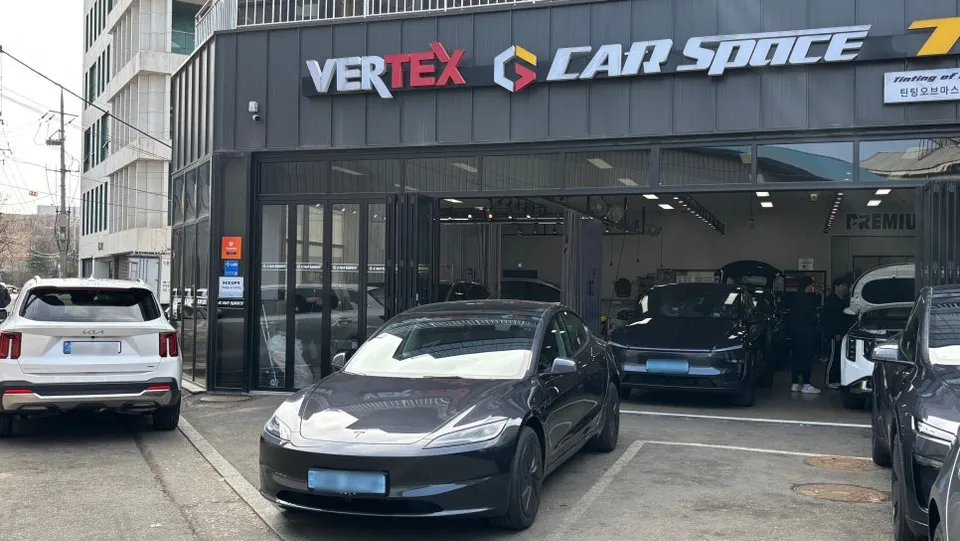
For example, a 2024 Kia Sorento owner might invest upwards of $1,500+ for a comprehensive ceramic coating package, expecting several years of premium protection. Similarly, a Tesla Model 3 owner seeking to maintain that sleek finish would likely opt for a professional service averaging $1,500+ for optimal results and longevity.
When Does a Ceramic Coating Need Reapplication?
You'll know it's time to consider reapplication or a maintenance top-coat when:
- Water Beading Diminishes Significantly: The most obvious sign is the loss of the characteristic 'beading' effect. Instead of forming tight, round beads, water will start to sheet off or leave larger, flatter patches.
- Dirt and Grime Adhere More Readily: If your car seems to get dirty faster and is harder to clean, the hydrophobic and self-cleaning properties of the coating may be wearing off.
- Visible Swirl Marks or Scratches: While ceramic coatings offer some resistance to minor scratches, if you start noticing more swirl marks or light scratches appearing, the protective layer may be compromised.
- Manufacturer/Installer Recommendation: Follow any warranty guidelines or recommendations provided by the installer. Some may suggest a top-up service every 12-24 months.
Reapplying a full ceramic coating is often recommended every 3-5 years, depending on the factors discussed. However, a maintenance top-coat can often refresh the surface and extend the life of the original application for longer.
Conclusion: Investing in Long-Term Protection
So, how long does ceramic coating last? The answer, based on our extensive data from South Korean owners, is typically between 2 to 5 years, with the potential for longer if meticulously maintained. While the initial investment can seem high, ranging from $800 to $1,500 for professional applications on brands like Hyundai, Kia, and Tesla, the long-term benefits of easier cleaning, enhanced gloss, and paint protection often justify the cost.
By understanding the factors that influence durability and committing to proper maintenance, you can significantly extend the life and effectiveness of your ceramic coating. For more insights into car care and detailing trends, explore the OhCar Magazine.
Comments (2)
This is a great breakdown! I've been curious about how long my ceramic coating would actually hold up, especially with how much I drive. Good to know that proper washing makes such a difference.
This is a great breakdown! I've been wondering about the real-world lifespan versus the manufacturer's claims. Good to see the data backing up the idea that proper care makes a big difference.



Explore Related Services on OhCar