Tesla Model 3 Body Repair & Painting Review
Before
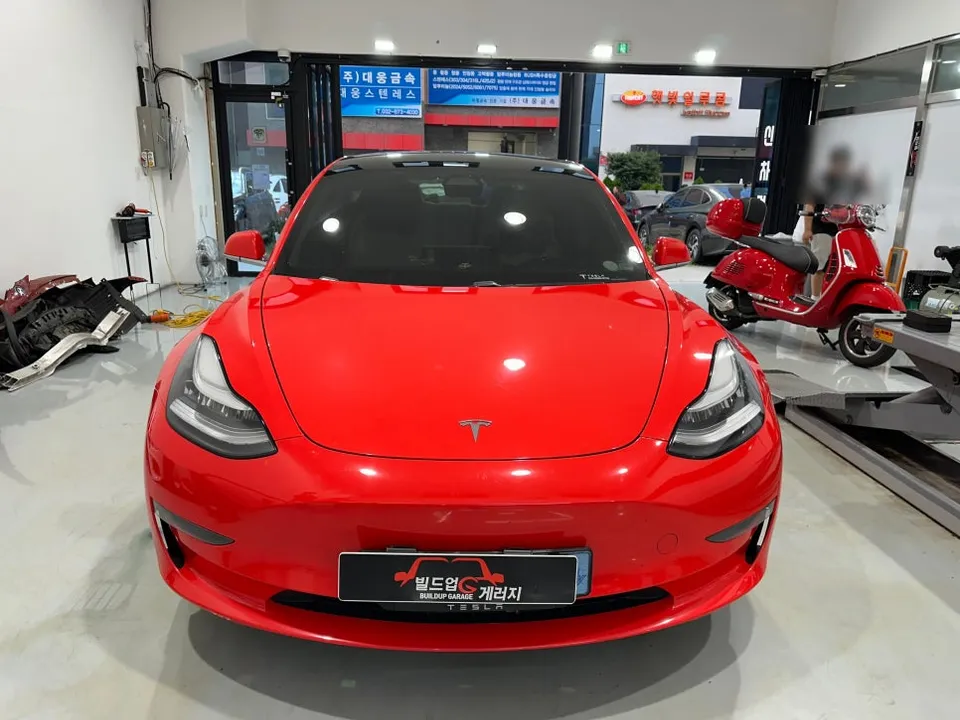
After
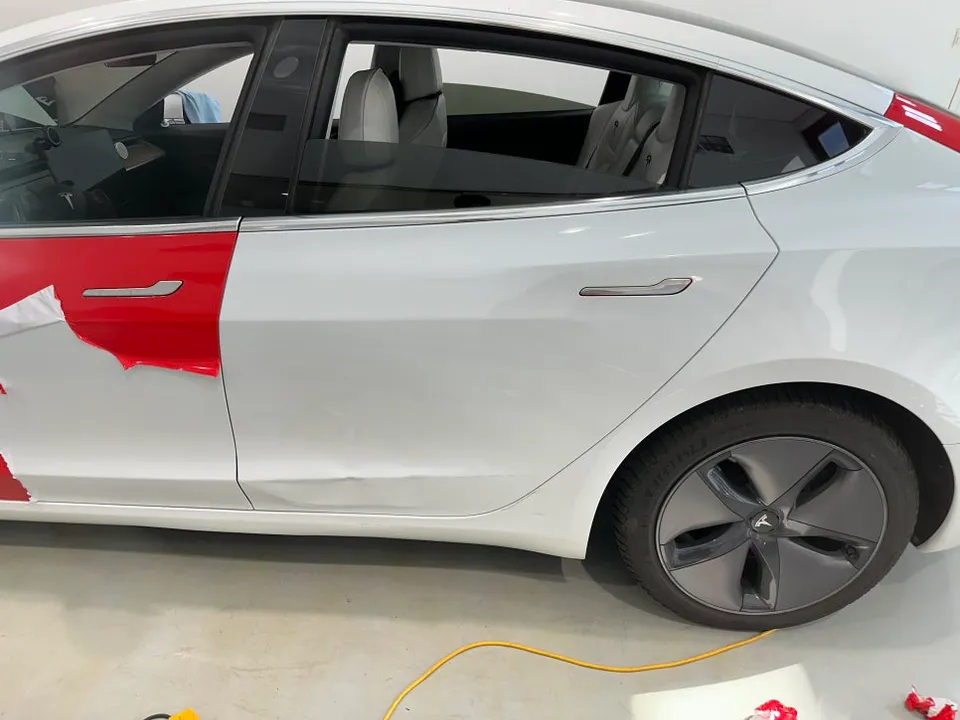
Process photos
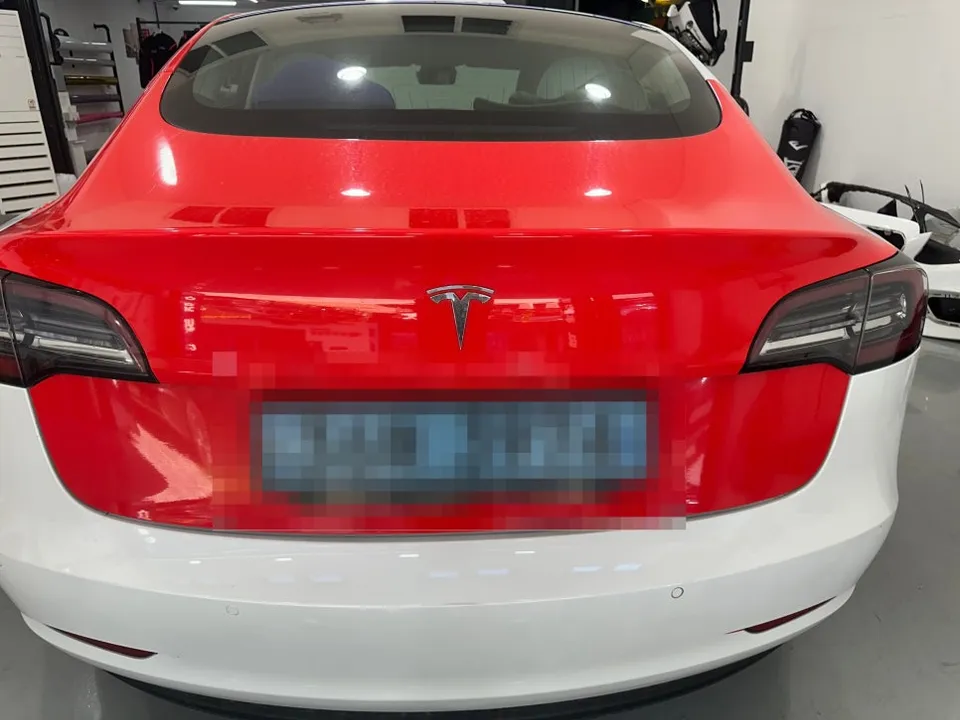
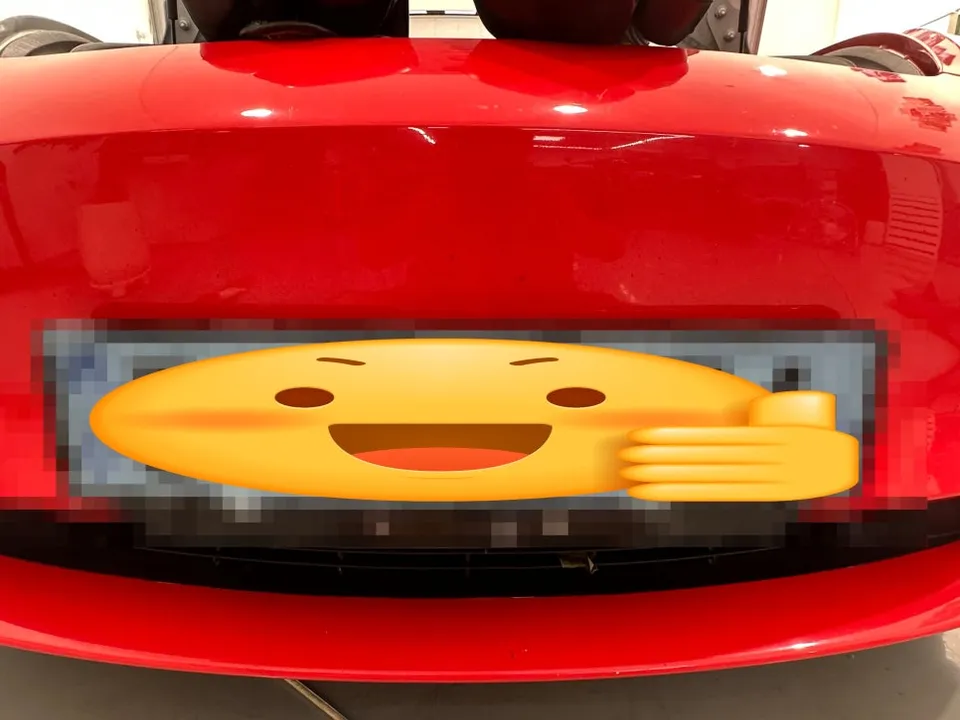
Tesla Model 3 body repair & painting after wrap removal: Restored dents & scratches. Results look factory-new.
Tesla Model 3 Body Repair & Painting: Restoring Your EV After an Incident
When your Tesla Model 3 is involved in an accident, the thought of repairs can be daunting. This review details the process of body repair and painting for a Model 3, focusing on restoring both the vehicle's aesthetics and structural integrity after an incident that necessitated the removal of a vehicle wrap. We'll cover the meticulous steps involved, from careful wrap removal to flawless panel repair and painting, ensuring your EV looks as good as new.
The Necessity of Professional Body Repair & Painting
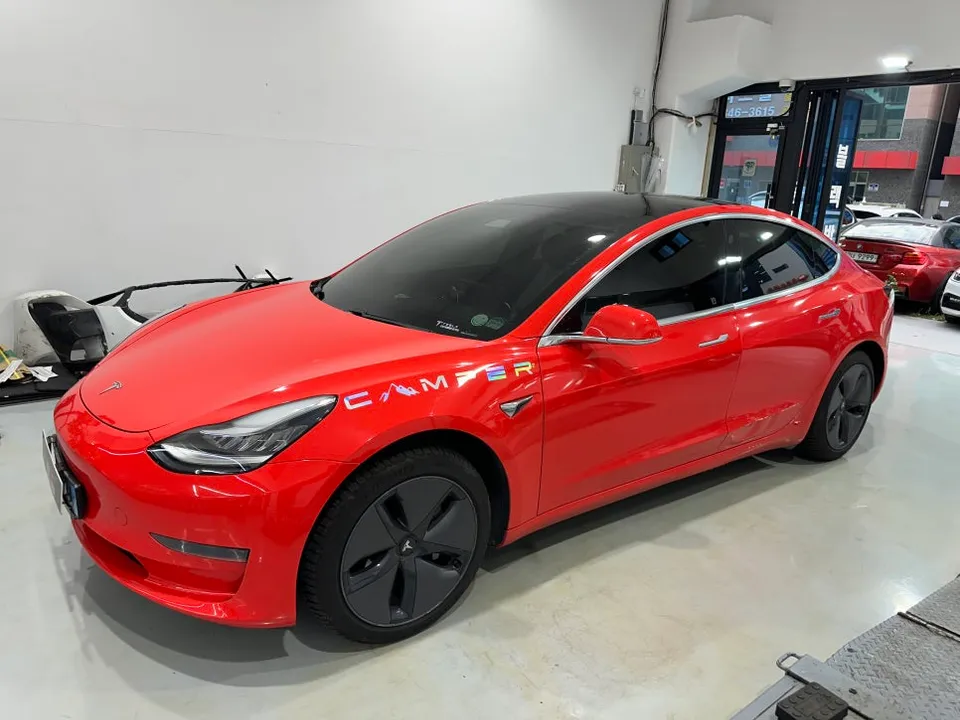
Vehicle wraps are popular for personalization and paint protection, but they can complicate repairs. If an accident occurs, the wrap must often be removed before the underlying damage can be assessed and addressed. For a sleek vehicle like the Tesla Model 3, improper wrap removal can easily damage the original paintwork, leading to additional costs and complications. This case involved a Model 3 that sustained damage to the driver's side rear door and rear fender, including dents and scratches. The existing wrap had to be removed to access and repair these areas. The process of removing a wrap is not just about peeling off a sticker; it requires precision to avoid lifting or damaging the factory paint beneath, especially on a car with a smooth, modern design.
Meticulous Wrap Removal and Panel Repair
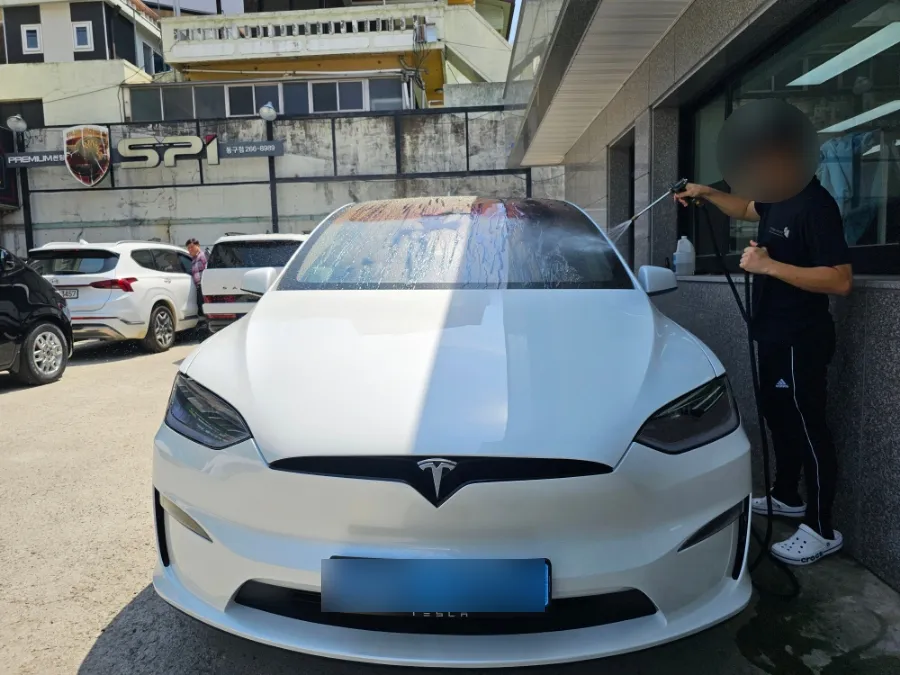
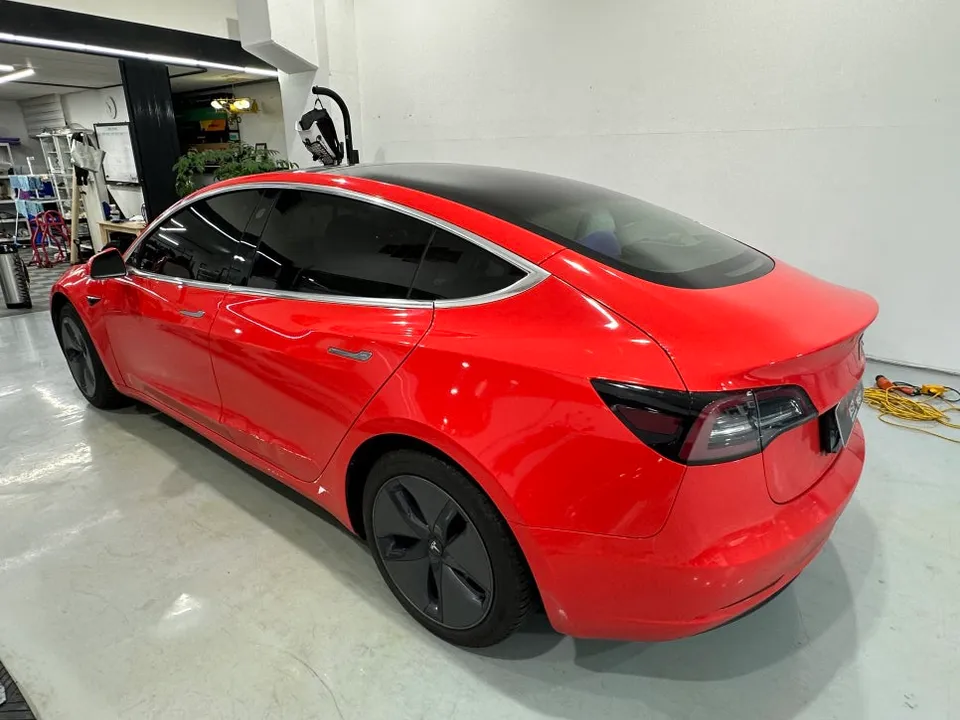
The first critical step was the careful removal of the orange and light red wrap that covered the Tesla Model 3's original white paint. This process demands extreme care. Applying too much force or using incorrect tools can cause the paint to peel away with the wrap, necessitating further paint repair. Skilled technicians used specialized tools to gently detach the wrap, minimizing any risk to the underlying finish. Even wraps that have been on for a long time can have strong adhesives, making removal challenging. The goal is always to preserve the original paint as much as possible, ensuring a smoother transition to the repair phase.
Once the wrap was removed, the focus shifted to the accident damage. The dented and scratched driver's side rear door and rear fender were expertly repaired using a combination of panel beating (also known as bodywork or metal straightening) and painting. The dent was carefully hammered out, and deep scratches were smoothed to restore the panels to their original shape and surface. This precision work is crucial for achieving a seamless finish and ensuring the structural integrity of the affected areas.
Flawless Painting for a Perfect Finish
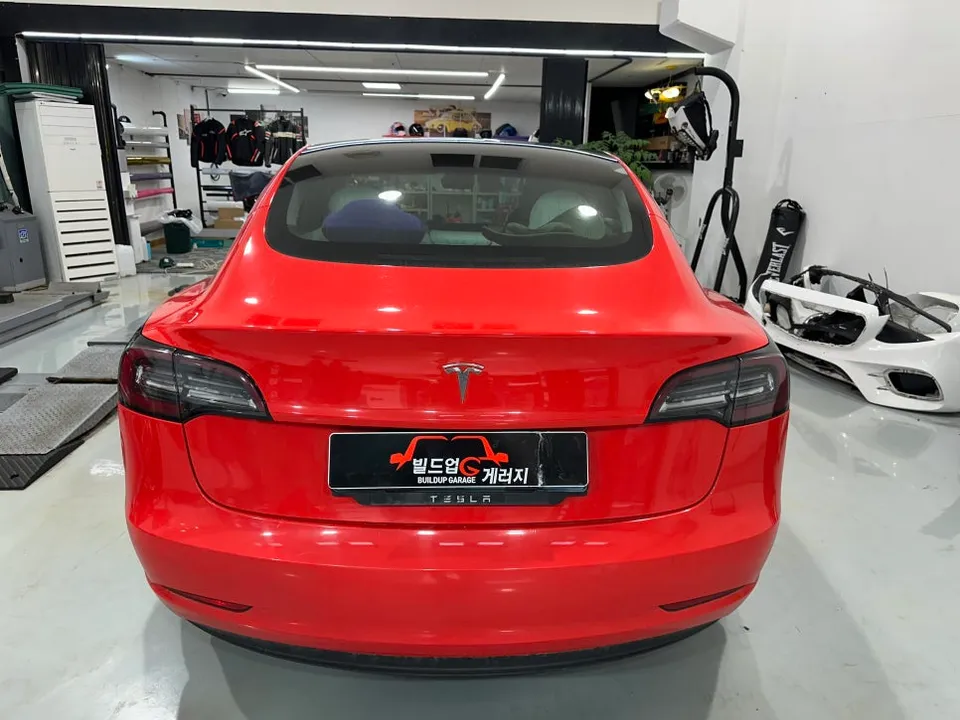
Following the panel repair, the meticulous process of painting began. The technicians precisely matched the paint to the Tesla Model 3's original white factory color. This involves not just color matching but also ensuring the correct sheen and texture. Multiple layers of primer, base coat, and clear coat were applied, with drying and curing times between each layer to guarantee a durable and factory-quality finish. The aim is to make the repaired areas indistinguishable from the rest of the car, providing a smooth, glossy surface that perfectly blends with the original paintwork. The result is a complete restoration, making it appear as though the accident never happened.
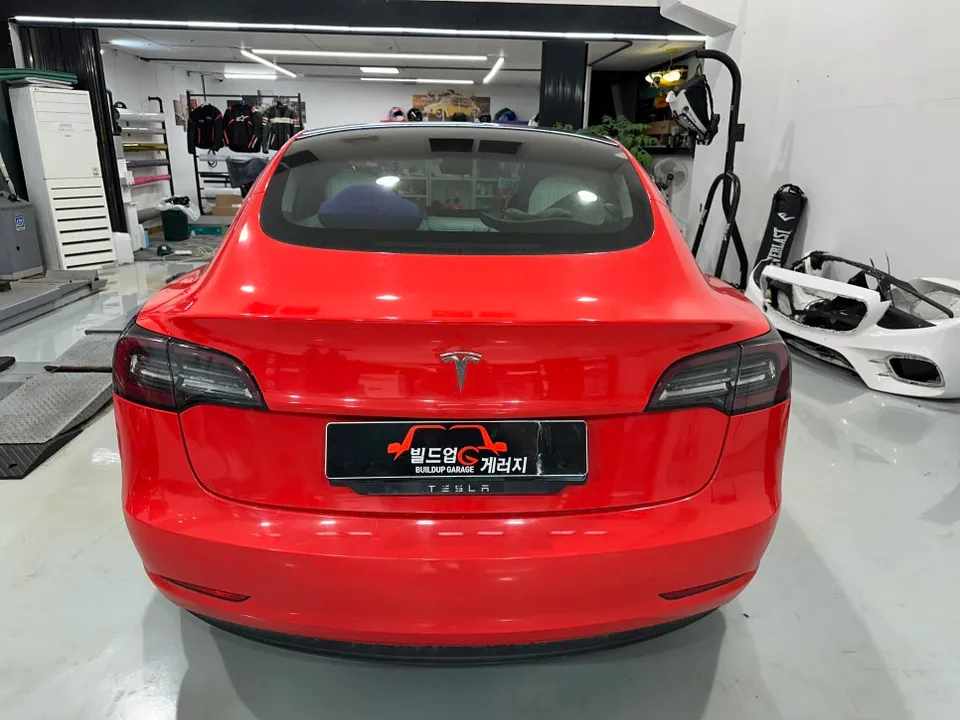
The Outcome: A Restored Tesla Model 3
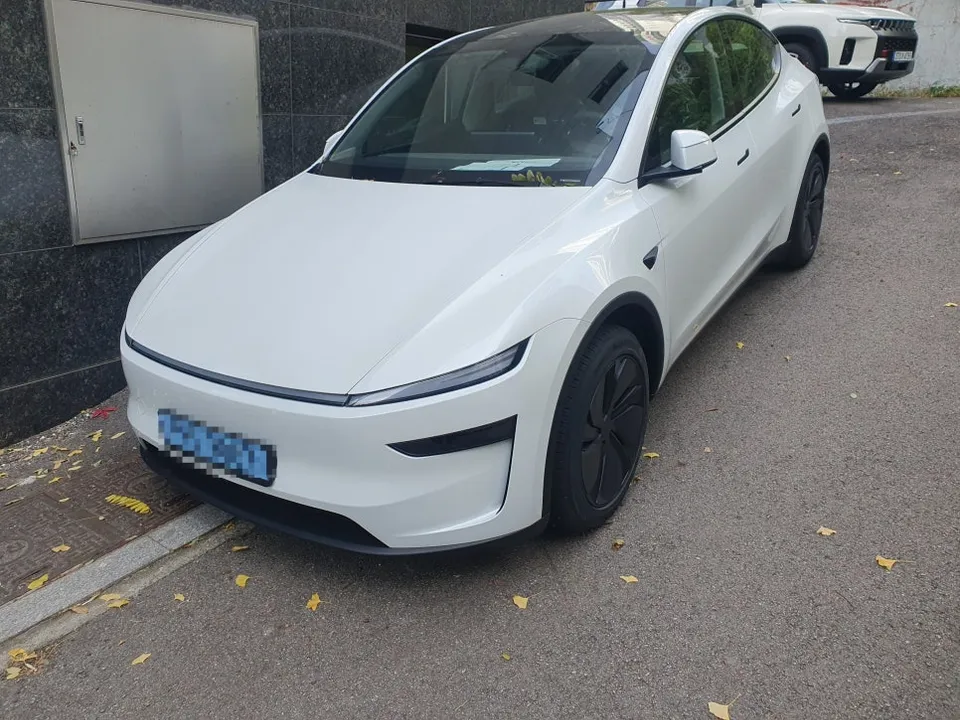
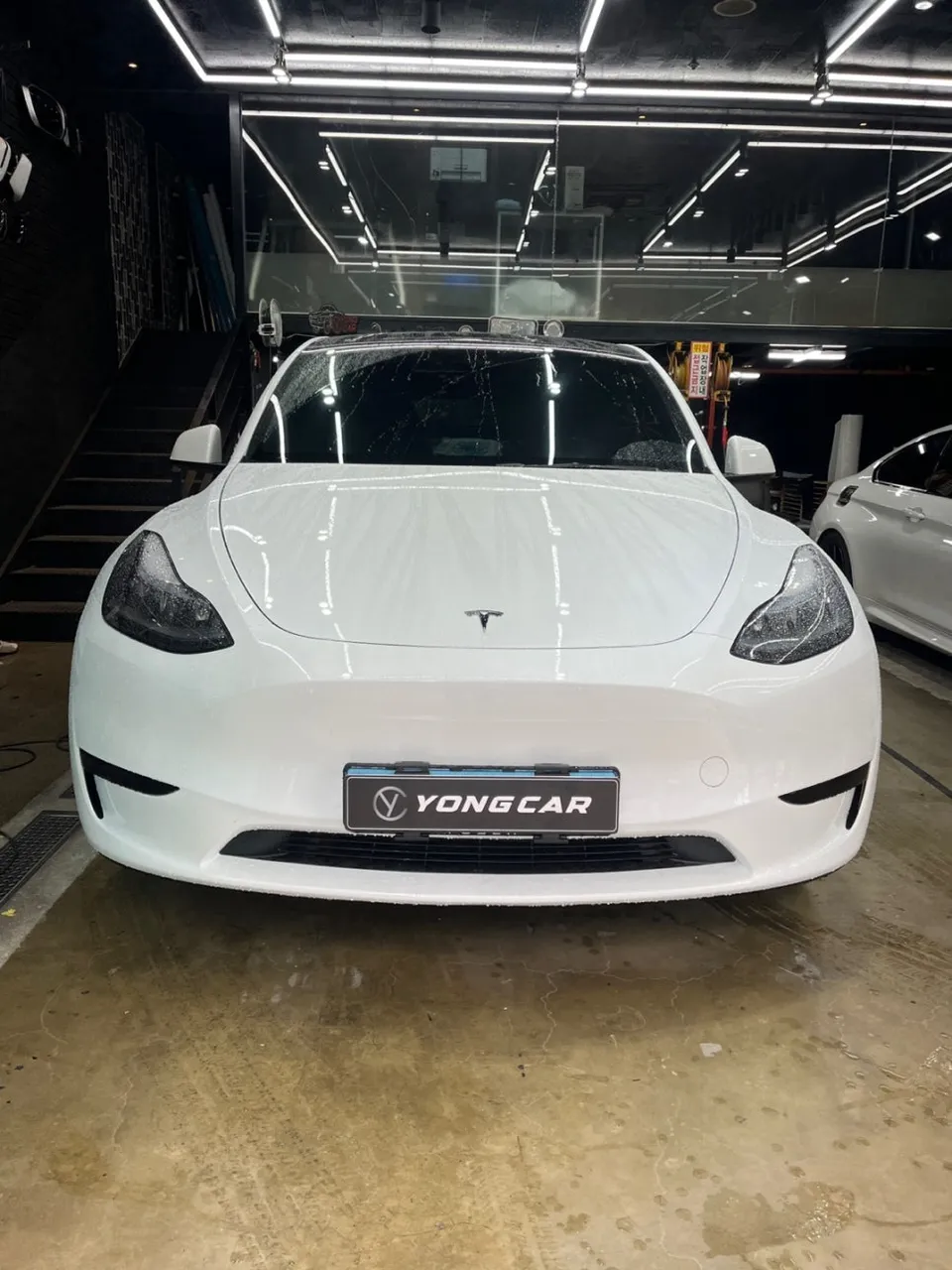
With the wrap removal and accident repair complete, the Tesla Model 3 was returned to its pristine condition. The removal of the vibrant wrap revealed the clean, original white paint underneath, offering a different, yet equally appealing, aesthetic. The repaired rear door and fender are now smooth, free of dents and scratches, and perfectly color-matched. This comprehensive body repair and painting service not only fixed the visible damage but also restored the car's overall appearance and value, leaving the owner with a vehicle that looks and feels brand new.
Installation Process:
- Careful removal of existing vehicle wrap using specialized tools to prevent paint damage.
- Assessment and precise panel repair (metal straightening) of dents and scratches on affected doors and fenders.
- Surface preparation, including sanding and priming, for optimal paint adhesion.
- Multi-stage painting process: color-matched base coat application followed by protective clear coat.
- Drying, curing, and final buffing to achieve a seamless, factory-quality finish.
The cost for this type of service in Korea, as performed in this review, can vary significantly based on the extent of the damage and the specific shop. While a precise figure wasn't provided, such comprehensive body repair and painting for a Tesla Model 3 could range from approximately ₩1,000,000 to ₩3,000,000 (roughly $750 to $2,250 USD), depending on the complexity.
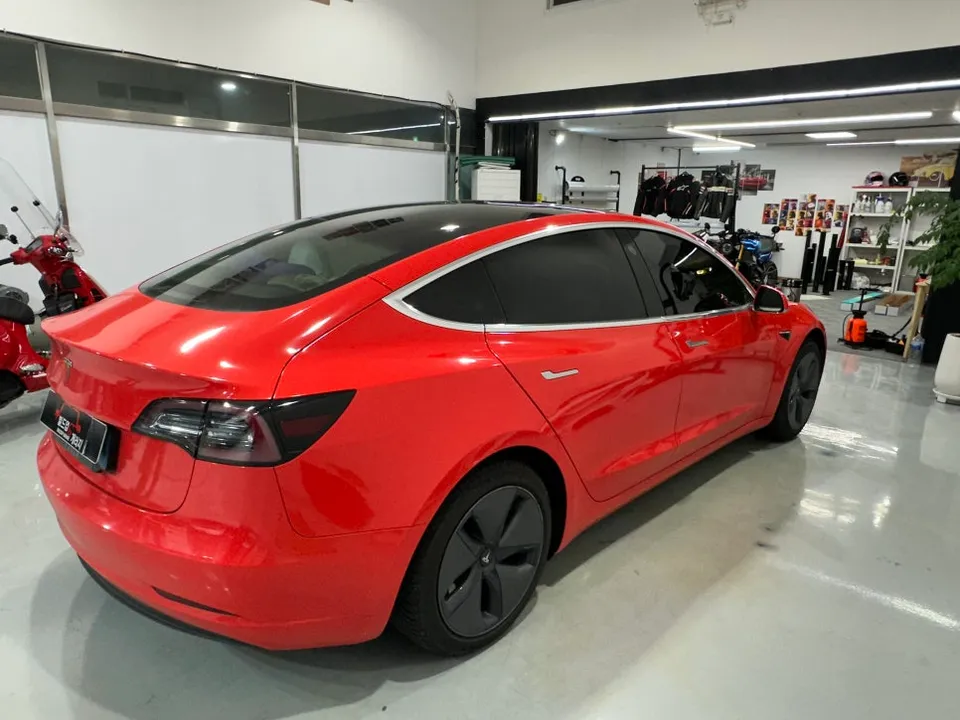
Frequently Asked Questions
Q. How much does auto body repair cost for a Tesla Model 3?
The cost for this Tesla Model 3's body repair and wrap removal was not explicitly stated but can range from ₩1,000,000 to ₩3,000,000 (approx. $750-$2,250 USD) in Korea. Typical US body repair costs can vary widely based on damage severity and location.
Q. How long does auto body repair take for a Tesla Model 3?
The durability of body repair and painting is expected to last for many years, similar to factory finishes, provided proper care is taken. Regular washing and waxing will help maintain the paint's gloss and protection.
Q. Is auto body repair covered by insurance for a Tesla Model 3?
This review focuses on the repair process itself, not insurance coverage. Most comprehensive auto insurance policies cover accidental damage, including body repair and painting, though deductibles and specific coverage details apply.
Q. How is auto body repair done on a Tesla Model 3?
1. Existing vehicle wrap is carefully removed using specialized tools to avoid damaging the paint. 2. Dents and scratches on panels like the rear door and fender are repaired through metal straightening. 3. The surface is prepped with primer for paint adhesion. 4. Multi-stage painting applies a color-matched base coat and protective clear coat. 5. The finish is cured and buffed for a seamless look.
Q. What is the difference between PDR and conventional body repair for a Tesla Model 3?
Paintless Dent Repair (PDR) is used for minor dents without paint damage, while conventional body repair involves filling, sanding, and repainting for larger dents or scratches. For the damage described in this review (dents and scratches requiring wrap removal), conventional body repair and painting were necessary for a complete restoration.
OhCar Partner Shop