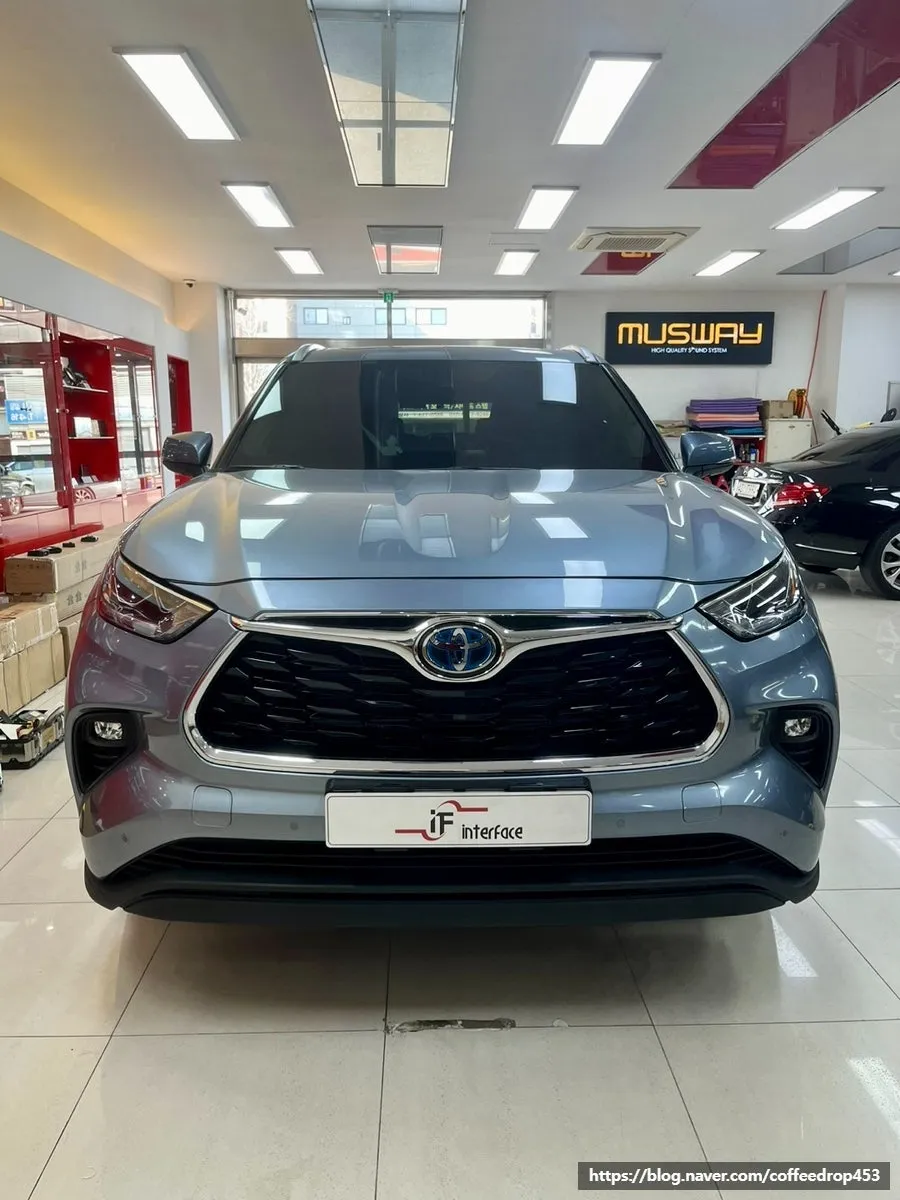
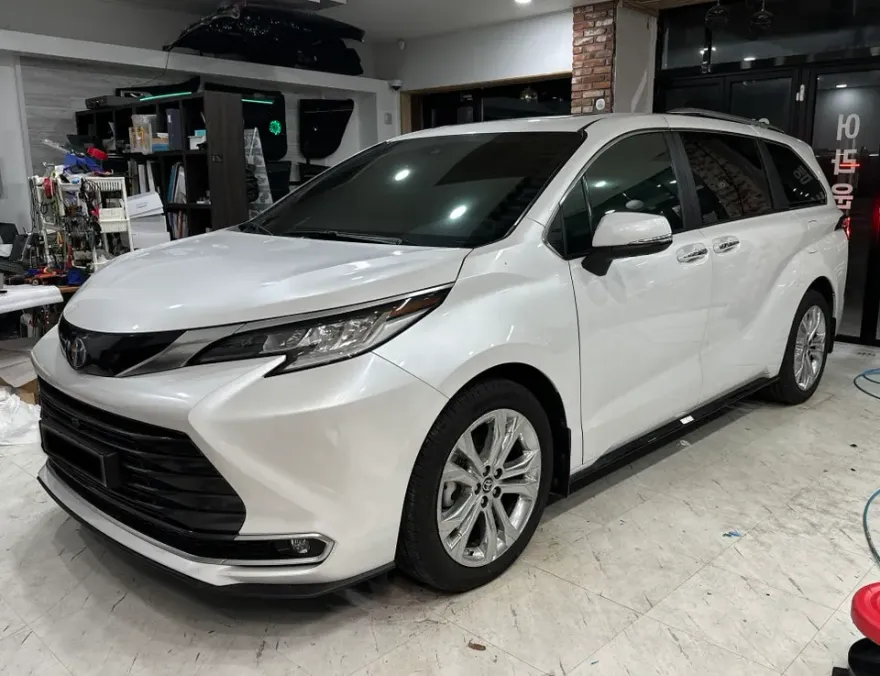
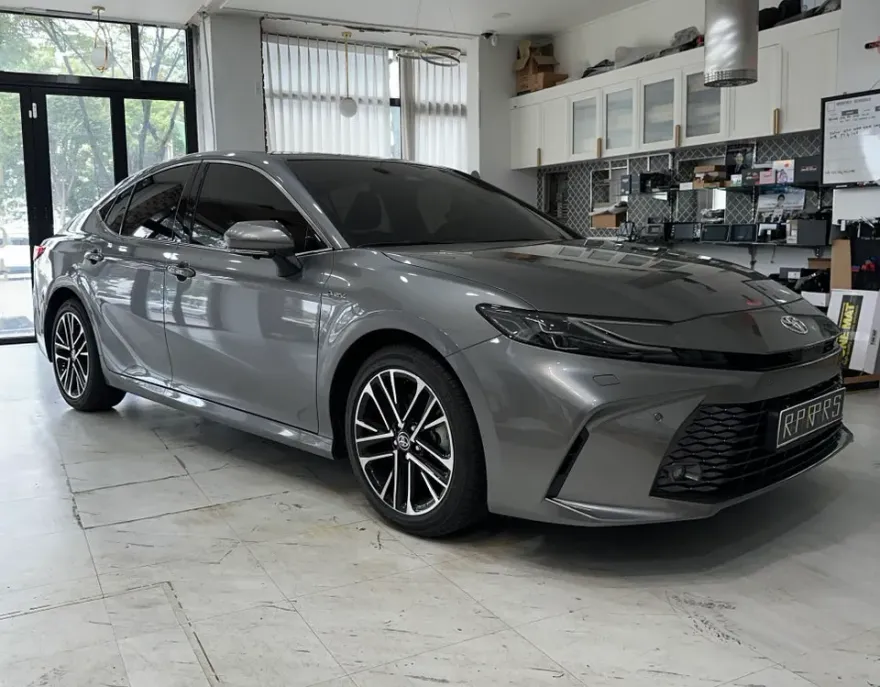
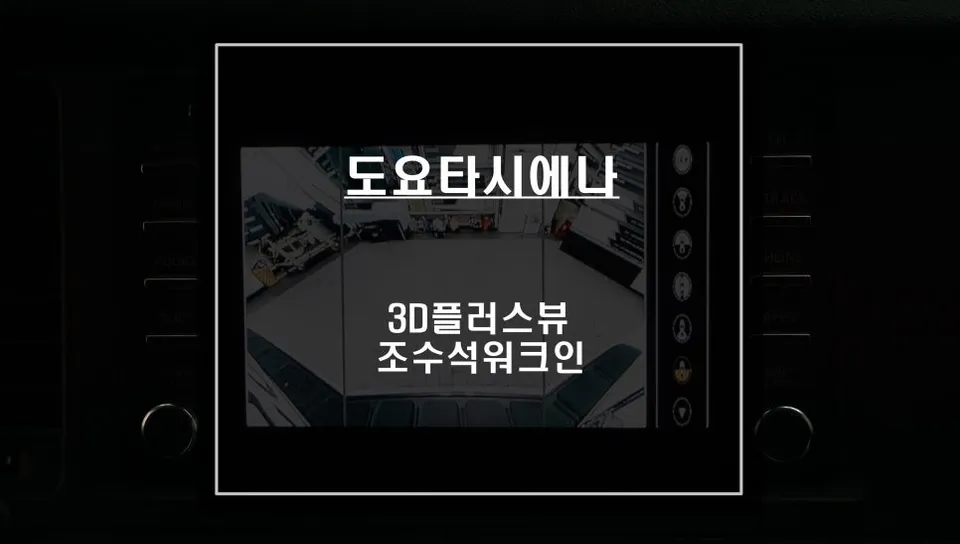
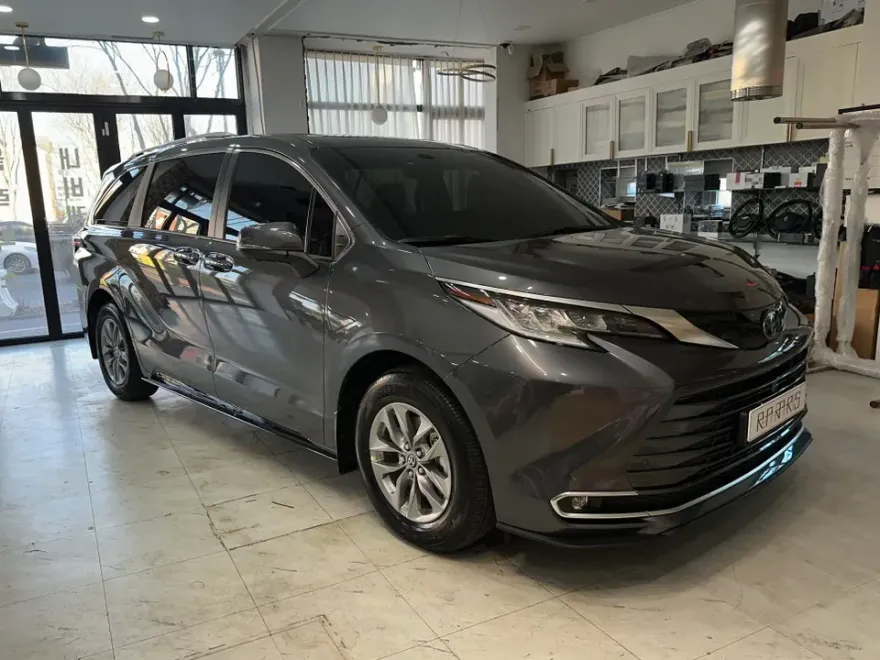
Toyota Highlander Surround View Camera Review: Enhanced Safety
Service Price
$75–115
Estimated price · Actual price may vary by shop
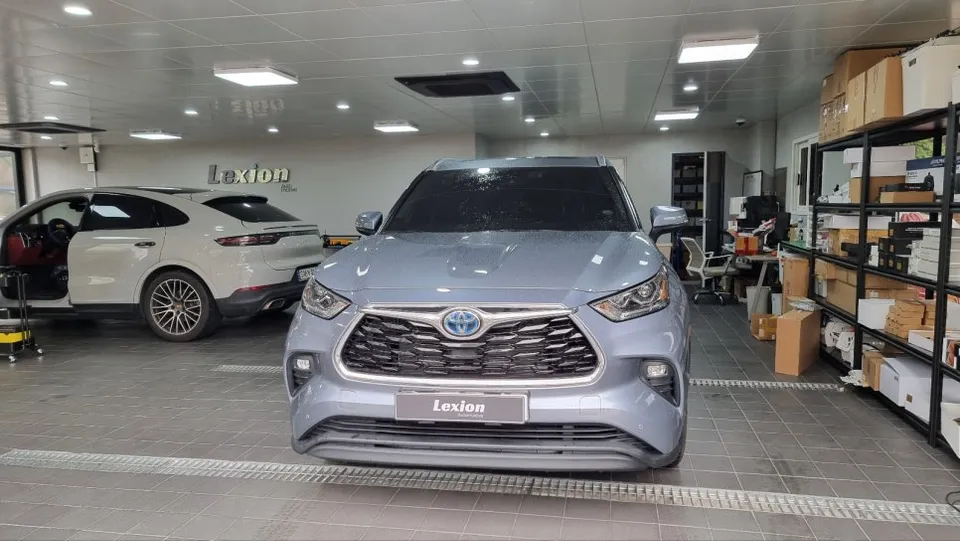
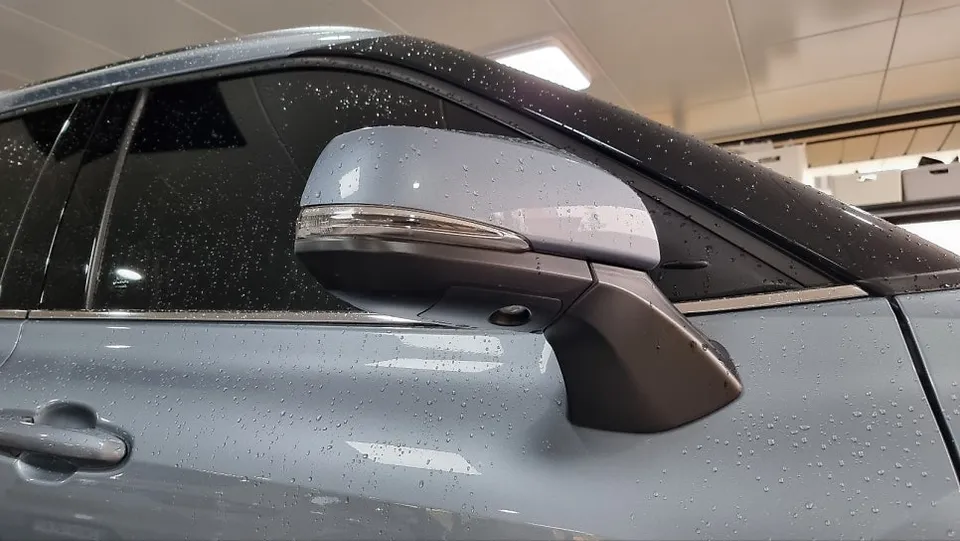
Toyota Highlander 360 camera retrofit: ₩500k-₩1M. Eliminates blind spots for safer parking.
Why a Surround View Camera for Your Toyota Highlander?
The Toyota Highlander is a popular SUV, known for its durability and reliable hybrid system. However, many owners find themselves wishing for better visibility, especially when parking or navigating tight city streets. The large body of the Highlander, while offering ample interior space, can create significant blind spots, particularly in the front and sides. These blind spots are not just inconvenient; they can lead to unexpected accidents, causing stress and repair costs. While modern Highlanders often come with improved rear cameras, the lack of a comprehensive surround view system leaves a crucial gap in safety.
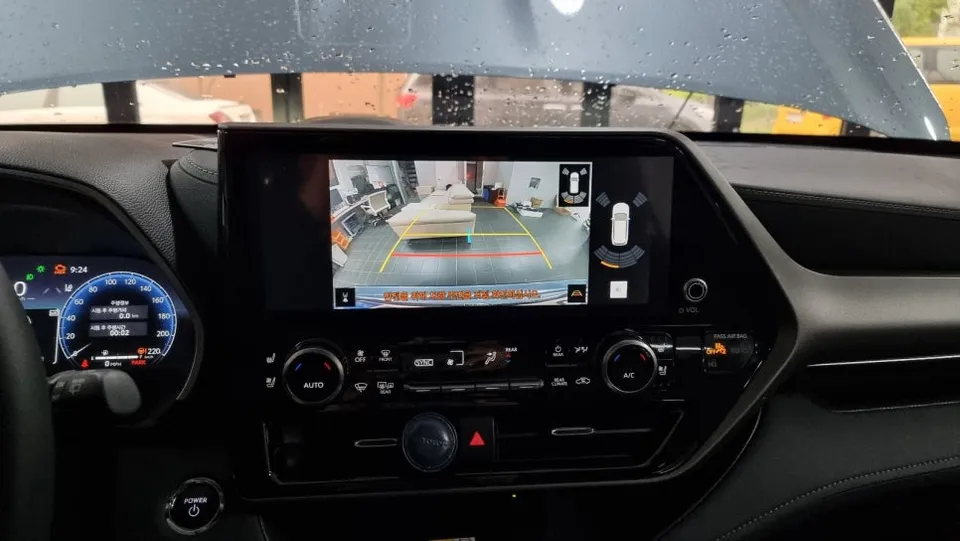
A 360 camera, also known as a bird's-eye view camera or around view monitor, transforms how you perceive your vehicle's surroundings. It stitches together feeds from multiple cameras to create a top-down view of your car and its immediate environment. This is invaluable for all drivers, but especially for those new to larger SUVs or who frequently deal with challenging parking situations. This review delves into the process and benefits of retrofitting a parking camera system onto a Toyota Highlander, addressing common concerns about cost, installation, and overall value.
The Jack-by-Jack Installation Process
For Toyota Highlander owners seeking to add a surround view camera, a key concern is maintaining the vehicle's integrity. The installation process performed at the 'Today's Car' Ansan branch utilizes a 100% jack-by-jack method. This means the system is integrated using the vehicle's original connectors, avoiding any cutting or splicing of wires. This approach ensures the electrical system remains stable and makes future restoration to the original state straightforward. The goal is to upgrade the vehicle safely, preserving its factory condition as much as possible.
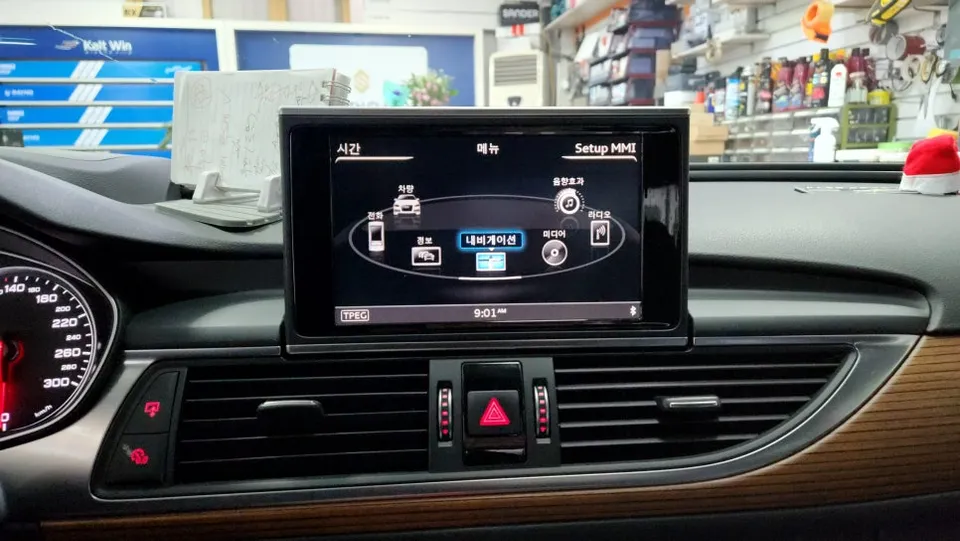
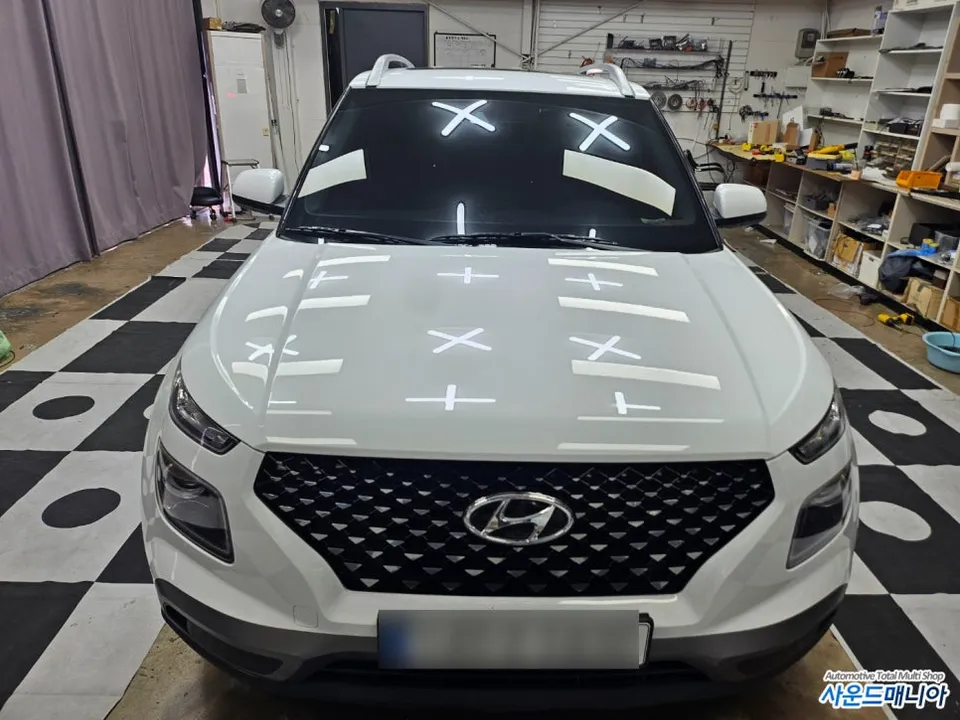
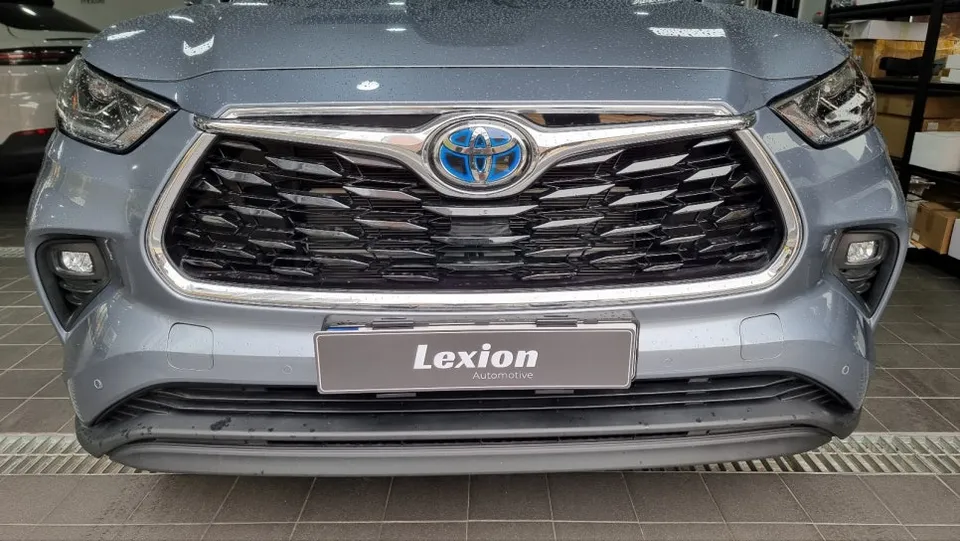
The installation begins with the careful removal of the original monitor. Next, cameras are fitted: a front camera is installed, often using a dedicated bracket to ensure a clean, factory-like appearance, even if a universal bracket is adapted for the Highlander. Side cameras are also mounted, and the rear camera is replaced with a high-definition unit designed for the surround view system. Once all cameras are physically installed, the system requires precise calibration. Each camera's feed is meticulously adjusted to ensure the 360-degree view is accurate and seamless, providing a true bird's-eye perspective.
Installation process:
- Carefully remove the factory monitor.
- Install front, side, and rear cameras using appropriate brackets for a clean finish.
- Connect all cameras via the vehicle's original wiring harness using the jack-by-jack method.
- Calibrate the camera feeds to create a seamless 360-degree bird's-eye view.
The use of vehicle-specific or well-adapted universal brackets is crucial for a professional finish, preventing any visual mismatch or gaps. This attention to detail ensures the aftermarket system looks and functions as if it were a factory option.
Is a Surround View Camera Worth It for Your Highlander?
The decision to retrofit a surround view camera system involves considering the cost versus the benefits. In Korea, the estimated cost for this upgrade ranges from 500,000 to 1,000,000 KRW (approximately $370-$740 USD, depending on exchange rates). The installation typically takes about 3 to 4 hours. While this is a significant investment, the enhanced safety and convenience it provides can be well worth it for many Toyota Highlander owners.
The primary benefit is the dramatic reduction in parking-related incidents and the increased confidence when maneuvering in tight spaces. The system effectively eliminates blind spots, offering peace of mind. For a vehicle like the Highlander, where visibility can be a challenge, this upgrade directly addresses a common owner pain point. The 'Today's Car' service also includes a 2-year warranty on their work, adding a layer of security to the investment. Ultimately, if you frequently struggle with parking or are concerned about the blind spots on your Highlander, a surround view camera system offers a practical and valuable solution.
Frequently Asked Questions
Q. How much does a 360 camera installation cost for a Toyota Highlander?
In Korea, the installation cost for a surround view camera system on a Toyota Highlander typically ranges from 500,000 to 1,000,000 KRW. In the US, you can expect prices to be in the range of $75-$115 for basic kits, but professional installation for a full 360 system like this can cost significantly more, often between $500 and $1500.
Q. How long does a surround view camera installation take on a Toyota Highlander?
The installation process for a surround view camera system on a Toyota Highlander generally takes around 3 to 4 hours to complete. These systems are designed for durability, and with proper installation and care, they can last for many years without issue; regular cleaning of the camera lenses is the primary maintenance required.
Q. Is an aftermarket 360 camera worth it for a Toyota Highlander?
An aftermarket 360 camera system is highly beneficial for Toyota Highlander owners who struggle with parking or navigating tight spaces due to the vehicle's size and blind spots. The enhanced safety, reduced risk of accidents, and increased driving confidence make it a worthwhile investment for many.
Q. How is a surround view camera system installed on a Toyota Highlander?
Installation involves carefully removing the factory monitor, mounting front, side, and rear cameras (often using specialized or adapted brackets), and connecting them via the vehicle's original wiring harness using a jack-by-jack method. Finally, the camera feeds are precisely calibrated to create a seamless 360-degree bird's-eye view.
Q. What is the difference between OEM and aftermarket surround view cameras for a Toyota Highlander?
OEM (Original Equipment Manufacturer) systems are integrated directly by the car manufacturer, often offering seamless integration but at a higher cost. Aftermarket systems, like the one reviewed, provide a similar 360-degree view and enhanced safety features at a potentially lower price point, though integration might require professional installation to look and function perfectly.
OhCar Partner Shop