Toyota Prius Android Head Unit Review: Cost & Results
Service Price
$40–80
Estimated price · Actual price may vary by shop
Before
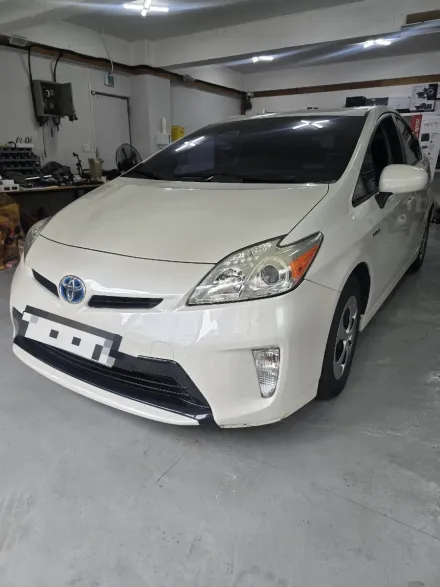
After
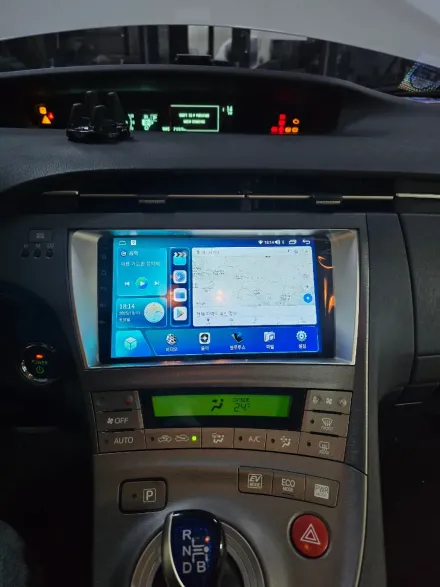
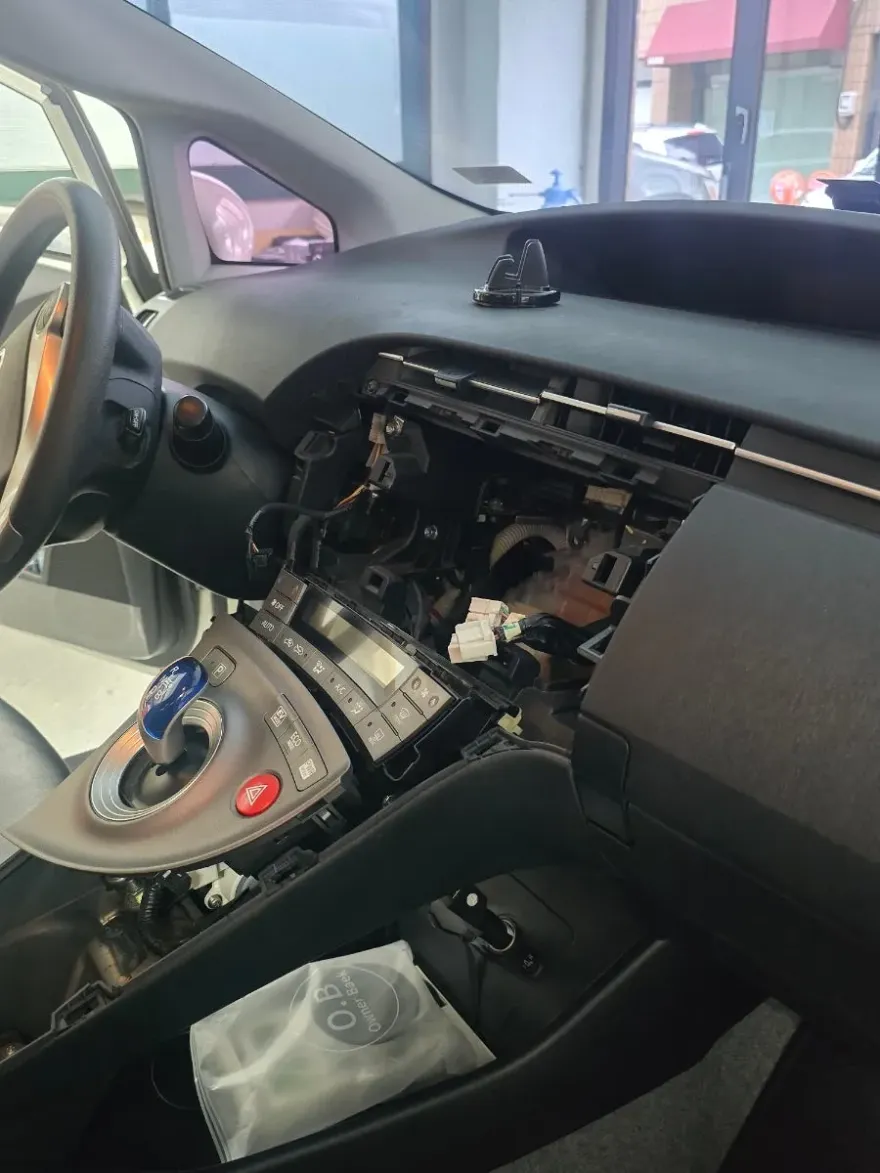
Process photos
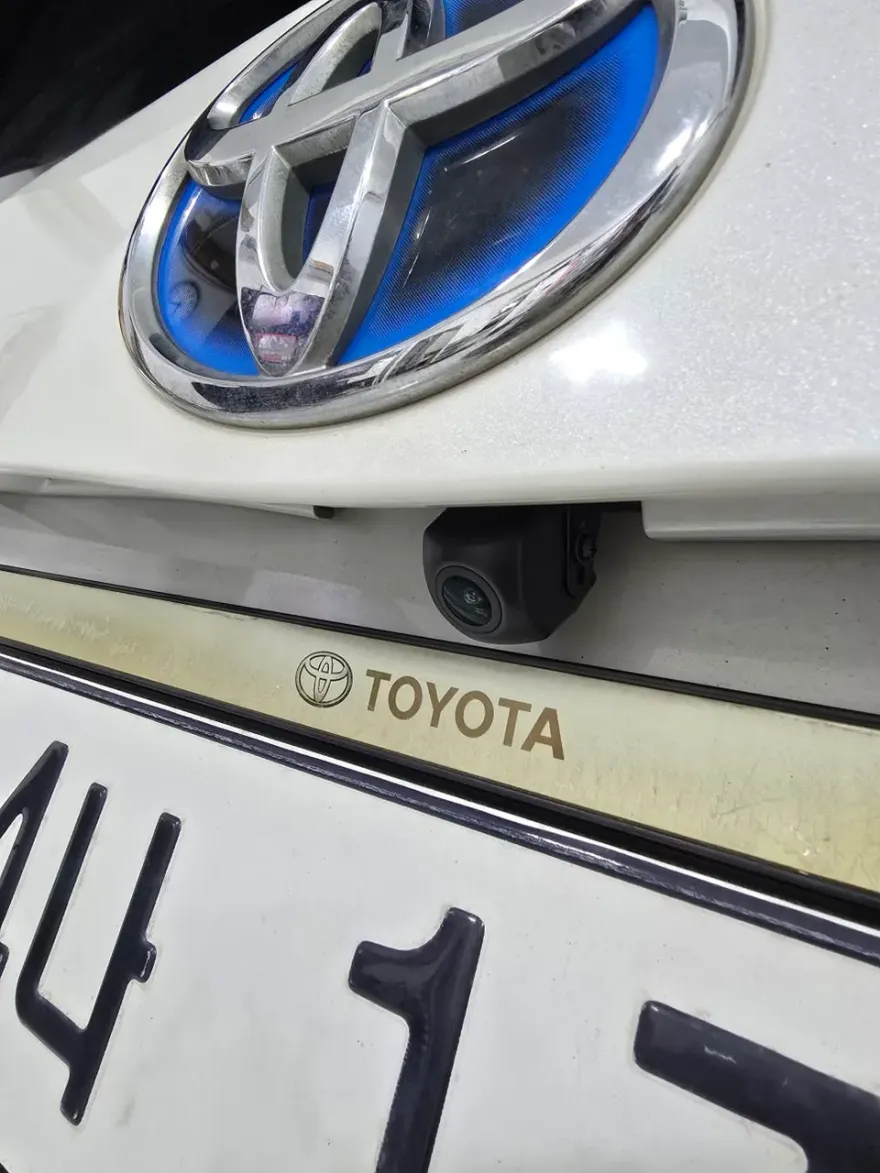
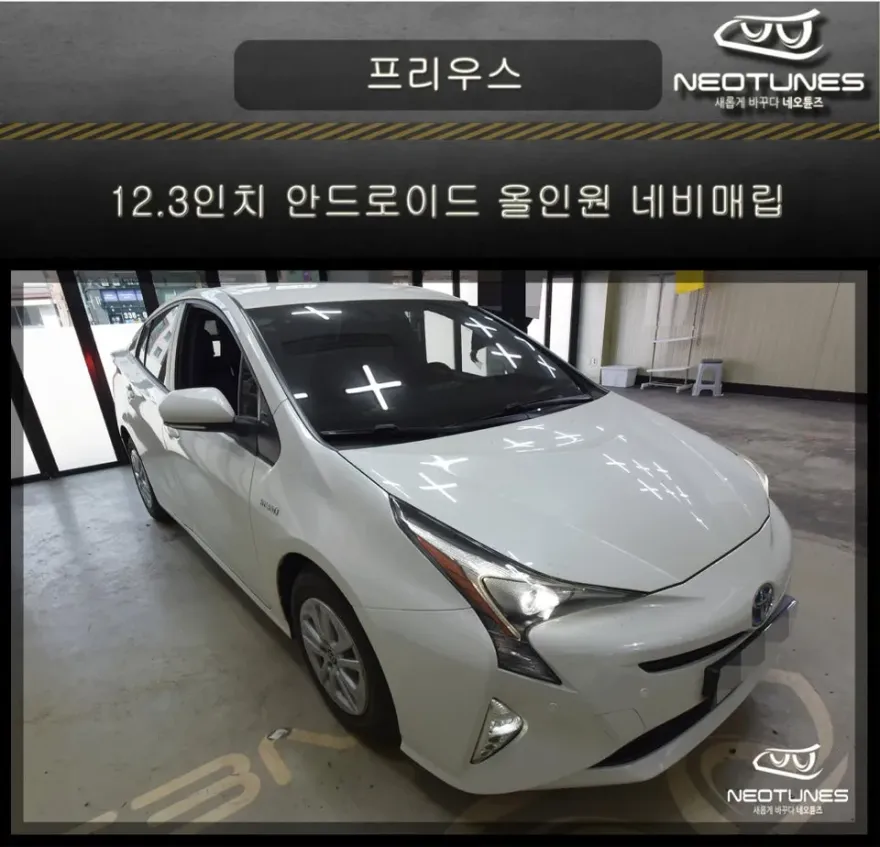
Toyota Prius 3rd Gen Android head unit upgrade: Approx. ₩500,000+. Adds modern apps, navigation, and improved camera.
Upgrade Your Toyota Prius 3rd Gen with an Android All-in-One System
Are you a Toyota Prius 3rd Generation owner feeling limited by your factory infotainment system? If you're considering a smarter, more connected driving experience, an Android All-in-One head unit installation is a compelling upgrade. This review, based on actual installation cases and owner feedback, explores the process, benefits, and considerations for integrating an Android head unit into your Prius. We'll cover everything from the initial installation to the before-and-after results, helping you decide if this infotainment upgrade is the right choice for your vehicle.
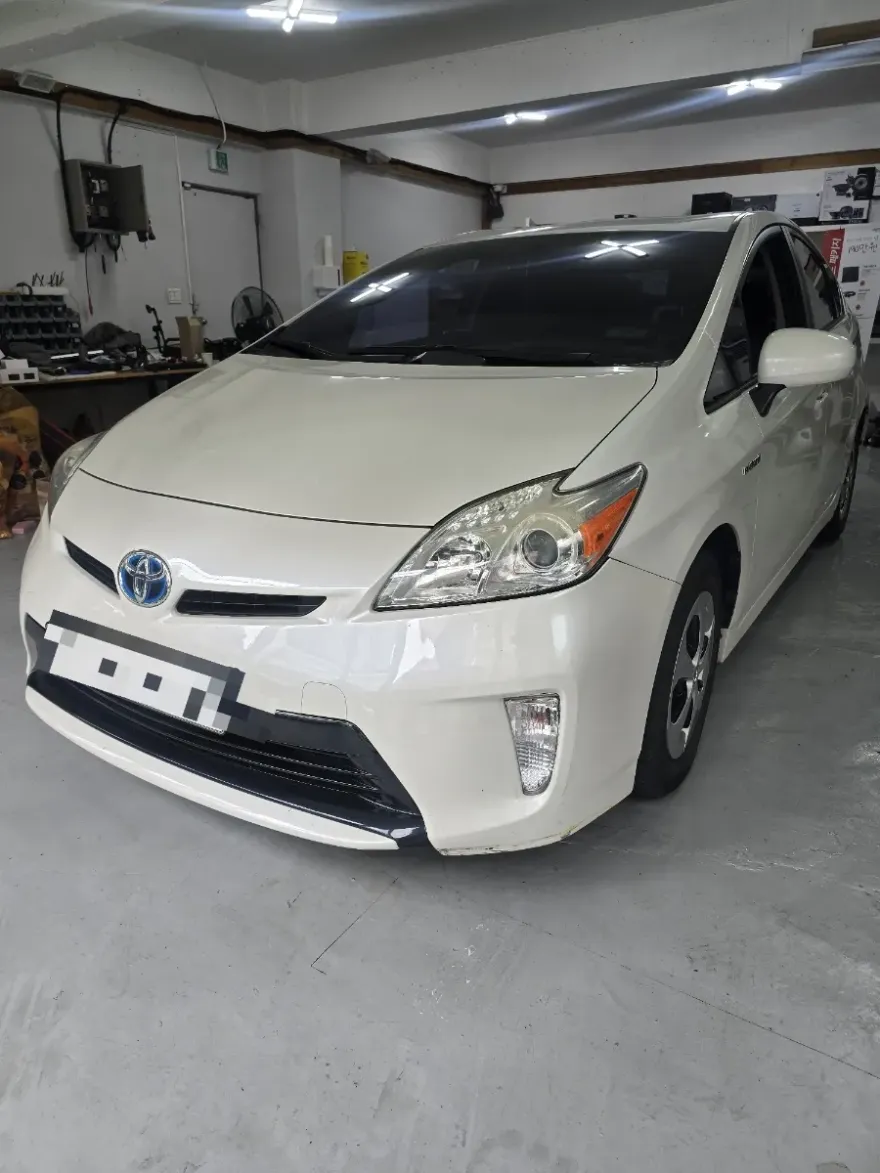
Installation Process and Before/After Results
The process of installing an Android All-in-One system in a Toyota Prius 3rd Gen typically involves replacing the existing factory or aftermarket stereo. In one documented case, a Prius 3rd Gen with a JVC 2-unit audio system, which lacked a rear camera function and had issues with steering wheel control integration, was upgraded. The installation began with the careful removal of the old unit. A crucial step is testing compatibility between the new Android head unit and the car's systems, especially for features like steering wheel controls, which often require a learning process for proper integration in vehicles like the Prius.
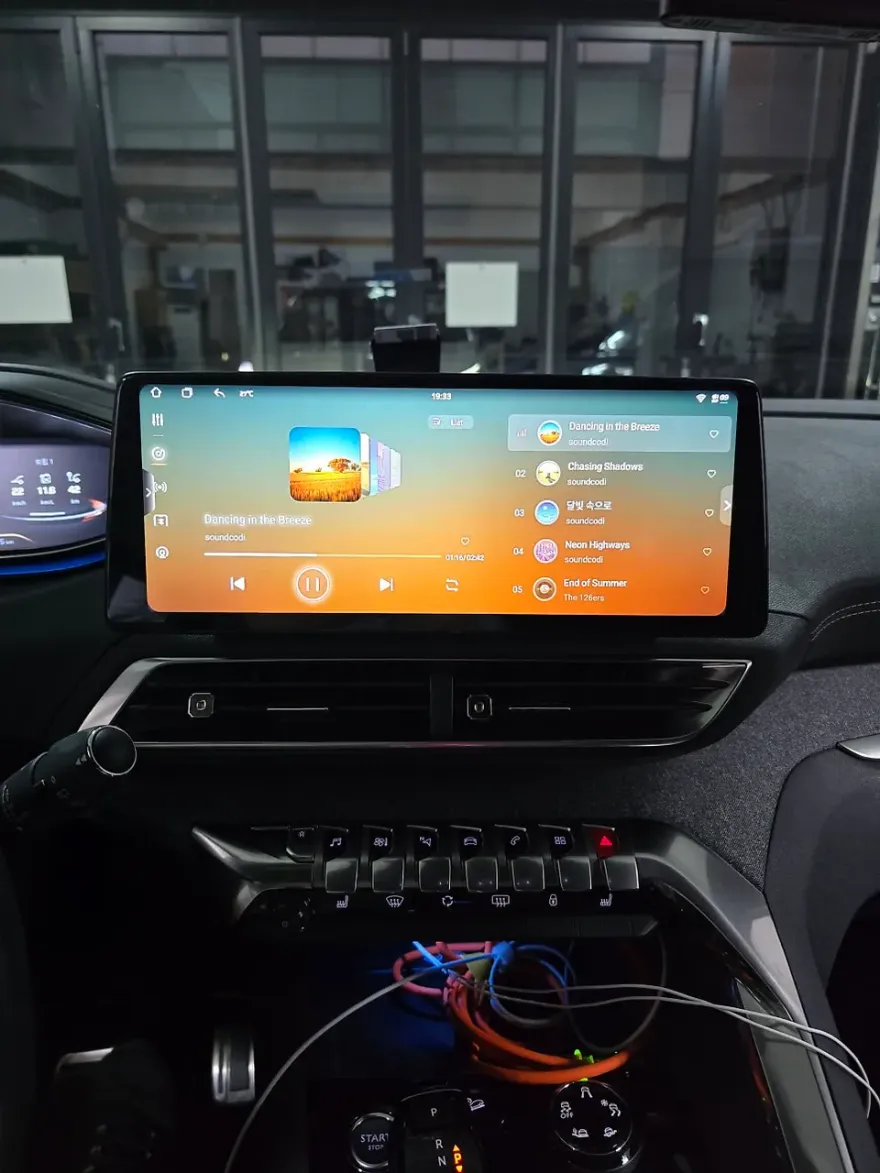
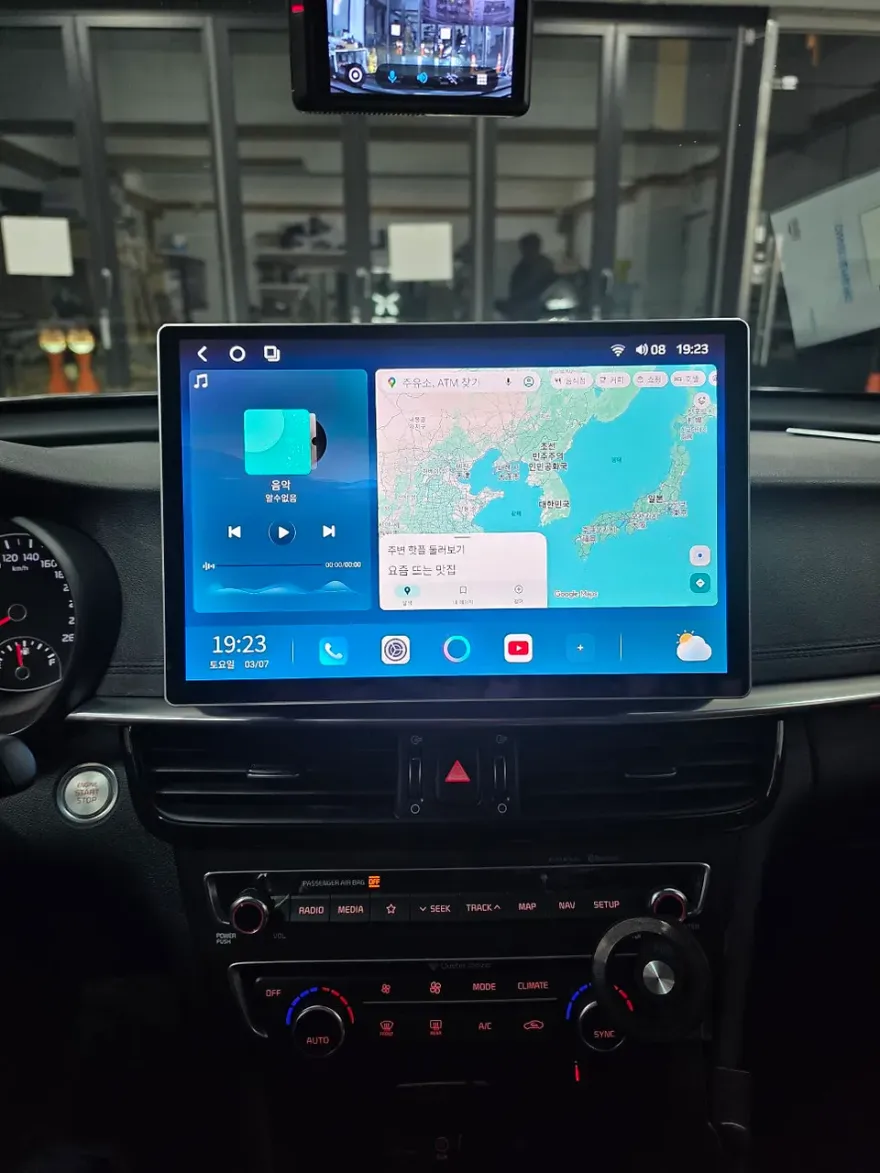
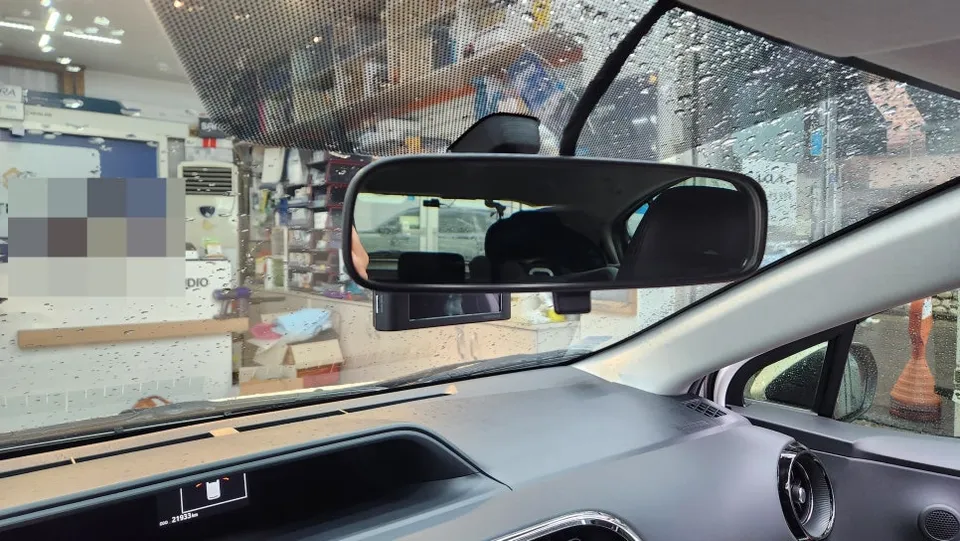
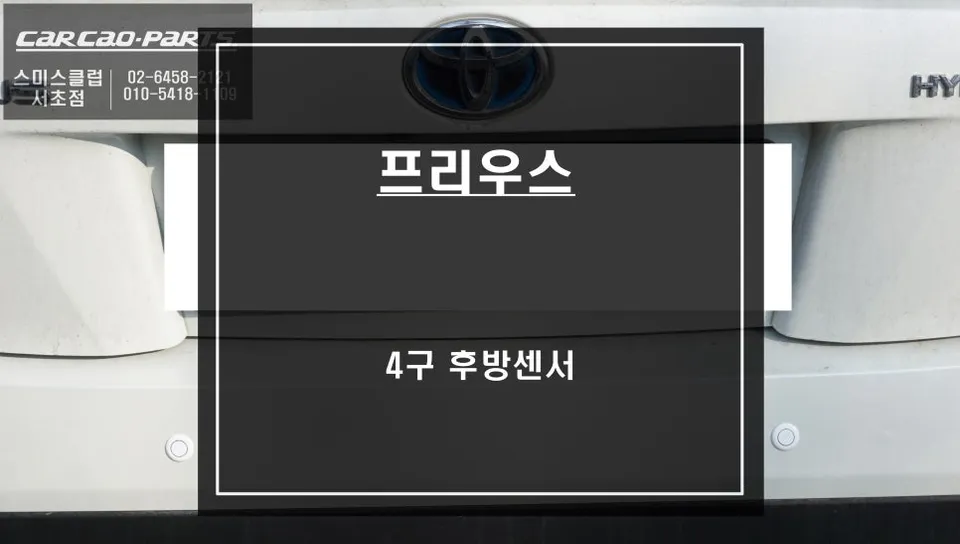
Following compatibility checks, the new Android All-in-One unit, in this instance a Clyde Korea model, was installed. The result was a significantly modernized dashboard, offering a sleek appearance and access to a wide range of applications, similar to a smartphone. A notable enhancement was the integration of a built-in dashcam and rear camera. The original rear camera placement in some Prius models can be suboptimal, leading to limited visibility. To address this, the camera was externally mounted in the center of the trunk area, providing a much wider and clearer view, akin to a standard aftermarket rear camera. This ensures safer and more convenient parking and reversing.
The final stage of the installation involves fine-tuning the system. For Android All-in-One units, this includes setting up the built-in Digital Signal Processor (DSP). Proper DSP tuning is essential for optimizing the audio output, ensuring high-quality sound that complements the new infotainment experience. The before-and-after transformation provides a vastly improved user interface, enhanced functionality with navigation apps, media playback, and crucial safety features like an improved rear camera view.
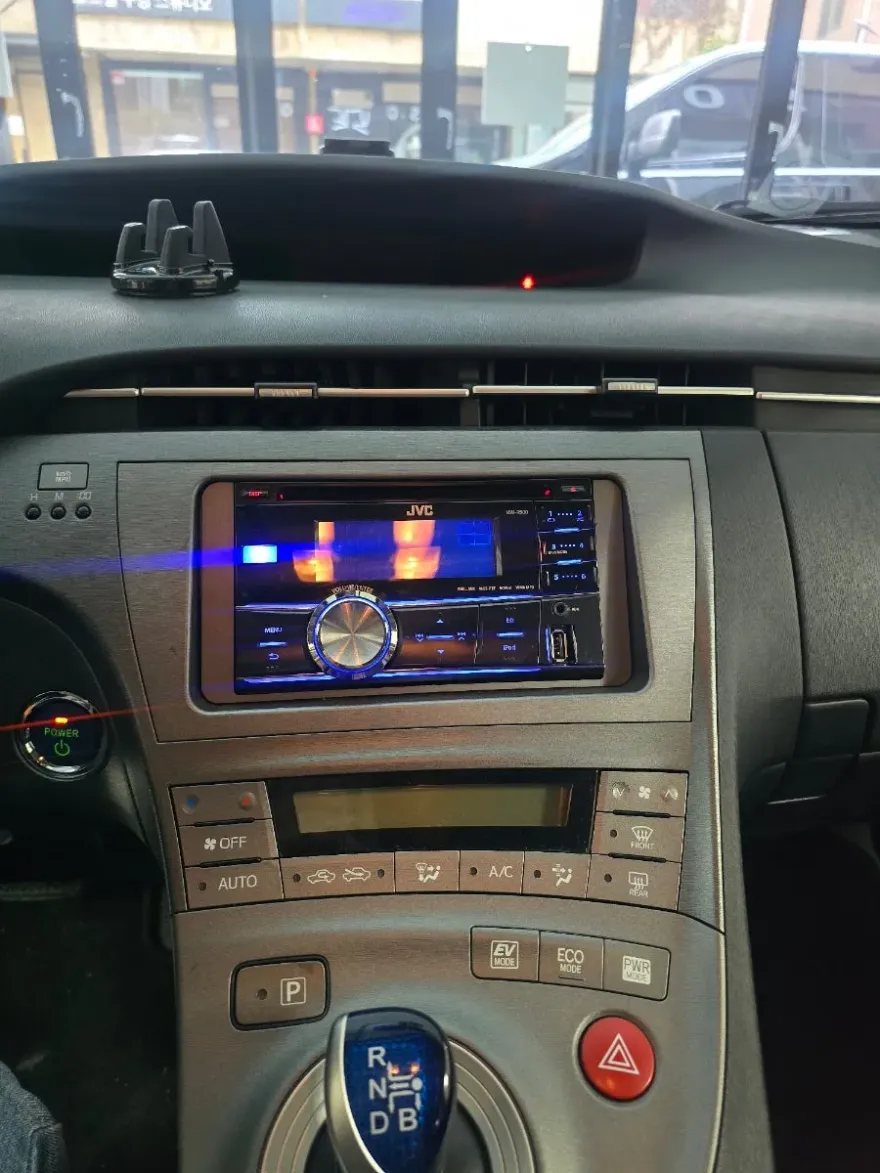
Is an Android Head Unit Upgrade Worth It for Your Prius?
Deciding whether to invest in an Android head unit for your Toyota Prius 3rd Gen involves weighing the costs against the benefits. The primary advantages are access to modern features like seamless smartphone integration (CarPlay/Android Auto), real-time navigation apps (Google Maps, Waze), access to a vast library of apps via the Google Play Store, and often improved audio quality through DSP. For Prius models with older or basic audio systems, the upgrade offers a significant leap in functionality and convenience.
The cost for such an installation, including a built-in dashcam and rear camera, can start around 500,000 Korean Won (approximately $370-$400 USD, depending on exchange rates). While this is a considerable investment, it's important to consider the value it adds. The improved user experience, enhanced safety features (especially the rear camera), and the ability to keep your vehicle's technology up-to-date can make it a worthwhile upgrade, particularly if you plan to keep your Prius for several more years. The durability of these units is generally good, comparable to modern electronics, but like any tech, proper installation and avoiding extreme conditions are key to longevity. Maintenance typically involves software updates and keeping the screen clean.
Installation process:
- Careful removal of the existing factory or aftermarket stereo system.
- Compatibility testing of the new Android head unit with the vehicle's electrical system and steering wheel controls.
- Installation of the Android All-in-One unit, ensuring a flush and secure fit within the dashboard.
- External mounting and connection of the rear-view camera, often in a more optimal location for improved visibility.
- DSP (Digital Signal Processor) tuning to optimize audio output for the vehicle's acoustics.
Ultimately, if you're seeking to modernize your Toyota Prius 3rd Gen with advanced navigation, entertainment, and safety features, an Android All-in-One head unit offers a comprehensive solution that significantly enhances the driving experience.
Frequently Asked Questions
Q. How much does Android head unit or CarPlay installation cost for a Toyota Prius?
In Korea, installations for a Toyota Prius 3rd Gen with an Android head unit and rear camera start around 500,000 KRW. Typical US pricing for similar Android head unit retrofits can range from $400 to $800, depending on the unit's features and installation complexity.
Q. How long does Android head unit installation take on a Toyota Prius?
The installation process for an Android head unit in a Toyota Prius typically takes a few hours, usually completed within a single business day. Proper maintenance involves keeping the unit's software updated and ensuring the screen is kept clean.
Q. Is a CarPlay or Android Auto retrofit worth it for a Toyota Prius?
A CarPlay or Android Auto retrofit is highly recommended for Toyota Prius owners who desire modern smartphone integration, advanced navigation apps, and a more user-friendly interface than the factory system. It significantly enhances the daily driving experience and vehicle connectivity.
Q. How is an Android head unit installed in a Toyota Prius?
Installation involves carefully removing the existing stereo, testing compatibility of the new Android unit with the car's systems (like steering wheel controls), fitting the new unit into the dashboard, and connecting any additional components like cameras. Finally, audio settings like DSP are calibrated.
Q. What is the difference between an Android head unit and a factory infotainment system for a Toyota Prius?
An Android head unit offers significantly more functionality, allowing access to apps via the Google Play Store, modern navigation, and often superior audio processing compared to a factory system. Factory systems are typically limited to pre-installed features and less flexible integration.
OhCar Partner Shop