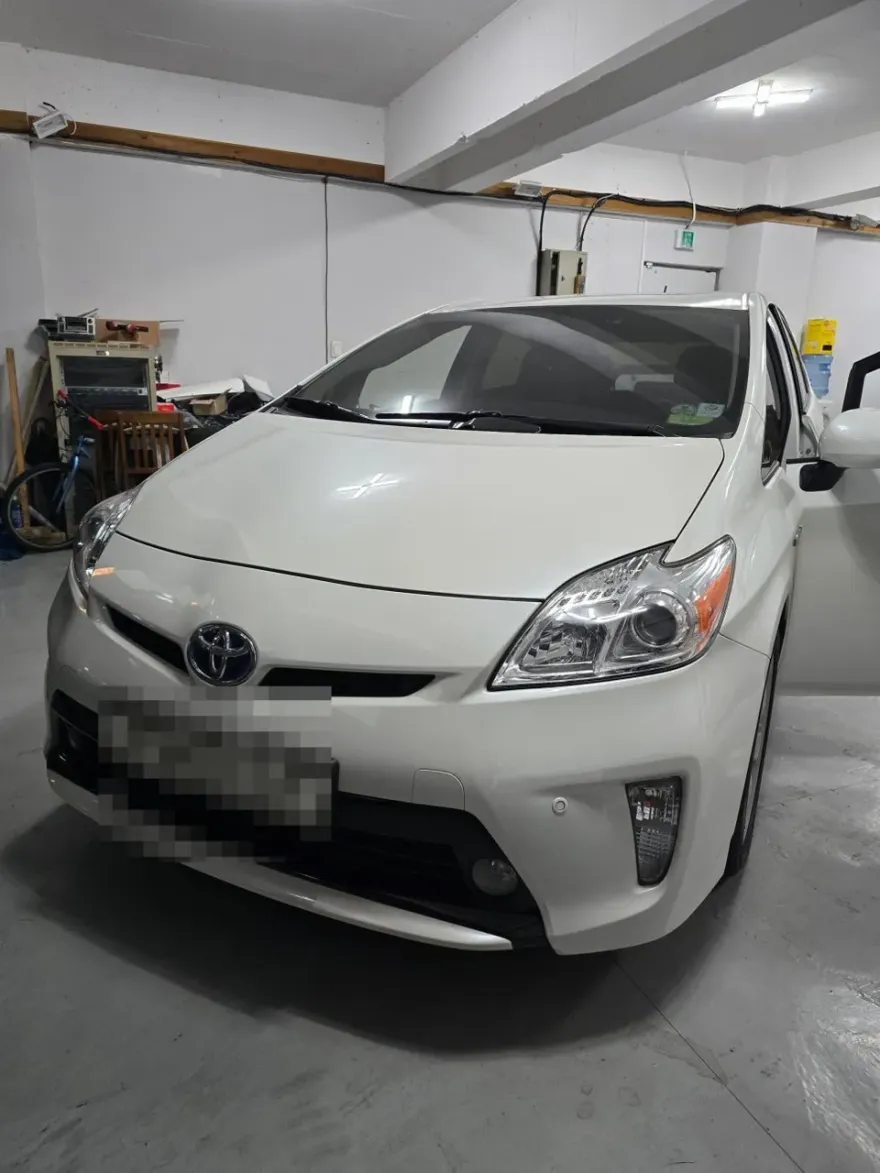
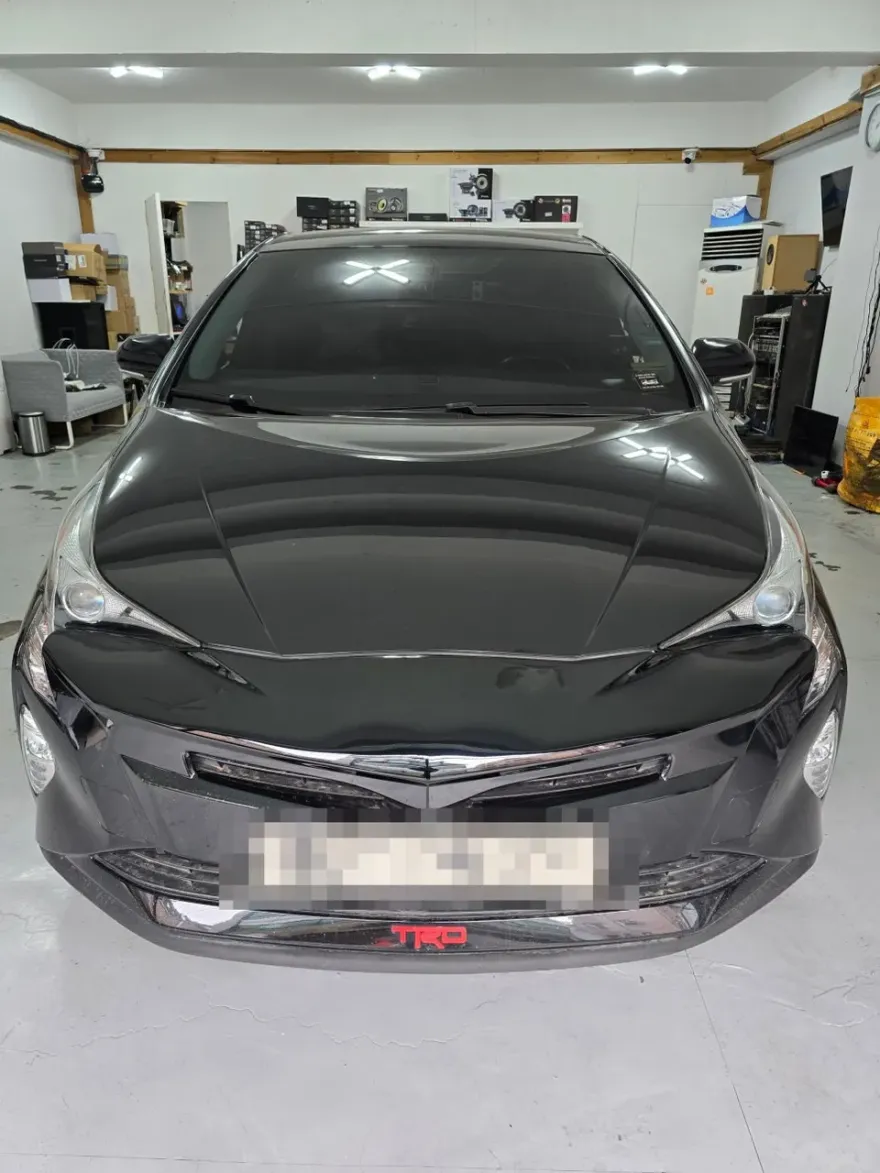
Toyota Prius Rear Parking Sensors Installation Review
Service Price
$40–80
Estimated price · Actual price may vary by shop
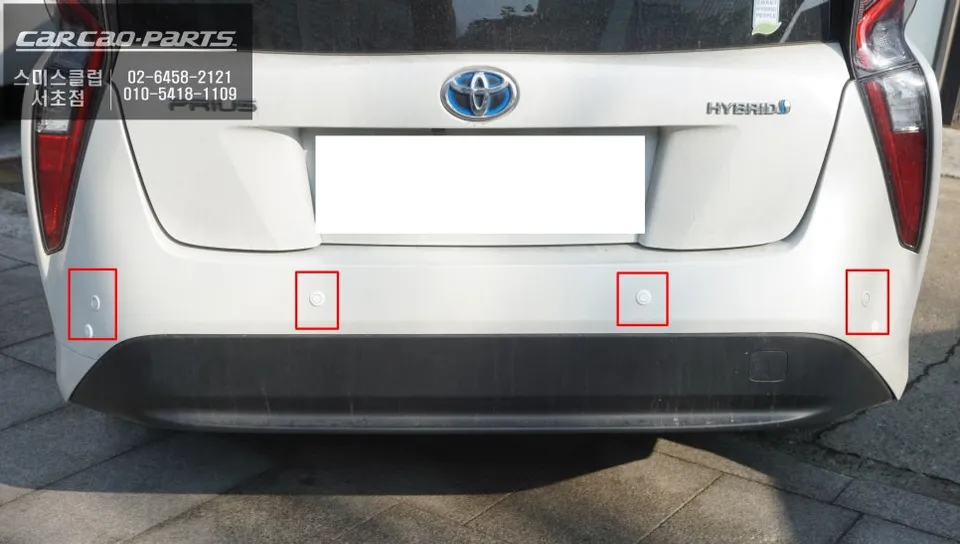
Toyota Prius rear parking sensor upgrade: 2-3 hours. Enhances safety by detecting obstacles during reverse parking.
Enhance Your Toyota Prius Parking Safety
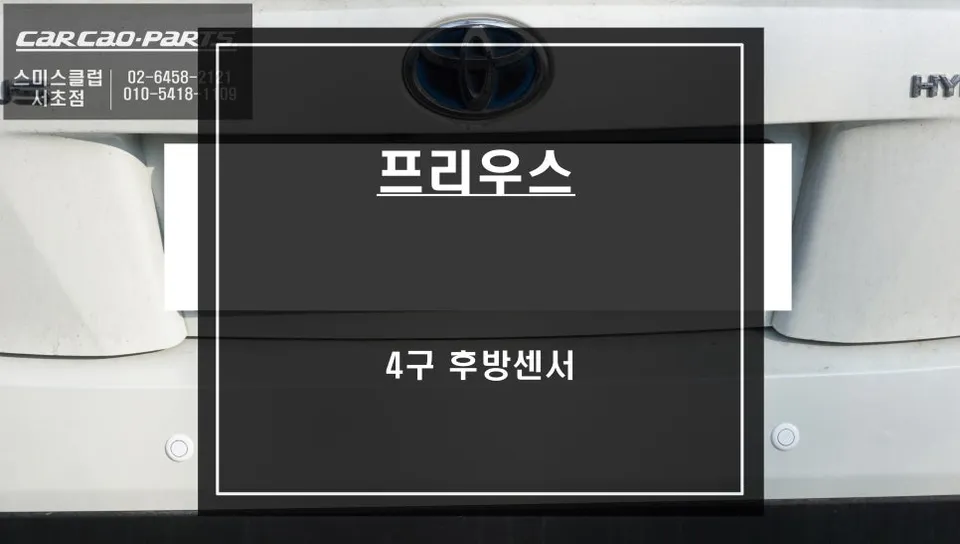
Many modern vehicles come equipped with rear parking sensors as standard, but some Toyota Prius models lack this essential safety feature. If you've been relying solely on your rearview mirror for parking or find it challenging to gauge distances in tight spots, a rear parking sensor upgrade can significantly improve your driving experience. Today's Car Seocho offers a 4-point rear parking sensor installation to fill this gap for your Toyota Prius.
Vehicle: Toyota Prius
Service: 4-Point Rear Parking Sensor Installation
Installation Method: Aftermarket sensor integration
Location: Rear Bumper
Estimated Time: 2-3 hours
Service Center: Today's Car Seocho
Why Rear Parking Sensors Are Crucial
Reversing is often the most hazardous part of parking. Unlike driving forward, the rear of your vehicle has blind spots that are difficult to see directly. The risk of collision increases dramatically when small objects like children, pets, or bicycles are present in these blind spots. Rear parking sensors utilize ultrasonic or radar technology to detect obstacles behind your car, providing real-time distance information. The closer you get to an object, the faster the warning beeps become, alerting the driver immediately. This feature is not just a convenience; it's a critical safety component, especially for drivers who frequently park in urban environments.
Installation Process for Prius Rear Sensors
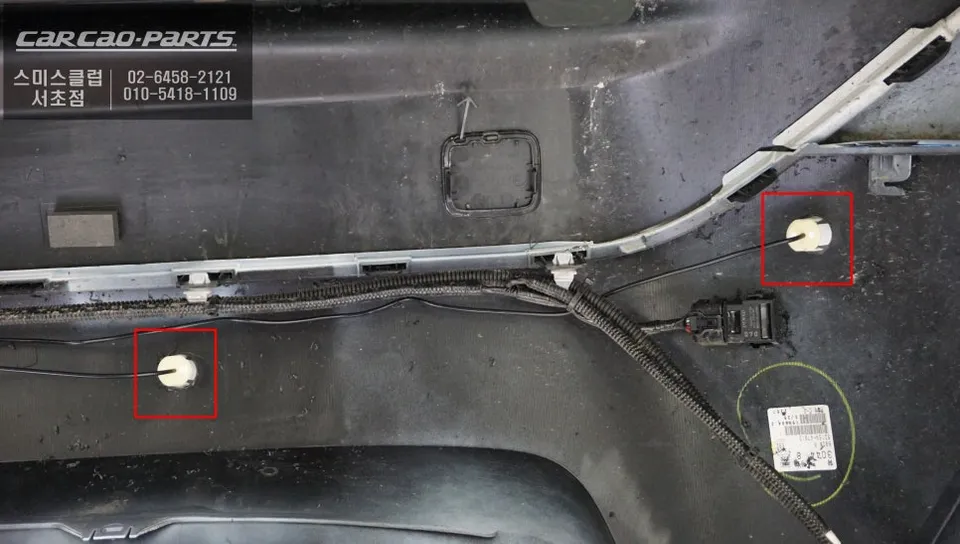
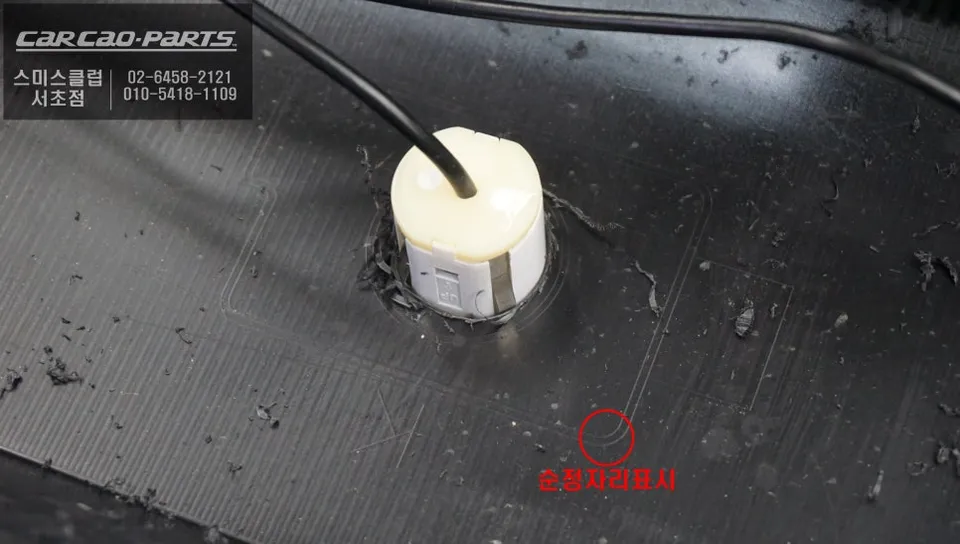
- Bumper Removal and Sensor Placement: The rear bumper is carefully removed. Precise locations on the bumper are marked and drilled for the sensors. Accurate drilling is vital to maintain the bumper's structural integrity and prevent water ingress.
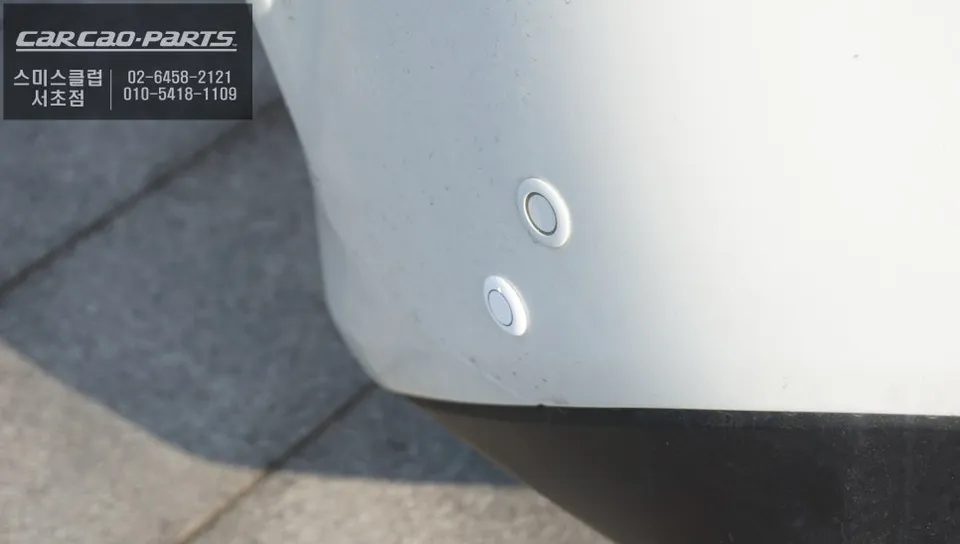
- Sensor Integration: Four sensors are strategically placed on the rear bumper, typically covering the outer edges and center areas, to ensure comprehensive coverage of the vehicle's rear. Using reputable aftermarket brands minimizes the risk of malfunction.
- Wiring and ECU Connection: The sensors are wired to the vehicle's rear control unit. Proper connection to the Toyota Prius's electrical system ensures the sensors synchronize with the car's reverse signal (when R gear is engaged).
- Bumper Reassembly and Sealing: Once wiring is complete, the bumper is reattached. Waterproof sealant is applied around the sensor housings to protect them from moisture and debris, crucial for long-term durability in the rear of the vehicle.
How the Sensors Work
Upon shifting the vehicle into reverse, the control unit activates the four sensors. Each sensor emits ultrasonic waves that bounce off nearby obstacles, calculating the distance. The system provides audible alerts that increase in frequency as the vehicle gets closer to an object. At very close proximity (typically under 30cm), a continuous tone sounds, prompting the driver to stop. This distance-based warning system enhances situational awareness significantly.
Frequently Asked Questions
Q. How much does a rear parking sensor installation cost for a Toyota Prius?
The cost for this specific 4-point rear parking sensor installation in Korea was detailed in the original content. Typical US pricing for aftermarket rear parking sensor kits can range from $100 to $300, plus installation fees.
Q. How long does rear parking sensor installation take on a Toyota Prius?
The installation process for rear parking sensors on a Toyota Prius typically takes about 2 to 3 hours. Proper sealing during installation is key to ensuring the sensors' longevity and preventing water damage.
Q. Are rear parking sensors worth adding after purchase for a Toyota Prius?
Rear parking sensors are highly recommended for Toyota Prius owners who frequently park in tight urban spaces or have visibility concerns. They provide a significant safety upgrade, reducing the risk of low-speed collisions.
Q. How are rear parking sensors installed on a Toyota Prius?
Installation involves carefully removing the rear bumper, precisely drilling holes for the sensors, mounting the sensors, connecting them to the vehicle's wiring harness and control unit, and then securely reattaching the bumper with proper sealing.
Q. What is the difference between dealer-installed options and aftermarket upgrades for a Toyota Prius?
Dealer-installed options are typically integrated by the manufacturer or dealership, often maintaining factory warranty. Aftermarket upgrades, like the sensors discussed, are installed by third-party shops and can offer more customization or cost savings, but it's important to choose reputable brands and installers.
Kakao Parts