Toyota Prius OEM Options Installation Cost & Review
Service Price
$115–150
Estimated price · Actual price may vary by shop
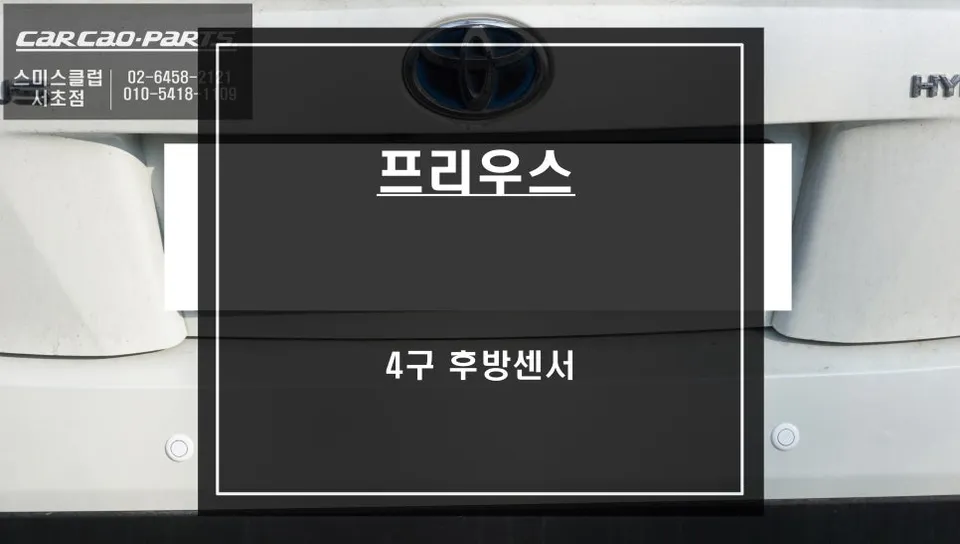
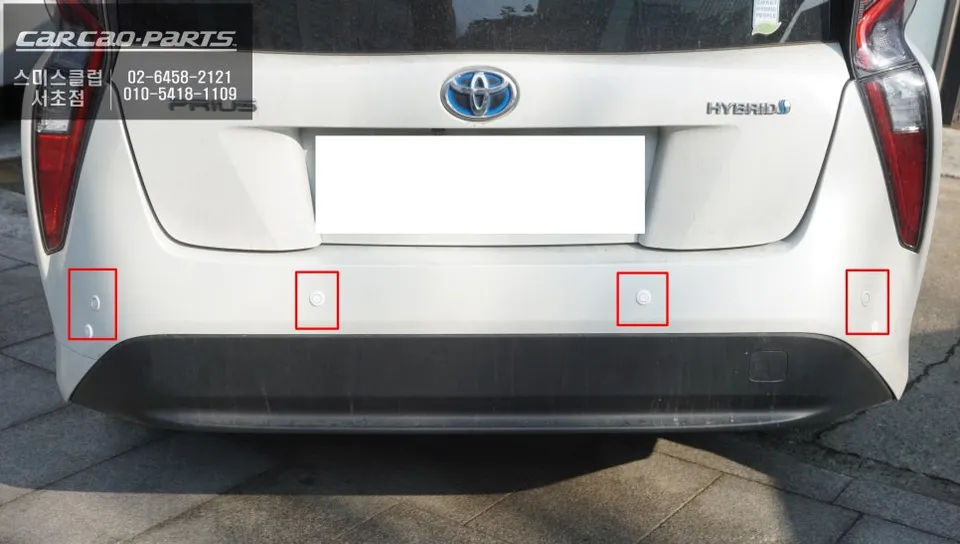
Toyota Prius rear parking sensors installation: $115–150. Enhances parking safety by detecting obstacles.
Is Adding OEM Options to Your Toyota Prius Worth It?
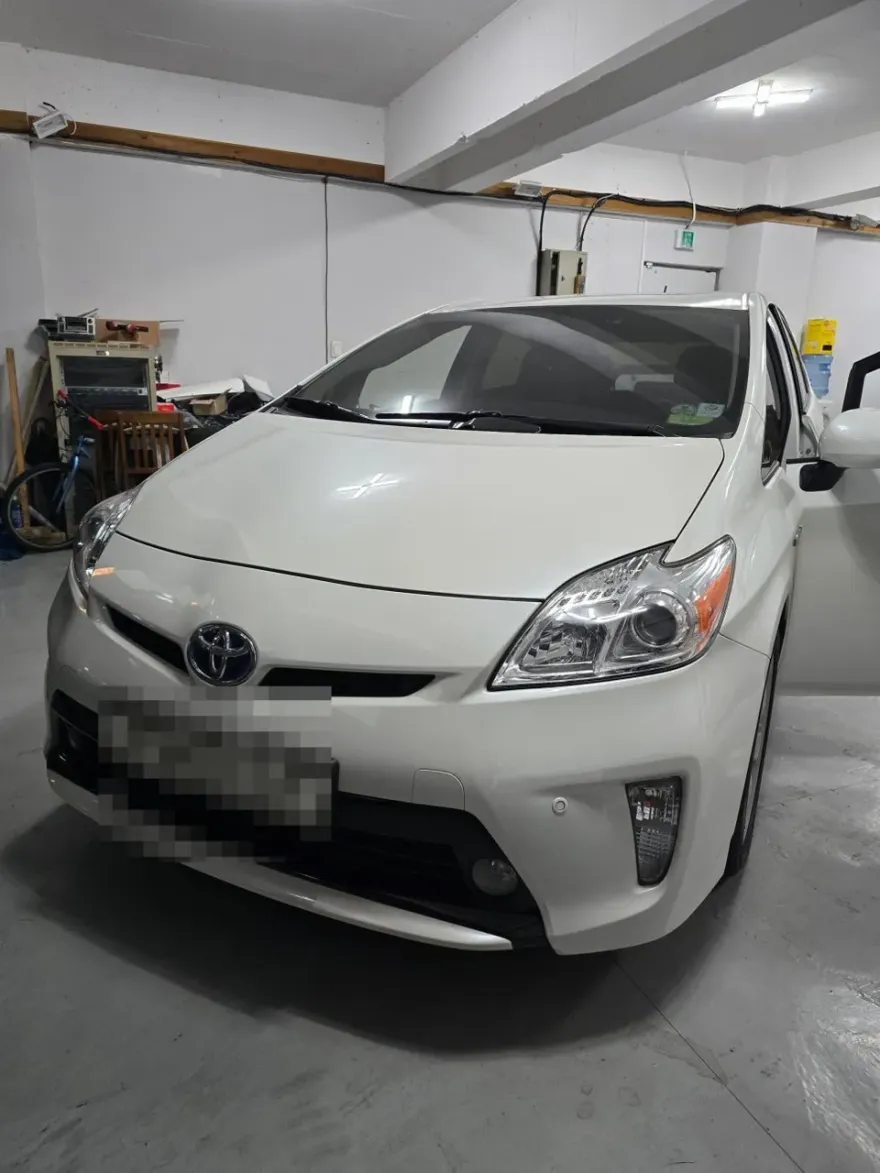
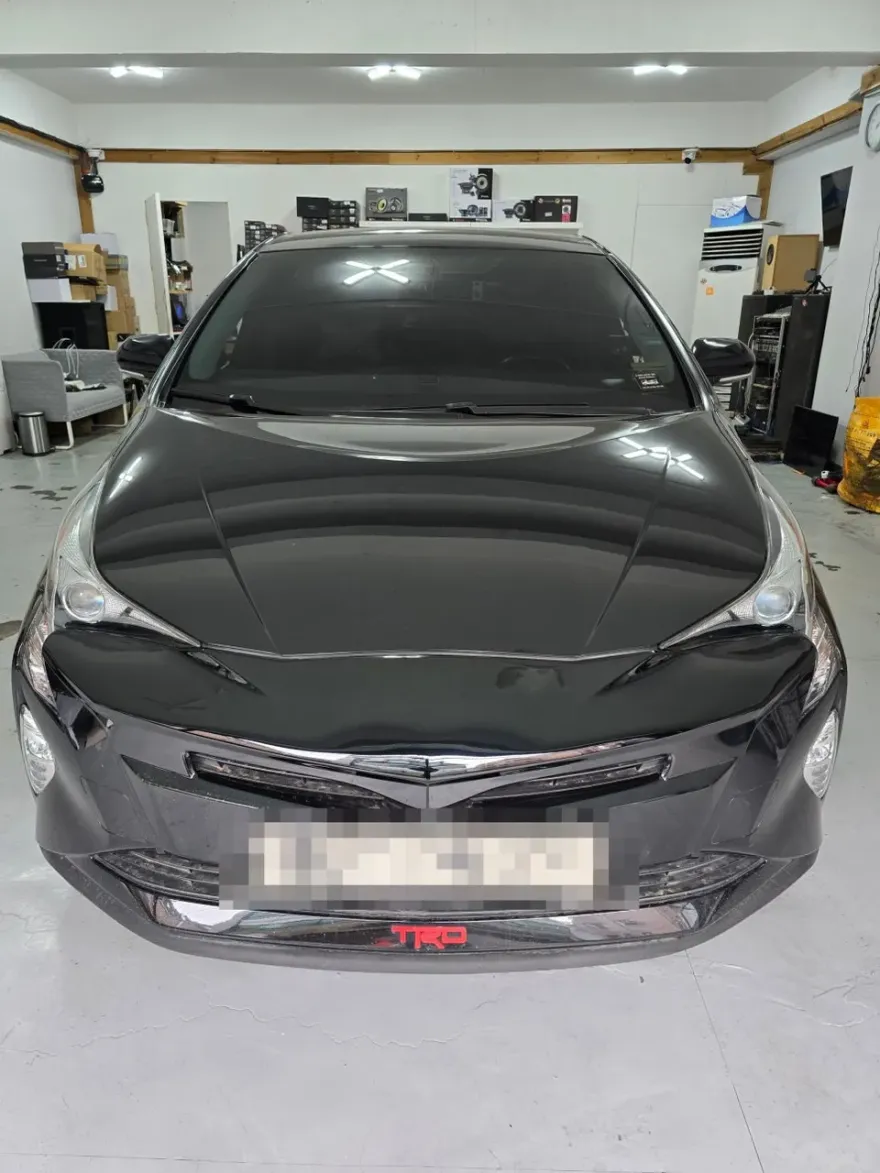
Many Toyota Prius owners find themselves wishing for features that weren't included in their original purchase. A common omission, especially in older models, is a rear parking sensor system. While many new cars come standard with these, some Prius models lack them, leaving drivers feeling vulnerable to parking mishaps. Accidents can easily occur when drivers can't detect obstacles behind the vehicle while reversing. To address this, we've seen successful installations of aftermarket 4-sensor systems that mimic factory options, enhancing safety and parking ease. These systems work by detecting the distance to obstacles behind your car and emitting audible alerts that increase in frequency as you get closer, providing crucial warnings.
Toyota Prius OEM Options Installation Process
The installation of OEM-like options, such as rear parking sensors, on a Toyota Prius is a meticulous process that requires precision. It typically begins with a thorough inspection of the vehicle. For the Prius, the rear bumper often has pre-designed sensor holes, simplifying the initial setup. The process involves several key steps:
- Bumper Removal: The rear bumper is carefully detached. This involves precisely loosening several bolts that secure it, ensuring no damage occurs to the bumper or surrounding bodywork. The exact procedure varies by vehicle model, highlighting the importance of experienced technicians.
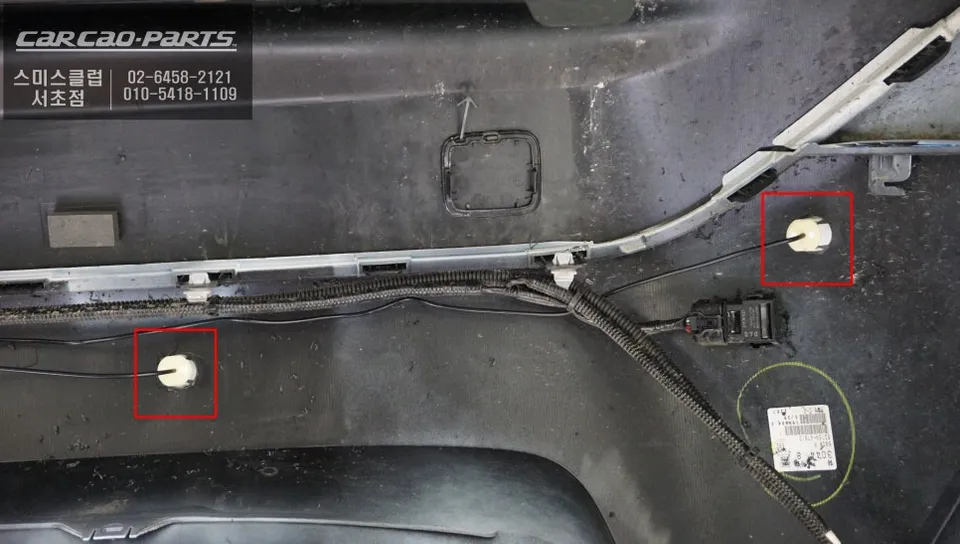
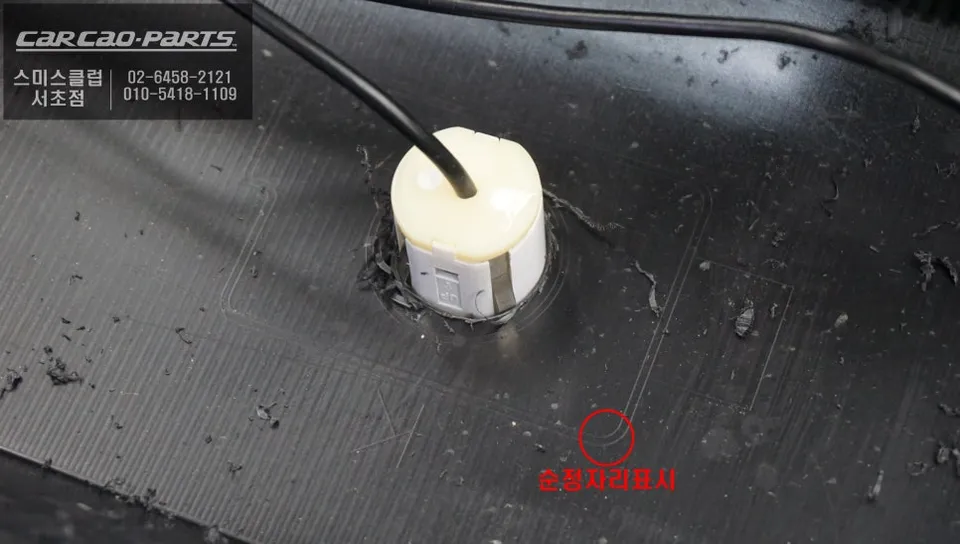
- Sensor Placement and Drilling: Once the bumper is off, the technician precisely marks and drills the sensor holes. For a 4-sensor setup, balanced placement is critical for accurate detection. Even slight distance errors can lead to uneven alerts. The Prius bumper may require careful drilling to enlarge pre-marked areas without compromising the integrity of the plastic or internal wiring.
- Sensor Mounting and Wiring: Each sensor is then securely fitted into its designated hole, ensuring it's flush with the bumper's surface. The wiring from each sensor is consolidated and connected to a central control unit (ECU). This unit is typically hidden within the vehicle's interior, often under a rear seat or in the trunk, to maintain a clean aesthetic. For a hybrid like the Prius, the wiring path to detect the reverse signal from the transmission can be more complex than in a standard gasoline car.
- Speaker Integration and Testing: A small speaker is installed, usually near the dashboard or discreetly within the rear, to relay the sensor alerts. This speaker is wired to the ECU. Finally, a comprehensive test is performed by putting the car in reverse to ensure all sensors are functioning correctly and the audible warnings are clear and accurate.
Durability and Long-Term Value of OEM Options
When considering factory upgrade options for your Toyota Prius, durability and long-term value are key factors. Properly installed sensors, whether OEM or high-quality aftermarket equivalents, are designed to withstand various weather conditions and the rigors of daily driving. Maintenance is generally minimal, often limited to occasional cleaning of the sensor surfaces to ensure optimal performance. The primary benefit is enhanced safety and peace of mind, significantly reducing the risk of low-speed collisions during parking. For many drivers, the cost of preventing even one minor accident far outweighs the initial investment in these systems. The integration aims to be seamless, maintaining the vehicle's aesthetic appeal while adding significant functional value.
Frequently Asked Questions
Q. How much does OEM option and factory upgrade installation cost for a Toyota Prius?
The installation of OEM-like options, such as rear parking sensors, for a Toyota Prius typically costs between $115–150. This price range reflects the cost of the parts and professional labor for a seamless integration.
Q. How long does OEM options installation take on a Toyota Prius?
The installation of OEM options like rear parking sensors is generally a durable upgrade, designed to last for many years. Minimal maintenance is required, usually just keeping the sensor surfaces clean for optimal performance.
Q. Are OEM options worth adding after purchase for a Toyota Prius?
Adding OEM options like rear parking sensors is highly recommended for Toyota Prius owners who value enhanced safety and parking convenience. The value proposition lies in significantly reducing the risk of costly parking-related accidents.
Q. How are OEM factory options installed on a Toyota Prius?
Installation involves carefully removing the rear bumper, precisely drilling sensor holes, mounting the sensors, and connecting them to a control unit and speaker. The process requires meticulous wiring and testing to ensure accurate obstacle detection and audible alerts.
Q. What is the difference between dealer-installed options and aftermarket upgrades for a Toyota Prius?
Dealer-installed options are typically genuine OEM parts installed by the dealership, often at a higher cost but with guaranteed compatibility. Aftermarket upgrades, like the 4-sensor system described, aim to replicate OEM functionality and appearance, often at a more accessible price point.
Kakao Parts