Toyota Prius Rear Parking Sensors Installation Review
Service Price
$75–115
Estimated price · Actual price may vary by shop

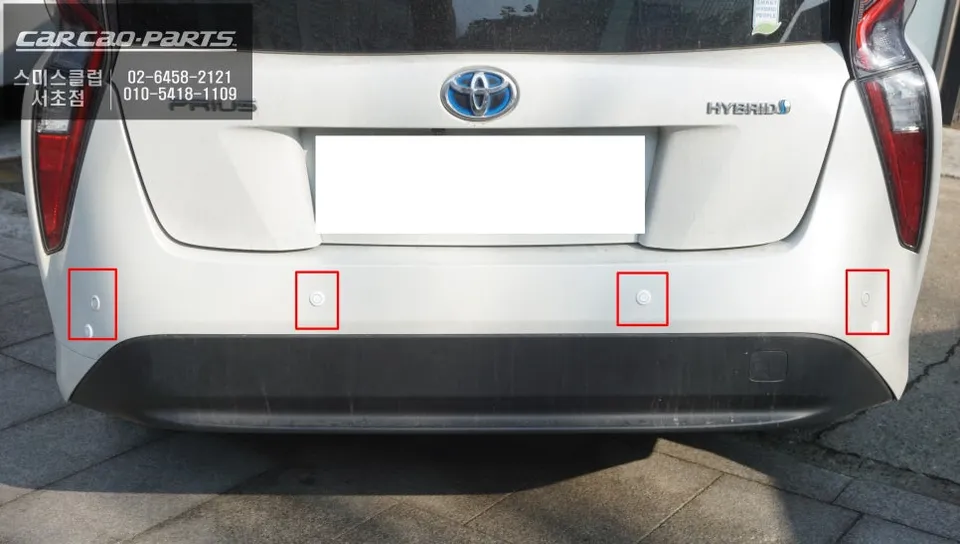
Toyota Prius rear parking sensor installation: Enhances safety and parking confidence. Professional installation ensures optimal performance.
Why Your Toyota Prius Needs Rear Parking Sensors
Many modern vehicles come equipped with rear parking sensors as a standard feature, offering a crucial layer of safety and convenience. However, Toyota Prius owners sometimes find themselves wishing for this helpful aid, especially when navigating tight parking spaces or reversing in areas with limited visibility. The absence of this feature can lead to anxiety and a lack of confidence when parking. Fortunately, an aftermarket 4-point rear parking sensor system can effectively bridge this gap, providing the necessary alerts to prevent collisions.
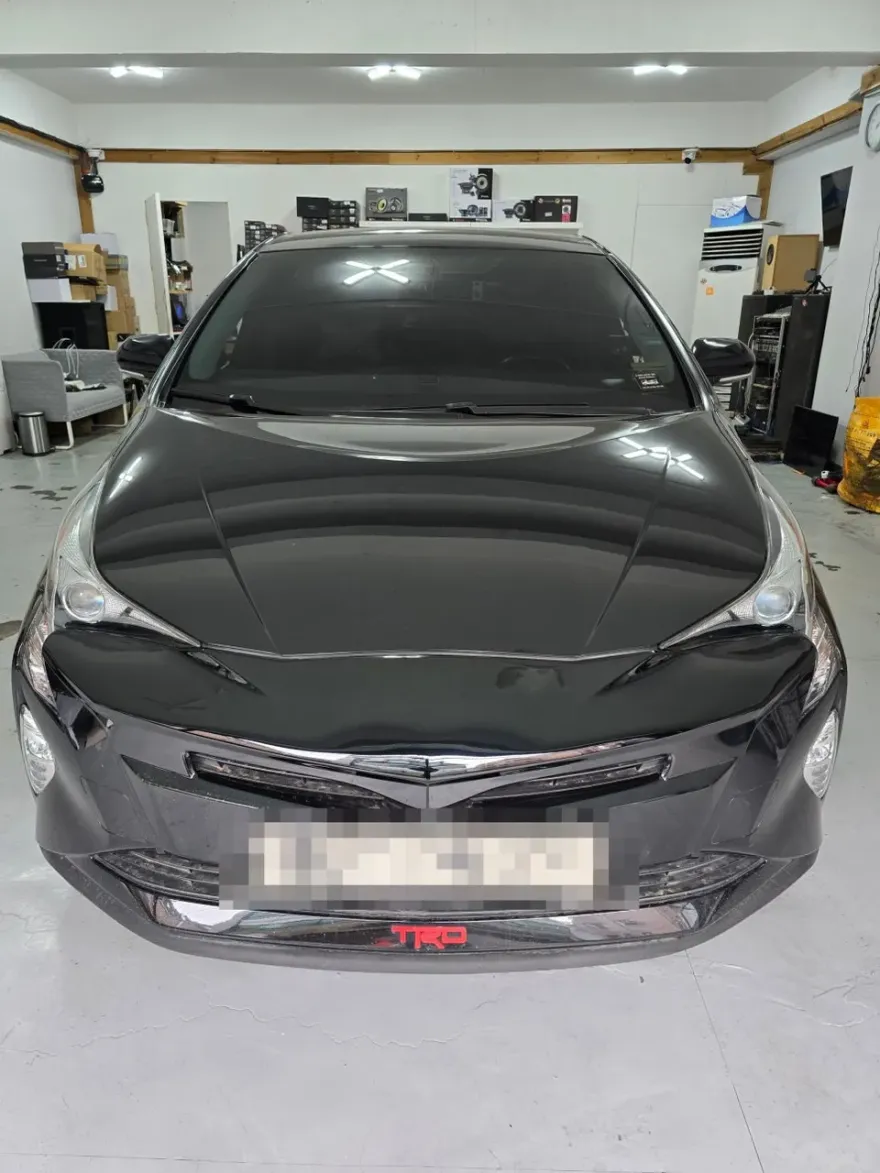
This installation, performed at Today's Car Seocho branch, demonstrates that even without a factory-installed option, aftermarket sensors can significantly enhance collision avoidance. The system works by detecting obstacles behind the vehicle the moment reverse gear is engaged, issuing tiered audible warnings based on the proximity of the detected object. This allows the driver to accurately gauge the distance to potential hazards.
The Installation Process for Prius Rear Sensors
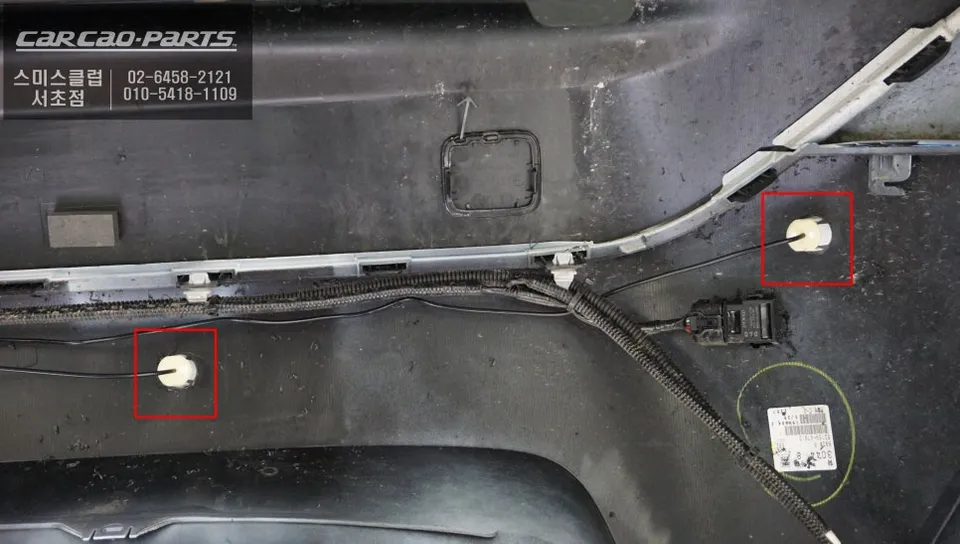
The installation begins with a thorough inspection of the vehicle's current condition. The rear bumper is carefully removed to identify the precise locations where the factory sensors would typically be mounted. This step is critical for ensuring accurate sensor placement and effective coverage.
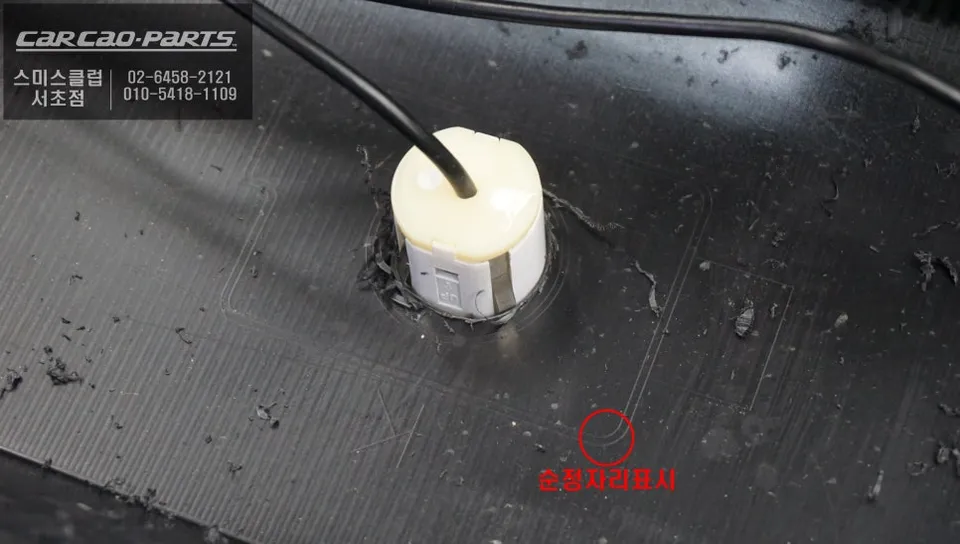
Following bumper removal, precise holes are drilled into the bumper at the designated sensor locations. This is often referred to as a "flush mount" installation, where the sensors are seamlessly integrated into the bumper, maintaining a clean and factory-like aesthetic. This method also simplifies cleaning and helps prolong the life of the sensors.
The 4-point system is designed to cover a wide area at the rear of the vehicle, with two sensors on each side. This strategic placement minimizes blind spots and ensures comprehensive detection of obstacles. Proper spacing between the sensors is key to achieving optimal coverage.
Detailed wiring is another crucial aspect of the installation. Each sensor's signal wire is routed to a central control unit, which is then connected to the vehicle's reverse signal wire. Care is taken to route the wiring harness neatly, avoiding interference with the engine bay or chassis components.
Once all wiring is complete, an audible alert device is installed. This unit is programmed to emit distinct warning tones corresponding to different distances. A slower beep indicates a greater distance, while a rapid series of beeps signals that the vehicle is very close to an obstacle, allowing for intuitive distance judgment.
A comprehensive test is performed to ensure all components are functioning correctly. This includes verifying that the audible alerts activate when reverse gear is engaged and confirming the sensitivity of each sensor.
Finally, the rear bumper is reinstalled, ensuring it is properly aligned and that the sensors are securely and discreetly housed within the bumper.
Who Benefits from Rear Sensor Upgrades?
Prius owners often seek rear parking sensors to compensate for the lack of this standard feature in some models and to alleviate concerns about parking in confined areas. This upgrade is particularly beneficial for drivers who frequently transport children or regularly navigate challenging parking situations. Furthermore, having rear parking sensors can enhance a vehicle's resale value, as potential buyers often prefer vehicles equipped with essential convenience and safety features.
It's important to note that aftermarket sensors may require occasional sensitivity adjustments after installation to ensure they are neither too sensitive nor too unresponsive, preventing false alarms or missed detections.
Frequently Asked Questions
Q. How much does OEM option and factory upgrade installation cost for a Toyota Prius?
The cost for this aftermarket 4-point rear parking sensor installation was not specified in Korean Won, but typical US installations can range from $200 to $500 depending on the system and labor rates.
Q. How long does OEM options installation take on a Toyota Prius?
This installation typically takes about 2-3 hours to complete. Regular maintenance involves keeping the sensors clean and free from debris to ensure optimal performance.
Q. Are OEM options worth adding after purchase for a Toyota Prius?
Yes, adding rear parking sensors is highly recommended for Prius owners who frequently face parking challenges or want to enhance safety. They offer significant peace of mind and can improve resale value.
Q. How are OEM factory options installed on a Toyota Prius?
Installation involves removing the rear bumper, precisely drilling holes for the sensors, flush-mounting them, routing wiring to a control unit, connecting to the vehicle's reverse signal, and programming the audible alerts. Finally, the bumper is reinstalled and tested.
Q. What is the difference between dealer-installed options and aftermarket upgrades for a Toyota Prius?
Dealer-installed options are typically OEM-certified and integrated seamlessly, while aftermarket upgrades, like these sensors, are added post-purchase and can offer similar functionality at a potentially lower cost, though integration might vary. For parking sensors, aftermarket solutions are often a practical and effective choice.
Kakao Parts