Volkswagen Golf 7th Gen OEM Rear Camera Review
Service Price
$115–150
Estimated price · Actual price may vary by shop
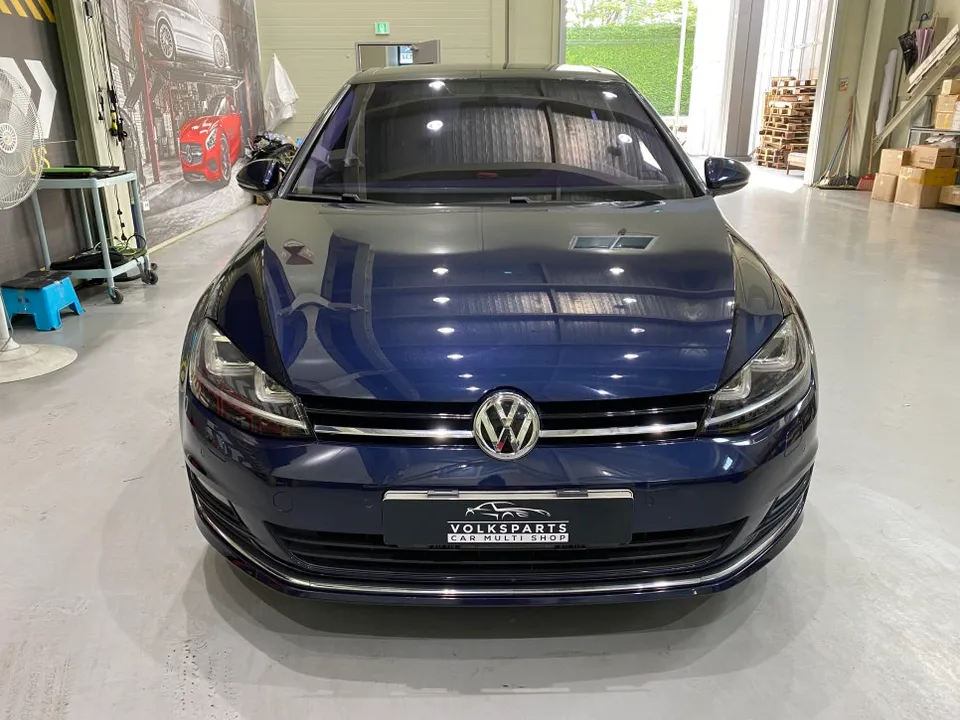
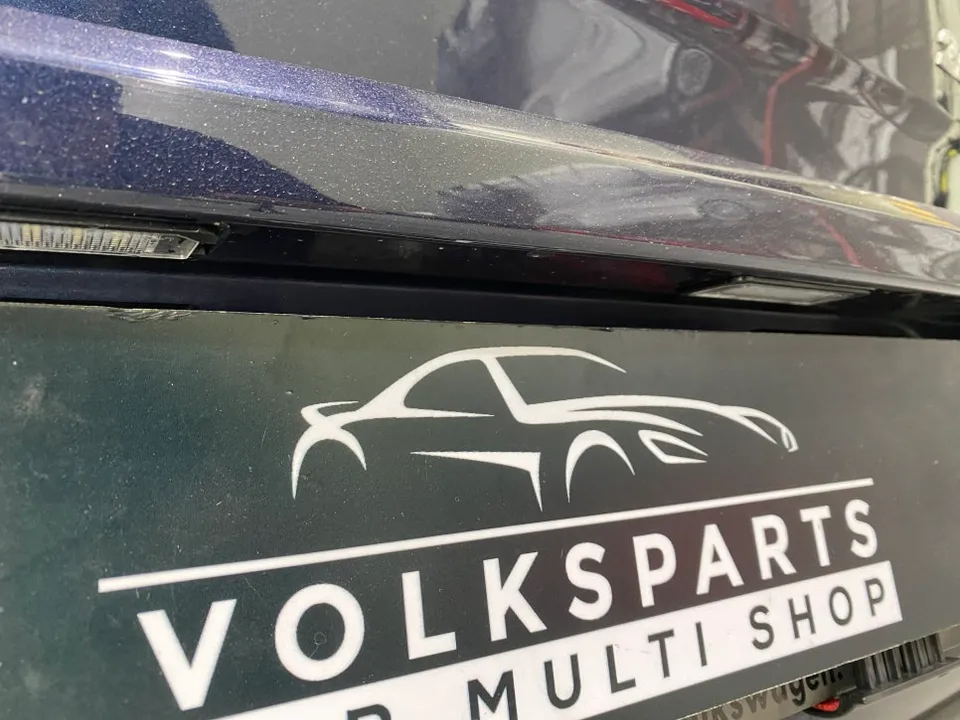
Volkswagen Golf 7th Gen OEM rear camera upgrade. Installation costs approx. ₩300,000-₩500,000. Enhances safety and parking precision.
Why Your Volkswagen Golf Needs a Rear Camera
Constantly twisting your neck to check behind your Volkswagen Golf 7th Gen while reversing or navigating tight spots is not only uncomfortable but also dangerous. Even with the Golf's decent rear visibility for a hatchback, blind spots can easily hide pedestrians or obstacles. This is why many Golf owners opt for a rear camera upgrade. At Today's Car Incheon, we've seen firsthand how a rear camera transforms the driving experience, making it an essential safety feature rather than just a convenience.
Choosing Between Folding and Flush-Mount Rear Cameras
For the Volkswagen Golf, there are two primary types of rear cameras: the flush-mount (or "drilled") type, which requires a small hole in the bumper, and the folding type, which integrates discreetly behind the Volkswagen logo and deploys automatically. Each has distinct advantages and disadvantages, making the choice dependent on your vehicle's condition and personal preference.
Flush-mount cameras are generally more budget-friendly. The installation process is simpler, and the camera units themselves are less expensive. However, the lens is always exposed, making it susceptible to dirt, water spots, and grime, which can degrade image quality. Regular cleaning is necessary to maintain a clear view.
Folding cameras offer superior protection for the lens. When not in use, the camera retracts into the emblem, shielding it from the elements. This results in a consistently clear image with minimal maintenance and also maintains a cleaner, more premium aesthetic for the vehicle. The trade-off is a higher initial cost and the potential for mechanical failure of the folding mechanism over time.
Installation Process: Flush-Mount Rear Camera
For this particular Golf, we opted for the flush-mount installation. The process begins with a thorough inspection of the vehicle. A precise hole is drilled into the bumper, sized for the camera. The placement and angle of this hole are critical, as they determine the camera's field of view.
- Bumper Preparation: Carefully measure and drill a precise hole in the rear bumper for the camera.
- Camera Mounting: Securely install the camera into the prepared hole, ensuring the correct angle for optimal visibility.
- Wiring and Integration: Route the camera wiring through the vehicle and connect it to the head unit. Power is typically sourced from the reverse light circuit.
- Coding: Connect a diagnostic tool to modify the vehicle's coding. This step is crucial for enabling the head unit to display the camera feed and is specific to each Volkswagen model.
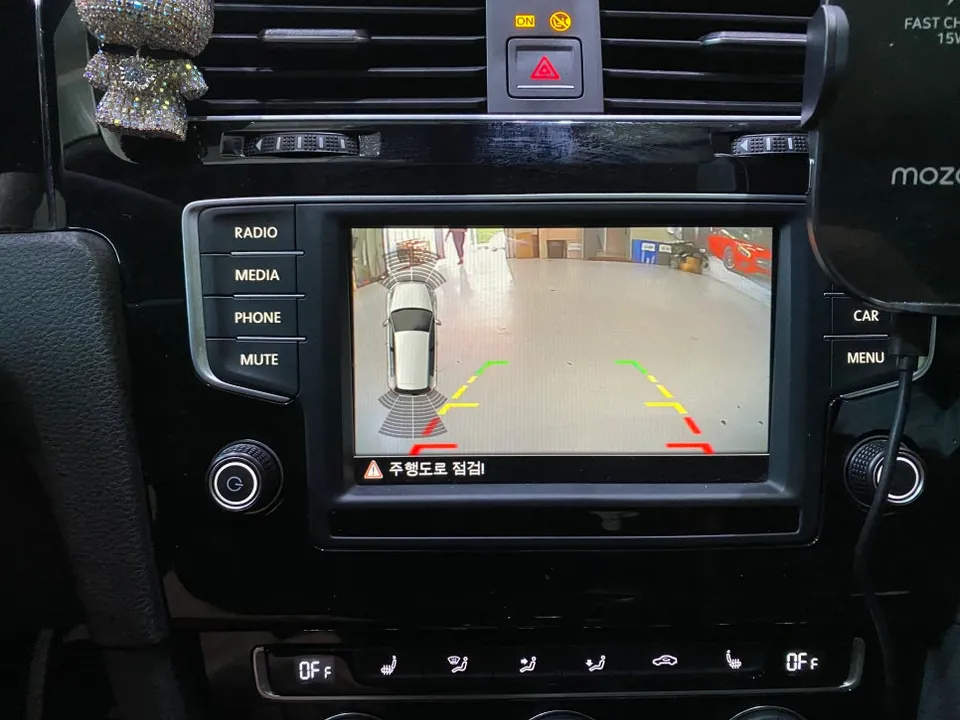
Post-Installation: Monitor Display
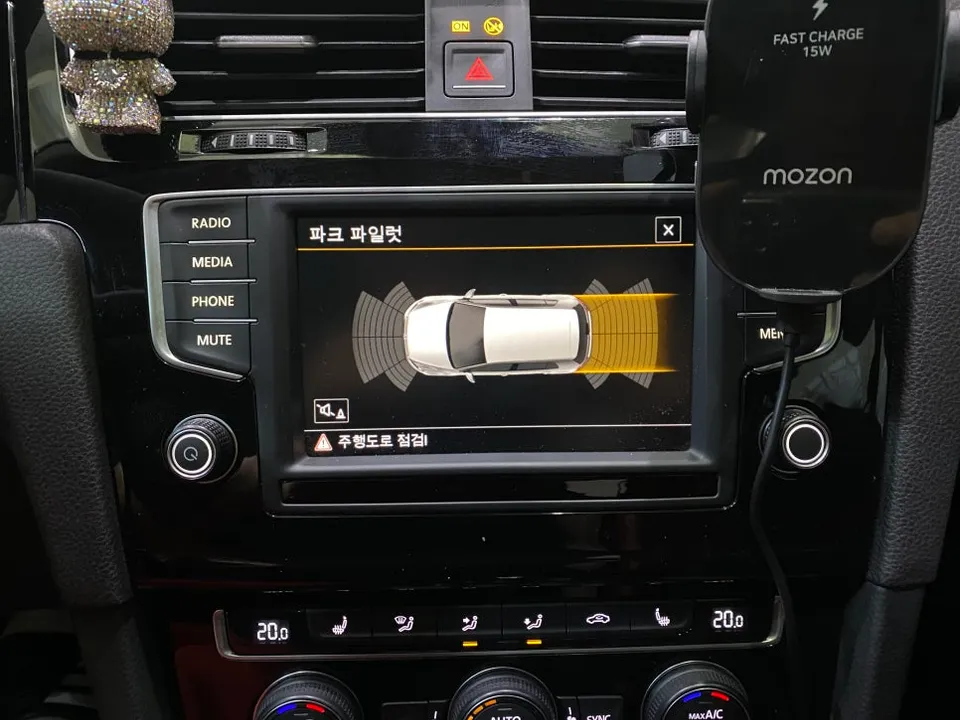
Before installation, the Golf's monitor only displayed parking sensor data and vehicle outlines when in reverse. After the camera is installed and the vehicle is coded, engaging reverse gear now brings up a clear, real-time video feed. The system adapts quickly, providing sharp visuals that clearly distinguish objects and pedestrians near the car. The clarity is sufficient even in low-light conditions, proving invaluable for parking in dimly lit areas or navigating narrow alleys at night.
Real-World Performance of the Flush-Mount Camera
The most significant benefit after installation is the peace of mind. Relying solely on mirrors can be nerve-wracking, but the monitor provides a precise view of the rear surroundings. This is particularly helpful in challenging situations like complex intersections or tight parking spaces. However, as mentioned, lens maintenance is key. We recommend checking and cleaning the lens about once or twice a month, or more frequently after driving in rain or on dusty roads. If this level of upkeep seems inconvenient, the folding camera might be a better alternative.
Cost and Time Considerations
The cost for a flush-mount rear camera installation, including parts and labor, typically ranges from ₩300,000 to ₩500,000 in Korea. The entire process usually takes about 2 to 3 hours to complete, depending on the specific vehicle and any unforeseen complexities.
Frequently Asked Questions
Q. How much does OEM option and factory upgrade installation cost for a Volkswagen Golf 7th Gen?
In Korea, a flush-mount rear camera installation for a Volkswagen Golf 7th Gen typically costs between ₩300,000 and ₩500,000. Professional installation ensures proper integration and functionality.
Q. How long does OEM options installation take on a Volkswagen Golf 7th Gen?
The installation process for an OEM rear camera on a Volkswagen Golf 7th Gen usually takes 2 to 3 hours. Regular lens cleaning, especially after driving in adverse conditions, is recommended for optimal performance.
Q. Are OEM options worth adding after purchase for a Volkswagen Golf 7th Gen?
Yes, adding an OEM rear camera significantly enhances safety and parking ease, especially for drivers who frequently navigate tight spaces or busy areas. It provides crucial visual aid, reducing the risk of accidents.
Q. How are OEM factory options installed on a Volkswagen Golf 7th Gen?
Installation involves preparing the bumper by drilling a precise hole for the camera, mounting the unit, routing and connecting the wiring, and finally, coding the vehicle's system via a diagnostic tool to enable the camera display.
Q. What is the difference between dealer-installed options and aftermarket upgrades for a Volkswagen Golf 7th Gen?
Dealer-installed OEM options are designed to integrate seamlessly with the vehicle's existing systems, often requiring specific coding, while aftermarket upgrades may offer more variety but might not integrate as perfectly. For rear cameras, OEM options generally provide a more factory-like experience and reliability.
Fox Parts