Volkswagen Golf OEM Options Review: Cost & Results
Service Price
$approx. $1,150–1,500
Estimated price · Actual price may vary by shop
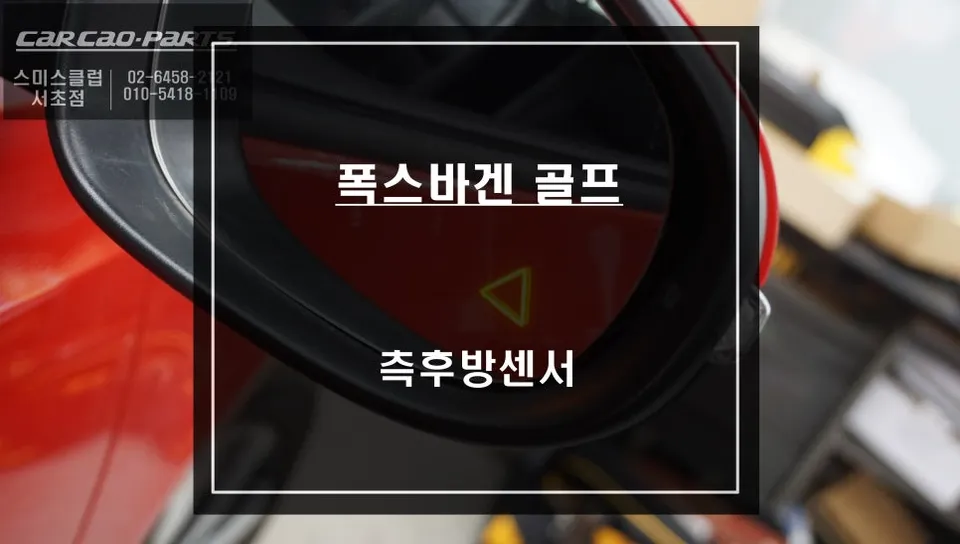
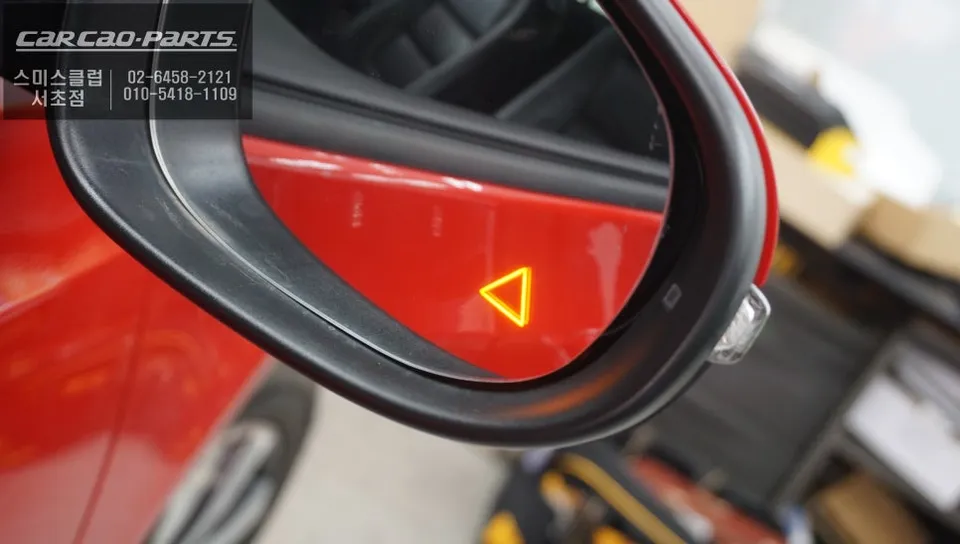
Volkswagen Golf blind-spot monitoring upgrade: $1,150-$1,500 est. US. Enhances safety with visual/audible alerts.
Enhancing Your Volkswagen Golf with OEM Options
Many Volkswagen Golf owners seek to enhance their driving experience with advanced safety features, especially for tasks like lane changes. For those driving models with larger blind spots or for newer drivers, the need for systems like blind-spot monitoring becomes more apparent. This review explores the installation of an OEM-style blind-spot warning system, combining S-RADAR sensors with wide-angle mirrors, to improve visibility and safety. This upgrade aims to provide visual and auditory alerts for potential collision risks, mimicking factory-installed options.
Understanding the S-RADAR Sensor and Wide-Angle Mirror System
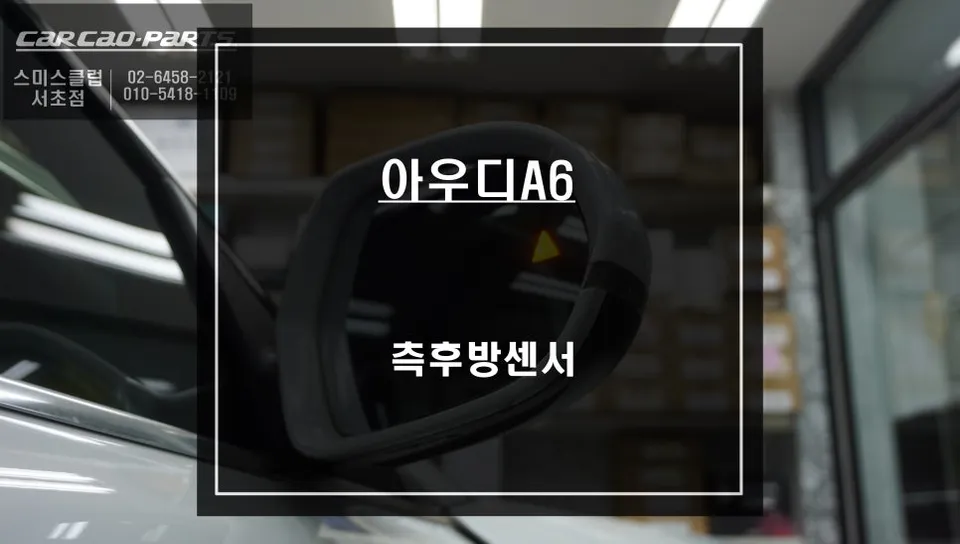
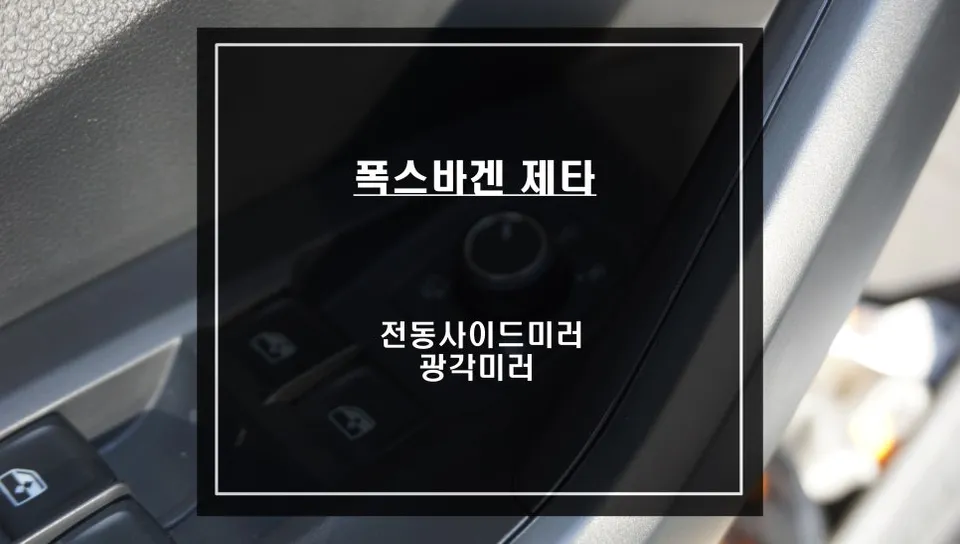
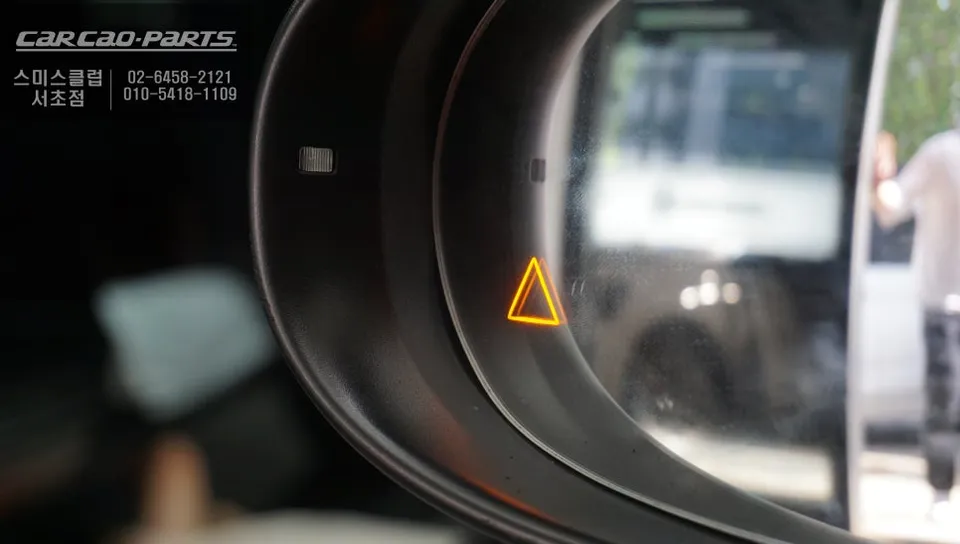
The system integrates two key components to achieve comprehensive blind-spot detection. First, the 680R wide-angle mirrors offer a significantly broader field of vision compared to standard mirrors. These mirrors are marked with a triangular indicator where the sensor's warning light is mounted. When an obstacle is detected approaching from the rear sides, this light illuminates, providing a crucial visual cue. This visual alert is particularly beneficial for novice drivers who might otherwise miss vehicles in their blind spots solely by checking mirrors.
The second component is the flush-mounted S-RADAR sensor, installed discreetly inside the rear bumper. This installation method preserves the vehicle's exterior aesthetics, as no external modifications or drilling are required. The S-RADAR sensors are designed to detect only moving objects, filtering out stationary items to minimize false alarms. The typical detection range is between 5 to 7 meters, though this can vary slightly based on the vehicle and specific settings. Crucially, the system integrates with the vehicle's speed via the OBD2 port. Similar to factory options, the sensors only activate when the car is traveling above a certain speed, preventing unnecessary alerts during low-speed maneuvers or parking.
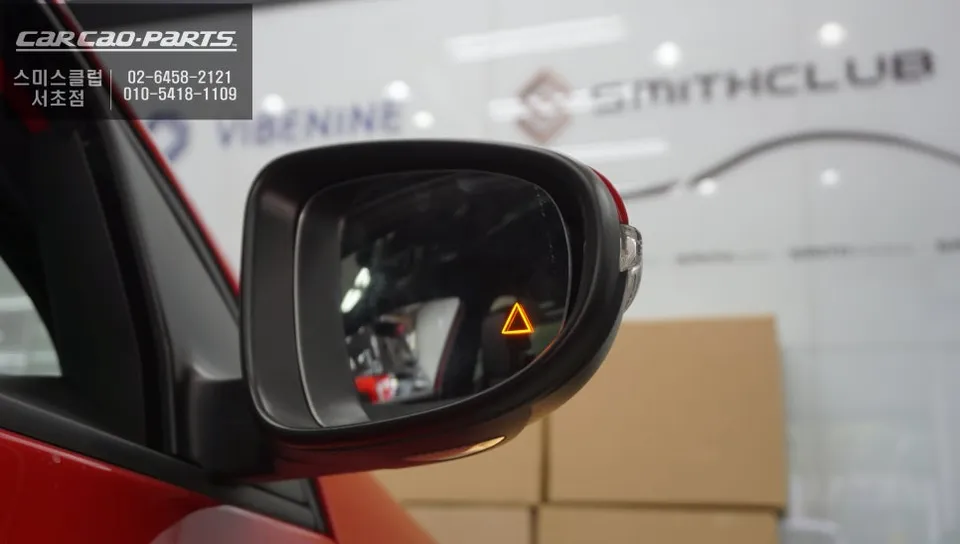
Before and After: The Impact of Blind-Spot Monitoring
The primary benefit of this OEM option retrofit is the enhanced safety during lane changes. For a Volkswagen Golf, the B-pillars can create significant blind spots. The S-RADAR system addresses this by activating a warning light on the mirror and emitting an audible alert when a vehicle enters the blind spot. This dual-alert system is designed to subconsciously prompt the driver to reconsider a lane change, effectively preventing potential collisions. The 'before' state is the inherent blind spot risk associated with the Golf's design, while the 'after' state is a significantly safer driving environment, particularly during highway driving or in busy traffic. The system's durability is expected to be high, with a typical lifespan of 5-7 years or more under normal operating conditions, requiring minimal maintenance beyond occasional cleaning of the sensors if they become obstructed.
Installation Process:
- The S-RADAR sensors are carefully mounted inside the rear bumper, ensuring no exterior damage.
- Wiring is routed discreetly and connected to the vehicle's electrical system and OBD2 port for speed data.
- The wide-angle mirrors, equipped with integrated warning lights, replace the factory mirrors.
- The system is calibrated using diagnostic tools to ensure accurate detection ranges and sensitivity, integrating with the car's speed signals.
The installation process, performed by experienced technicians, typically takes about 3-4 hours and can often be completed within a single day. While the original context for this review is from South Korea, the technology and installation principles are universal. The estimated cost in South Korea for this type of upgrade ranges from 800,000 to 1,500,000 KRW (approximately $600-$1,100 USD, though direct US pricing for comparable OEM options can range from $1,150–$1,500). This price can vary based on the specific components used and the complexity of the installation.
Frequently Asked Questions
Q. How much does OEM option and factory upgrade installation cost for a Volkswagen Golf?
The original context suggests a cost of 800,000-1,500,000 KRW (approx. $600-$1,100 USD) in Korea, while comparable OEM options in the US typically range from $1,150–$1,500.
Q. How long does OEM options installation take on a Volkswagen Golf?
Installation typically takes 3-4 hours and can be completed the same day, with the system designed for 5-7 years of reliable use requiring minimal maintenance.
Q. Are OEM options worth adding after purchase for a Volkswagen Golf?
Yes, especially for drivers concerned about blind spots during lane changes, as it significantly enhances safety with dual alerts. The value lies in preventing potential accidents and increasing driving confidence.
Q. How are OEM factory options installed on a Volkswagen Golf?
Installation involves mounting S-RADAR sensors inside the rear bumper, connecting them to the vehicle's OBD2 port for speed data, and replacing side mirrors with wide-angle versions featuring integrated warning lights. The system is then calibrated for optimal performance.
Q. What is the difference between dealer-installed options and aftermarket upgrades for a Volkswagen Golf?
Dealer-installed options are typically genuine OEM parts designed to integrate seamlessly with the vehicle's systems, often maintaining warranty. Aftermarket upgrades can vary widely in quality and integration, sometimes requiring more complex installation.
Q. What should I know before getting OEM Options on a Volkswagen Golf? (common regrets and mistakes)
A common mistake is not ensuring professional calibration, which can lead to inaccurate warnings or false alarms. Always choose an installer experienced with integrating electronic systems into the Volkswagen Golf's specific platform.
Kakao Parts