Volkswagen Golf Seat Ventilation Installation Review — Cost
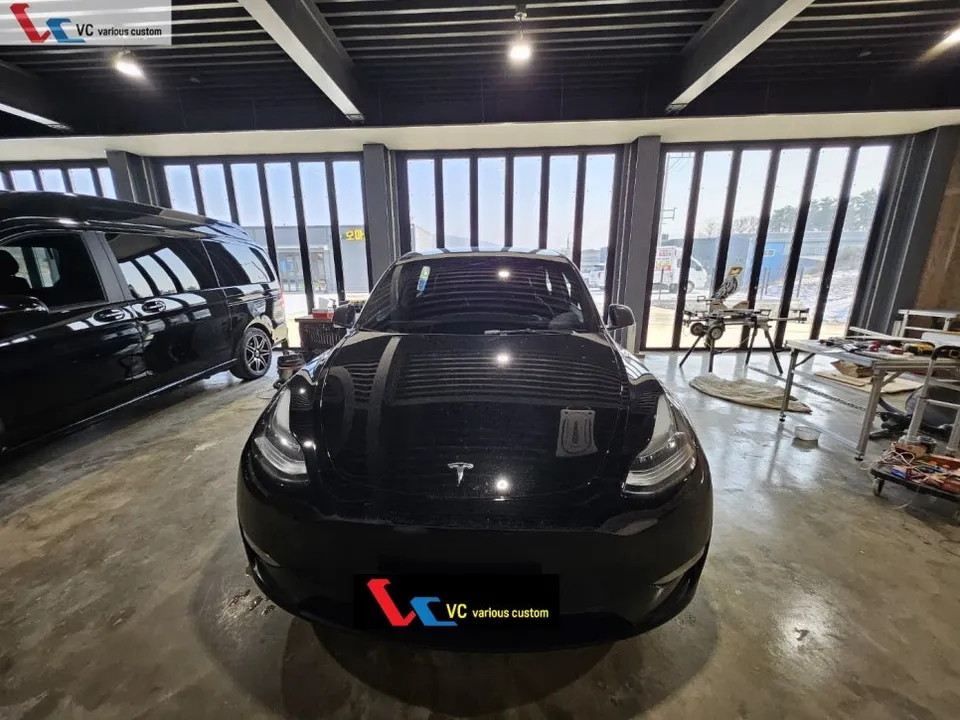
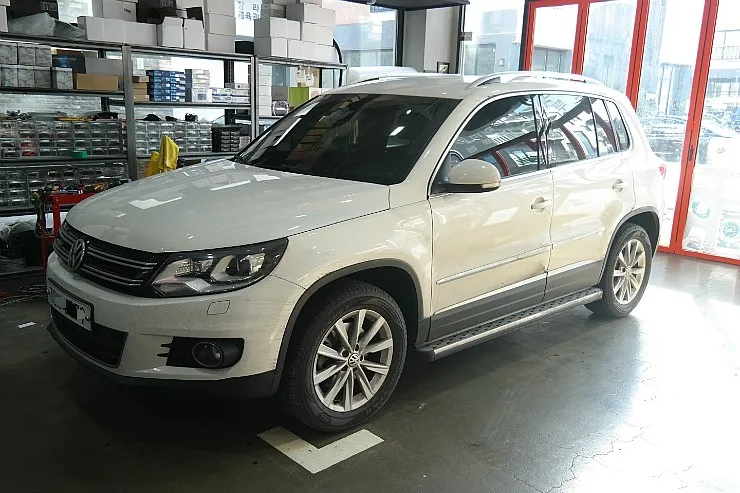
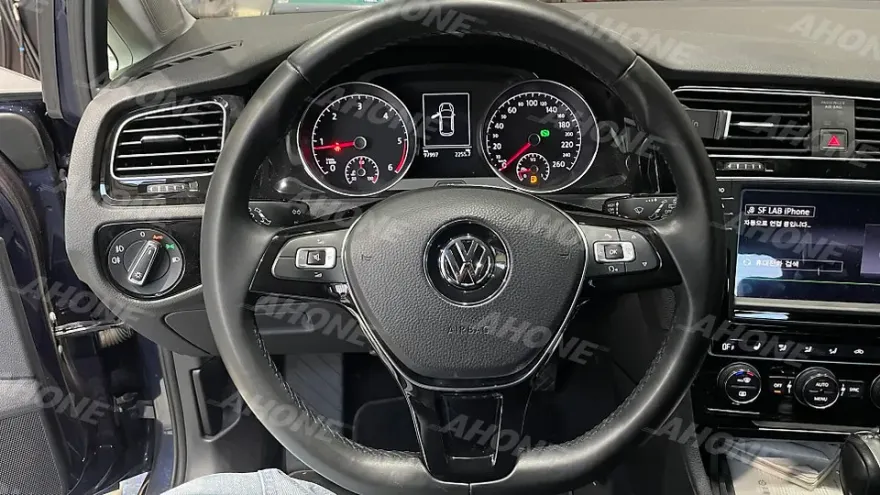
Before

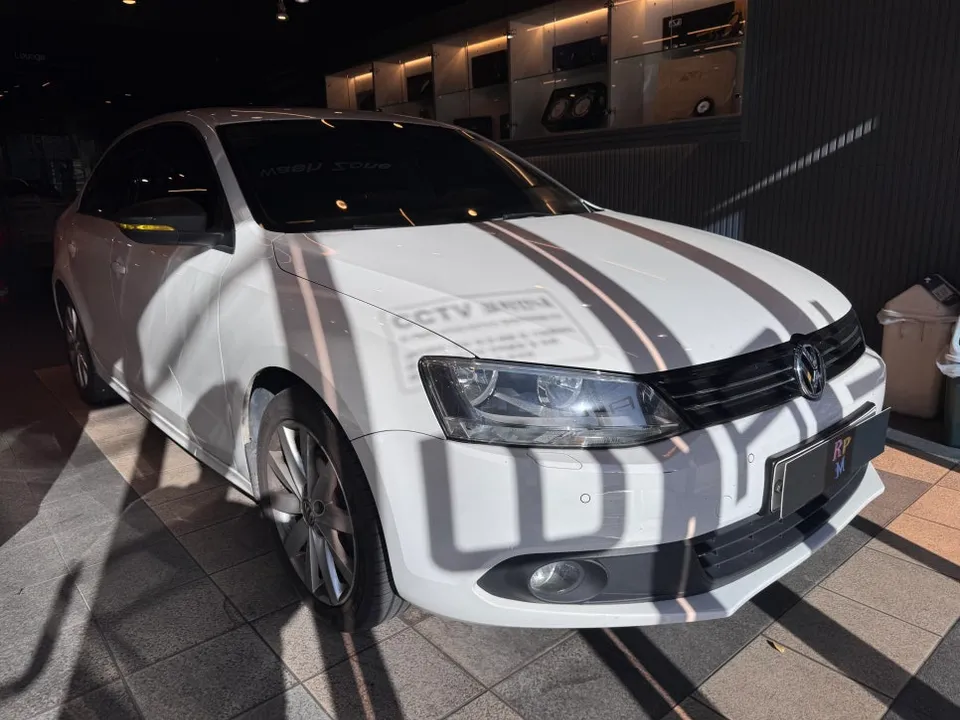
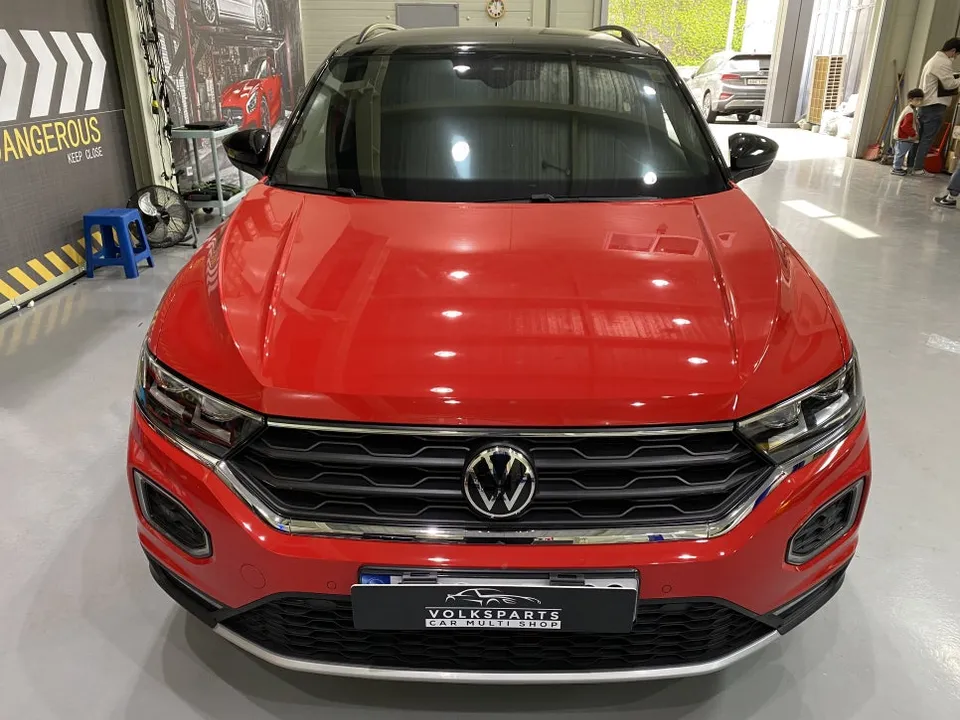
After
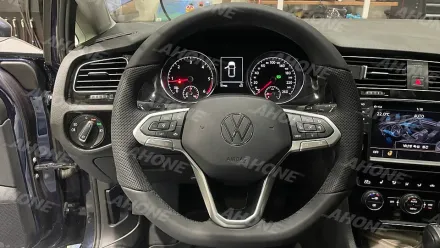
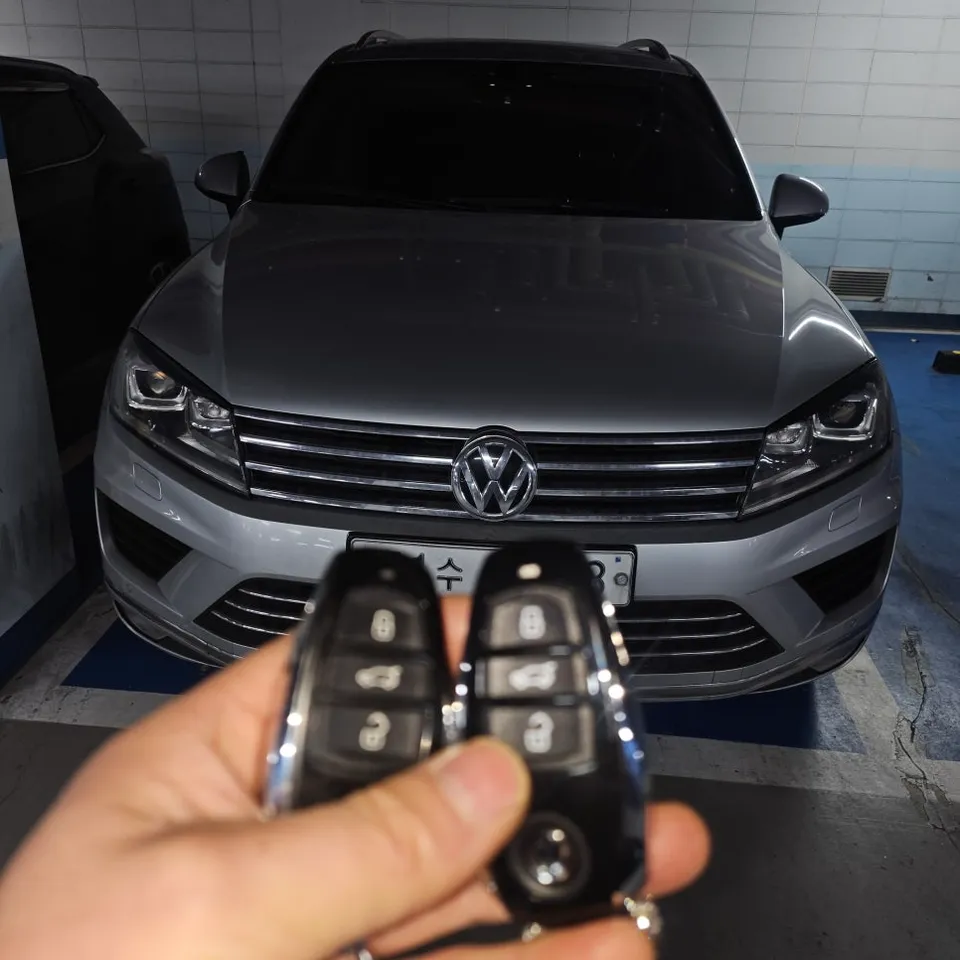
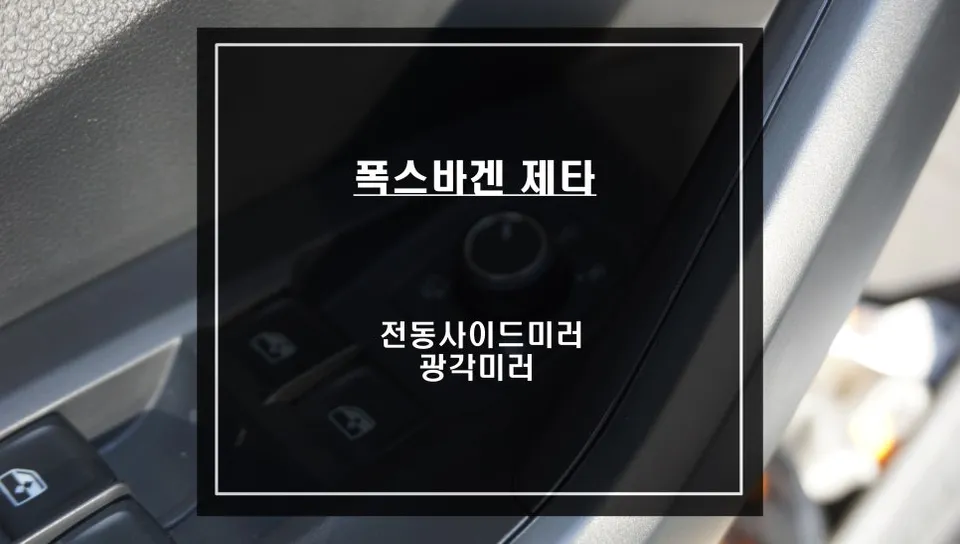
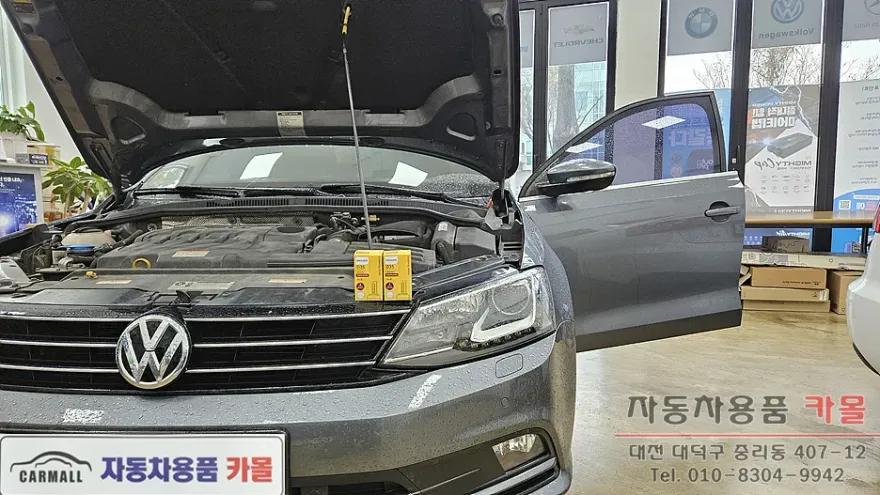
Process photos
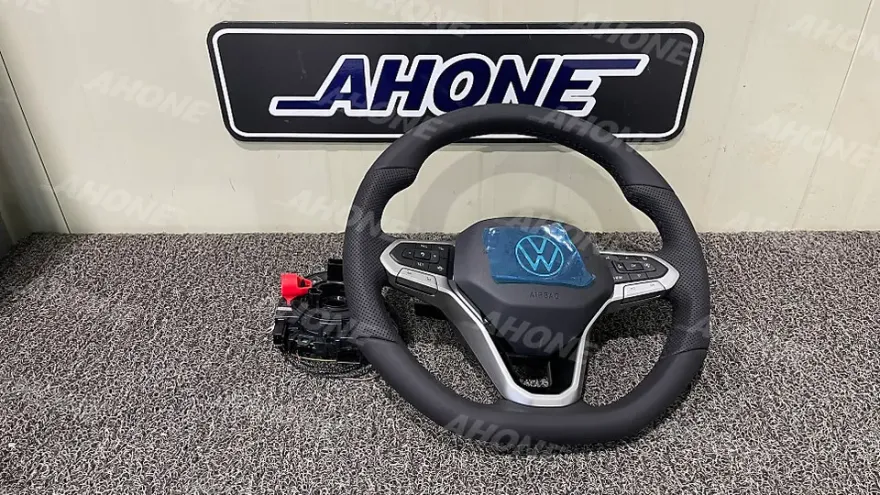
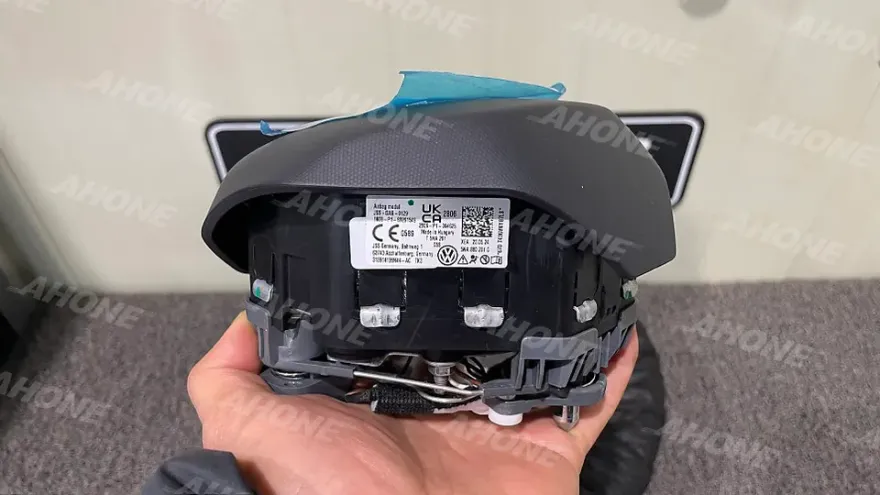
VW Golf Seat Ventilation & Heating upgrade: Approx. ₩300k-₩500k per seat. Enhances comfort in all seasons.
Upgrade Your Drive: Seat Ventilation & Heating for Your Volkswagen Golf
Experiencing uncomfortable temperatures in your car seats, whether it's the biting cold of winter or the sweltering heat of summer, can significantly detract from your driving pleasure. For Volkswagen Golf owners, a Seat Ventilation & Heating upgrade offers a compelling solution to enhance comfort year-round. This review delves into the specifics of retrofitting ventilated and heated seats, covering the installation process, potential costs, and the tangible benefits you can expect.
The Need for Seat Climate Control
The original Korean context highlights a common issue: freezing hands during winter drives, leading to the installation of a heated steering wheel. This same principle applies to seats. In cold weather, standard car seats can become uncomfortably frigid, making even short trips unpleasant. Conversely, during hot summer months, seats can absorb and retain heat, leading to discomfort and sweat. Adding ventilation and heating to your Golf's seats addresses both extremes. Ventilated seats circulate air, helping to dissipate heat and moisture, while heated seats provide comforting warmth. This dual functionality transforms your driving experience, increasing comfort and reducing fatigue, especially on longer journeys. The decision to upgrade often stems from a desire for a more premium and comfortable cabin environment, similar to what’s found in higher-end vehicles.
Seat Ventilation & Heating Installation Process and Costs
Retrofitting seat ventilation and heating systems into a Volkswagen Golf involves a detailed installation process. While the original Korean context focused on a heated steering wheel, the principles for seat upgrades are similar in complexity and require professional attention. The process typically involves:
- Disassembling the existing seat upholstery to access the seat base and backrest.
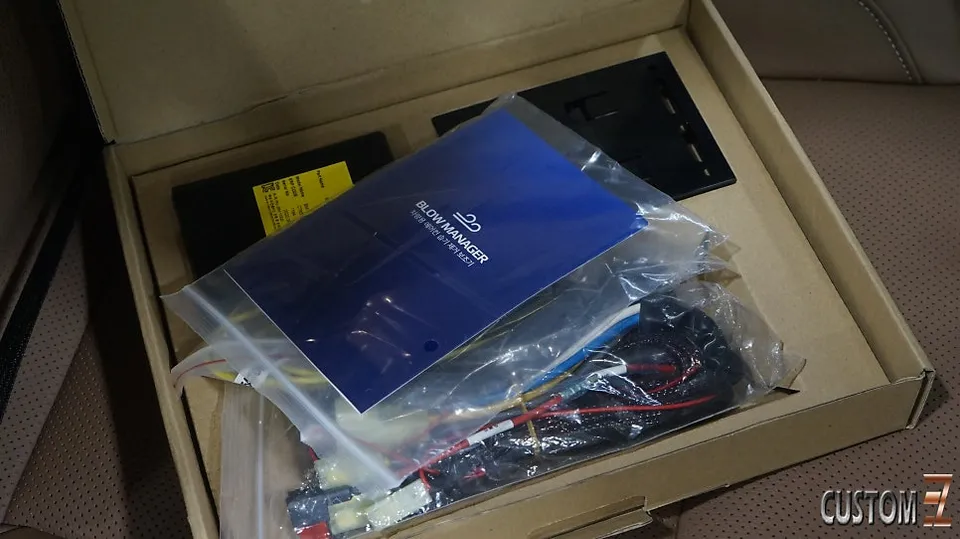
- Installing the ventilation fans and heating elements, ensuring they are securely positioned and evenly distributed for optimal performance.
- Wiring the system to the vehicle's electrical system, often integrating with existing climate controls or adding new switches. This requires careful connection to the fuse box for safety, avoiding direct wiring or exposed connections that could pose a fire risk.
- Reassembling the seat upholstery, ensuring a clean and factory-like finish.
- Testing the system to confirm both heating and ventilation functions operate correctly, often including coding to integrate new controls with the car's dashboard display.
The cost for such an upgrade in Korea typically ranges from ₩300,000 to ₩500,000 (approximately $225 - $375 USD, subject to exchange rates) per seat, depending on the specific components used, the complexity of the installation, and the chosen workshop. This price includes parts and labor. Durability is generally good, with systems designed to last for many years with proper use. Maintenance usually involves keeping the seat fabric clean and ensuring the ventilation grilles are free of debris.
Is a Seat Climate Upgrade Worth It for Your Golf?
Deciding whether to invest in Seat Ventilation & Heating for your Volkswagen Golf depends on your priorities and budget. If you frequently experience extreme temperatures in your car or desire a significant boost in driving comfort, the upgrade can be highly worthwhile. The before and after difference is substantial, transforming a standard seat into a climate-controlled comfort zone. For those who live in regions with harsh winters or hot summers, or who spend a considerable amount of time driving, the added comfort can justify the cost. While the initial investment is notable, the long-term benefits in terms of comfort and driving satisfaction are considerable. It’s important to choose a reputable installer who uses quality components to ensure safety and longevity.
Frequently Asked Questions
Q. How much does ventilated seat installation cost for a Volkswagen Golf?
In Korea, the Seat Ventilation & Heating upgrade for a Volkswagen Golf typically costs between ₩300,000 and ₩500,000 per seat. In the US, similar aftermarket installations can range from $300 to $800 per seat, depending on the system and installer.
Q. How long does seat ventilation installation take on a Volkswagen Golf?
The installation process for Seat Ventilation & Heating on a Volkswagen Golf usually takes several hours, often a full day, depending on the complexity. Proper maintenance involves keeping the seat upholstery clean and ensuring ventilation ports are unobstructed.
Q. Are aftermarket ventilated seats worth it for a Volkswagen Golf?
Aftermarket ventilated seats are worth it for Volkswagen Golf owners who prioritize year-round comfort, especially those frequently exposed to extreme heat or cold. The significant improvement in driving experience often justifies the investment.
Q. How are ventilated seats installed in a Volkswagen Golf?
Installation involves disassembling the seat upholstery, fitting ventilation fans and heating elements, carefully wiring the system to the car's power, and reassembling the seat. The process concludes with functional testing and system coding.
Q. What is the difference between OEM and aftermarket ventilated seats for a Volkswagen Golf?
OEM (Original Equipment Manufacturer) systems are integrated from the factory, offering seamless operation, while aftermarket kits are retrofitted, providing similar functionality at a potentially lower cost but requiring professional installation. For most owners seeking enhanced comfort, a reputable aftermarket Seat Ventilation & Heating system offers excellent value.
Q. What should I know before getting Seat Ventilation & Heating on a Volkswagen Golf? (common regrets and mistakes)
The most common regret is not opting for a professional installation, which can lead to electrical issues or poor performance. Always choose a reputable installer who uses quality components and adheres to safety standards.
OhCar Partner Shop