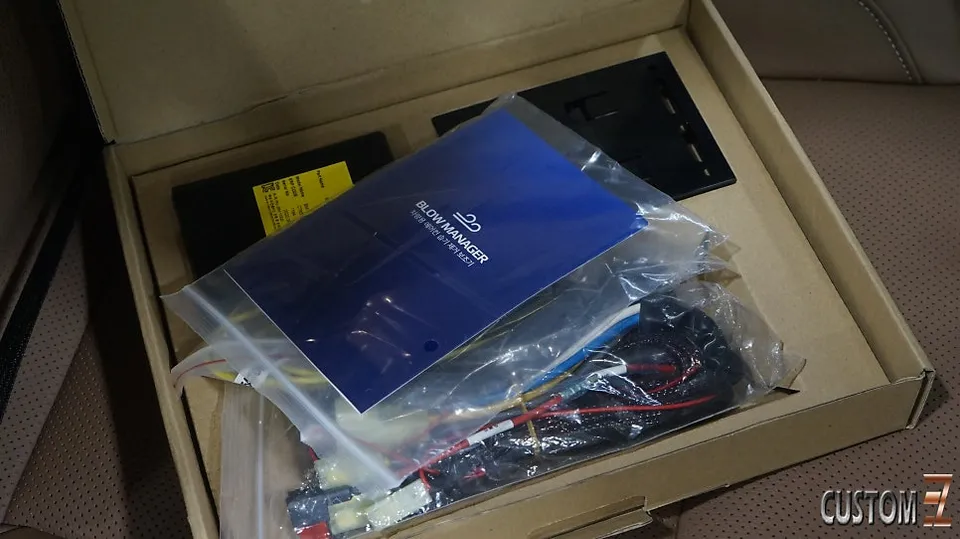
Volkswagen Passat Dash Cam Installation Review
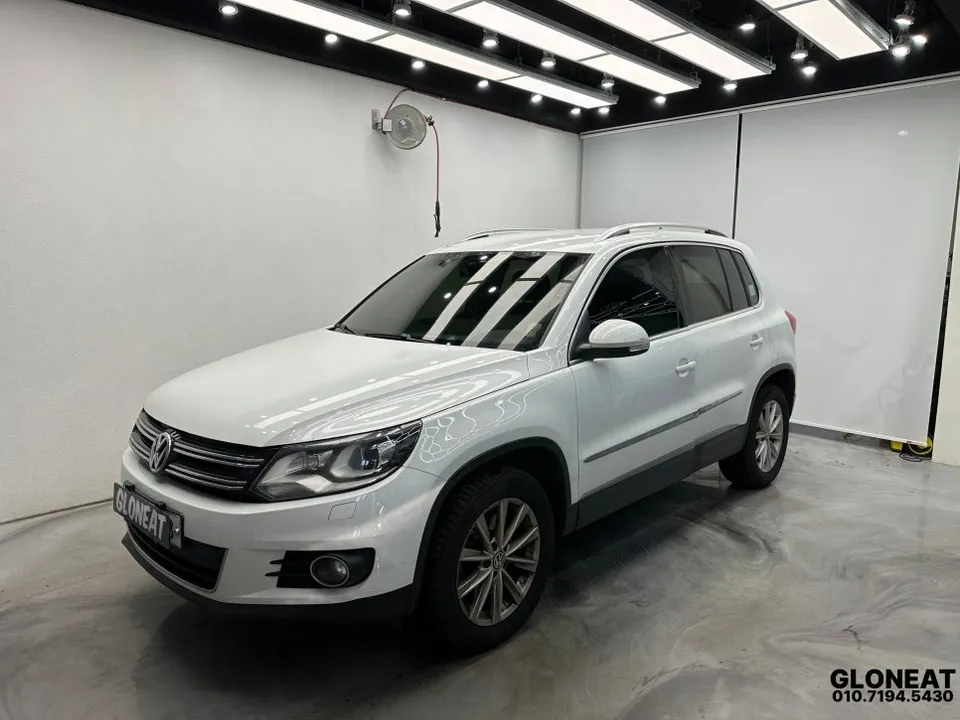
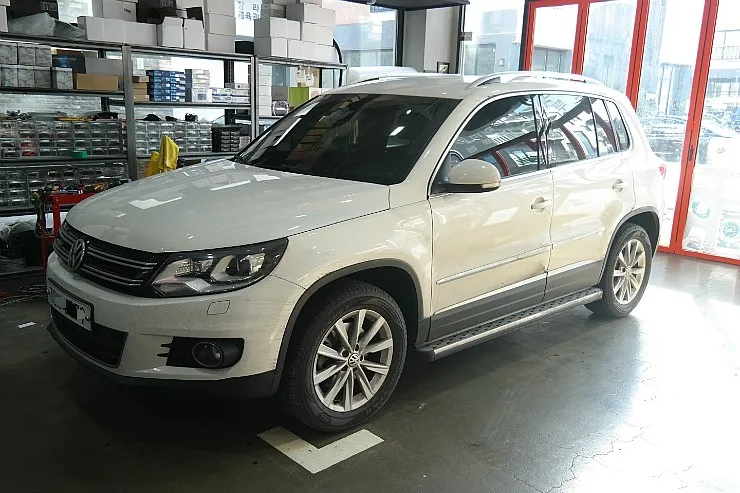
Before
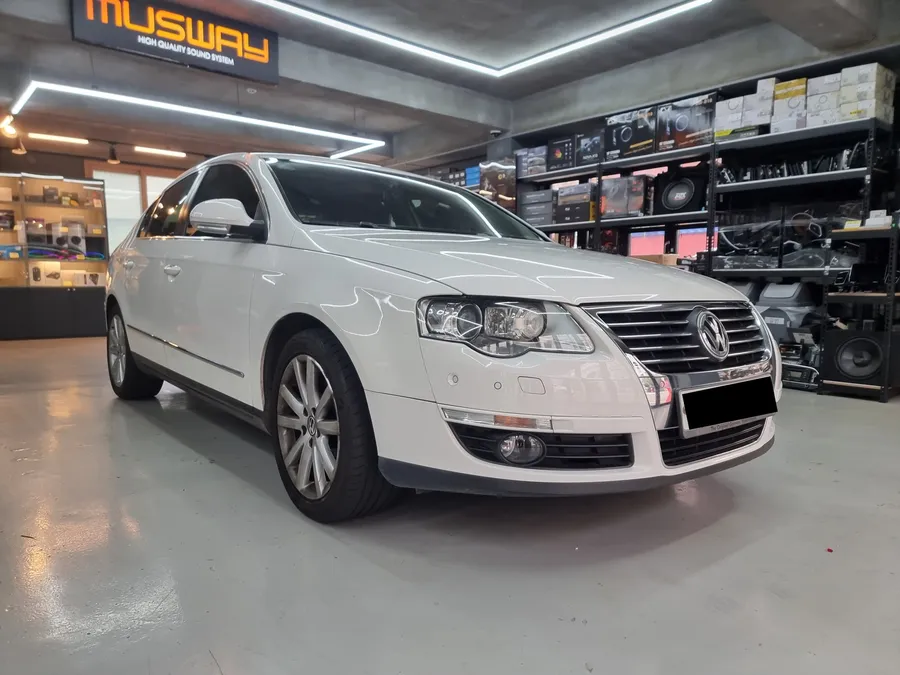
After
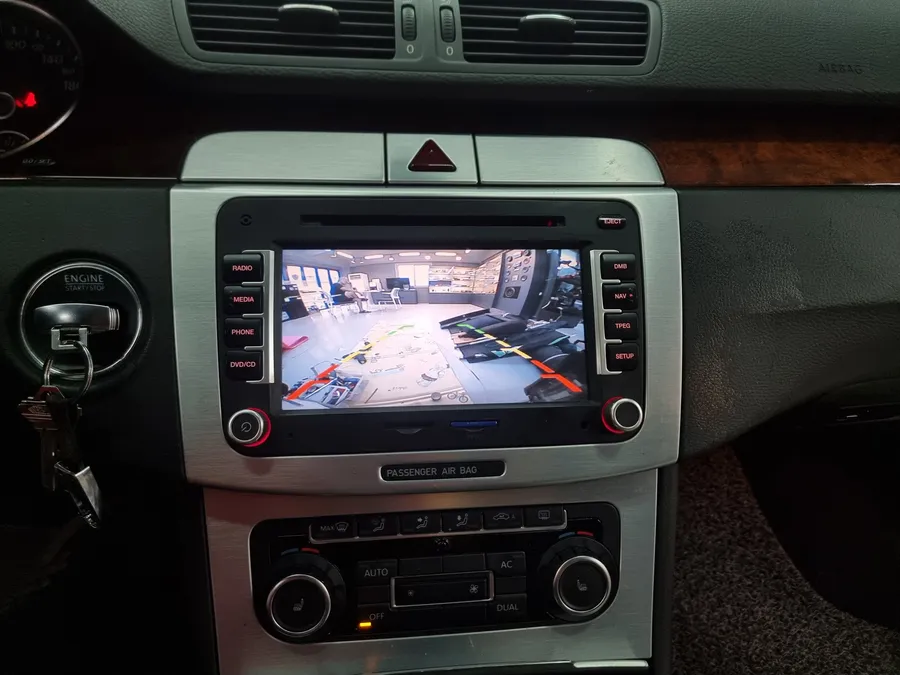
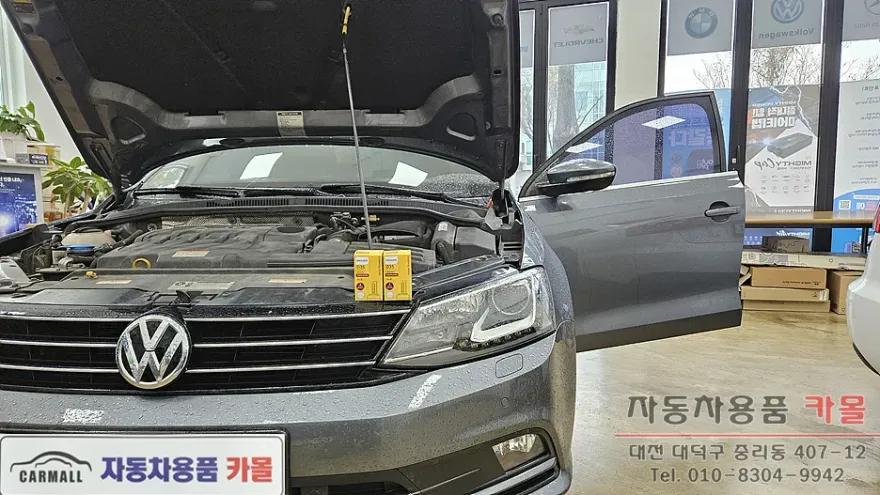
Process photos

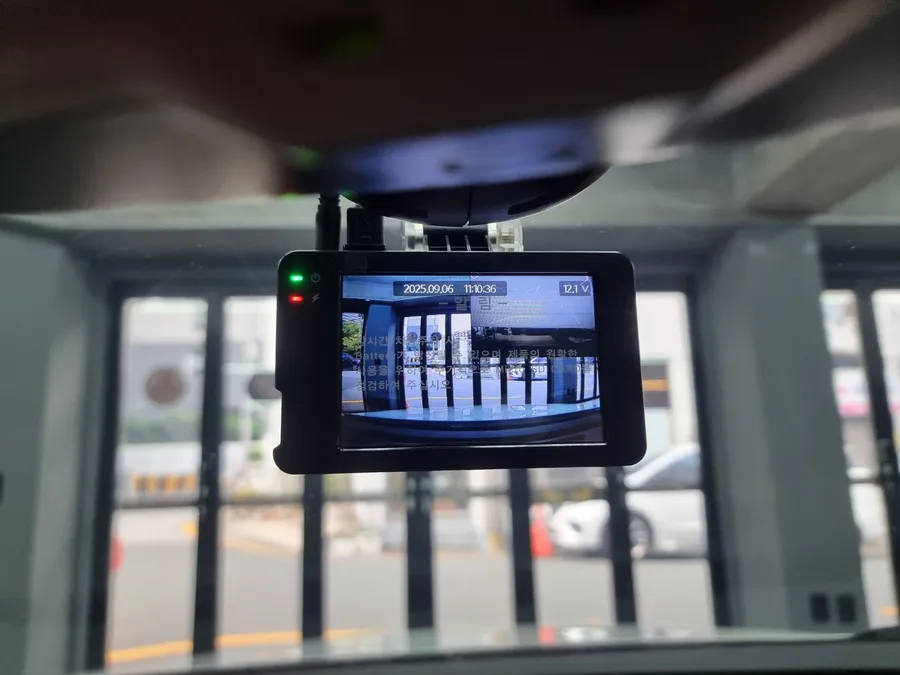
Dash cam installation on a 2010 Volkswagen Passat in Busan, South Korea, added front/rear cameras and Hi-Pass. Cost details not provided.
Upgrading a Classic: Dash Cam, Hi-Pass, and Rear Camera for a 2010 Volkswagen Passat
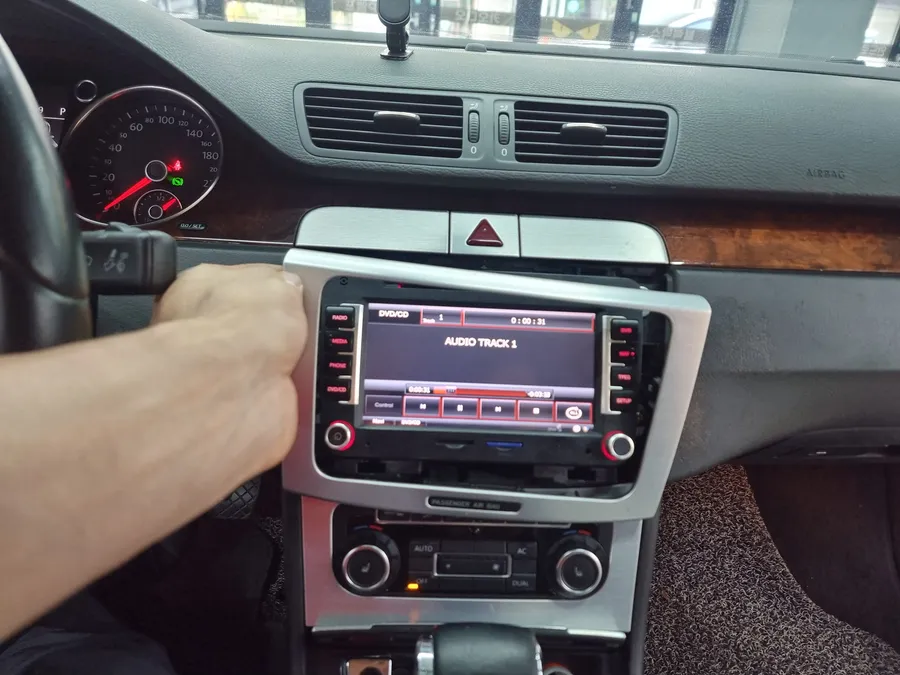
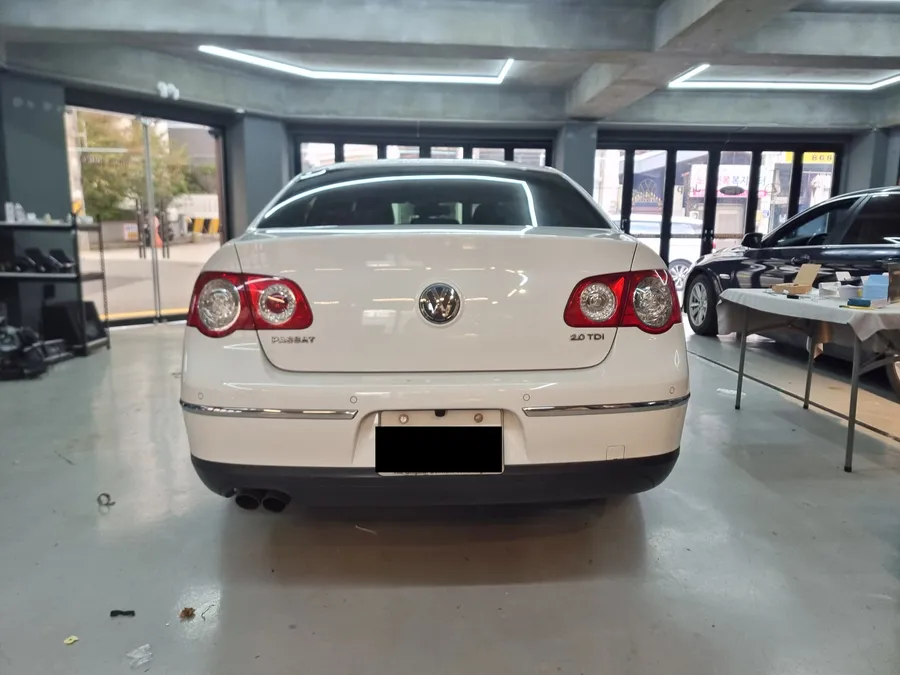
Many owners of older vehicles are discovering the benefits of modern upgrades, and the 2010 Volkswagen Passat is no exception. This particular Passat, a once-popular model, arrived at Good Sound Good Ssab in Busan, South Korea, still equipped with its original navigation system and notably lacking a rear camera. The owner sought to bring the car's technology up to date, akin to a new car package, by installing a dash cam, a Hi-Pass toll system, and a rear-view camera. This review details the process and outcomes of this comprehensive upgrade.
The Installation Process: Bringing an Older Car Up to Speed
The goal was to integrate essential modern features seamlessly into the 2010 Volkswagen Passat. The team at Good Sound focused on a clean and functional installation, ensuring each component served its purpose effectively. The process involved careful routing of wires and precise placement of cameras and the Hi-Pass unit.
Dash Cam Installation
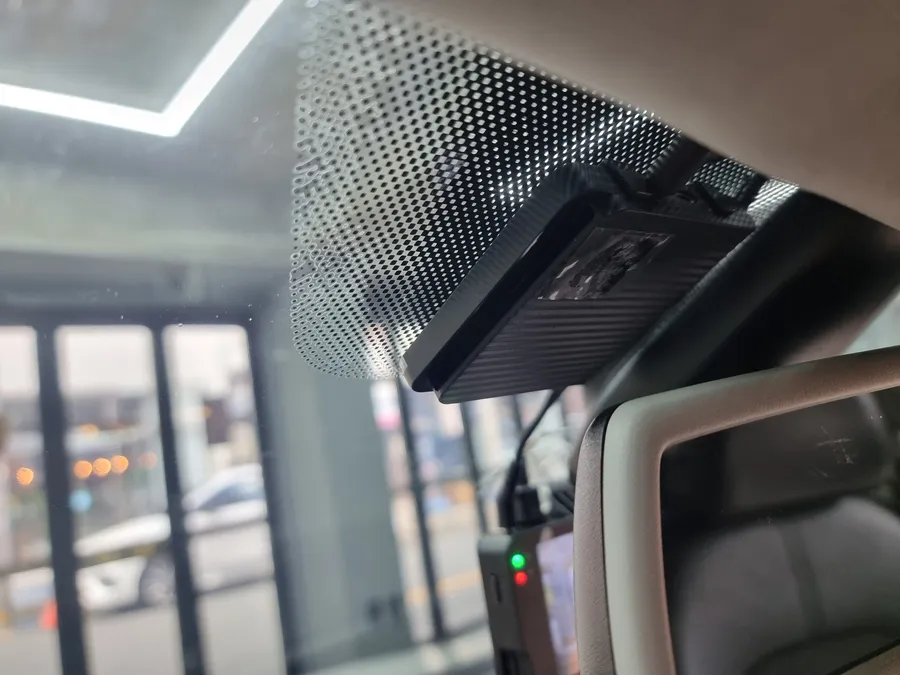
A front and rear dash cam system was installed. To optimize battery life and prevent drain, the dash cam was configured to record only while the vehicle is in operation. This ensures that the camera is actively capturing footage during drives without impacting the car's battery when parked.
Hi-Pass Toll System Integration
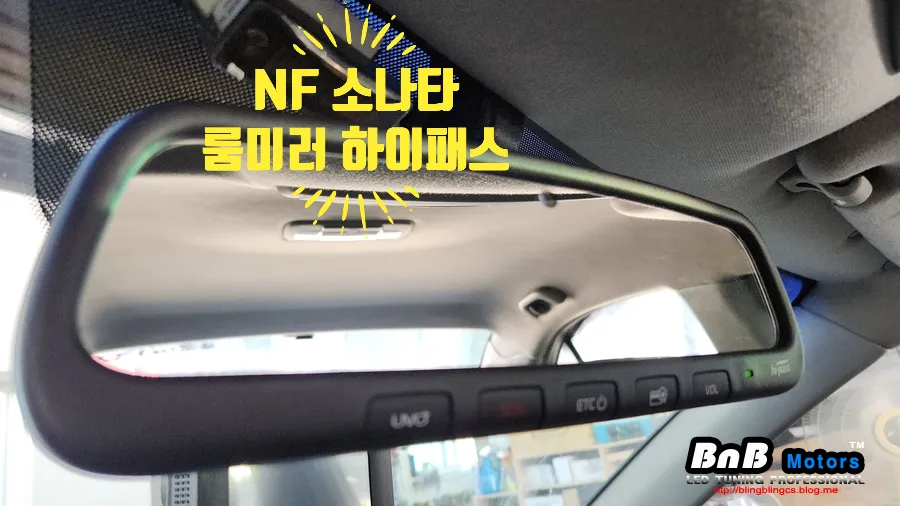
The Hi-Pass unit, crucial for convenient toll payments on South Korean highways, was discreetly installed behind the rearview mirror. This location provides easy access for card removal and ensures reliable communication with toll gates. Good Sound also handled the direct activation of the Hi-Pass system, offering a complete service from installation to activation, as they are an authorized Hi-Pass registration point.
Rear Camera Installation
The lack of a rear camera was a significant inconvenience for the owner. The installation required careful placement on the trunk lid, near the license plate. Despite the somewhat challenging location, the installation was completed with precision, prioritizing the driver's convenience and safety when reversing.
Before and After: Enhanced Safety and Convenience
The transformation of this 2010 Volkswagen Passat highlights the impact of modern automotive technology. The addition of a front and rear dash cam provides crucial recording capabilities for accident documentation and security. The integrated Hi-Pass system streamlines travel through toll plazas. Most importantly, the rear camera significantly enhances visibility and safety during reversing maneuvers, addressing a long-standing need for the owner. The overall result is a classic car that feels more equipped and secure for contemporary driving conditions.
Durability and Maintenance Considerations
Dash cams and rear cameras, when professionally installed, are designed for durability. The wiring is typically secured to prevent damage from vibrations and temperature fluctuations. For maintenance, periodic checks of the camera lens for dirt or obstruction are recommended. The Hi-Pass unit requires occasional battery replacement, depending on the model. The dash cam's recording settings, particularly the parking mode (if enabled), should be reviewed periodically to ensure optimal performance and battery management.
Is a Dash Cam Installation Worth It for Your Volkswagen Passat?
For owners of vehicles like the 2010 Volkswagen Passat, which may lack modern safety and convenience features, a dash cam installation is highly recommended. It offers peace of mind through incident recording and can be invaluable in insurance claims. The integration of a rear camera further boosts safety. While the initial cost is a factor, the long-term benefits in terms of safety, security, and potential cost savings in the event of an accident often outweigh the investment. The specific cost for this installation in Busan, South Korea, was not detailed in the original context but typically involves the cost of the hardware plus professional installation fees.
Installation process:
- Camera Placement: The front and rear cameras are mounted in optimal positions for clear views.
- Wiring Integration: All necessary cables are carefully routed through the vehicle's interior and exterior trim for a clean look and to prevent damage.
- Power Connection: The dash cam is hardwired to the vehicle's electrical system, often configured for operation only when the engine is running to conserve battery.
- System Testing: All components are tested to ensure proper recording, playback, and functionality of features like the rear camera view.
Frequently Asked Questions
Q. How much does dashcam installation cost for a Volkswagen Passat?
The specific cost for this installation in Busan, South Korea, was not detailed. Professional dash cam installation in the US typically ranges from $100 to $300, depending on the complexity and number of cameras.
Q. How long does dashcam installation take on a Volkswagen Passat?
Professional dash cam installation is generally quick, often completed within 1-3 hours. Regular maintenance involves checking camera lenses for clarity and ensuring the system is recording correctly.
Q. Is a hardwired dashcam worth it over a self-install for a Volkswagen Passat?
A hardwired dashcam is worth it for owners who want seamless integration and reliable parking mode functionality without draining the battery. Professional installation ensures a clean, safe setup that maximizes the value and longevity of the system.
Q. How is a dashcam professionally installed on a Volkswagen Passat?
Professional installation involves mounting the cameras, carefully routing wires through the car's trim for a clean finish, and hardwiring the unit to the vehicle's power source. The system is then tested to ensure all functions operate correctly.
Q. What is the difference between a 1-channel and 2-channel dashcam for a Volkswagen Passat?
A 1-channel dashcam records only the front view, while a 2-channel system includes both front and rear cameras. For comprehensive coverage and enhanced safety, a 2-channel (front and rear dash cam) system is highly recommended.
Q. What should I know before getting Dash Cam on a Volkswagen Passat? (common regrets and mistakes)
The most common regret is not opting for a rear camera, limiting overall coverage. To avoid this, consider a 2-channel system from the start for complete protection.
OhCar Partner Shop