Volkswagen Golf PPF Review: Carbon Fiber Look Upgrade
Service Price
$approx. $1,150–1,500
Estimated price · Actual price may vary by shop
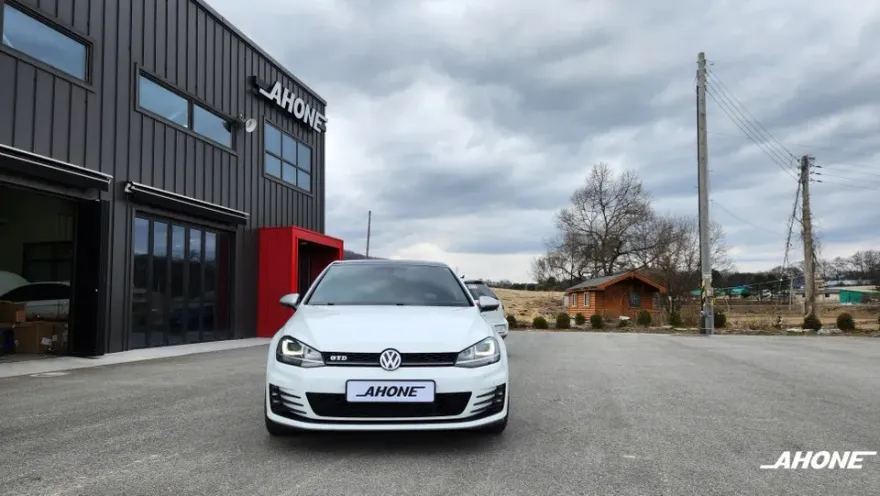
Before
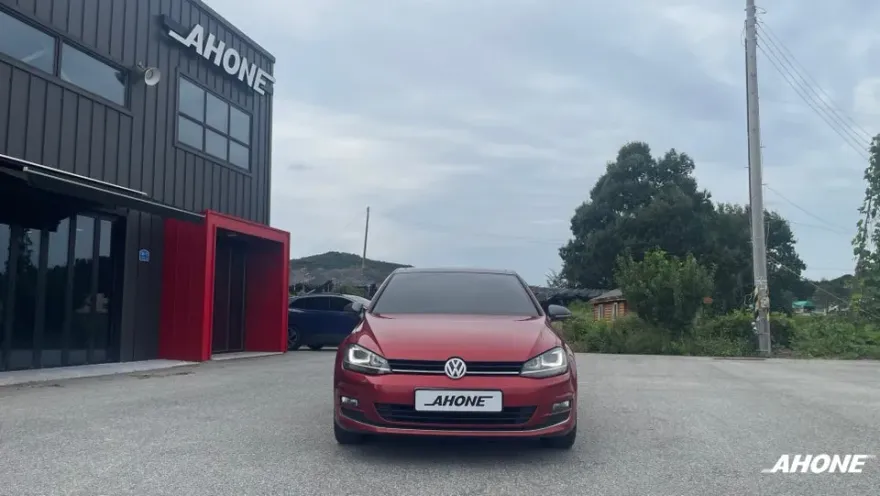
After
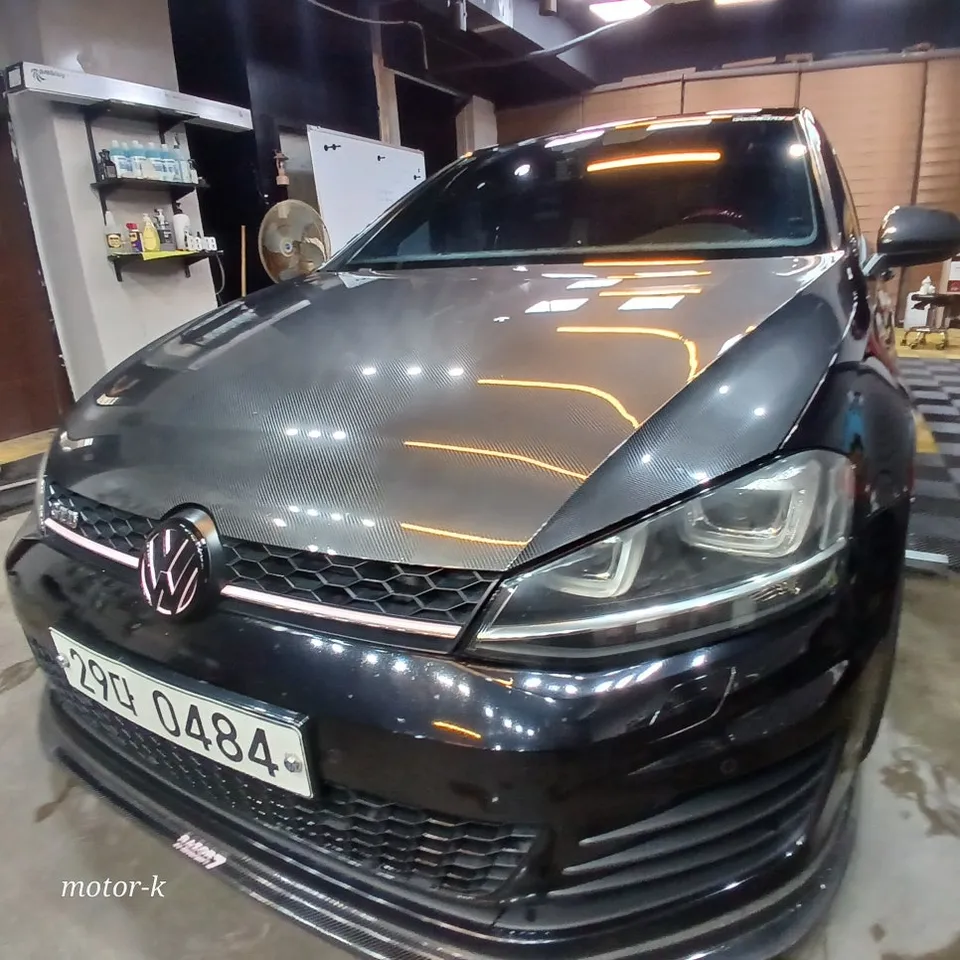
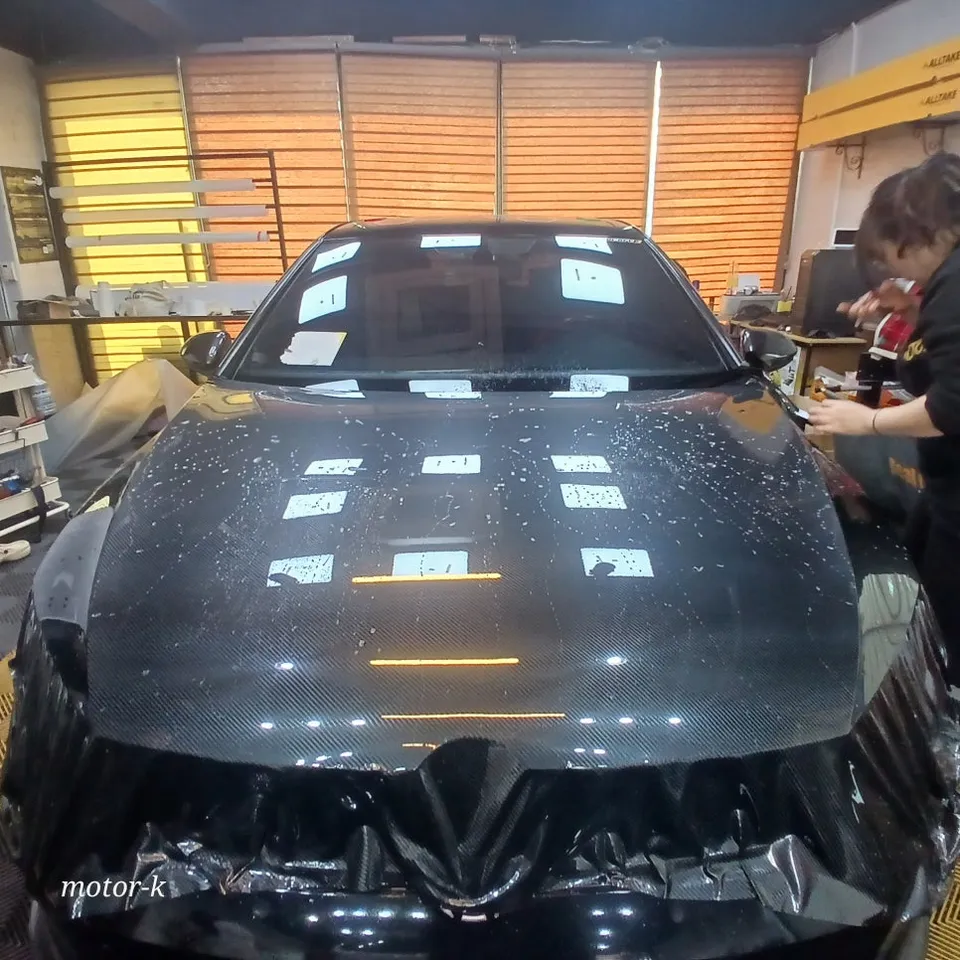
Process photos
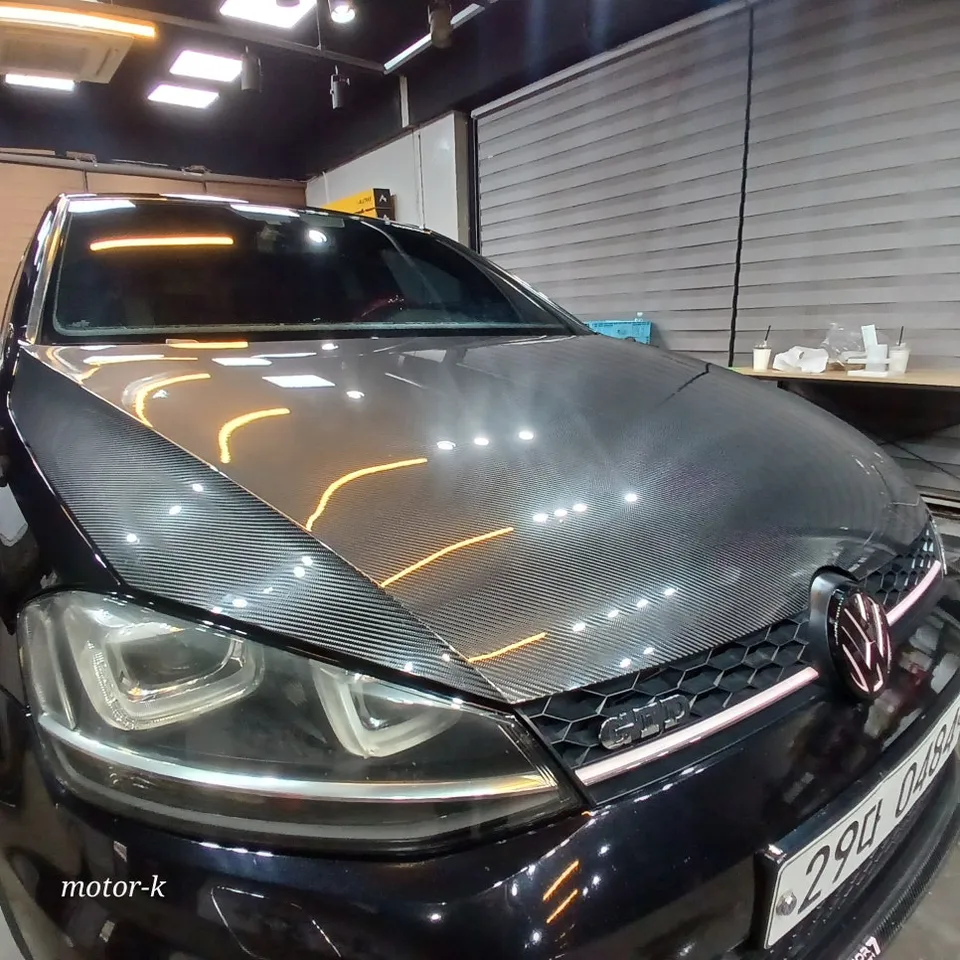
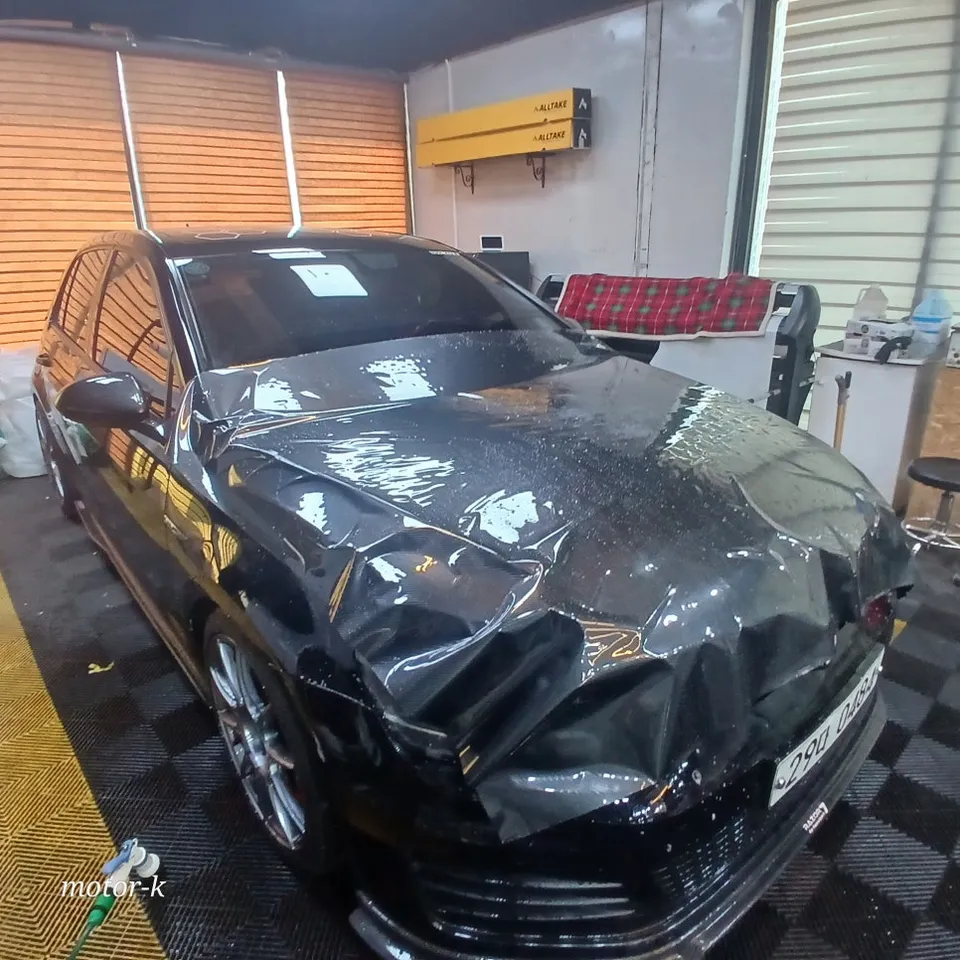
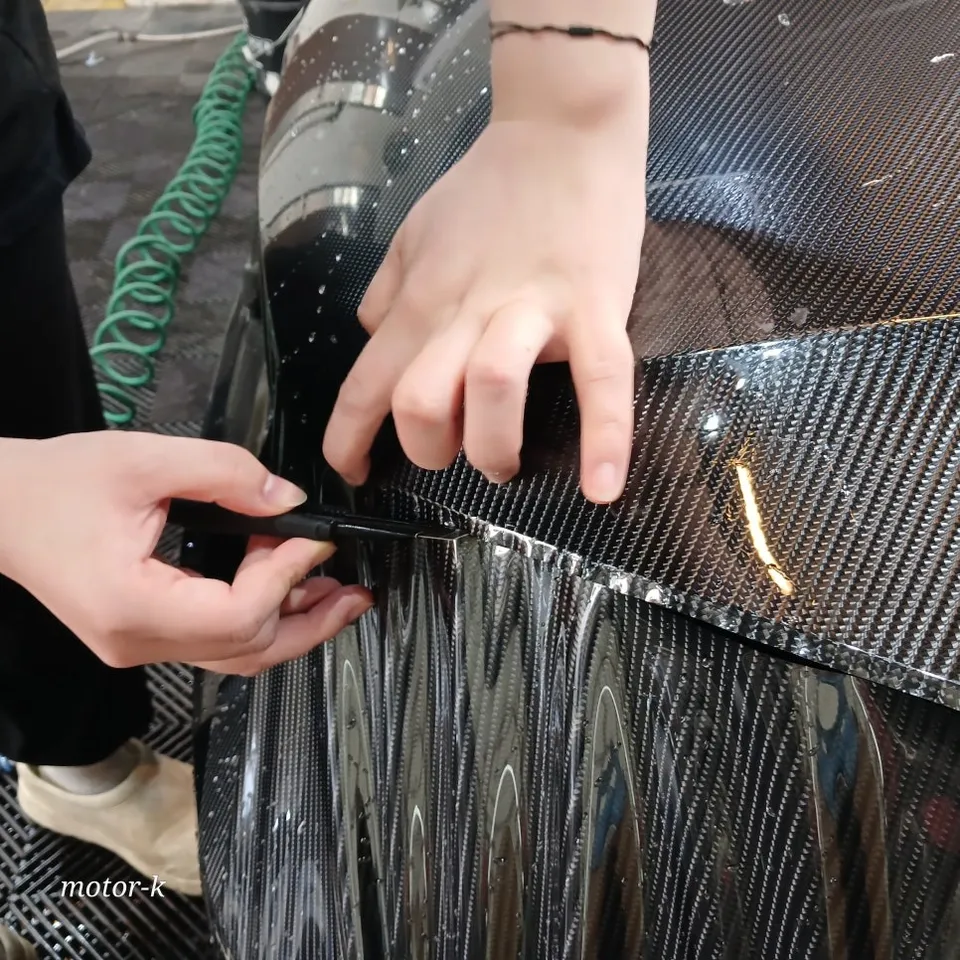
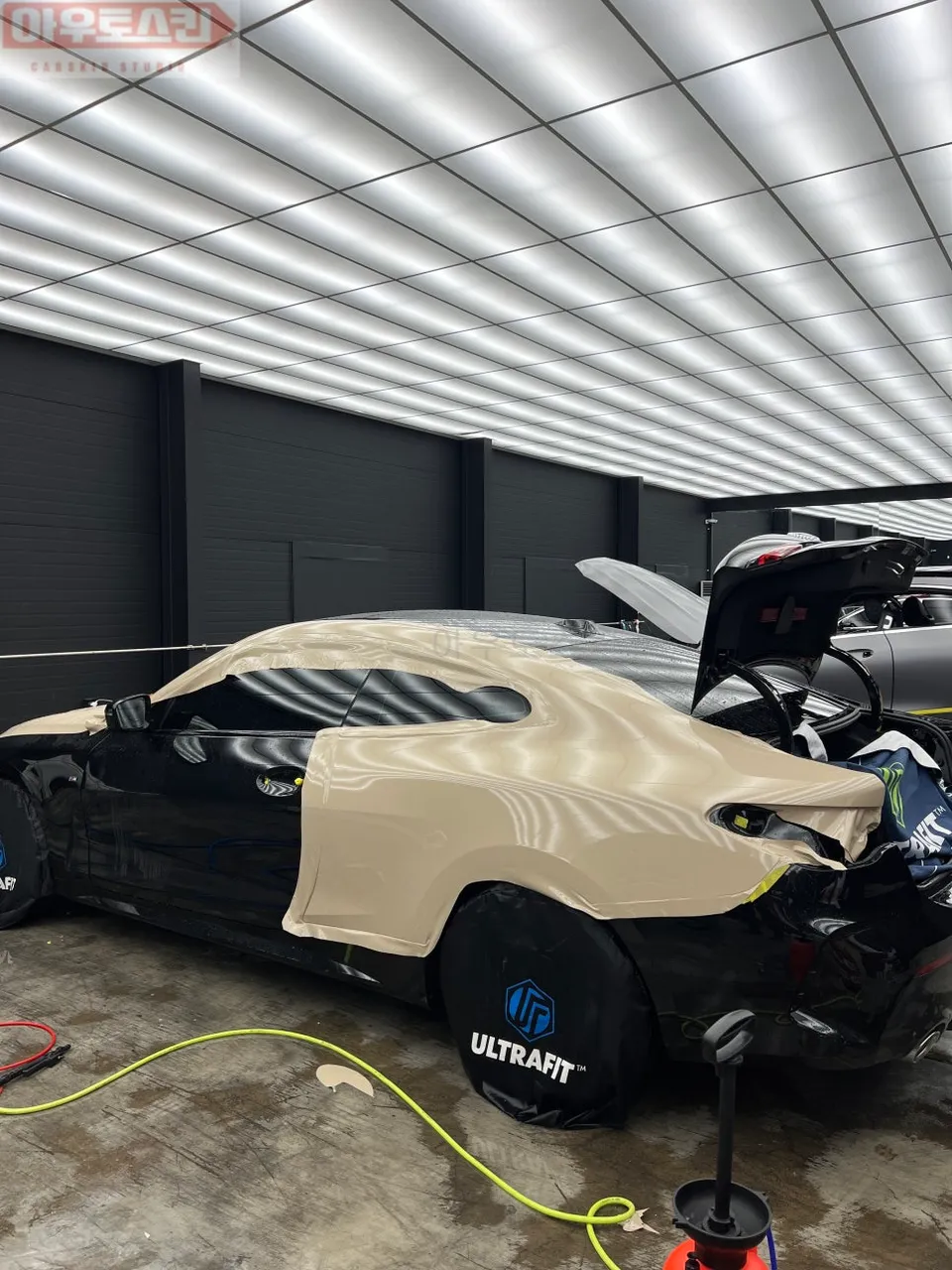
Carbon fiber PPF on Volkswagen Golf hood and roof. Enhances aesthetics and protects paint. Meticulous preparation and alignment ensure a flawless fini
Why Your Volkswagen Golf Needs Carbon PPF
The Volkswagen Golf's design, with its low front end and numerous curves, means its appearance is highly dependent on the quality of its paint protection film (PPF) application. For Golf owners, especially those with used vehicles, PPF offers not only essential paint preservation but also a significant aesthetic upgrade. Opting for a carbon fiber pattern PPF can dramatically enhance the car's presence. Unlike standard clear films, the carbon weave adds a distinct visual flair, making the Golf stand out.
This particular installation extended the carbon PPF beyond the hood to cover the entire roof, showcasing a comprehensive approach to protection and style. We'll walk through the detailed process of transforming this Volkswagen Golf.
The Crucial Preparation: Removing Old PPF and Surface Refinement
Upon arrival, the Golf's hood showed signs of aging PPF, with lifting and wrinkling. Simply applying new film over the old is not an option; a complete removal and meticulous surface preparation are necessary. Old PPF can leave behind adhesive residue, embedded contaminants, and micro-scratches that will be trapped under the new layer, compromising the final finish. The careful removal of the old film is paramount to avoid damaging the original paintwork, requiring precise control over tension and angle.
Following film removal, the paint surface undergoes a rigorous three-stage cleaning process. Even if it appears clean, intense lighting reveals hidden contaminants, including tar, iron particles, and fine scratches. This deep cleaning ensures that no imperfections are sealed beneath the new PPF, adhering to the principle that preparation accounts for over half the job's success.
Achieving Perfection: Carbon PPF Alignment and Edge Finishing
Applying carbon PPF requires special attention to pattern alignment, as the weave direction dictates the final look. The installer focused on three key alignment principles: maintaining a consistent carbon fiber direction across all panels, ensuring symmetry with the vehicle's centerline, and meticulously checking for balanced visual flow. On a car like the Golf, with its distinct front-end styling, even slight misalignments can create an awkward appearance, making precise application critical.
The edge finishing is where the long-term quality of PPF installation truly shines. Preventing edge lift, minimizing cut lines, and ensuring a seamless bond are vital for durability. Carbon PPF, due to its texture and thickness, can be prone to lifting at the edges if not applied correctly. This installation prioritized a natural film set without excessive tension, promoting long-term adhesion and preventing the need for premature reapplication.
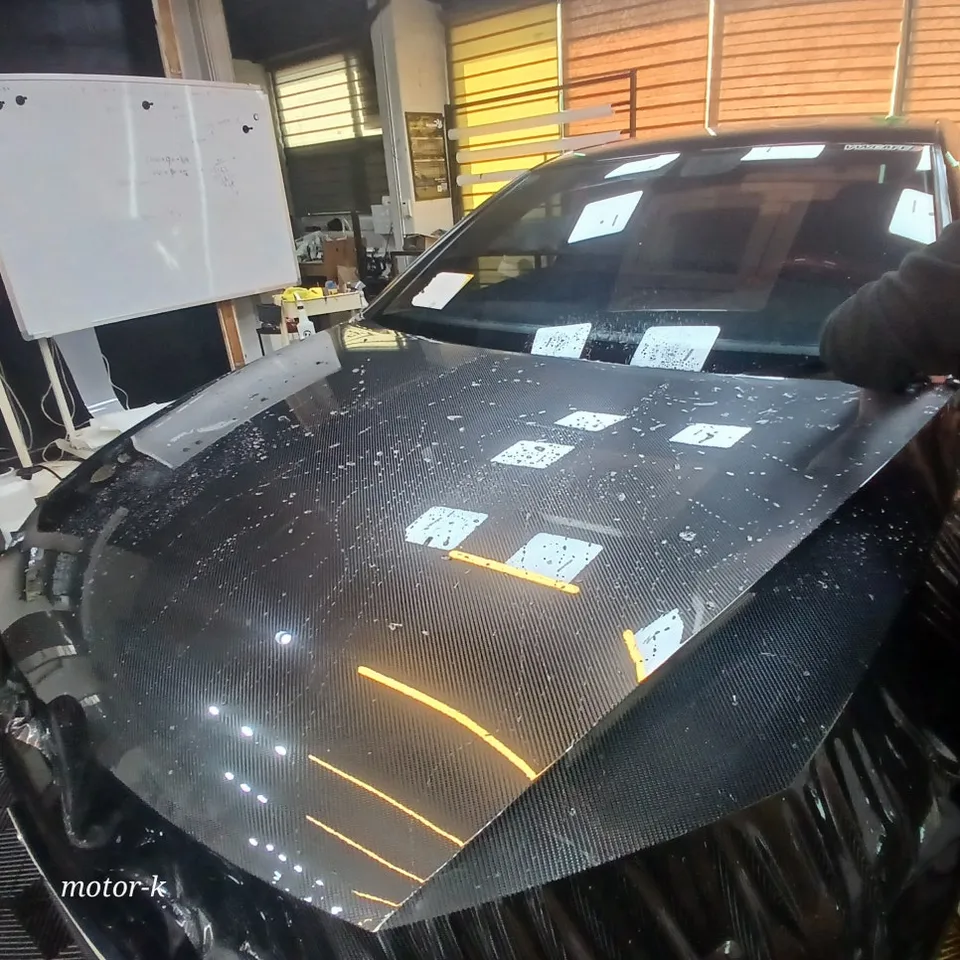
Roof Application: Mastering the Flat Surface
With the hood complete, the carbon PPF application was extended to the roof. While seemingly a flat surface, the roof presents its own challenges in achieving a flawless finish, especially when integrating with other panels.
Installation Process:
- Old Film Removal: Carefully peel away existing PPF, managing tension to prevent paint damage and removing all adhesive residue.
- Deep Cleaning: Perform a multi-stage wash to eliminate contaminants, tar, iron particles, and micro-scratches from the paint surface.
- Pattern Alignment: Precisely position the carbon PPF, ensuring consistent weave direction and symmetry with the vehicle's lines.
- Edge Sealing: Meticulously tuck and seal the film edges to prevent lifting and ensure a smooth, integrated finish.
- Final Inspection: Thoroughly check for any imperfections, ensuring a flawless, high-gloss appearance.
Frequently Asked Questions
Q. How much does PPF cost for a Volkswagen Golf?
This carbon fiber PPF installation for the Volkswagen Golf's hood and roof was performed in South Korea. In the US, a full front-end PPF application typically ranges from $1,500 to $2,500, with full car coverage costing $5,000 to $8,000.
Q. How long does PPF last on a Volkswagen Golf?
High-quality PPF typically lasts 5-10 years when properly maintained. To maximize its lifespan, regularly wash your Golf and avoid harsh chemical cleaners directly on the film.
Q. Is PPF worth it for a Volkswagen Golf?
PPF is highly recommended for Volkswagen Golf owners seeking to preserve their vehicle's paint condition and enhance its appearance, especially for models with low-profile front ends prone to damage. It offers superior protection against chips, scratches, and environmental contaminants, maintaining resale value.
Q. How is PPF installed on a Volkswagen Golf?
PPF installation involves meticulous surface preparation, including removing old film and deep cleaning the paint. The film is then carefully cut and applied, paying close attention to pattern alignment for carbon PPF, and edges are sealed for a durable finish.
Q. What is the difference between PPF and ceramic coating for a Volkswagen Golf?
PPF provides a physical barrier against physical damage like chips and scratches, while ceramic coating offers a hard, hydrophobic layer that protects against chemical etching and makes cleaning easier. For comprehensive protection, PPF is applied first, often followed by a ceramic coating.
OhCar Partner Shop
More ppf Reviews
See all →
More Volkswagen Reviews
Pair with Another Service
Add hydrophobic protection on top of PPF
Complete your new car protection package