Volkswagen Jetta Seat Climate Upgrade Review
Service Price
$40–80
Estimated price · Actual price may vary by shop
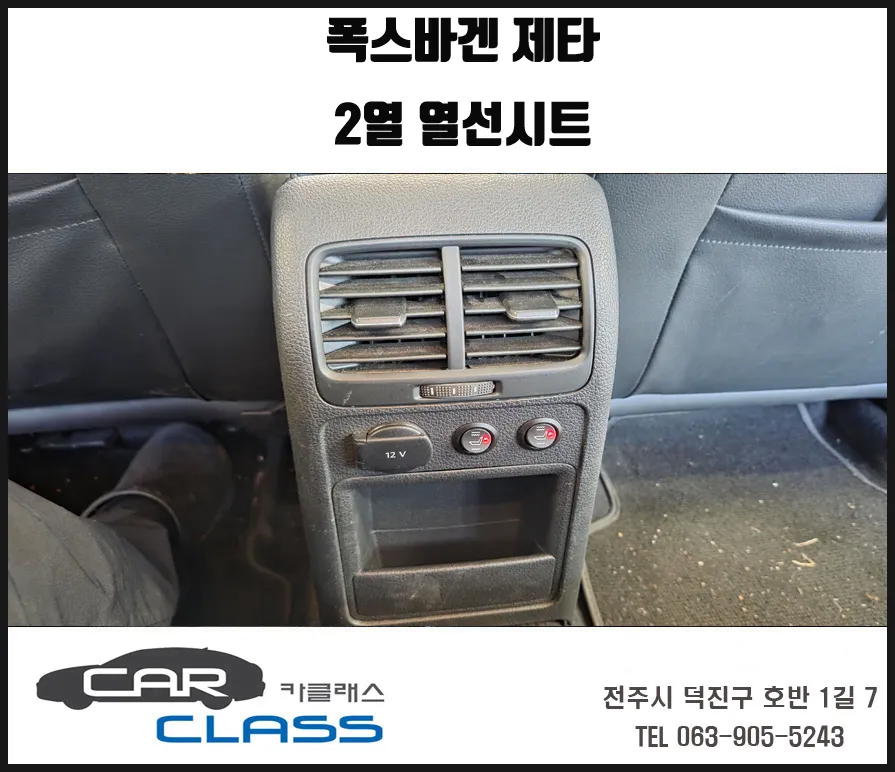
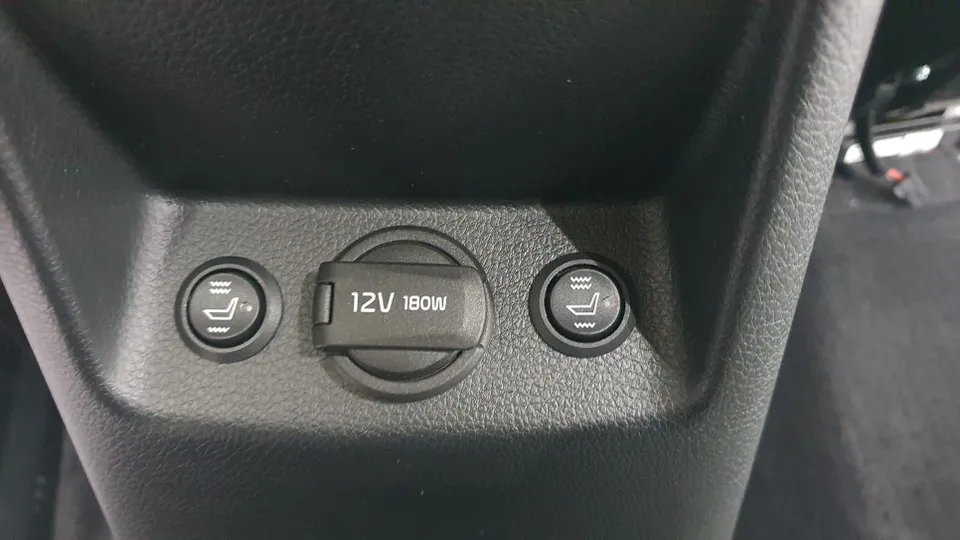
Volkswagen Jetta seat climate upgrade: Approx. $225-$450 for heated seats. Improves rear passenger comfort.
Enhance Your Volkswagen Jetta's Comfort with Seat Climate Control
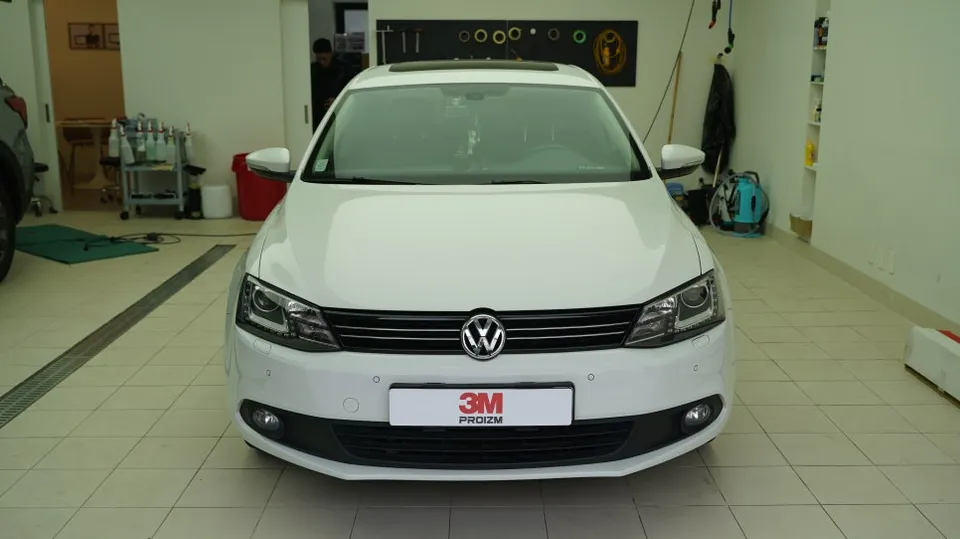
As the seasons change, maintaining a comfortable cabin temperature in your Volkswagen Jetta becomes a priority. While many modern vehicles offer integrated seat heating and ventilation, older models or specific trims might lack these features. This is particularly true for rear-seat passengers, who often experience less effective climate control. Retrofitting ventilated and heated seats can significantly improve passenger comfort, especially on long drives, and is a viable option for many car owners. This review delves into the process, benefits, and considerations of adding a seat climate upgrade to your Jetta, drawing from a recent installation on a Volkswagen Jetta in South Korea.
Why Consider a Seat Climate Upgrade?
The effectiveness of your car's heating and cooling system directly impacts driver and passenger well-being. In colder months, rear seats can take longer to warm up, leaving occupants feeling chilly. This can detract from the overall driving experience and increase fatigue during extended journeys. For a vehicle like the Volkswagen Jetta, which may not come standard with rear seat heating, a retrofit offers a practical solution to ensure warmth and comfort for all passengers. The installation detailed here featured a 2-stage heating system with adjustable intensity, allowing users to customize their preferred level of warmth. Safety is paramount, and the system was installed using a dedicated fuse to prevent overloading the vehicle's electrical system, minimizing risks of malfunction or fire.
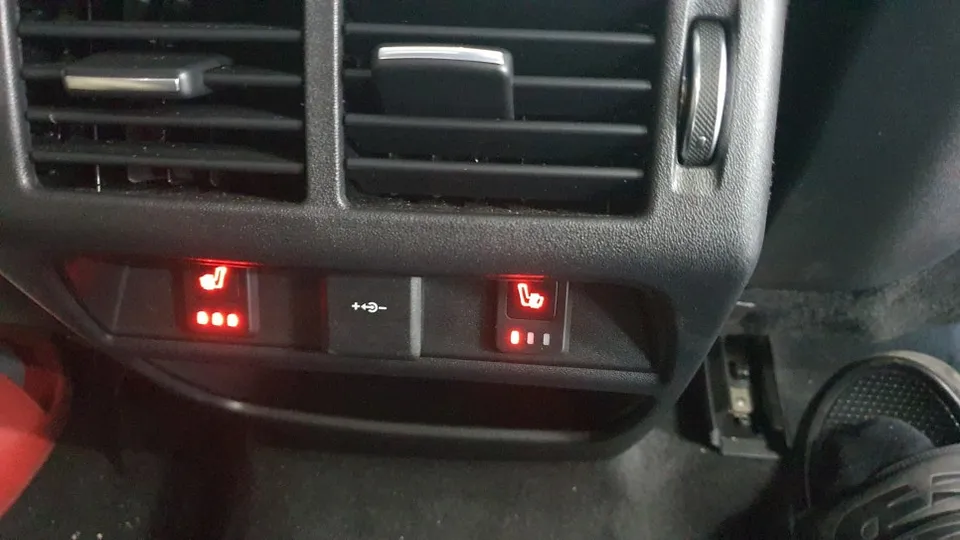
Types of Seat Heating Systems and Installation Process
When opting for a seat heating or ventilation retrofit, there are typically two main types of systems available. The first is a 2-stage switch system, offering simple, intuitive control over heat intensity. The second is a digital 3-stage switch system, which provides more precise temperature regulation, akin to factory-installed options. The choice between these often depends on user preference and budget, with the 2-stage system generally being more budget-friendly. The installation process requires professional expertise to ensure safety and optimal performance.
Installation Process:
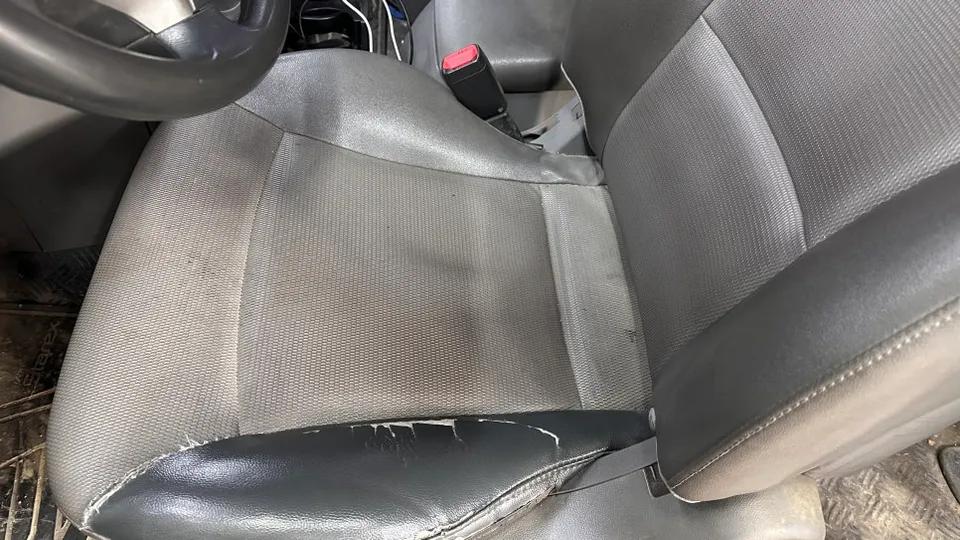
- Seat Removal: The rear seats are carefully removed from the Volkswagen Jetta to allow access to the seat components without damaging the vehicle's interior.
- Seat Cover Disassembly: The fabric or leather seat covers are meticulously taken apart. This step demands precision to avoid tearing or damaging the upholstery.
- Heating Pad Installation: The heating elements (pads) are precisely positioned and adhered to the seat base and backrest. Ensuring even heat distribution is key.
- Reassembly: Using specialized tools like a hog ring gun, the seat covers are reattached securely, restoring the seat's original appearance.
- Testing: Finally, the system is tested to confirm the heating elements function correctly across all settings and that the wiring is safely integrated into the vehicle's electrical system.
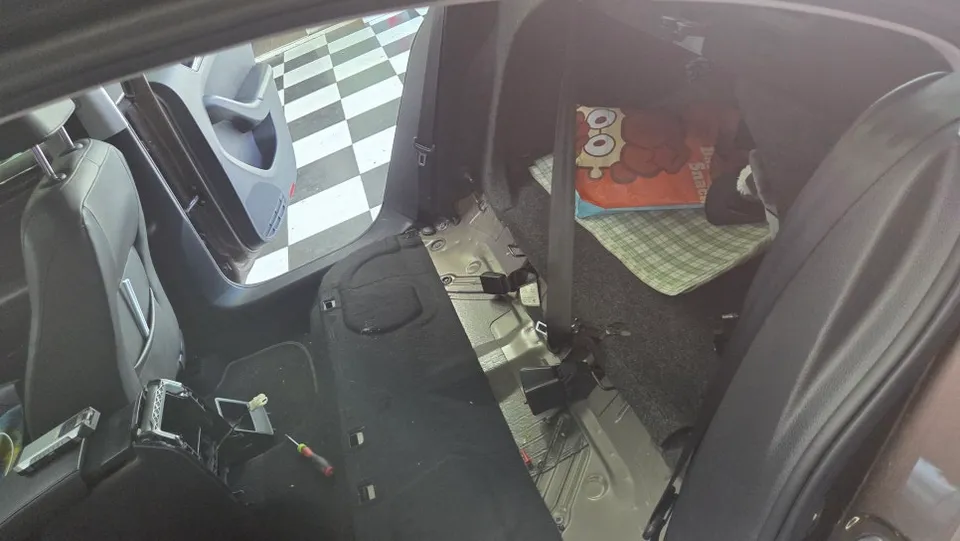
Cost, Durability, and Is It Worth It?
The cost of installing heated seats can vary based on the type of switch system chosen (2-stage vs. 3-stage), the extent of the installation (front seats only, rear seats only, or both), and whether it's for a domestic or imported vehicle. For a Volkswagen Jetta rear seat heating installation, the cost in South Korea was approximately 300,000 to 600,000 KRW (roughly $225-$450 USD, depending on exchange rates). While the specific price for ventilated seats wasn't detailed in the source, seat cooling retrofits can range from $400-$800 USD or more in the US, depending on the complexity and features. Durability is generally good, with professionally installed systems lasting many years with proper care. Maintenance typically involves ensuring the heating elements are not punctured or damaged by sharp objects. For Jetta owners seeking to enhance rear-seat comfort, especially in colder climates, a heated seat retrofit is often considered a worthwhile investment, significantly improving passenger satisfaction and cabin ambiance.
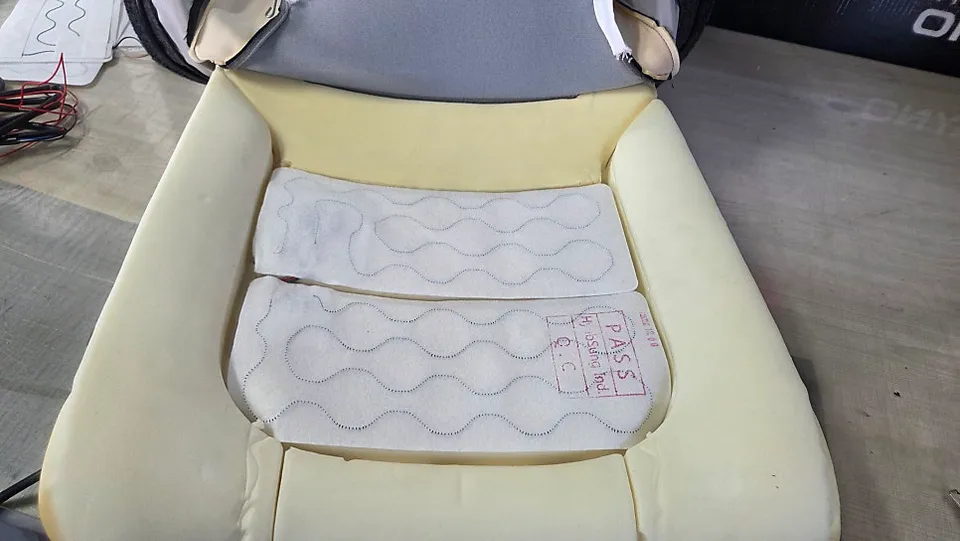
Frequently Asked Questions
Q. How much does heated seat installation cost for a Volkswagen Jetta?
In South Korea, a rear seat heating installation for a Volkswagen Jetta typically costs between 300,000-600,000 KRW (approx. $225-$450 USD). US prices for aftermarket heated or ventilated seat kits can range from $400 to over $800, depending on the system.
Q. How long does seat heating installation take on a Volkswagen Jetta?
The installation process for heated seats on a Volkswagen Jetta usually takes about 3 to 4 hours. With proper care, professionally installed heating elements can last for many years, often exceeding the lifespan of the vehicle's original upholstery.
Q. Are aftermarket heated seats worth it for a Volkswagen Jetta?
Yes, aftermarket heated seats are often worth it for Volkswagen Jetta owners who frequently carry rear passengers or live in colder climates. They significantly enhance comfort and can be a cost-effective alternative to purchasing a higher trim level vehicle.
Q. How are heated seats installed in a Volkswagen Jetta?
Installation involves carefully removing the rear seats, disassembling the seat covers, precisely attaching heating pads to the seat base and backrest, and then securely reassembling the covers using specialized tools. Finally, the system is tested for proper function.
Q. What is the difference between OEM and aftermarket heated seats for a Volkswagen Jetta?
OEM (Original Equipment Manufacturer) heated seats are integrated from the factory with specific vehicle controls, while aftermarket systems are retrofitted and may use simpler switch controls. Aftermarket options offer a way to add this feature to Jettas that didn't originally come equipped.
OhCar Partner Shop