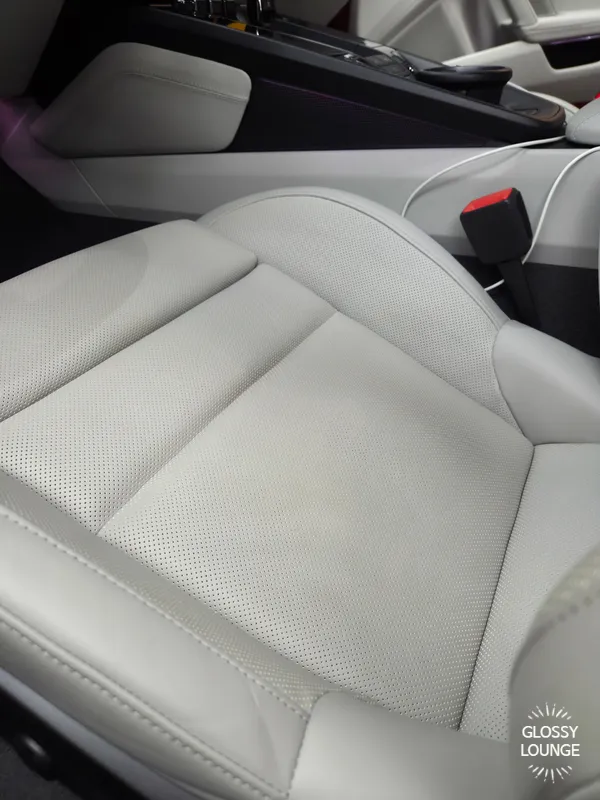
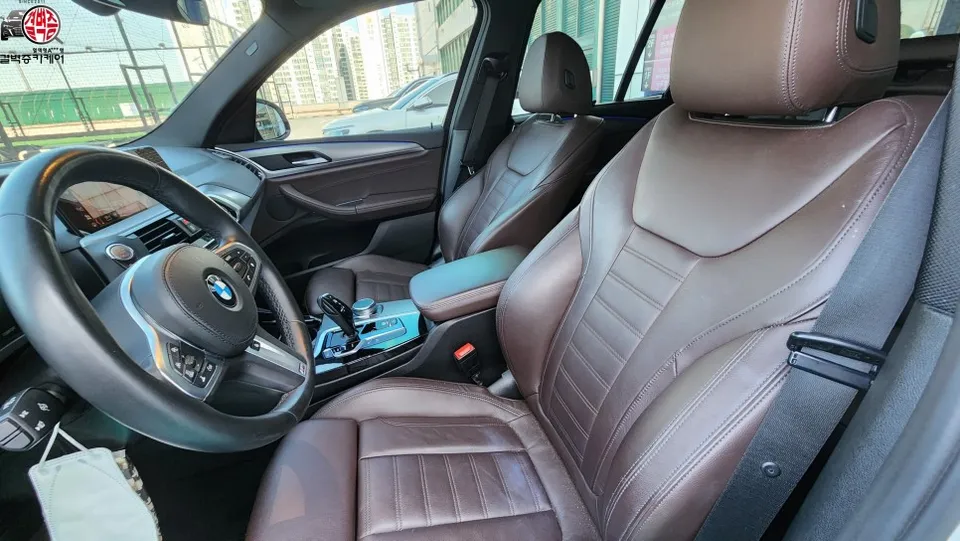
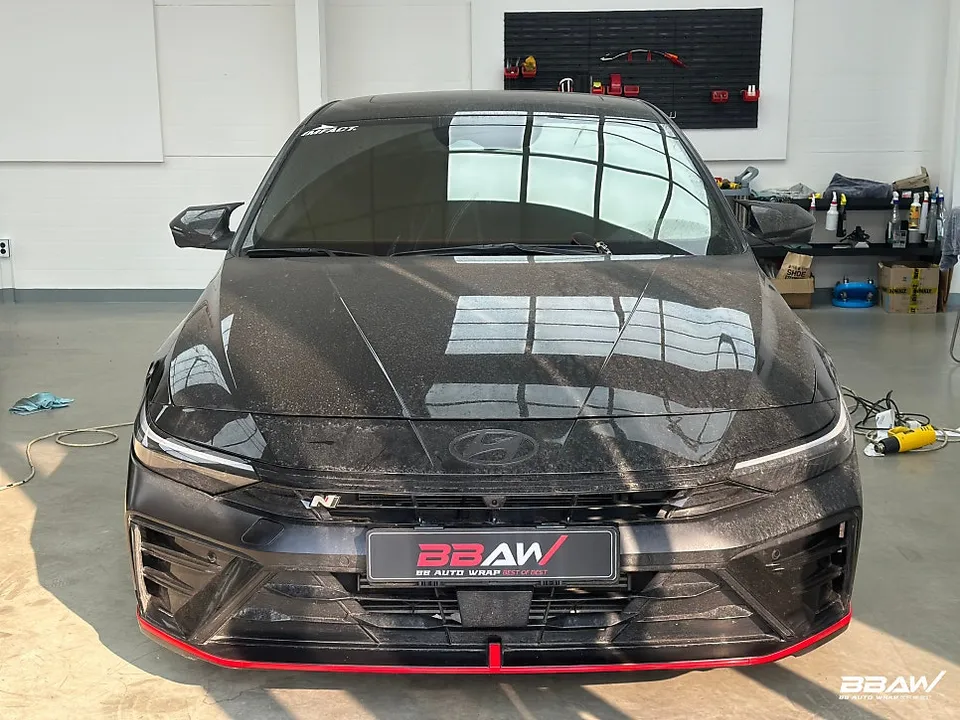
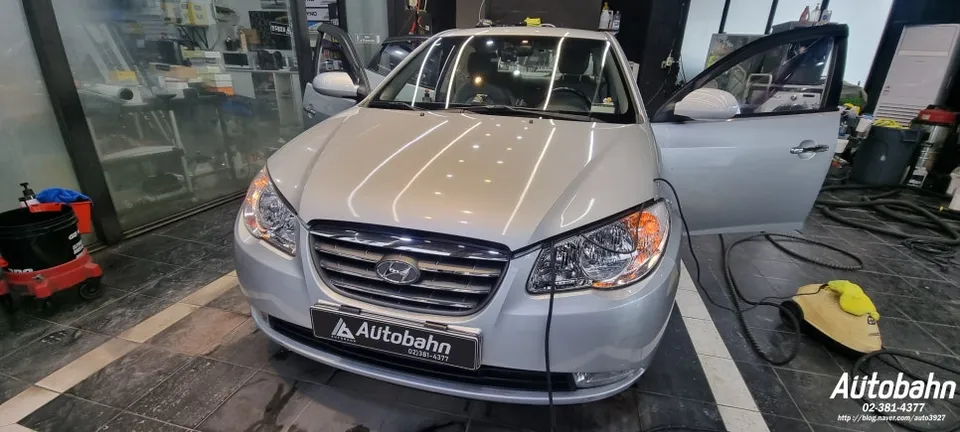
Hyundai Elantra AD Seat Climate Upgrade Review
Service Price
$40–80
Estimated price · Actual price may vary by shop
Before
After
Seat climate upgrade for Hyundai Elantra AD: $40–80. Adds cooling and heating for year-round comfort.
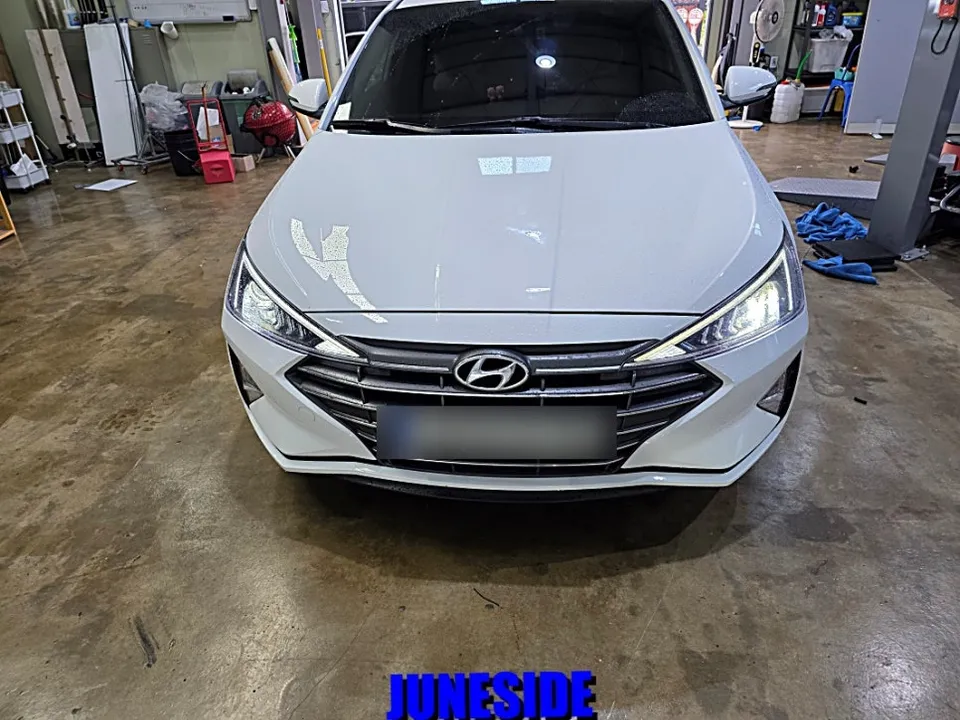
Upgrade Your Hyundai Elantra AD with Seat Climate Control
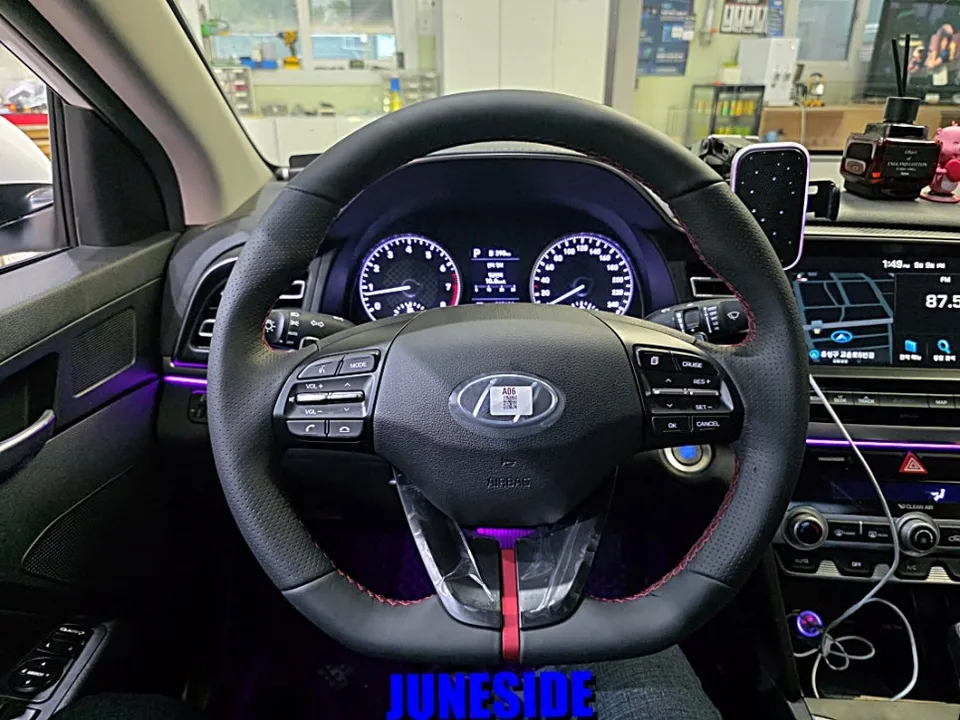
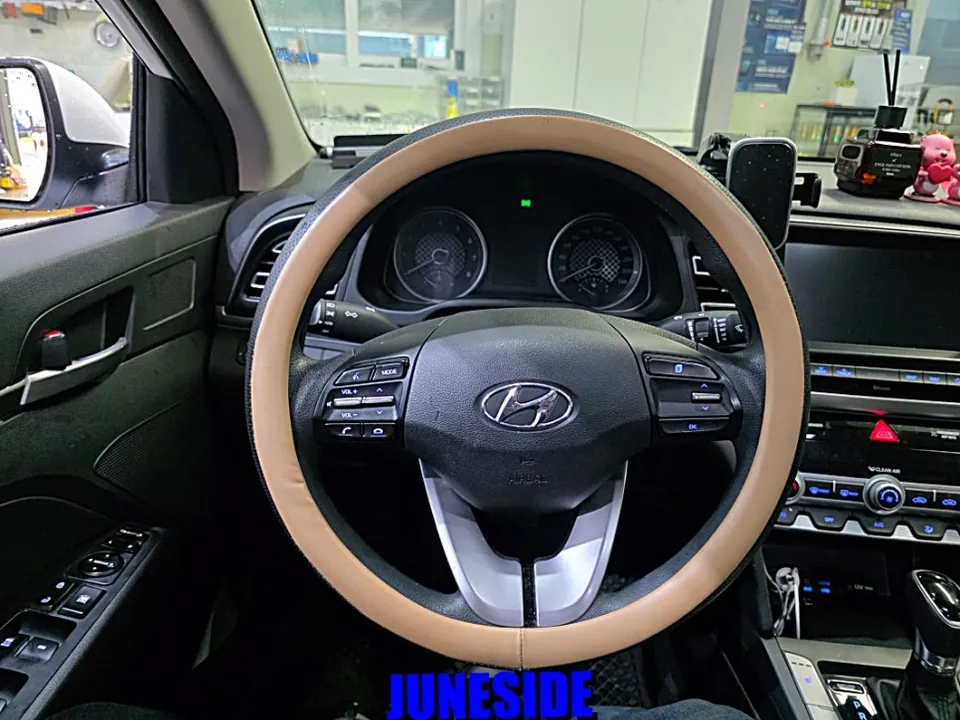
Is your Hyundai Elantra AD lacking the comfort of ventilated and heated seats? Many drivers find that factory options are limited, especially in models like the Elantra AD. This review explores the benefits, installation, and overall value of retrofitting seat climate control, including both cooling and heating functions, to enhance your driving experience. While the original context for this upgrade was for a heated steering wheel in Korea, the principles of retrofitting climate control for seats are similar and highly sought after by US and UK drivers seeking enhanced comfort.
The Value of Ventilated and Heated Seats
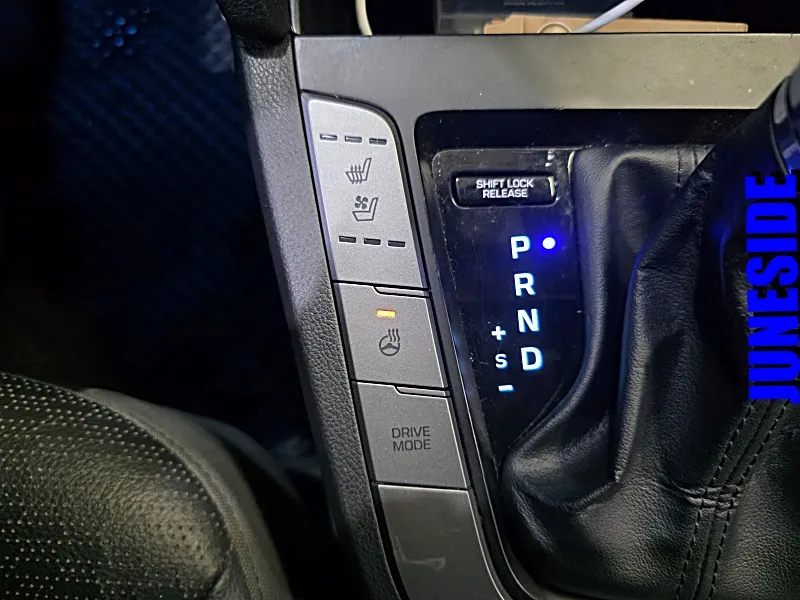
In the US and UK, drivers increasingly seek ways to personalize their vehicles for maximum comfort. Ventilated seats offer a welcome respite during hot summer months, circulating air to keep you cool and dry. Conversely, heated seats provide essential warmth during cold winters, making chilly commutes more bearable. The ability to control seat temperature independently of the main cabin climate system offers a personalized comfort zone. For the Hyundai Elantra AD, adding these features can significantly elevate the perceived value and enjoyment of the vehicle, turning a standard commute into a more luxurious experience. The estimated cost for a basic seat climate upgrade can range from $40–80 in the US, making it a surprisingly accessible modification.
Seat Climate Upgrade Installation Process
Installing ventilated and heated seats typically involves several key steps performed by a professional. While the original Korean context focused on steering wheel heating, the general process for seat climate control follows a similar professional installation path:
- Component Integration: Specialized heating elements and/or ventilation fans are carefully integrated into the seat upholstery. This often requires removing seat covers to ensure proper placement and secure attachment.
- Wiring and Power: The system needs to be connected to the vehicle's electrical system. This involves running wires discreetly and connecting them to a power source, often via the car's fuse box, with appropriate safety measures in place.
- Control Interface: Switches or control modules are installed within easy reach of the driver, typically on the dashboard or seat console, allowing for easy adjustment of temperature and fan speed.
- Testing and Finishing: Once installed, the system is thoroughly tested to ensure all functions operate correctly and safely. Upholstery is then reassembled, leaving a clean, factory-like finish.
The entire process usually takes a few hours, depending on the complexity of the system and the specific vehicle. Durability is generally good, with quality components designed to withstand regular use. Maintenance typically involves keeping the seat surfaces clean and ensuring no obstructions block the ventilation fans.
Frequently Asked Questions
Q. How much does ventilated seat installation cost for a Hyundai Elantra AD?
The estimated cost for a basic seat climate upgrade for a Hyundai Elantra AD is around $40–80 in the US. Professional installation ensures proper integration and functionality.
Q. How long does seat ventilation installation take on a Hyundai Elantra AD?
Installation typically takes a few hours, depending on the complexity of the system and vehicle. Quality components are designed for good durability with regular use.
Q. Are aftermarket ventilated seats worth it for a Hyundai Elantra AD?
Yes, adding ventilated and heated seats significantly enhances driving comfort year-round, making it a worthwhile upgrade for many Elantra AD owners. It's especially beneficial for those in climates with extreme temperatures.
Q. How are ventilated seats installed in a Hyundai Elantra AD?
Installation involves integrating heating elements and/or fans into the seat upholstery, connecting the system to the vehicle's power, and installing user-friendly controls. The process is completed with thorough testing and a clean finish.
Q. What is the difference between OEM and aftermarket ventilated seats for a Hyundai Elantra AD?
OEM options are integrated from the factory, while aftermarket kits are retrofitted. Aftermarket installations can offer more customization and potentially lower costs for features not originally available on the Elantra AD.
OhCar Partner Shop