C8 Corvette PPF Warranty: Your Complete Coverage Comparison Guide
The Chevrolet Corvette C8 is more than just a car; it's a statement, a performance marvel, and for many, a dream realized. Its striking lines, aggressive stance, and mid-engine layout demand attention, and naturally, owners want to protect that pristine finish from the rigors of the road. This is where Paint Protection Film (PPF) comes into play, offering an invisible shield against chips, scratches, and environmental damage. But not all PPF is created equal, and more importantly, neither are their warranties. Today, we're diving deep into the critical topic of Chevrolet Corvette C8 full body PPF warranty coverage comparison, helping you understand what to look for to ensure your investment is truly protected for the long haul.
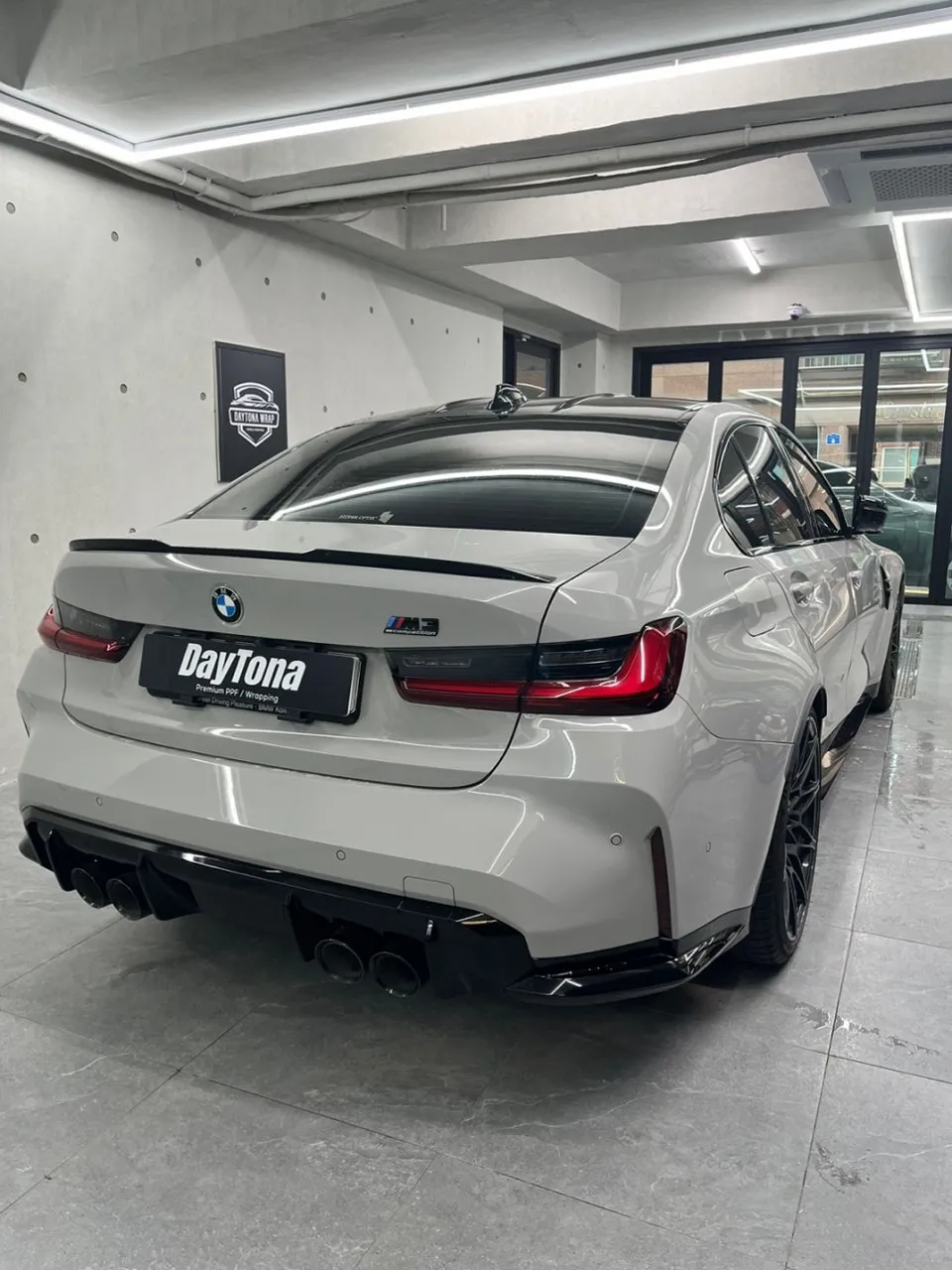
At OhCar Magazine, we've seen countless vehicles, from the sleek Tesla Model Y Matte PPF Review to the robust BMW M3 G80 Matte PPF Review, benefit from quality PPF. Our mission is to provide you with expert, unbiased insights into car care, and when it comes to safeguarding your C8, understanding your PPF warranty is paramount. It's not just about the film itself, but the peace of mind that comes with knowing you're covered.
Why Your C8 Corvette Needs Paint Protection Film (PPF)
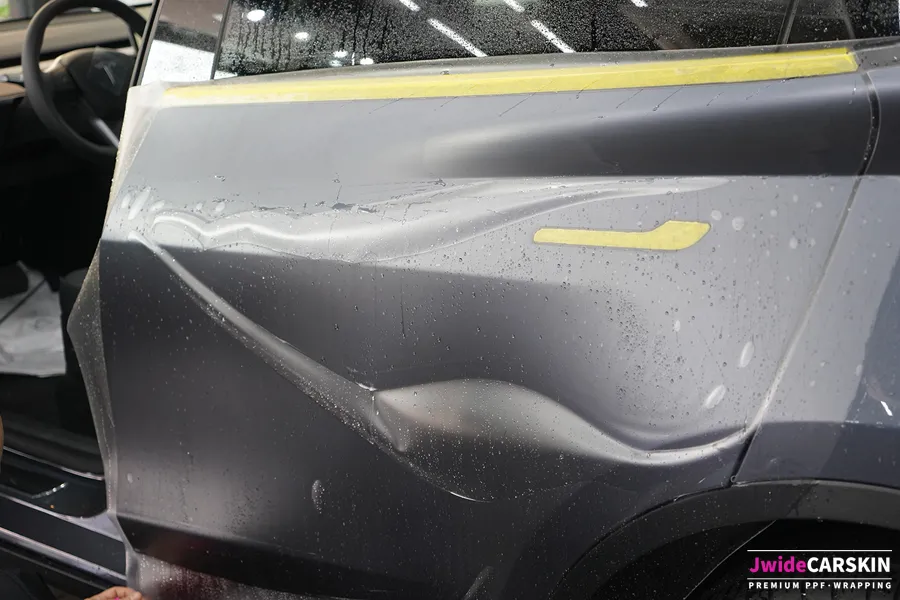
Let's be honest, the C8's low-slung profile and wide tires are fantastic for performance, but they also make it a magnet for road debris. Rocks, gravel, tar, and even bug splatters can quickly mar that beautiful factory paint. PPF, often referred to as a 'clear bra,' is a thermoplastic urethane film applied to painted surfaces of a new or used car. Its self-healing properties mean minor scratches often disappear with heat, and its robust nature provides an excellent barrier against more significant damage.
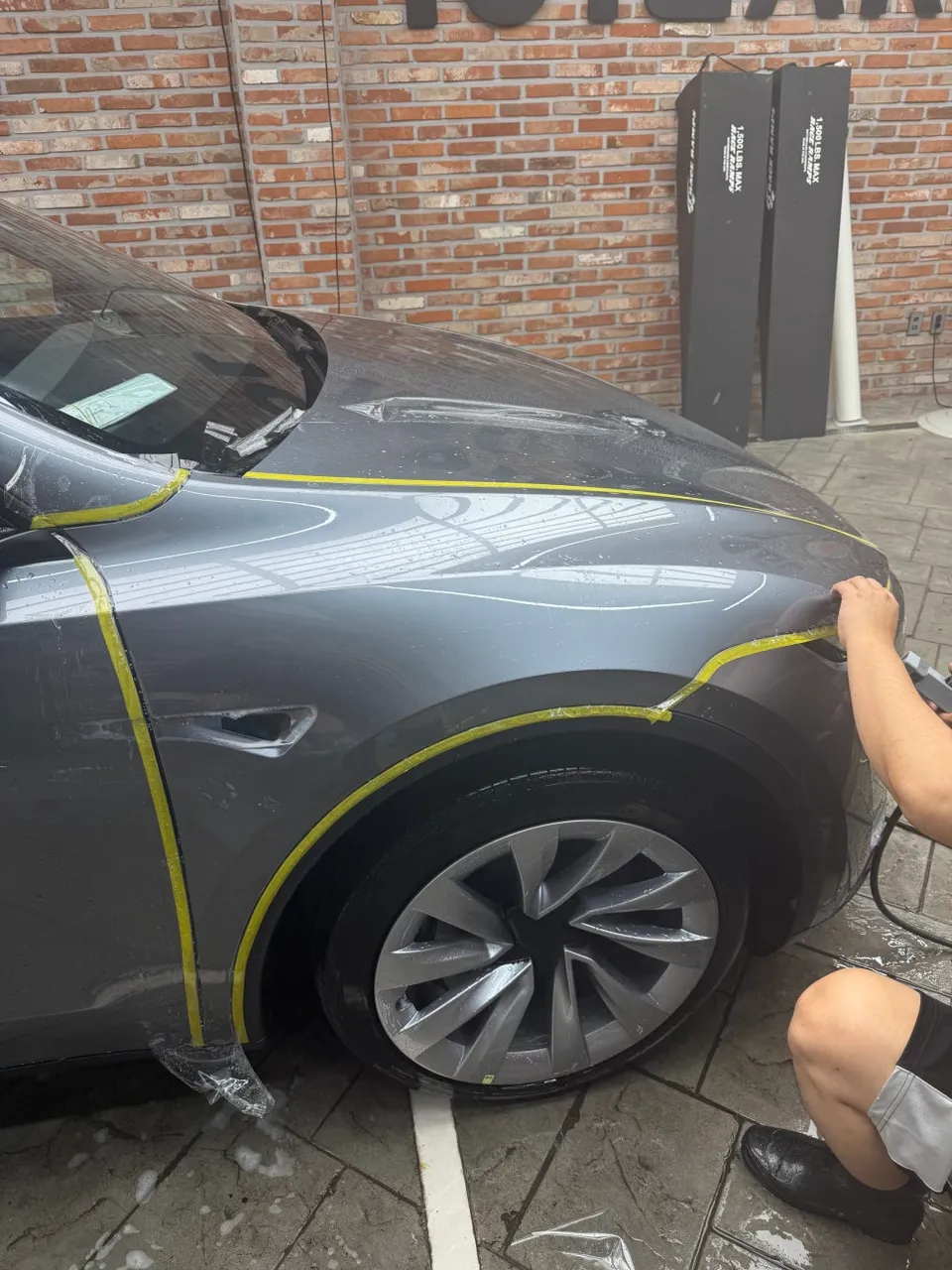
For a vehicle like the C8, a full body PPF application is often recommended. While partial kits cover high-impact areas like the front bumper, hood, and fenders, a full body wrap ensures uniform protection and appearance across the entire vehicle. This comprehensive approach is particularly important for cars with complex body panels and vibrant colors, where any unprotected area would stand out.