Ford F-150 Tint Laws CA 2026: Legal Limits Explained
Navigating the ever-evolving landscape of automotive regulations can be a headache, especially when it comes to something as seemingly straightforward as window tint. For owners of the ever-popular Ford F-150 in California, understanding the Ford F-150 window tint legal limit California 2026 is crucial to avoid tickets and ensure compliance. At OhCar Magazine, we're here to break down what you need to know, keeping you informed and your truck looking sharp.
California has some of the strictest tint laws in the nation, and while the core regulations haven't seen dramatic shifts recently, it's always wise to stay updated. This guide will delve into the specifics for 2026, covering windshields, front side windows, and rear windows, and offer insights into the types of tint available and why it's a popular upgrade for F-150 owners.
Understanding VLT: The Key to California Tint Laws
Before we dive into the specifics for your Ford F-150, it's essential to understand the primary metric used in tint regulations: Visible Light Transmission (VLT). VLT refers to the percentage of light that passes through your vehicle's windows. A lower VLT percentage means the tint is darker, allowing less light in, while a higher VLT percentage means the tint is lighter.
California law uses VLT to define the legal limits for window tint. It's important to note that these percentages apply to the combined VLT of the glass and the film. So, if your F-150's factory glass already has a slight tint, the film you add must compensate for that to remain within legal limits.
Windshield Tinting in California
When it comes to the windshield of your Ford F-150, California law is quite clear. The top 4 inches of the windshield are permitted to have a non-reflective tint. This means you can apply a strip of tint at the very top of your windshield, but it must not extend lower than 4 inches from the top edge. The primary purpose of this allowance is to reduce glare from the sun, improving driver visibility. However, it's crucial that this tint is not reflective, meaning it shouldn't bounce light back aggressively.
Key takeaway for windshields: A top 4-inch strip of non-reflective tint is allowed. Anything more, or anything reflective, is a violation.
Front Side Window Tint Legal Limit California 2026 for Ford F-150
This is where many F-150 owners run into trouble if they're not careful. For the front driver and passenger side windows, California law mandates a minimum VLT of 70%. This means that the tint applied to these windows, when combined with the factory tint of the glass, must allow at least 70% of the light to pass through. In practical terms, this often means that most aftermarket tint films will be too dark for these windows if you're aiming for a uniform look across the entire vehicle.
Many people desire a darker look for their front windows for aesthetic reasons or to match the rear, but it's critical to adhere to the 70% VLT rule. Exceeding this limit can result in a ticket. It's always best to consult with a professional installer who can measure the VLT of your factory glass and recommend films that will keep you within the legal boundaries.
Rear Window and Back Windshield Tinting for F-150
The good news for Ford F-150 owners is that the restrictions loosen considerably for the rear window and any rear passenger windows. California law permits any darkness of tint on the rear windshield and the rear doors' windows. This means you have the freedom to choose the VLT percentage that best suits your needs, whether it's for privacy, heat rejection, or simply the desired aesthetic.
This allowance is a significant advantage for those who want a darker, more uniform look for their truck. However, even with this freedom, it's still advisable to consider the practical implications. Extremely dark tints can significantly reduce visibility at night, especially in poorly lit areas. Professional installers can help you find a balance between darkness, heat rejection, and visibility.

| Window Type | Minimum VLT | Reflectivity |
|---|---|---|
| Windshield | N/A (Top 4 inches allowed) | Non-reflective |
| Front Side Windows | 70% | Non-reflective |
| Rear Window & Rear Doors | Any darkness allowed | N/A |
Why Tint Your Ford F-150? Benefits Beyond Compliance
While staying legal is paramount, the decision to tint your Ford F-150's windows goes far beyond avoiding tickets. Window tint offers a range of practical benefits that can enhance your driving experience and protect your vehicle:
- UV Protection: High-quality window films block up to 99% of harmful ultraviolet (UV) rays. This protects your skin from sun damage and prevents your F-150's interior – including the dashboard, seats, and upholstery – from fading and cracking over time.
- Heat Rejection: Tinted windows can significantly reduce the amount of solar heat that enters your cabin. This means your F-150 stays cooler in the California sun, reducing the strain on your air conditioning system and improving fuel efficiency.
- Glare Reduction: Tint helps to cut down on distracting glare from the sun and other vehicles, leading to a more comfortable and safer driving experience.
- Privacy and Security: Darker tints can deter potential thieves by making it harder to see what's inside your truck. It also offers increased privacy for you and your passengers.
- Aesthetics: Let's face it, window tint can dramatically improve the look of any vehicle, including the rugged and stylish Ford F-150. It gives your truck a sleeker, more finished appearance.
Types of Window Tint for Your F-150
When you decide to tint your F-150, you'll encounter different types of films, each with its own characteristics and price points. Understanding these can help you make an informed decision. For a deeper dive into costs, check out our comprehensive window tinting cost guide.
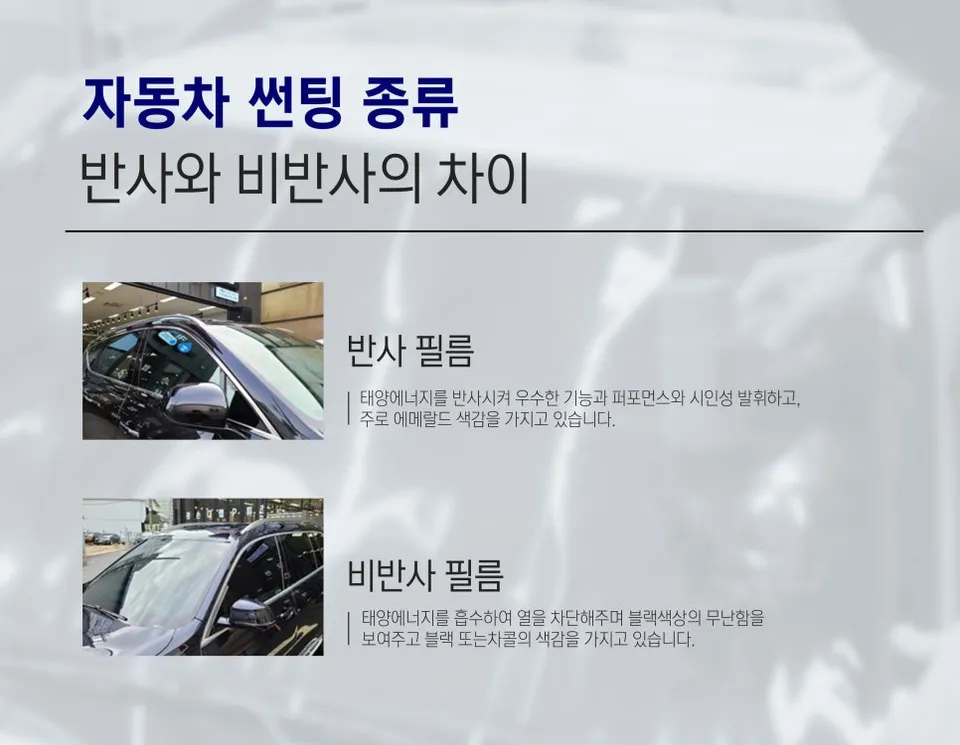
- Dyed Film: This is the most basic and affordable type of tint. It involves adding a dye to the film to give it color and reduce light transmission. However, dyed films are prone to fading and turning purple over time, especially with prolonged sun exposure.
- Carbon Film: A popular choice, carbon tint uses carbon particles to achieve its color and UV blocking capabilities. It offers good heat rejection and is less prone to fading than dyed films. It also has a matte finish that doesn't cause a mirror-like glare.
- Ceramic Film: This is the premium option. Ceramic tint uses nano-ceramic particles to block heat and UV rays without significantly affecting visibility. It offers the best heat rejection and is highly durable, with no metallic components that could interfere with electronic signals. While more expensive upfront, its performance and longevity often make it the best value.
The choice of film will impact the overall window tinting cost. For example, ceramic tints are generally more expensive than dyed or carbon films. When considering professional installation, you can find a wide range of pricing. Based on our reviews and industry knowledge, a full tint job for a Ford F-150 using quality carbon or ceramic film can range from $250 to $600, depending on the complexity and the specific film chosen. You can explore various window tinting reviews on OhCar to see what other vehicle owners have experienced.
Professional Installation: Why It Matters for Your F-150
While DIY tint kits are available, we strongly recommend professional installation for your Ford F-150. Here's why:
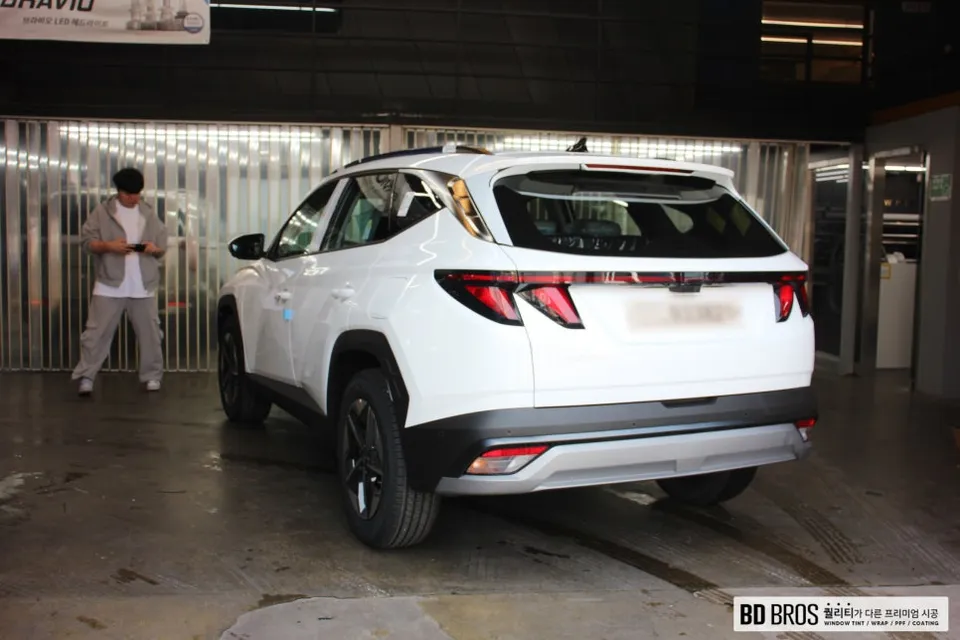
- Precision and Quality: Professional installers have the experience and tools to apply tint film perfectly, ensuring a smooth, bubble-free finish and clean edges. This is especially important for the large windows of an F-150.
- Legal Compliance: Reputable installers are well-versed in California's tint laws and can advise you on the best film options that meet the legal requirements for your F-150. They can also provide documentation if needed.
- Warranty: Professional installations often come with a warranty on both the film and the labor, protecting you against peeling, bubbling, or premature fading.
- Access to High-Quality Films: Professionals typically use higher-grade films than what's available in consumer kits, offering better performance and durability.
If you're looking for a trusted tinting service, OhCar can help you find certified professionals in your area.

Common Misconceptions About Ford F-150 Tint Laws
There are a few common misunderstandings regarding window tint laws, and it's worth addressing them to ensure you're making informed decisions for your Ford F-150:
- "Any tint is okay on the back windows." While California law is lenient on rear windows, it's still wise to ensure your tint doesn't excessively obscure your view, especially if you rely heavily on your mirrors.
- "My tint is legal because it's a 'legal tint' film." The term "legal tint" can be misleading. It often refers to films that are designed to meet legal requirements, but the actual VLT percentage is what matters. Always confirm the VLT percentage of the film and how it interacts with your F-150's factory glass.
- "I can tint my windshield as dark as I want." As mentioned, only the top 4 inches of the windshield can be tinted, and it must be non-reflective.
- "Tinting is only for looks." As we've discussed, tint offers significant functional benefits like UV protection, heat rejection, and glare reduction, making it a worthwhile investment for comfort and protection.

Beyond Tint: Other Protective Measures for Your F-150
While window tint is a fantastic upgrade, it's just one piece of the puzzle when it comes to protecting your Ford F-150. At OhCar, we also cover other essential car protection services. For instance, have you considered paint protection film (PPF) or ceramic coating? These services offer robust defense against scratches, chips, and environmental contaminants.
Paint Protection Film (PPF) is a clear, durable film applied to the exterior paintwork to shield it from minor abrasions, stone chips, and road debris. It's an excellent investment for maintaining your F-150's pristine finish. If you're curious about the costs involved, our PPF vs Ceramic Coating comparison can help you understand the differences and benefits. Similarly, ceramic coating provides a hard, protective layer that enhances gloss and makes cleaning easier, offering long-term protection against the elements.
Combining high-quality window tint with PPF and ceramic coating can provide comprehensive protection for your Ford F-150, keeping it looking its best for years to come. Explore more automotive insights and reviews in the OhCar Magazine.

Conclusion: Staying Legal and Stylish with Your F-150 Tint
For Ford F-150 owners in California, understanding the Ford F-150 window tint legal limit California 2026 is essential. Remember the key rules: a non-reflective tint on the top 4 inches of the windshield, a minimum of 70% VLT on front side windows, and freedom to choose any darkness on rear windows. By adhering to these regulations and choosing professional installation with quality films, you can enjoy the numerous benefits of window tinting – from enhanced comfort and privacy to improved aesthetics and protection – all while staying on the right side of the law.
Always consult with a trusted professional installer for the most accurate advice and to ensure your tint job is both legal and perfectly executed. Happy tinting!
Comments (2)
Man, California's tint laws are always a bit of a headache, even for us Texans who deal with the sun all day. Gotta make sure those F-150s are looking sharp *and* legal.
Yeah, I've been running ceramic tint on my F-150 for a few years now, and it's a game-changer for heat rejection, especially in the California sun. Just make sure you're getting it installed by someone who knows the VLT laws inside and out.
Explore Related Services on OhCar