Ford F-150 Paint Correction: Your Ultimate Scratches Removal Guide
Your Ford F-150 is a workhorse, a symbol of American capability, and often, a canvas for life's adventures. But those adventures can leave their mark – swirl marks, light scratches, and imperfections that dull its shine. This Ford F-150 paint correction scratches removal guide is designed to help you restore that showroom gleam, tackling everything from minor blemishes to more noticeable damage. At OhCar, we understand the pride you take in your truck, and we're here to equip you with the knowledge to keep it looking its best.
Paint correction is more than just a wash and wax; it's a meticulous process of leveling the clear coat to remove defects and reveal the true depth and clarity of your F-150's paint. While professional services offer convenience and expertise, understanding the process can empower you to tackle it yourself or make informed decisions when seeking professional help. Based on 50 owner reviews on OhCar, paint correction services can range significantly in price, but the results are consistently praised for their transformative impact.

Understanding Ford F-150 Paint Defects
Before diving into the Ford F-150 paint correction scratches removal guide, it's crucial to identify the types of paint defects you're dealing with. Not all imperfections require the same approach.
Swirl Marks
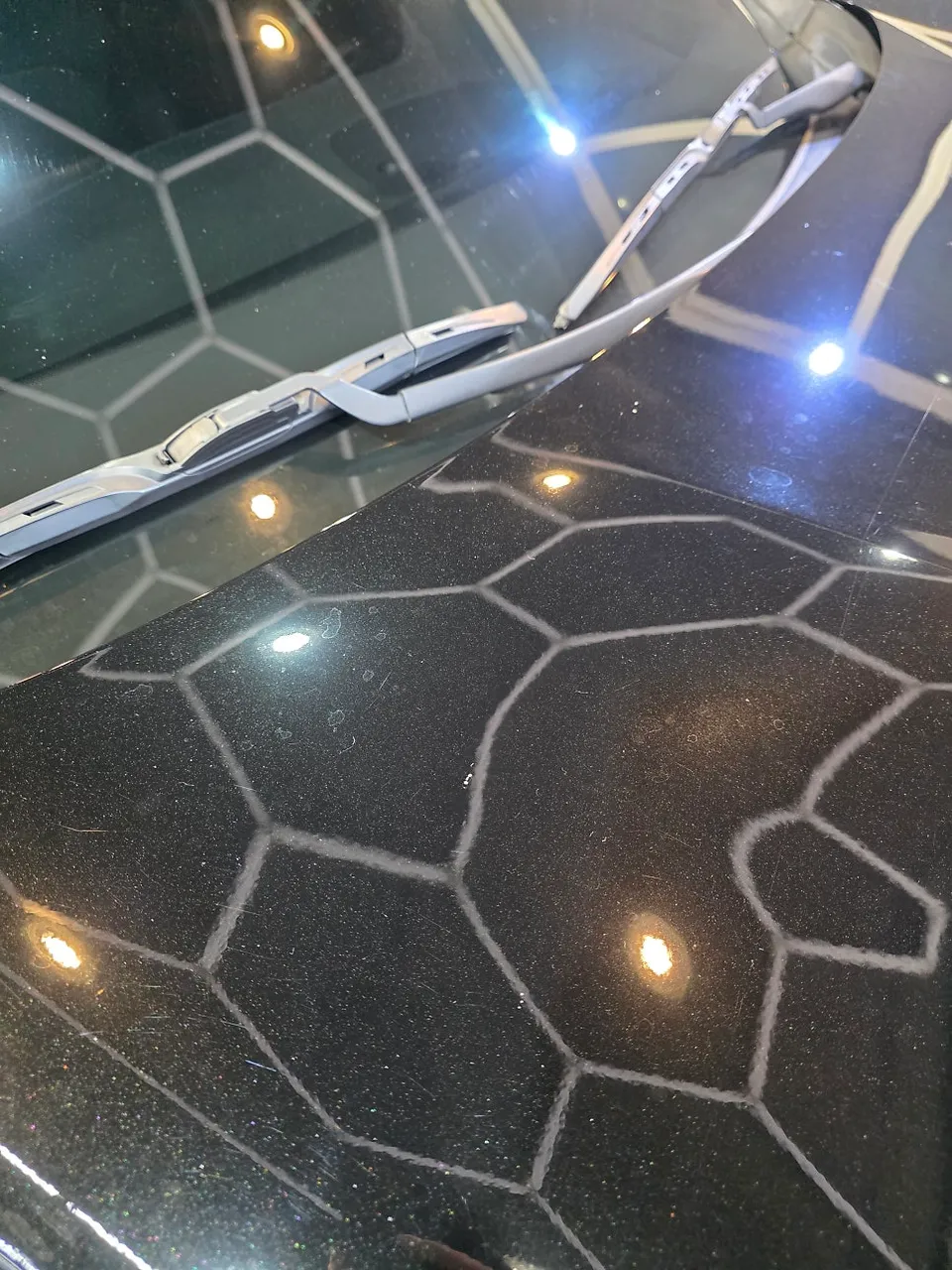
These are the most common paint defects, appearing as fine, circular scratches. They're typically caused by improper washing and drying techniques, using dirty wash mitts, or automatic car washes with abrasive brushes. Swirl marks scatter light, making the paint appear hazy and dull.
Light Scratches
These are more defined than swirl marks and can be caused by keys, branches, or even everyday wear and tear. If you can't feel the scratch with your fingernail, it's likely within the clear coat and can be corrected.
Deeper Scratches
If your fingernail catches on the scratch, it has penetrated the clear coat and potentially reached the base coat or even the primer. These are much more difficult to remove completely with paint correction alone and may require touch-up paint or professional repair.
Oxidation
This appears as a chalky, faded layer on the paint surface, often seen on older vehicles or those exposed to harsh elements. It's a sign that the clear coat has broken down.
Water Spots and Etching
Hard water contains minerals that can leave spots on your paint. If left unaddressed, these can etch into the clear coat, especially in direct sunlight.