Toyota Camry Window Tint Legal Limit California: Stay Legal
So, you've got a sleek Toyota Camry and you're thinking about adding some window tint. Smart move! Tint can enhance privacy, reduce glare, and even help keep your car cooler. But before you head to the tint shop, it's crucial to understand the Toyota Camry window tint legal limit California. Getting it wrong can lead to tickets and the hassle of having to remove it. Here at OhCar, we're all about keeping your ride looking good and staying on the right side of the law.
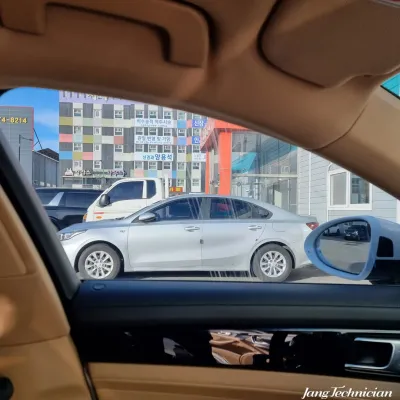
Understanding California's Window Tint Laws for Your Toyota Camry
California has specific regulations regarding how dark your window tint can be. These laws are designed to ensure visibility for law enforcement and public safety. For sedans like the Toyota Camry, the rules are quite clear. The primary concern is the amount of light that can pass through your windows, measured as Visible Light Transmission (VLT). The lower the VLT percentage, the darker the tint.
Front Windshield Tinting in California
When it comes to your Camry's front windshield, California law is very strict. You are generally allowed to tint the very top portion of the windshield, often referred to as the "AS-1" line. This is typically a strip about 4 inches wide. The purpose of this allowance is to reduce sun glare for the driver. Any tinting below this line is illegal and will likely result in a citation.
Front Side Window Tinting for Your Toyota Camry
For the front driver and passenger side windows of your Toyota Camry, California law requires a minimum VLT of 70%. This means that at least 70% of the natural light must be able to pass through the window. Many aftermarket tints are darker than this, so it's essential to confirm with your installer that they are using a film that complies with this regulation. Even a 50% tint on these windows is illegal in California.
Rear Side and Rear Window Tinting Laws
The good news for your Toyota Camry is that the rear side windows and the rear windshield have more lenient tinting laws. You can apply a tint as dark as you like on these windows, provided it does not reduce the VLT to less than 35% for the rear side windows. However, it's important to note that while you can go darker on the rear, you still need to be mindful of reflectivity. The law prohibits excessive reflectivity that could cause glare to other drivers.

Reflectivity Limits
Beyond VLT, California also has rules about window tint reflectivity. For all windows, the tint cannot be more reflective than standard automotive glass. This is another safety measure to prevent blinding other drivers. Most reputable tint films will fall within these limits, but it's something to be aware of.
Why Choose Window Tint for Your Toyota Camry?
While staying legal is paramount, there are numerous benefits to tinting your Toyota Camry's windows. Understanding these benefits can help you decide if the investment is worthwhile, even within the legal limits. We've covered the costs in our comprehensive window tinting cost guide, which can help you budget effectively.
UV Protection and Heat Rejection
High-quality window tints offer excellent protection against harmful ultraviolet (UV) rays. This not only protects your skin from sun damage but also helps prevent your Camry's interior from fading and cracking over time. Many tints also excel at rejecting solar heat, keeping your car significantly cooler, especially during California's hot summers. This can reduce your reliance on the air conditioning, potentially saving fuel.
Enhanced Privacy and Security
A slightly darker tint, within legal limits, can provide a good level of privacy for you and your passengers. It makes it harder for passersby to see into your car, deterring potential theft of valuables left inside. While not a foolproof security measure, it adds an extra layer of deterrence.
Improved Aesthetics
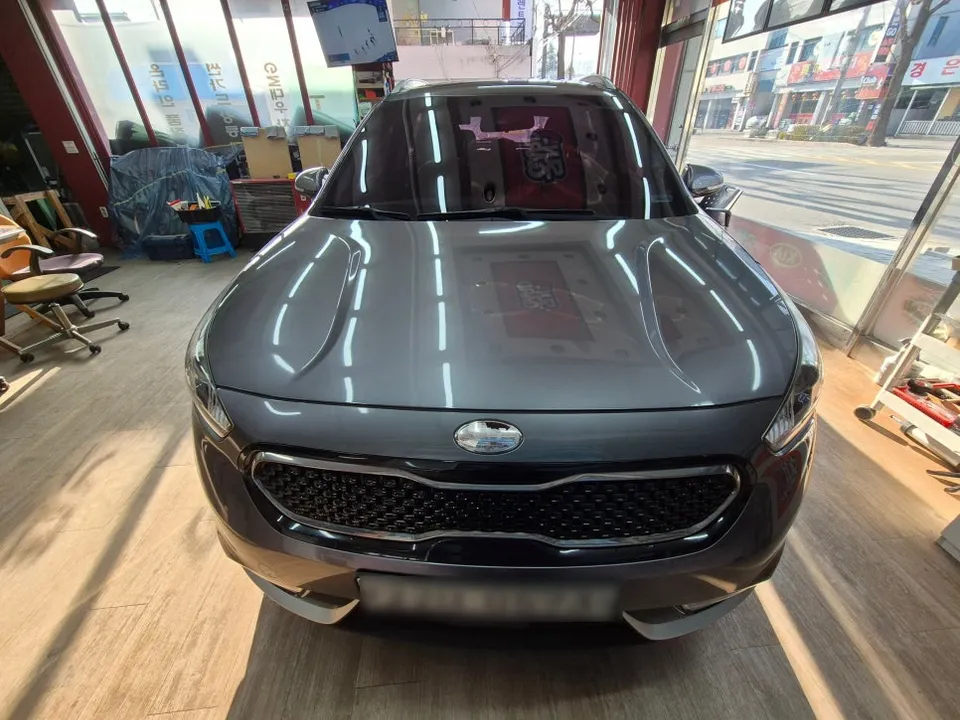
Let's face it, window tint can dramatically improve the look of your Toyota Camry. It gives the car a more sophisticated and sporty appearance. Whether you opt for a subtle tint or something a bit more pronounced (within legal boundaries), it can significantly elevate your vehicle's style. You can explore various tinting options and see how they look on different vehicles in our window tinting reviews section.
Safety and Shatter Resistance
Window tint films are essentially a layer of protective material applied to your glass. In the event of an accident or attempted break-in, the tint can help hold the glass together, reducing the risk of dangerous shards flying into the cabin. This adds a crucial safety element to your Camry.
Choosing the Right Tint for Your Toyota Camry
When selecting a tint for your Toyota Camry, consider the VLT percentages carefully to ensure you comply with California law. Here's a quick breakdown of common VLT percentages and what they mean:
| VLT Percentage | Appearance | California Legality (Sedan Front Windows) |
|---|---|---|
| 90% - 80% | Very Light / Clear | Legal |
| 70% - 60% | Light Tint | Legal (Minimum for front windows) |
| 50% - 40% | Medium Tint | Illegal for front windows |
| 35% - 20% | Dark Tint | Illegal for front windows, Legal for rear windows |
| 15% - 5% | Very Dark / Limo Tint | Illegal for front windows, Legal for rear windows |
It's also worth considering the type of tint film. Ceramic tints, for example, offer excellent heat rejection without being overly dark, making them a popular choice for those who want performance within legal limits. You can learn more about different film types and their benefits in our PPF vs Ceramic Coating comparison, which also touches on protective qualities.

Professional Installation is Key
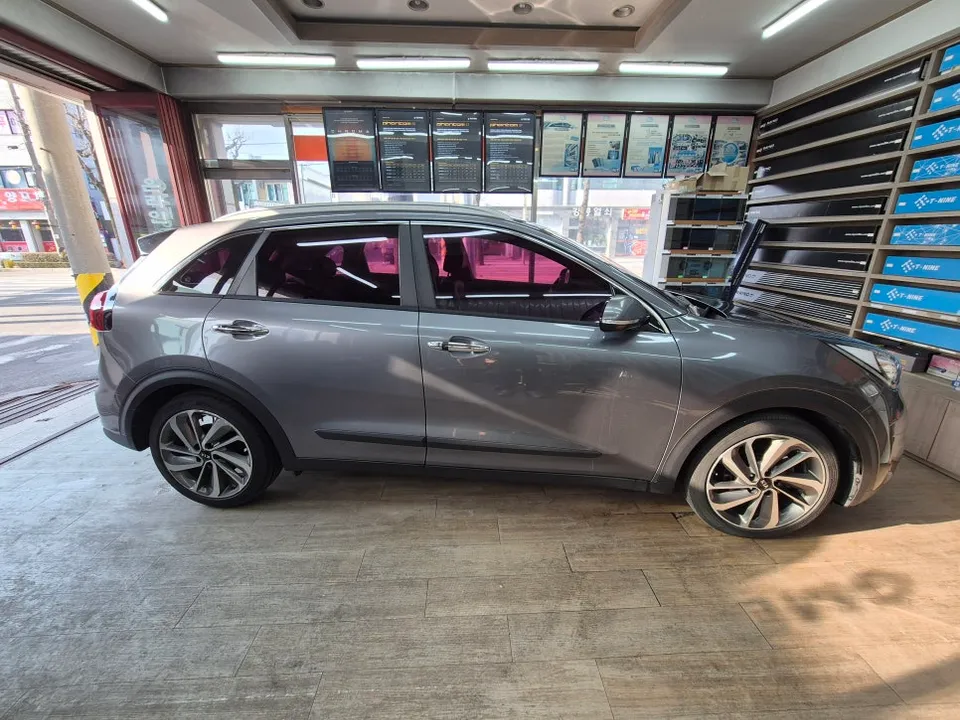
For the best results and to ensure proper application, we always recommend professional installation for your Toyota Camry's window tint. A skilled installer will have the tools and expertise to apply the film smoothly, without bubbles or imperfections, and will be knowledgeable about the Toyota Camry window tint legal limit California. They can guide you through the options and ensure your tint is both legal and aesthetically pleasing. If you're looking for a service provider, check out our tinting service listings.
Common Misconceptions About California Tint Laws
There are a few common misunderstandings about window tint laws in California that can catch Camry owners off guard. Let's clear them up:
Myth: All tints are illegal if they look dark.
Fact: California law is based on VLT percentages, not just how dark the tint appears to the naked eye. A tint that looks dark might still be legal if it meets the VLT requirements. Conversely, a tint that looks light could be illegal if it's too reflective.
Myth: Tinting the rear window is always illegal.
Fact: As mentioned, you can tint your rear windshield and rear side windows quite dark, as long as the VLT is not below 35% for the rear sides. The front windshield and front side windows are the ones with strict limitations.
Myth: Medical exemptions allow for any tint darkness.
Fact: While California does offer medical exemptions for window tinting, these are typically for specific medical conditions that require protection from sunlight. The exemption usually allows for a slightly darker tint than legally permitted, but it's not a free pass for any darkness. You'll need proper documentation from a licensed physician, and the exemption often has specific VLT limits as well. It's best to consult the official California DMV website or a legal professional for details on medical exemptions.

What Happens if Your Toyota Camry's Tint is Illegal?
Getting caught with illegal window tint on your Toyota Camry can lead to a few unpleasant outcomes. The most common is a fix-it ticket, also known as a Notice to Appear. This ticket will require you to have the illegal tint removed and then get a sign-off from a law enforcement officer or a designated inspection station. You'll then need to pay a small administrative fee.
In some cases, especially if you're pulled over for another infraction, an officer might issue a citation that requires a fine. The fine amount can vary, but it's an unnecessary expense. More importantly, having to remove tint that you paid for can be frustrating and costly.
Tips for Staying Legal
- Always confirm the Toyota Camry window tint legal limit California with your installer.
- Ask to see the VLT percentage of the film being used.
- Keep any receipts or documentation from the tint shop that specifies the VLT of the film applied.
- If you're unsure, err on the side of caution and choose lighter tints for the front windows.
Beyond Tint: Other Ways to Protect Your Toyota Camry
While window tint is a fantastic addition, it's just one aspect of keeping your Toyota Camry in top condition. At OhCar, we also advocate for other protective measures. Consider paint protection film (PPF) to shield your car's paint from chips, scratches, and environmental damage. We also have a detailed comparison of PPF vs Ceramic Coating that can help you decide which is best for your needs.
Ceramic coating offers a durable, hydrophobic layer that enhances gloss and makes cleaning easier. Combining these services can provide comprehensive protection for your investment. Explore our OhCar Magazine for more in-depth articles on car care and protection.

Conclusion: Tint Your Camry Wisely
Adding window tint to your Toyota Camry can be a rewarding upgrade, offering style, comfort, and protection. However, it's essential to navigate California's window tint laws carefully. By understanding the Toyota Camry window tint legal limit California, specifically the VLT requirements for your front and rear windows, you can make informed decisions. Always choose reputable installers and quality films to ensure you enjoy the benefits of tinting without the risk of legal trouble. Stay informed, stay legal, and enjoy your beautifully tinted Camry!
Comments (2)
California's tint laws are pretty strict, especially down here in Texas we've got a bit more leeway. Make sure you're checking that VLT percentage carefully, especially on the front sides.
Yeah, I've been meaning to get my Model 3 tinted but I'm always worried about getting pulled over. Good to know the exact limits for LA.

Explore Related Services on OhCar