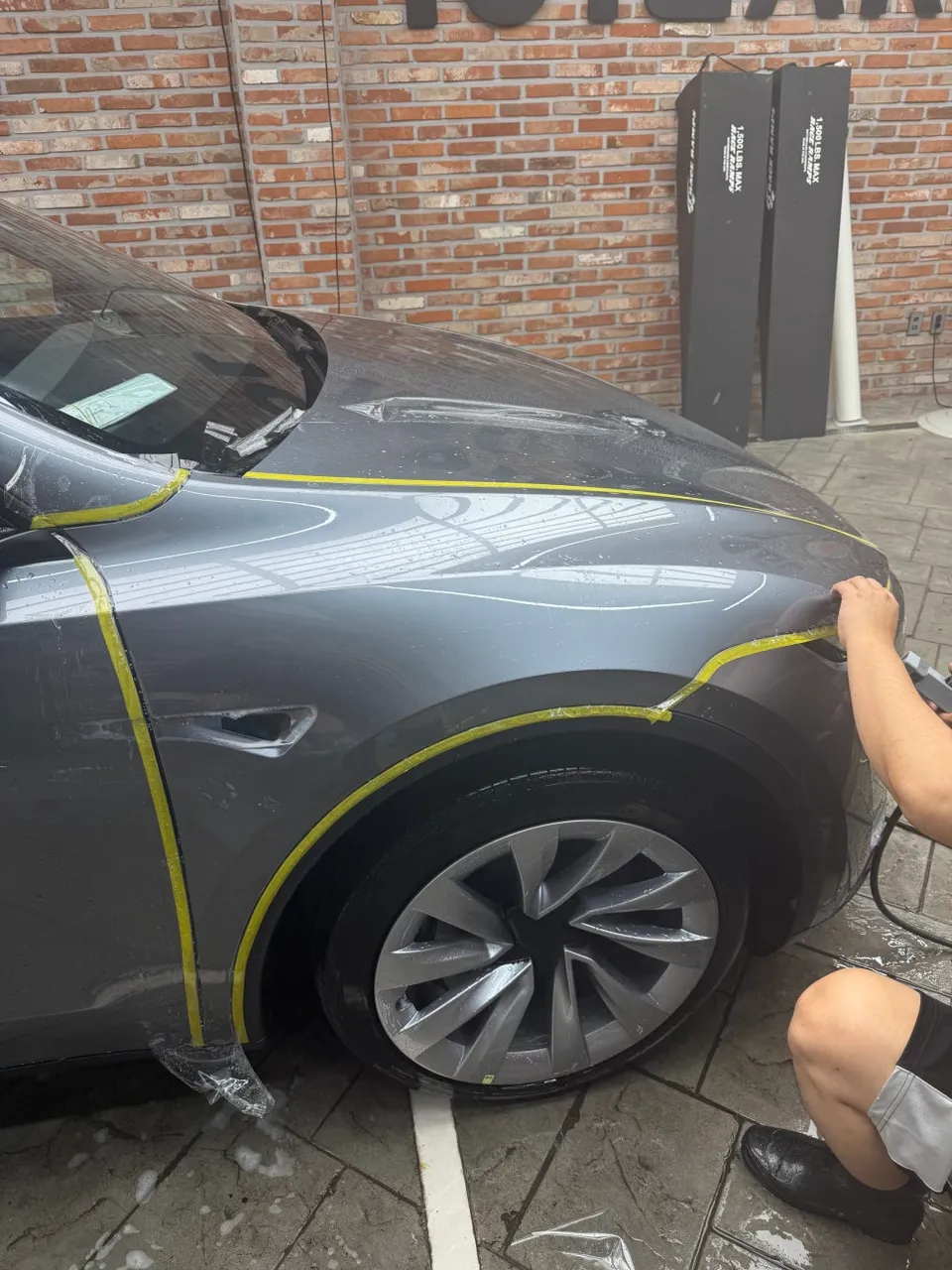
Honda CR-V Paint Correction Before Summer Rain: Prep Your Ride
As the skies begin to darken and the familiar rumble of thunder signals the approaching summer downpours, it's time to think about protecting your beloved Honda CR-V. A thorough Honda CR-V paint correction before summer rain is not just about aesthetics; it's a crucial step in safeguarding your vehicle's finish against the harsh elements that summer storms can bring. From acidic rain to mud splatter and the inevitable grime that washes onto our roads, your CR-V's paintwork is in for a beating. At OhCar Magazine, we're here to guide you through why this service is essential and what it entails.
Why Honda CR-V Paint Correction Before Summer Rain is Essential
Summer rain, while a welcome respite from the heat, can be surprisingly damaging to your car's paint. The water itself might be relatively clean, but as it falls through the atmosphere, it picks up pollutants. When it lands on your CR-V, especially if it evaporates, it leaves behind these contaminants. These can etch into the clear coat, causing dullness and swirl marks. Furthermore, summer storms often bring with them pollen, tree sap, and even bird droppings, all of which can wreak havoc on unprotected paint. A Honda CR-V paint correction before summer rain addresses these issues by removing existing imperfections and preparing the surface for enhanced protection.
Understanding Paint Imperfections
Before we dive into the correction process, let's understand what we're fixing. Your CR-V's paint, over time, accumulates various defects:
- Swirl Marks: These are fine, circular scratches caused by improper washing and drying techniques. They scatter light, making the paint look dull.
- Scratches: Deeper than swirl marks, these can range from minor surface abrasions to deeper gouges.
- Oxidation: This is the dulling and chalky appearance of paint caused by UV exposure and environmental damage.
- Water Spots: As mentioned, evaporated rainwater leaves mineral deposits that can etch into the clear coat.
- Tar and Road Grime: Summer driving often means more exposure to tar, bug splatter, and general road debris.