FAQ: Your Waxing and Paint Protection Questions Answered
Can I Wax My Car Too Often?
Technically, yes—but not in the way you might think. Waxing too frequently won't damage your paint directly. However, over-waxing creates buildup, making your car's finish look dull and hazy rather than glossy. Most detailers recommend waiting until you can see water beading diminish before reapplying. If you're a meticulous car owner who loves the application process, aim for the recommended 3-4 month interval rather than monthly applications. Let the previous layer wear off naturally before adding more protection.
Is Ceramic Coating Worth It Compared to Waxing?
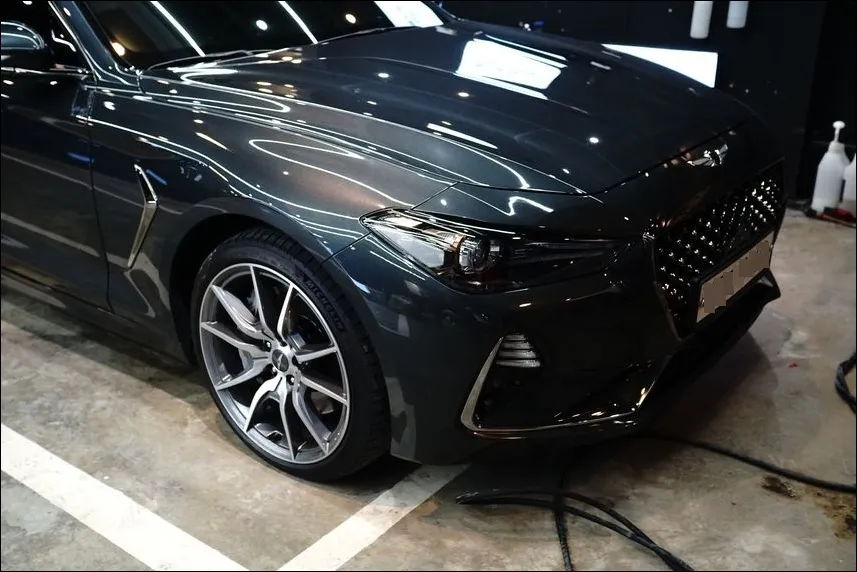
For most car owners, yes—especially if your vehicle is relatively new and you plan to keep it long-term. The math works out over 5+ years when you factor in labor costs and convenience. You'll spend less time and money on maintenance, get superior protection, and enjoy deeper gloss. The real question is your driving habits and climate. If you live somewhere particularly harsh or drive high-mileage, ceramic coating's durability saves you money. For casual drivers in mild climates, traditional waxing remains a budget-friendly option. Our reviews of ceramic coating services on Hyundai and Genesis models show why enthusiasts choose this route—the results last significantly longer and look better over time.
What's the Difference Between Wax and Ceramic Coating?
The key difference is the bond. Wax sits on top of your clear coat and washes away over time—it's a barrier that needs replacement. Ceramic coating chemically bonds to your clear coat, becoming part of your paint. This creates a harder, more durable surface that lasts years instead of months. Ceramic coatings offer better hydrophobic properties (water beads more dramatically), superior chemical resistance, and UV protection. Wax is easier to apply yourself and cheaper upfront, making it ideal for people who enjoy frequent detailing or can't justify the initial ceramic investment. Think of wax as a temporary shield and ceramic as a permanent upgrade.
Should I Use PPF, Ceramic Coating, or Both?
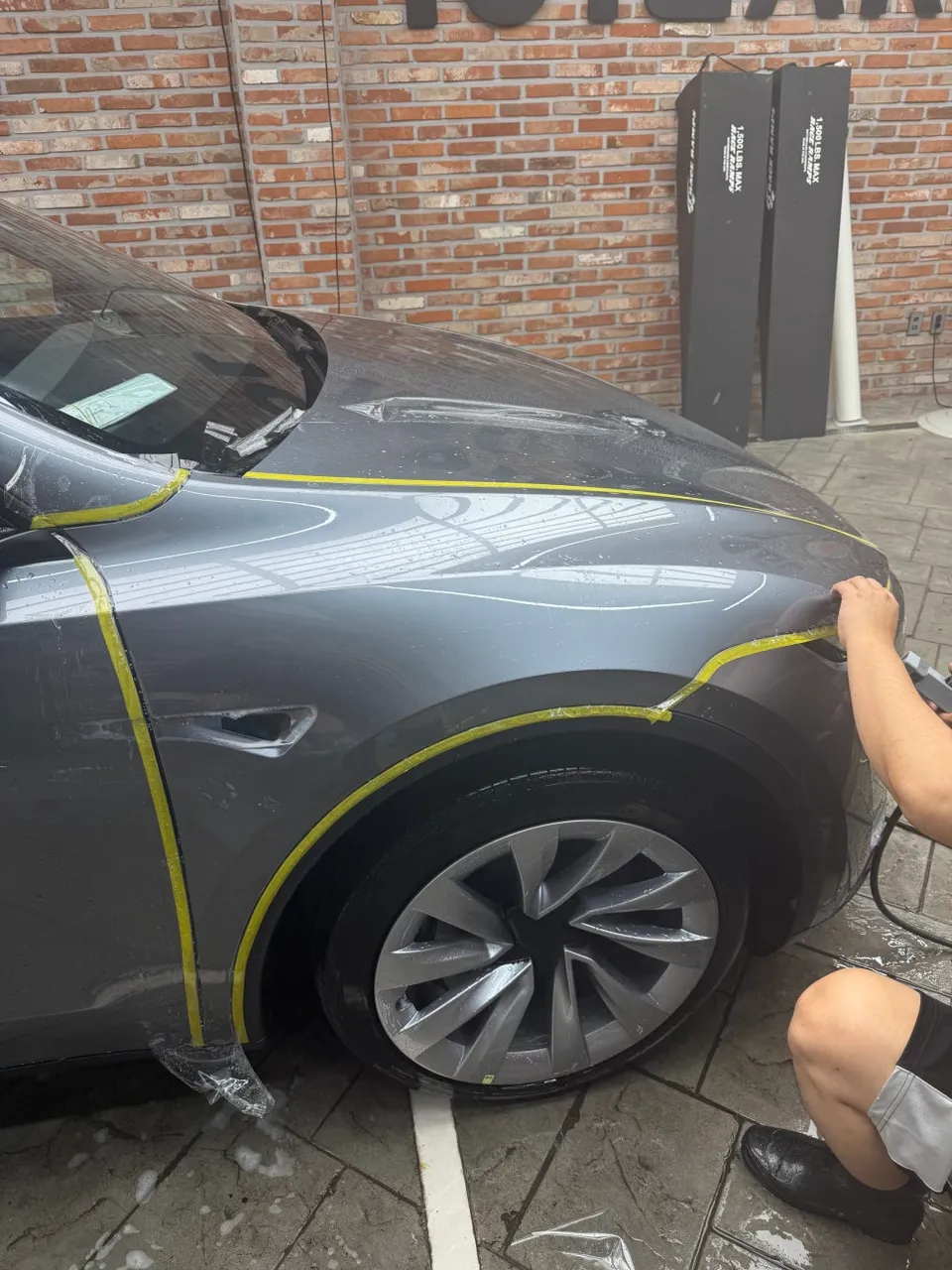
The best approach depends on your vehicle's value, your climate, and your driving style. PPF is essential for high-impact areas on any vehicle, particularly if you drive highways frequently. It prevents rock chips and road debris damage that wax and ceramic coatings can't stop. Ceramic coating handles UV, chemical, and light contaminant protection. Together, they create a comprehensive defense system. If budget is limited, start with ceramic coating on the whole car, then add PPF to vulnerable areas as resources allow. For luxury or sports cars, combining both is the standard approach among enthusiasts and professionals.
Can I Apply Ceramic Coating Over Wax?
No—and this is crucial. Ceramic coating must bond directly to your clear coat. If wax is present, the coating won't adhere properly and will peel or fail. Before ceramic coating application, your paint needs thorough decontamination and usually paint correction. This is why detailers like those we've reviewed recommend a complete paint correction and ceramic coating service together. You're essentially starting fresh, removing the old wax layer, correcting any paint damage, and then applying a fresh ceramic foundation. This is actually an advantage—it's a chance to fix years of accumulated damage while you're upgrading your protection strategy.