How to Protect Your Car from Sun Damage — Tint, Coat, or Both?
How to Protect Your Car from Sun Damage — Tint, Coat, or Both?
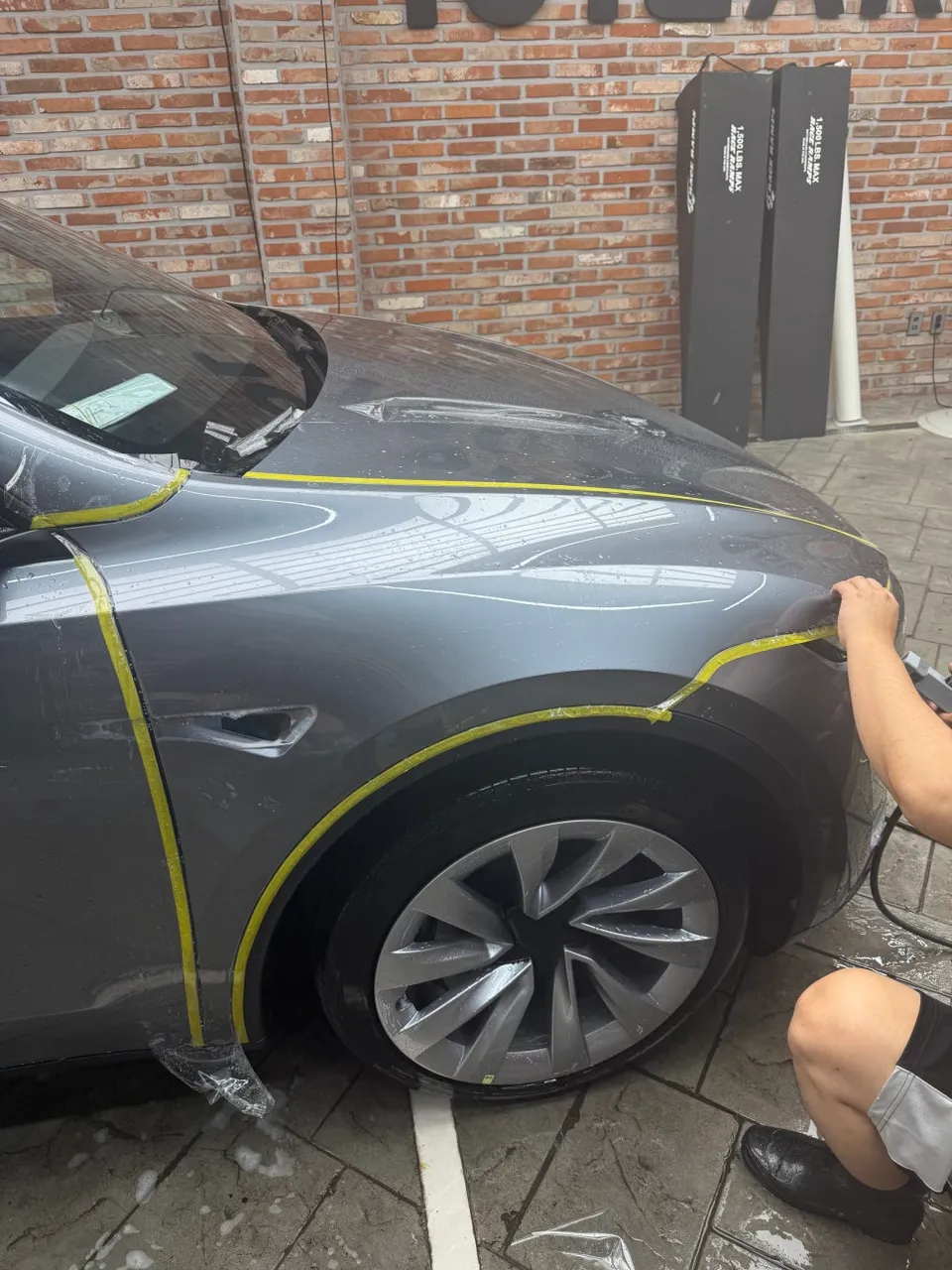
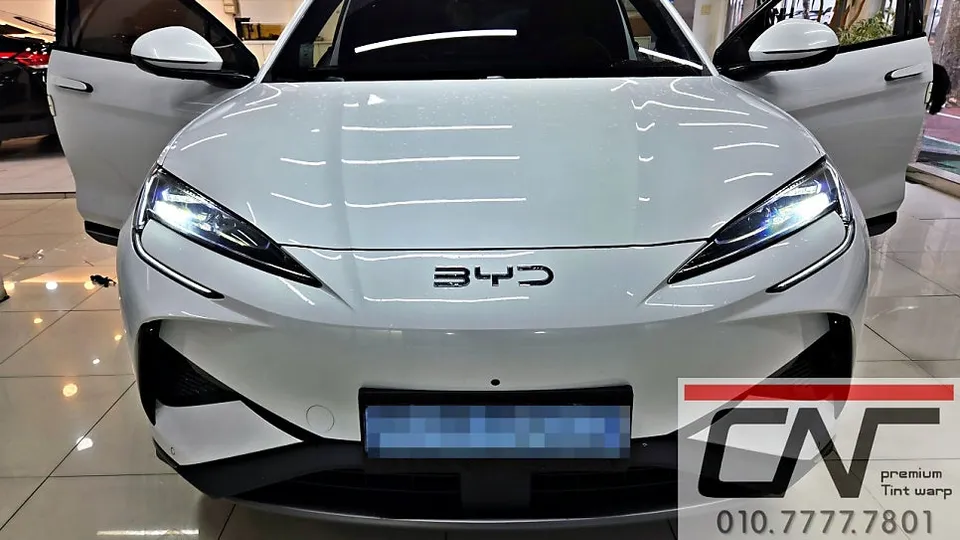
Summer sun is beautiful, but it's brutal on your car. UV rays fade paint, crack dashboards, and turn your interior into an oven. If you're wondering how to protect car from sun, you're not alone — it's one of the most common questions we hear from car owners. The good news? You have options. Whether you're considering window tinting, ceramic coating, paint protection film (PPF), or a combination approach, understanding what works best for your situation will save you money and headaches down the road.
In this guide, we'll break down the most effective sun protection strategies, compare their costs and benefits, and help you decide which solution fits your car and budget.
Understanding Sun Damage: Why Protection Matters
Before we talk solutions, let's understand the enemy. The sun damages cars in multiple ways:
UV Radiation and Paint Oxidation
UV rays penetrate your clear coat and cause the underlying paint to oxidize. This creates that dull, faded appearance you see on older vehicles. Over time, oxidation can lead to rust and structural damage if left untreated.
Interior Fading and Cracking
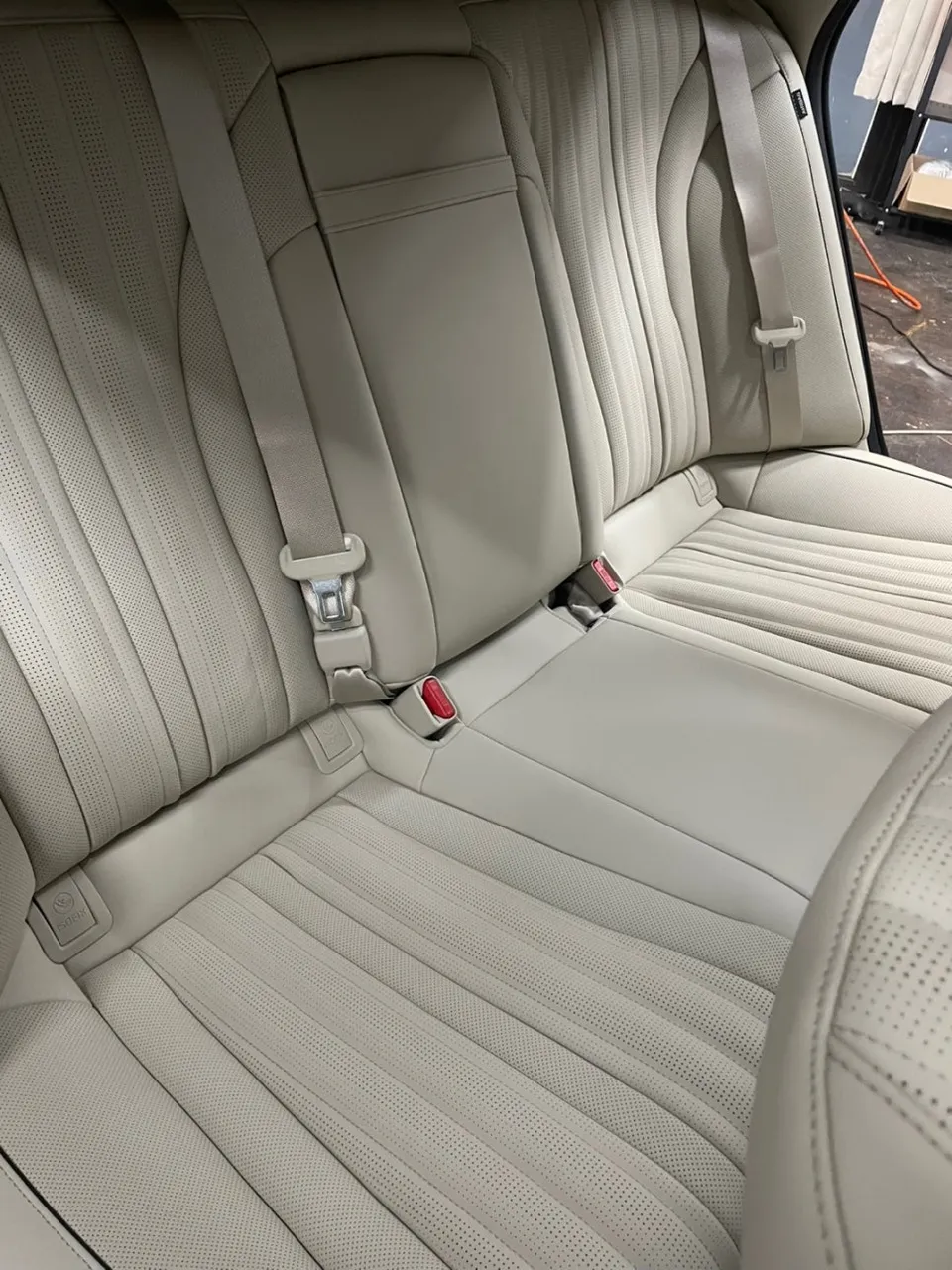
Your dashboard, steering wheel, and seats fade dramatically under constant sun exposure. Leather cracks, plastics become brittle, and colors lose their vibrancy. Many owners don't realize this damage is largely preventable.
Heat Buildup and Component Damage
A car parked in direct sun can reach interior temperatures of 150°F or higher. This damages electronics, warps interior trim, and reduces air conditioning efficiency. It also creates an uncomfortable and sometimes dangerous environment when you return to your vehicle.