Road Trip Car Prep Checklist — Everything to Check Before a Long Drive
Embarking on a road trip is an exciting prospect, filled with the promise of new adventures and unforgettable memories. But before you hit the open road, ensuring your vehicle is in top condition is paramount. A thorough road trip car prep checklist can save you from unexpected breakdowns, costly repairs, and unnecessary stress. At OhCar Magazine, we understand that a well-maintained car is the foundation of a successful journey. We've compiled this comprehensive guide to help you prepare your vehicle, drawing on our extensive experience reviewing everything from Hyundai to Mercedes-Benz models.
The Essential Road Trip Car Prep Checklist: Safety First
Safety should always be your top priority when preparing for a long drive. A quick once-over might not be enough; a detailed inspection is crucial. This section covers the fundamental safety checks that every road tripper should perform.
Tires: Your Connection to the Road
Your tires are literally what keep you connected to the asphalt. Underinflated, overinflated, or worn-out tires can lead to poor handling, reduced fuel efficiency, and, worst of all, a blowout.
- Tire Pressure: Check your tire pressure when the tires are cold. The recommended pressure is usually found on a sticker in the driver's side doorjamb or in your owner's manual. Don't forget to check the spare tire too!
- Tread Depth: Use a tread depth gauge or the penny test (insert a penny head-first into the deepest part of the tread; if you can see the top of Lincoln's head, your tread is too low). Worn tires offer less grip, especially in wet conditions.
- Visual Inspection: Look for any cuts, bulges, cracks, or embedded objects in the sidewalls and tread.
Brakes: Stopping Power You Can Trust
Reliable brakes are non-negotiable. Listen for any grinding or squealing noises when you apply the brakes, and pay attention to how the brake pedal feels. A spongy pedal or a car that pulls to one side when braking are signs of potential issues.
- Brake Fluid: Check the brake fluid level. If it's low, it could indicate a leak or worn brake pads.
- Brake Pads and Rotors: While a mechanic is best for a full inspection, you can often visually inspect the thickness of your brake pads through the wheel spokes.
Lights: Illuminating Your Path
Properly functioning lights are essential for visibility, both for you and for other drivers. This includes headlights (high and low beams), taillights, brake lights, turn signals, and hazard lights.
- Headlights: Ensure they are bright and properly aimed. Foggy or yellowed headlights can be restored or replaced.
- Brake Lights: Have a friend step on the brake pedal while you check that all brake lights illuminate.
- Turn Signals: Test all turn signals to ensure they flash correctly.
Wipers and Washer Fluid: Clearing Your View
Sudden rain showers or dusty roads can quickly obscure your vision. Ensure your windshield wipers are in good condition and that you have plenty of washer fluid.
- Wiper Blades: Check for cracks, tears, or stiffness. Replace them if they leave streaks or skip across the windshield.
- Washer Fluid: Top up your washer fluid reservoir. Consider using a fluid with bug remover for warmer months.

Beyond Safety: Comfort and Convenience Checks
While safety is paramount, a comfortable and convenient journey significantly enhances the road trip experience. These checks focus on ensuring your car's interior and essential systems are ready for the miles ahead.
Fluids: The Lifeblood of Your Vehicle
Regularly checking and topping up essential fluids prevents overheating and ensures smooth operation.
- Engine Oil: Check the oil level using the dipstick. If it's low, top it up with the correct type of oil specified in your owner's manual. Consider an oil change if you're close to your next scheduled service.
- Coolant: Ensure the coolant level is between the 'min' and 'max' marks in the reservoir. Never open a hot radiator cap.
- Power Steering Fluid: Check the level and top up if necessary.
- Transmission Fluid: Check the level according to your owner's manual (some require the engine to be running).
Battery: The Heart of Your Electronics
A dead battery can leave you stranded. While modern batteries are generally reliable, a long trip can be the straw that breaks the camel's back for an aging one.
- Terminals: Check for corrosion on the battery terminals. Clean them with a wire brush if necessary.
- Age: If your battery is more than three years old, consider having it tested at an auto parts store.
Air Conditioning and Heating: Climate Control
Whether you're driving through scorching heat or chilly mountains, a functioning climate control system is vital for comfort.
- AC/Heat: Test both the air conditioning and heating systems to ensure they are blowing cold and hot air effectively.
- Cabin Air Filter: A clogged cabin air filter can reduce airflow and make your AC/heater work harder. Replacing it can also improve air quality inside the car.
Vehicle Protection: Keeping Your Car Looking Great
A road trip can expose your car to various elements that can damage its paint and interior. Investing in protection beforehand can save you time and money on detailing later.
Paint Protection Film (PPF)
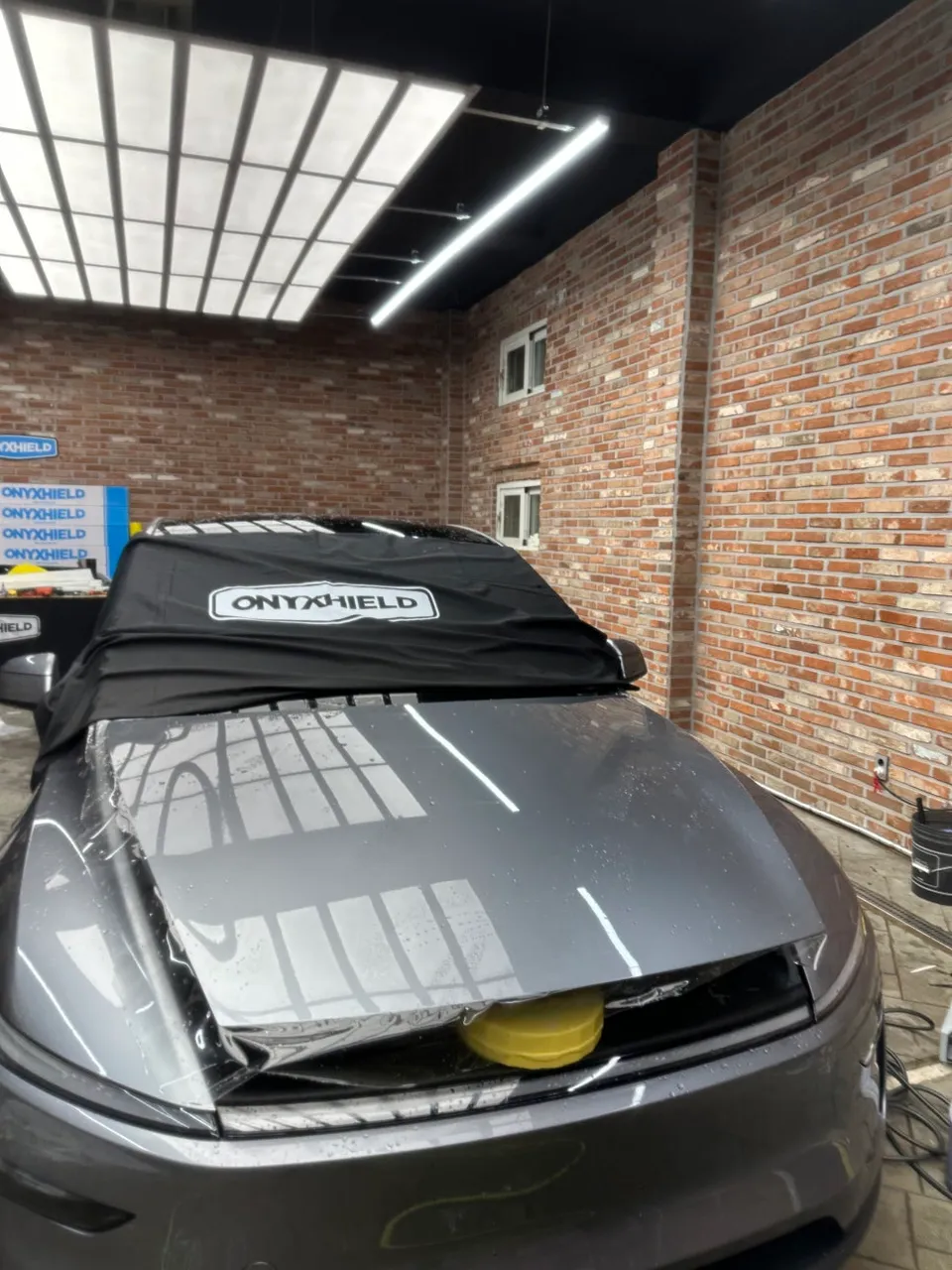
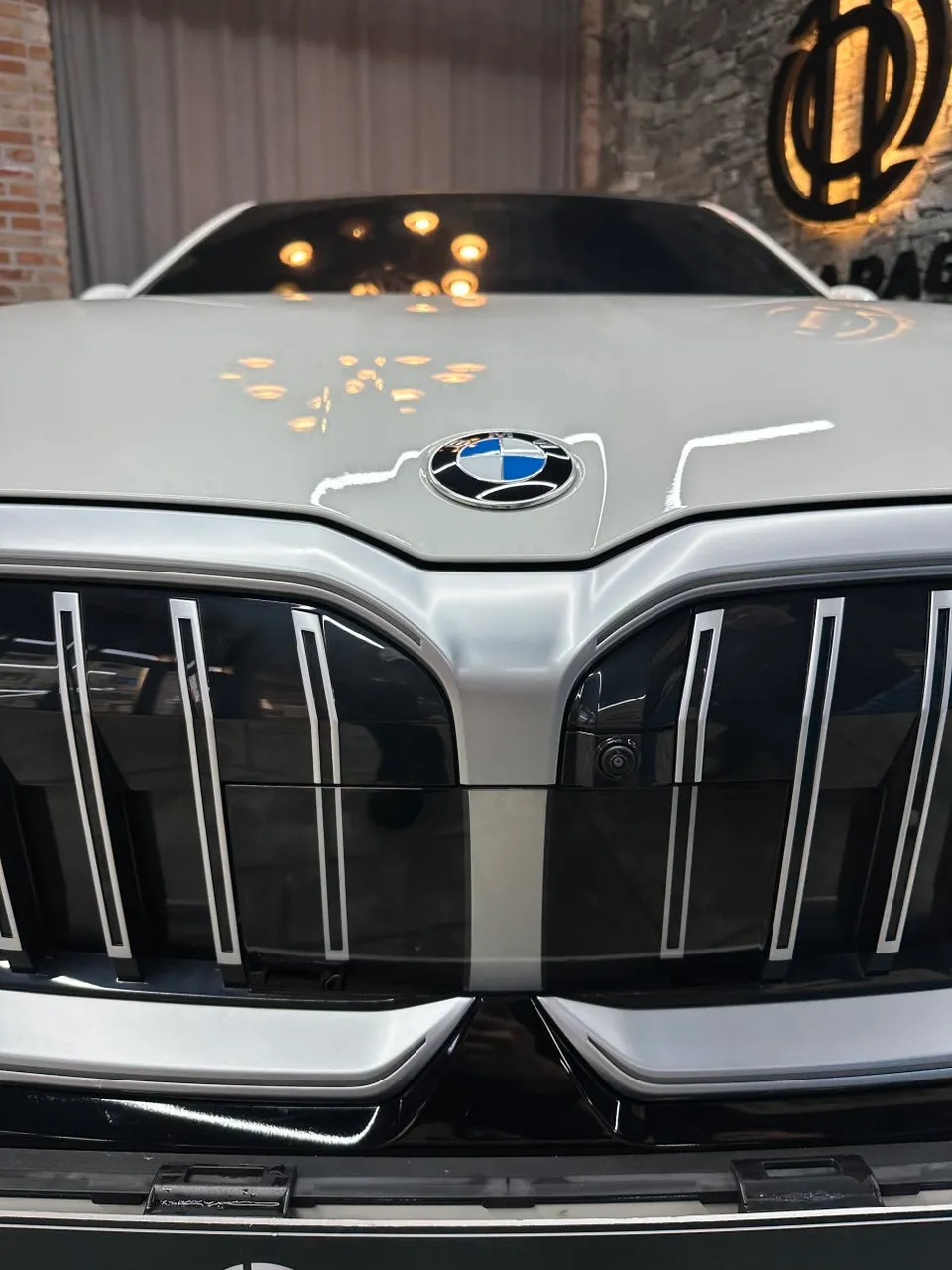
For ultimate protection against stone chips, scratches, and bug splatter, consider applying Paint Protection Film (PPF). This clear, durable film acts as a sacrificial layer, preserving your car's original paintwork. We've covered the benefits extensively in our PPF vs Ceramic Coating comparison. Depending on the coverage (full front end, or specific high-impact areas), PPF can range from $500 to $3,000+.
Ceramic Coating
A ceramic coating provides a hard, hydrophobic layer that protects against UV rays, chemical stains, and minor scratches. It also makes cleaning your car significantly easier. Prices for professional ceramic coating typically range from $700 to $2,500, depending on the vehicle size and the number of layers applied.
Window Tinting
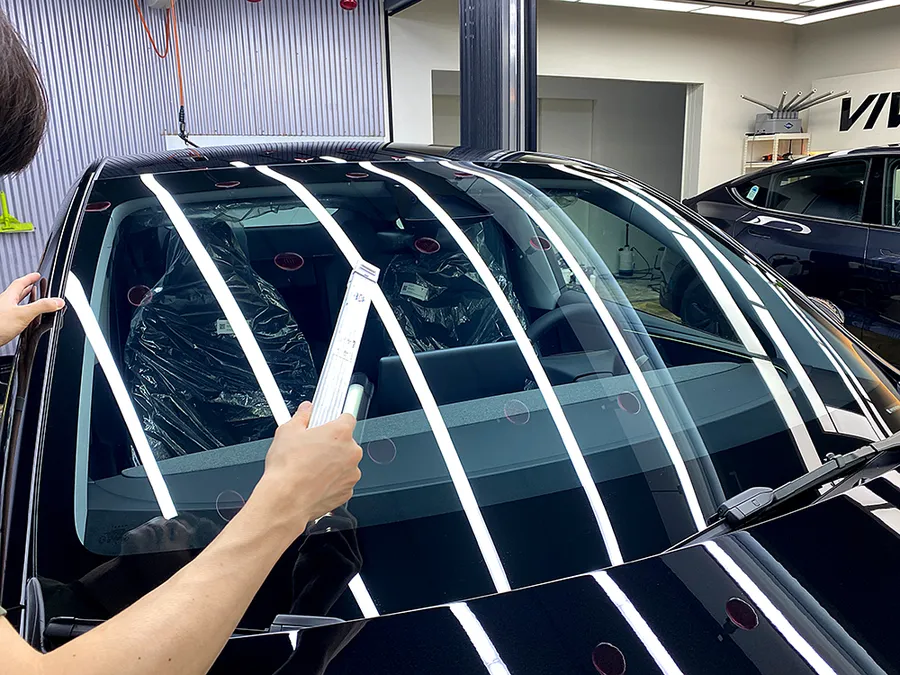
Window tinting not only enhances your car's aesthetics but also offers significant benefits for a road trip. It reduces glare, blocks harmful UV rays, and keeps the interior cooler, reducing the strain on your AC. Professional tinting can cost anywhere from $200 to $800, depending on the vehicle and the type of film used.

Interior and Emergency Preparedness
Don't forget the inside of your car and what you might need in an emergency. A well-organized interior and a prepared emergency kit can make a world of difference.
Clean and Organize
A clean car is a more enjoyable car. Before you pack, take time to:
- Vacuum and Wipe Down: Remove any trash, dust, and debris.
- Organize Storage: Use organizers for the glove compartment, center console, and trunk to keep essentials easily accessible.
- Check Upholstery: Address any spills or stains. Consider a professional interior detailing if needed.
Emergency Kit Essentials
Be prepared for the unexpected with a well-stocked emergency kit:
- First-aid kit
- Jumper cables
- Basic tool kit (screwdrivers, pliers, adjustable wrench)
- Tire pressure gauge and portable air compressor
- Flashlight with extra batteries
- Duct tape and zip ties
- Work gloves
- Reflective triangles or flares
- Water and non-perishable snacks
- Blankets
- Phone charger and portable power bank
- Any necessary medications
Documentation and Navigation
Ensuring you have the right paperwork and reliable navigation is crucial for a smooth journey.
Essential Documents
Keep these documents easily accessible:
- Driver's license
- Vehicle registration
- Proof of insurance
- Owner's manual
- Roadside assistance information
Navigation Tools
While GPS is standard in most modern cars, having backups is wise.
- GPS Device or Smartphone App: Ensure your maps are updated. Download offline maps for areas with spotty service.
- Physical Maps: A good old-fashioned road atlas can be a lifesaver if technology fails.
Pre-Trip Test Drive
Before you load up the car and set off, take your vehicle for a short test drive. This is your final chance to catch any lingering issues.
- Listen for Unusual Noises: Pay attention to any new sounds from the engine, suspension, or exhaust.
- Feel for Vibrations: Notice any unusual vibrations through the steering wheel or seats.
- Test All Systems: Briefly test the brakes, acceleration, and steering.
Seasonal Considerations for Your Road Trip Car Prep Checklist
The season in which you're traveling can significantly impact your road trip car prep checklist. What's crucial for a summer road trip might be different for a winter expedition.
Summer Road Trips
Summer brings heat, which can strain your car's cooling system and tires.
- Cooling System: Ensure coolant levels are optimal and the system is functioning correctly.
- Tire Pressure: Hot asphalt can increase tire pressure, so check and adjust accordingly.
- AC System: A well-functioning AC is a must.
- Sun Protection: Consider window tinting to keep the interior cool.
Winter Road Trips
Winter driving presents its own set of challenges, requiring specific preparations.
- Winter Tires: If you're traveling in snowy or icy conditions, consider fitting winter tires.
- Wiper Blades: Ensure they are in good condition and consider winter-specific blades that are less prone to freezing.
- Antifreeze: Check your antifreeze concentration to ensure it can withstand freezing temperatures.
- Emergency Kit: Add items like a snow shovel, sand or kitty litter for traction, and extra warm clothing.
- Check for Recalls: Especially important for winter driving, ensure your vehicle is up-to-date on any safety recalls.
When to Seek Professional Help
While this checklist covers many DIY checks, some tasks are best left to the professionals. If you're unsure about any aspect of your car's maintenance, or if you notice any concerning symptoms, don't hesitate to visit a trusted mechanic. This is especially true for brake inspections, suspension checks, and any engine-related diagnostics. For detailing and protection services like PPF or ceramic coating, seeking out reputable detailers is key to achieving the best results. Our OhCar Magazine features numerous reviews of high-quality detailing services and products.
Final Thoughts on Your Road Trip Car Prep Checklist
A comprehensive road trip car prep checklist is your best friend when planning an adventure on wheels. By systematically going through these checks, you're not just preparing your car; you're investing in your safety, comfort, and peace of mind. Remember, a little preparation goes a long way in ensuring your road trip is as enjoyable and memorable as you envision it to be. Safe travels!
Comments (2)
Nice list! Definitely gotta make sure the tint is legal before heading out on a long haul, especially with those California heat waves. And always double-check those tire pressures, can't be too careful.
This is a good list! We're heading to the Keys next month in the Tahoe, so I'll definitely be going through this. Gotta make sure those tires are good for all the humidity down there.

Explore Related Services on OhCar