FAQ: Summer Car Protection
1. How much does ceramic coating cost, and is it worth it for summer protection?
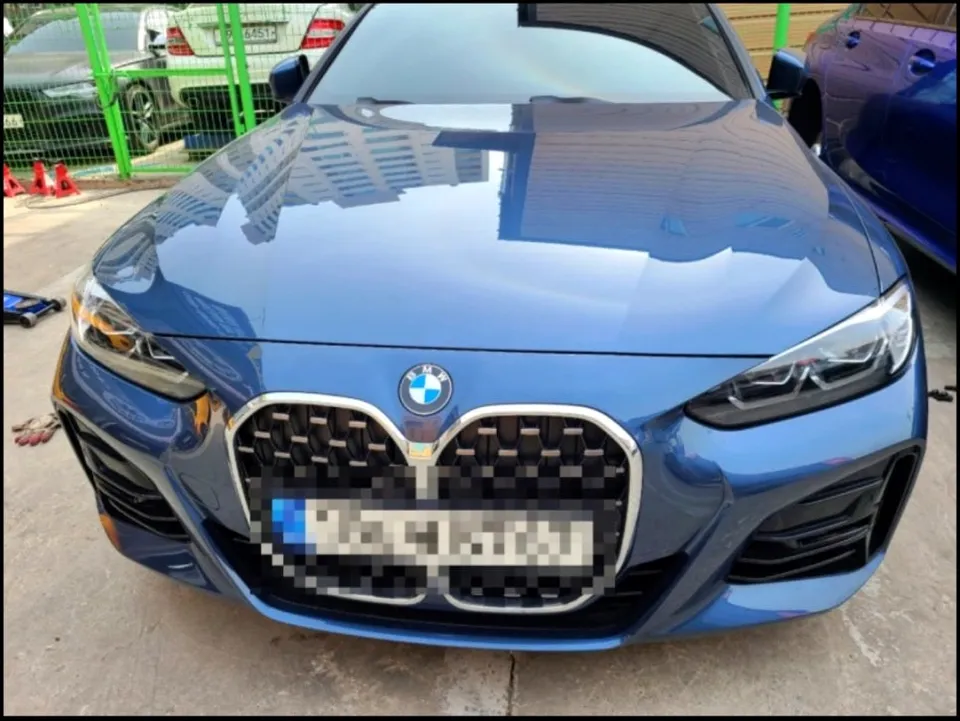
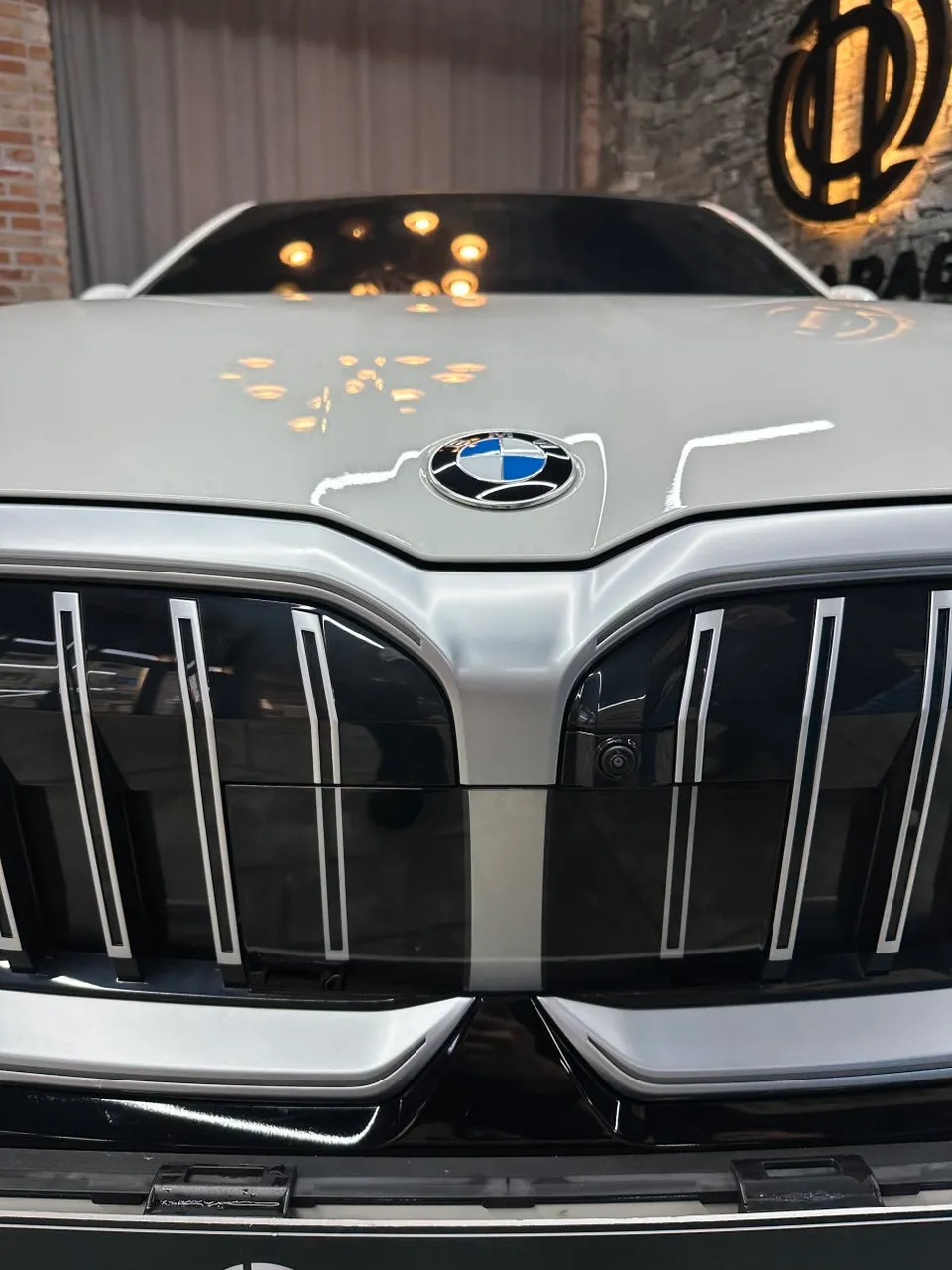
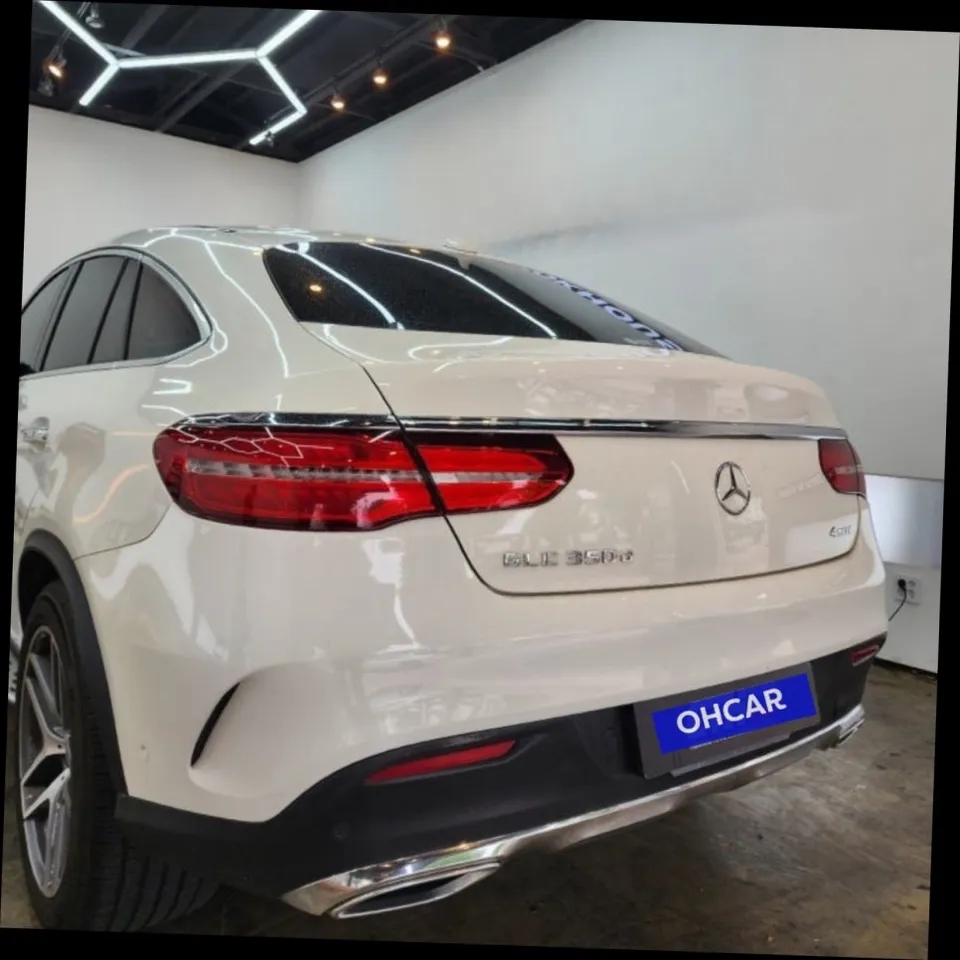
Ceramic coating costs typically range from $400 to $2,000 for full-vehicle application, depending on your vehicle's size and the coating quality. For a standard sedan, expect $600-$1,200. For luxury vehicles like Mercedes or BMW, professional-grade coatings run $1,200-$2,000.
The ROI is exceptional for summer protection specifically. A ceramic-coated car experiences 90-98% less UV damage compared to unprotected paint. Over a summer (3-4 months), this translates to preserved clear coat and gloss worth $2,000-$5,000 in resale value retention. If you own your vehicle for 5+ years (the typical durability of ceramic coating), one summer of protected use often covers the entire initial cost. We recommend ceramic coating as the single best investment for summer car protection.
2. What's the difference between ceramic coating and paint protection film for summer?
Ceramic coating is a liquid nanotechnology barrier that bonds to paint. It's excellent for UV protection, heat resistance, and maintaining gloss, but it doesn't provide physical protection from impact damage. Cost: $400-$2,000. Coverage: Entire vehicle easily. Best for: Long-term UV and environmental protection.
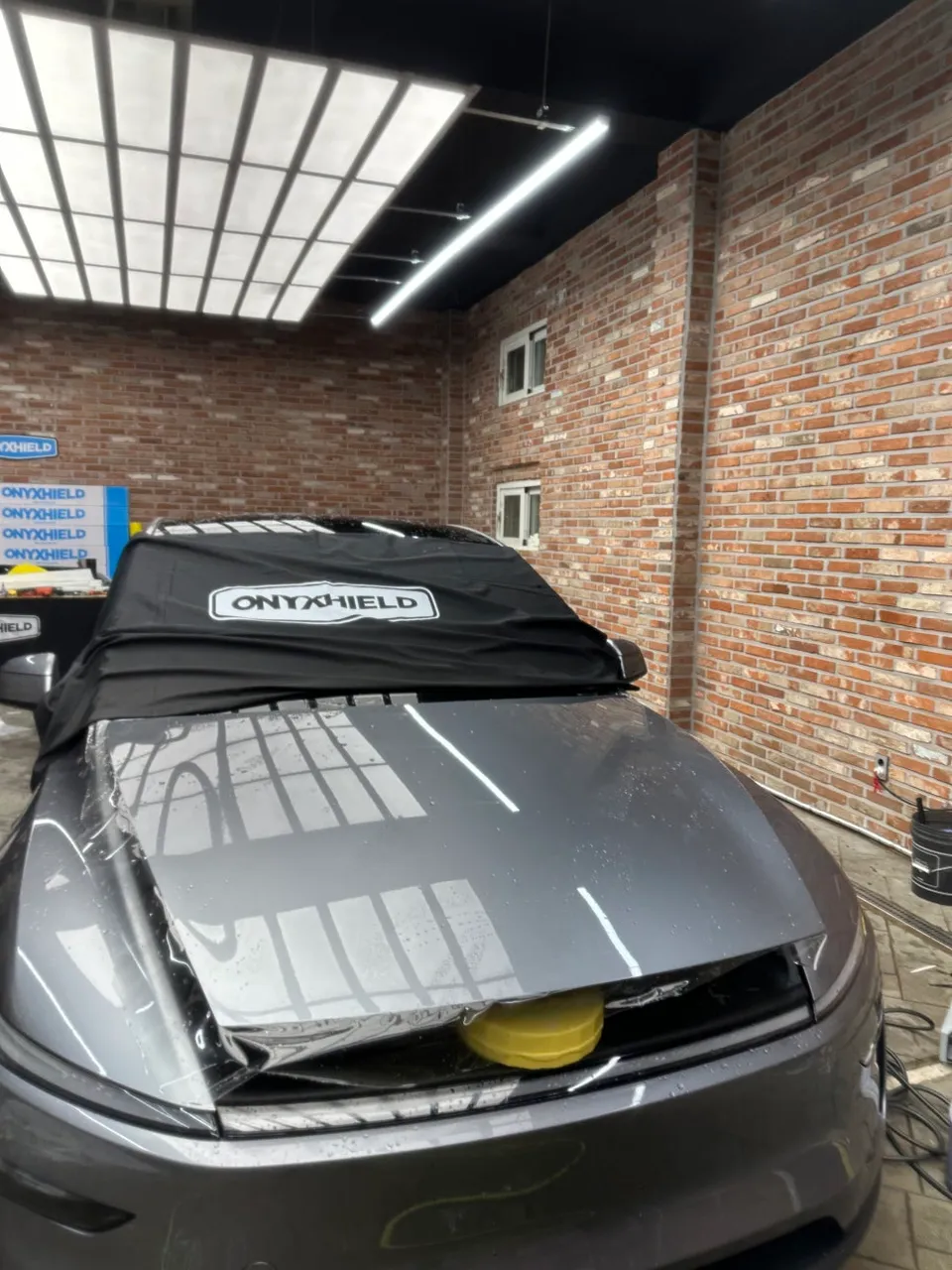
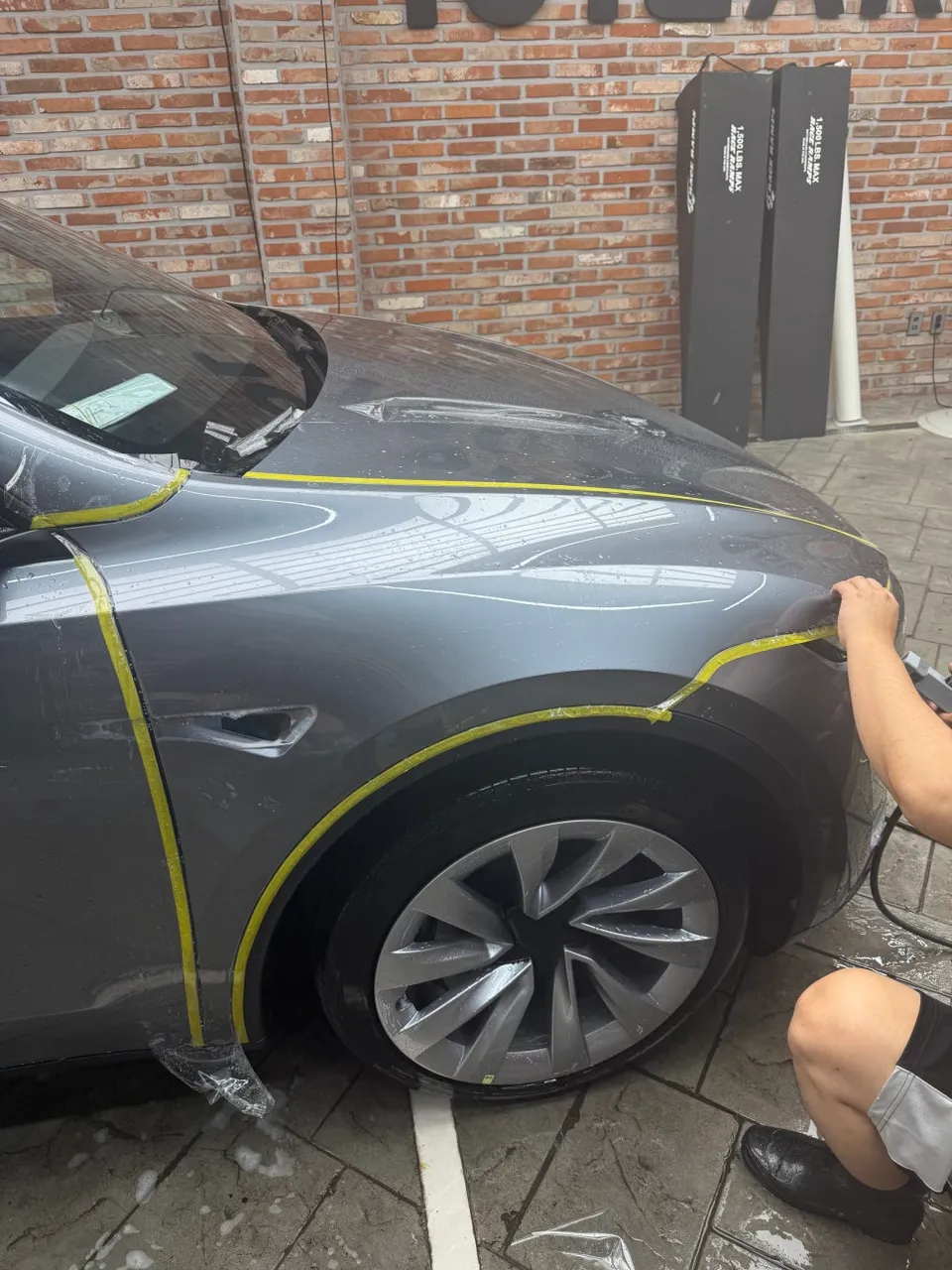
Paint protection film (PPF) is a clear, thermoplastic urethane film applied to the surface. It physically shields paint from bird droppings, tree sap, bug splatter, and minor scratches while offering self-healing properties in summer heat. Cost: $4,000-$10,000 for full coverage. Coverage: Typically front bumper, hood, fenders, door handles (high-impact areas). Best for: High-risk vehicles and those facing aggressive summer driving.
The smart strategy? Many luxury and sports car owners use both: PPF on the front (where summer driving causes the most damage) and ceramic coating over the entire vehicle (for consistent UV and heat protection). This hybrid approach costs $2,500-$5,000 depending on PPF coverage but provides maximum protection against summer's multiple threats.
3. Does window tinting actually help with summer car protection, or is it just cosmetic?
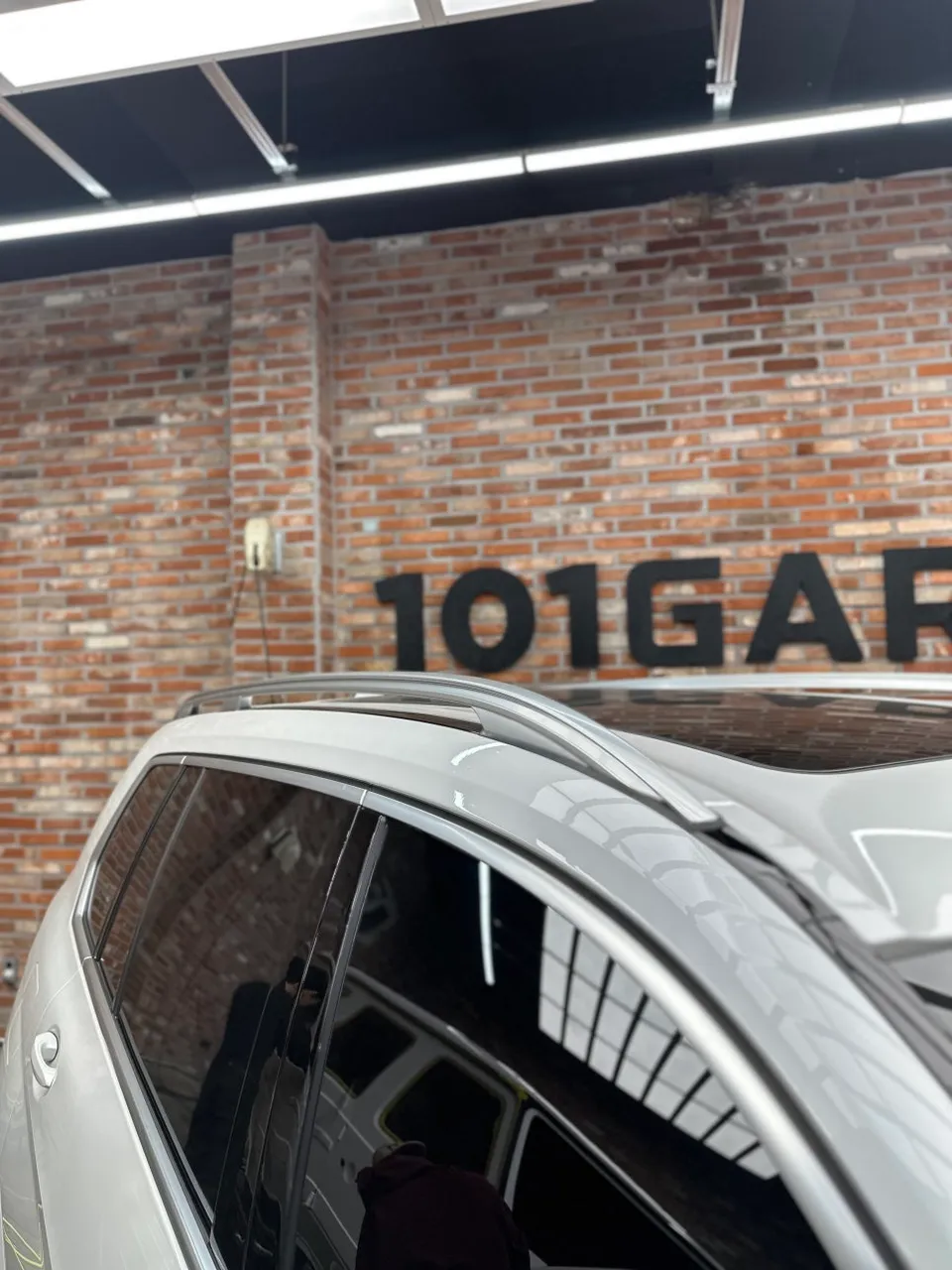
Window tinting is functional, not cosmetic—it's critical summer car protection. Quality automotive tint film blocks 99% of UV rays and typically 50-65% of infrared heat depending on the tint percentage (50% (medium) to 35% (darker) to 20% (very dark)).
Real benefits: Your cabin temperature drops 10-20 degrees on average, which means 15-30% reduction in AC demand and measurably less heat stress on electronics, leather, and plastic components. For a vehicle with premium leather seats or ambient lighting (common in Mercedes, BMW, and higher-trim Hyundai/Kia models), this protection prevents fade and deterioration worth $1,500-$4,000 in preserved interior condition.
The investment ($200-$700 for all windows) pays for itself in interior value retention within 1-2 years, especially in high-sun climates. It's among the best summer car protection investments per dollar spent.
4. What's the best time to apply ceramic coating or PPF for summer protection?
Apply in spring (April-May), not mid-summer. Here's why:
Ceramic coating requires 48-72 hours of cure time in controlled temperature (60-75°F) and low humidity. Summer heat (85-95°F) and humidity interfere with proper bonding. Mid-summer application often results in suboptimal performance. Spring preparation ensures full strength before peak summer heat arrives.
PPF application also requires controlled conditions for adhesive setting. Summer heat can cause edge-peeling and improper sealing. Spring installation ensures the film cures properly before facing summer's heat and UV intensity.
Window tinting can be done anytime, but spring is ideal for the same reasons—proper adhesive curing. Summer applications sometimes rush the process, potentially leading to bubble formation or peeling when heat stresses the film.
Pro tip: May is ideal. Weather is predictable, professionals aren't overbooked, and you get maximum protection duration for the approaching summer season.
5. How do I maintain ceramic coating and other summer protections during the hottest months?
Maintenance is essential to maximize your summer car protection investment:
Weekly washing: Summer heat accelerates contaminant bonding. Bird droppings, tree sap, and industrial fallout etch ceramic coating faster if left exposed. Rinse weekly with a pH-neutral car wash soap. Use the two-bucket method (one soapy, one rinse) to prevent swirl marks.
Immediate spot treatment: Bird droppings, tree sap, and bug splatter should be removed within 24 hours in summer. These contaminants bond permanently to paint within 2-3 days of hot weather. Keep detail spray and microfiber towels in your vehicle.
Shade parking: This is non-negotiable. Ceramic coating helps, but direct summer sun still accelerates UV degradation. Garage parking or shaded areas significantly extend protection lifespan.
Water spot prevention: Summer sprinkler systems and rain leave mineral deposits. Dry your vehicle after washing and after rain exposure, especially if your region has hard water.
Monthly water beading test: Drop water on your hood or windshield. It should bead up and roll off (if tinted, test on untinted glass). If water spreads and pools, coating is degrading and may need professional reapplication.
Avoid automatic car washes: Brushes and harsh chemicals degrade ceramic coating. Touchless washes or hand washing are essential during summer months.
AC and undercarriage care: Run AC regularly (even if not in the car) to prevent moisture buildup and mold. After beach trips or gravel drives, rinse the undercarriage to remove salt and minerals that accelerate rust under summer heat.