How to Remove Water Spots from Car Paint — 4 Proven Methods
How to Remove Water Spots from Car Paint — 4 Proven Methods
Water spots are one of those annoying details that can make an otherwise clean car look neglected. Whether you're driving a pristine Mercedes-Benz, a sporty BMW, or a reliable Hyundai, knowing how to remove water spots is essential for maintaining your vehicle's appearance and protecting its long-term finish. In this comprehensive guide, we'll walk you through four proven methods that range from simple DIY solutions to professional-grade techniques.
Water spots form when minerals in water (calcium, magnesium, and silica) are left behind after the water evaporates. They're particularly common after rain, car washes, or sprinkler overspray, and they can etch into your clear coat if left untreated. The good news? They're totally removable—and we'll show you exactly how.
Understanding Water Spots: Why They Form and Why They Matter
Before we dive into removal methods, it's worth understanding what you're dealing with. Water spots come in two varieties: mineral deposits (alkaline) and acidic etching (more permanent). Mineral deposits sit on top of your paint and are easier to remove. Acidic spots, typically from bird droppings or tree sap mixed with water, actually penetrate the clear coat and require more aggressive treatment.
The reason this matters goes beyond aesthetics. When water spots are left to sit for extended periods, they can bond with your clear coat and become increasingly difficult to remove. This is especially true on premium vehicles like the Mercedes-Benz CLS or BMW i7 G70, where owners invest heavily in paint protection.
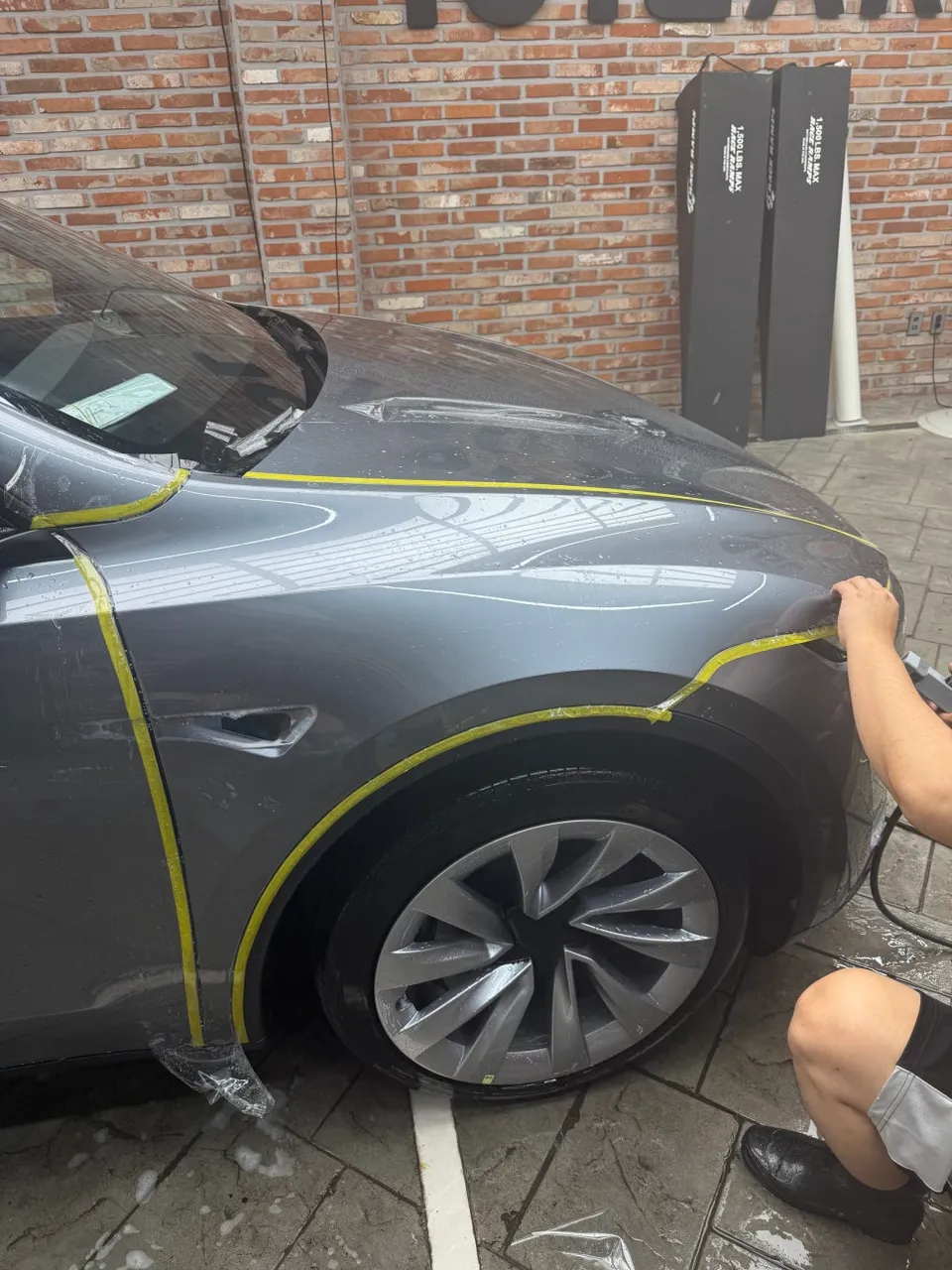
If you're driving a newer vehicle, you might already have some protection in place. However, even cars with ceramic coating or paint protection film (PPF) can develop water spots on glass or in areas where protection doesn't extend. That's why knowing your removal options is valuable regardless of your vehicle's current condition.