Porsche 911 Ceramic Coating Durability After Rain Season
The iconic Porsche 911, a masterpiece of engineering and design, deserves the utmost protection. As the rain season subsides, many owners ponder the Porsche 911 ceramic coating durability after rain season. This isn't just about aesthetics; it's about safeguarding your investment against the harsh realities of weather, road grime, and environmental contaminants. At OhCar Magazine, we delve into how ceramic coatings fare after enduring months of relentless downpours, and what you can expect for your prized possession.
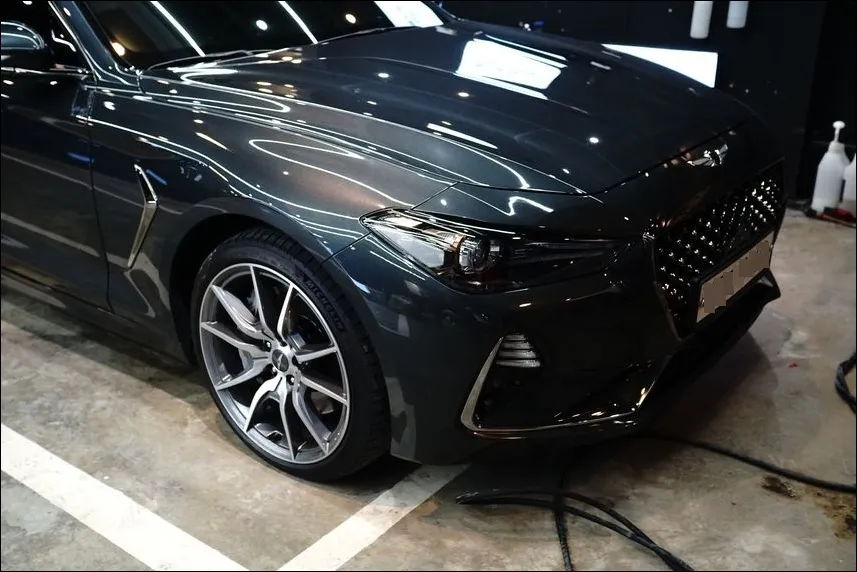
Assessing Porsche 911 Ceramic Coating Durability After Rain Season
When we talk about Porsche 911 ceramic coating durability after rain season, we're examining how well this advanced protective layer has held up. Ceramic coatings, often lauded for their hydrophobic properties and long-lasting shine, are put to the ultimate test during periods of heavy rain, snow, and the associated road salt and debris. The true measure of a quality ceramic coating isn't just its initial gloss, but its resilience over time, especially when exposed to the elements.
We've seen a growing trend in owners opting for ceramic coatings on their high-performance vehicles like the Porsche 911. This decision is driven by the desire to maintain that showroom finish, even after enduring the challenges of a typical North American rain season. The hydrophobic nature of ceramic coatings means water should bead and roll off, taking dirt and grime with it. But does this hold true after months of constant exposure?
The Science Behind Ceramic Coating Resilience
Ceramic coatings, typically a liquid polymer applied to the exterior of a vehicle, chemically bond with the factory paint, creating a semi-permanent layer of protection. This layer is significantly harder and more durable than traditional waxes or sealants. The key components, often silicon dioxide (SiO2) or titanium dioxide (TiO2), form a strong, glassy shield. This shield is designed to resist UV rays, chemical stains, etching from bird droppings, and, crucially, water and dirt.
During the rain season, the coating is constantly bombarded by water, which, while seemingly benign, can carry dissolved minerals, pollutants, and acidic compounds. Road salt, a common winter and rainy season adversary, is particularly corrosive. A high-quality ceramic coating should effectively create a barrier, preventing these contaminants from reaching and damaging the clear coat beneath. The hydrophobic effect is paramount here; as water beads up, it has less surface area to adhere to, and the rolling action helps to carry away loose dirt.

Factors Influencing Durability
Several factors can influence the Porsche 911 ceramic coating durability after rain season:
- Quality of the Coating: Not all ceramic coatings are created equal. Professional-grade coatings, often applied by certified detailers, tend to be thicker and more durable than DIY kits.
- Proper Application: The success of a ceramic coating hinges on meticulous preparation. This includes thorough paint correction to remove imperfections and ensure a clean, smooth surface for the coating to bond to. Improperly applied coatings can be prone to premature failure.
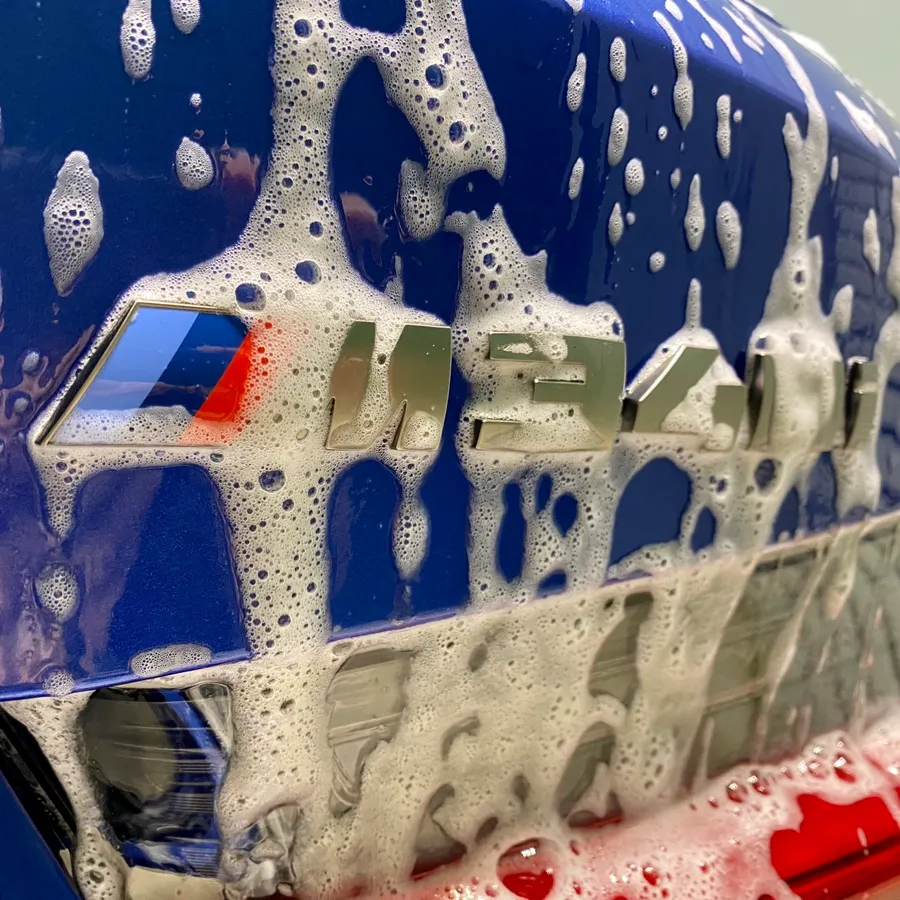
- Vehicle Maintenance: Even with a ceramic coating, regular washing is essential. Neglecting to wash the car can allow contaminants to build up, potentially overwhelming the coating's protective capabilities over time. We've covered various washing techniques in our ceramic coating reviews.
- Environmental Conditions: The severity of the rain season, the amount of road salt used, and exposure to industrial fallout can all impact the coating's longevity.
- Driving Habits: Frequent driving on heavily salted or dirty roads will naturally put more stress on the coating than gentle weekend drives.
Signs of Coating Degradation
After a challenging rain season, you might notice a few signs that your ceramic coating is starting to degrade:
- Reduced Hydrophobicity: Water no longer beads up as effectively. Instead, it may start to sheet or leave water spots.
- Increased Swirl Marks and Scratches: While ceramic coatings offer some scratch resistance, they are not impervious. If you notice more minor scratches appearing after washing, the coating might be wearing thin.
- Difficulty in Cleaning: If dirt and grime seem to be sticking more stubbornly to the paint, it's a sign the protective layer is compromised.
- Dullness or Loss of Gloss: The deep, glossy shine that ceramic coatings provide may start to fade.