Audi Q7 Seat Climate Upgrade Review & Cost
Service Price
$40–80
Estimated price · Actual price may vary by shop
Before
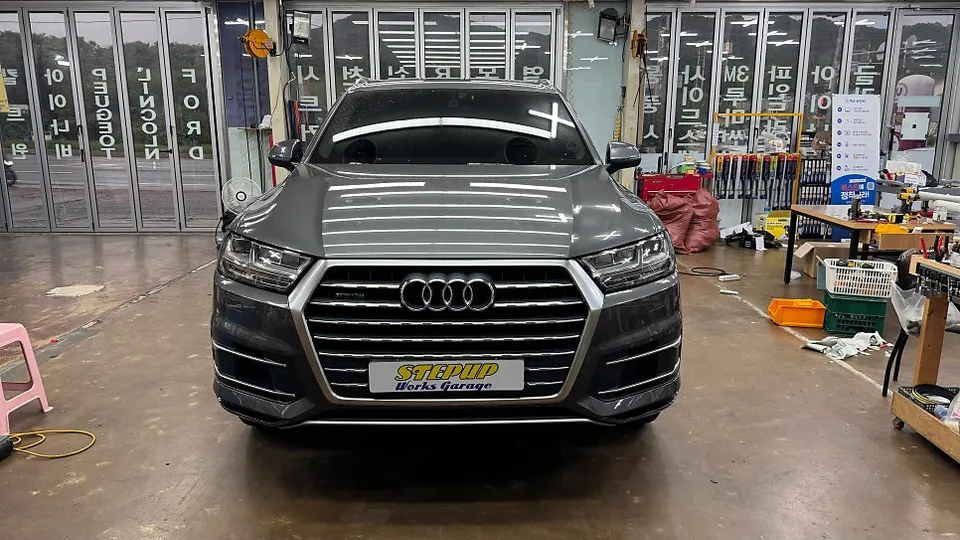
After
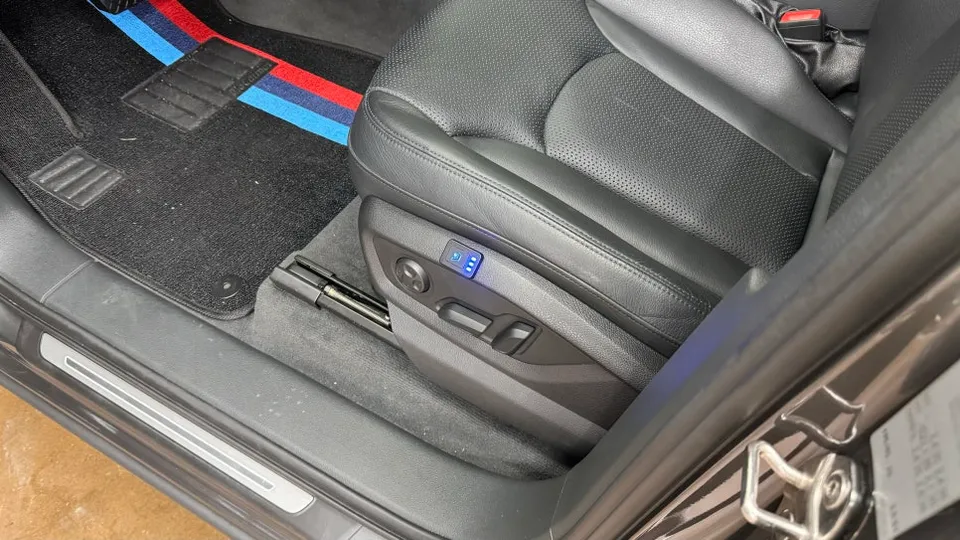
Process photos
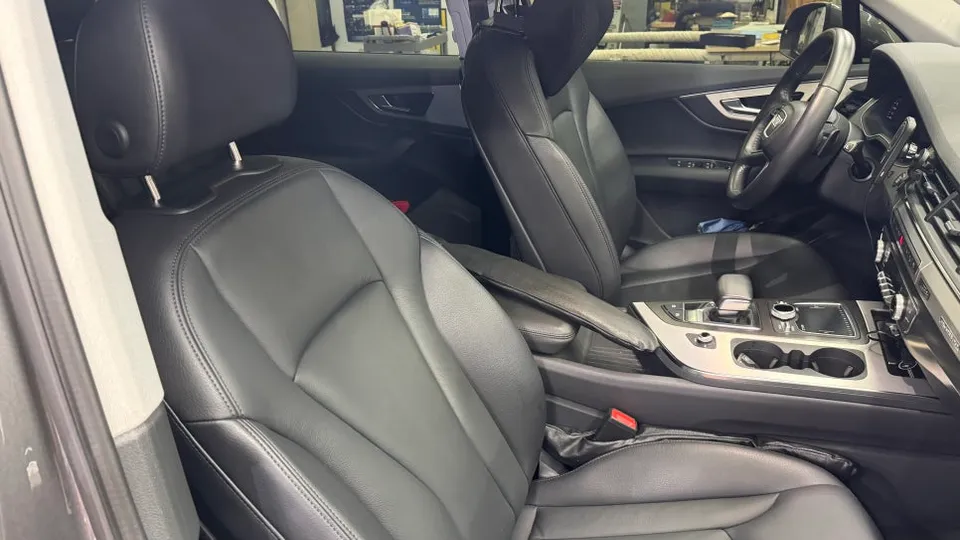
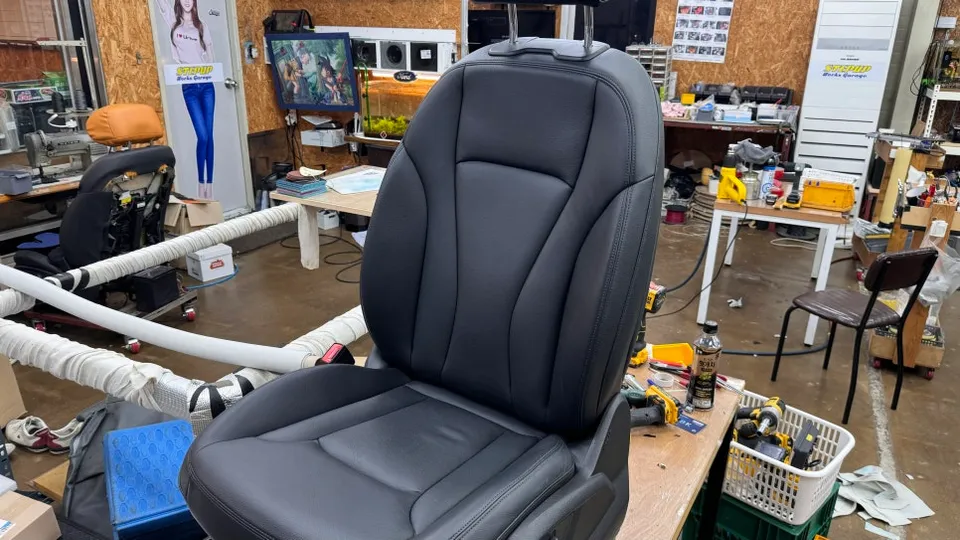
Audi Q7 seat climate upgrade: Approx. $220-$440. Enhances comfort year-round by circulating air for cooling and providing heat.
Audi Q7 Seat Ventilation & Heating: A Summer Essential?
For Audi Q7 owners in warmer climates, the thought of sweltering seats during summer drives is a common concern. This review delves into the practicalities of retrofitting seat ventilation and heating systems, drawing from real-world experiences and installation insights. While the original context for this information comes from South Korea, the principles and benefits of a seat climate upgrade are universal for enhancing driving comfort. We'll explore the installation process, expected outcomes, and help you decide if this upgrade is worth the investment for your Q7.
Understanding Seat Ventilation & Heating Functionality
The primary goal of a seat ventilation system is to combat the discomfort of a hot car interior. Unlike systems that actively cool or heat the seat material itself, most aftermarket and even some OEM setups work by circulating air. Fans integrated into the seat base and backrest draw in ambient air (or conditioned air from the cabin) and push it through perforations in the seat upholstery. This airflow helps to dissipate heat and moisture from your back and thighs, creating a sensation akin to sitting on a cool marble surface. Similarly, heated seats use resistive elements to generate warmth, a welcome feature for colder months. The effectiveness hinges on proper installation and the quality of the components used. A well-executed installation ensures consistent airflow and reliable heating, significantly improving long-drive comfort and reducing fatigue.
Audi Q7 Seat Ventilation & Heating Installation Process
The installation of a seat ventilation and heating system in an Audi Q7 is a detailed process that requires careful attention to preserve the integrity of your vehicle's interior. While specific procedures can vary slightly between installers and the chosen kit, the general steps are as follows:
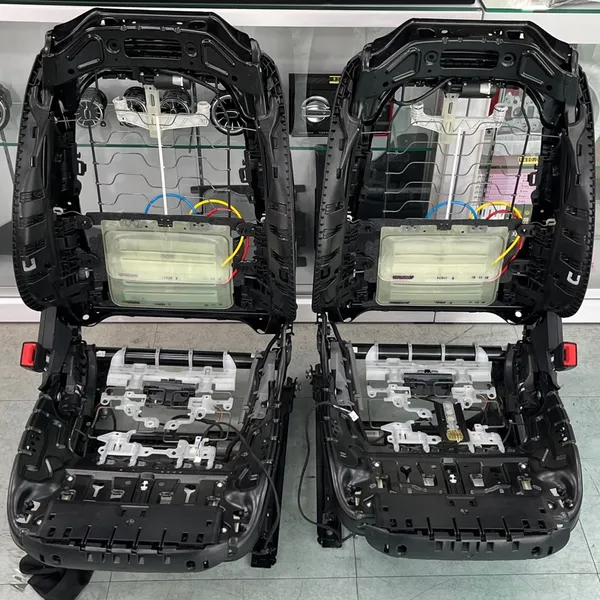
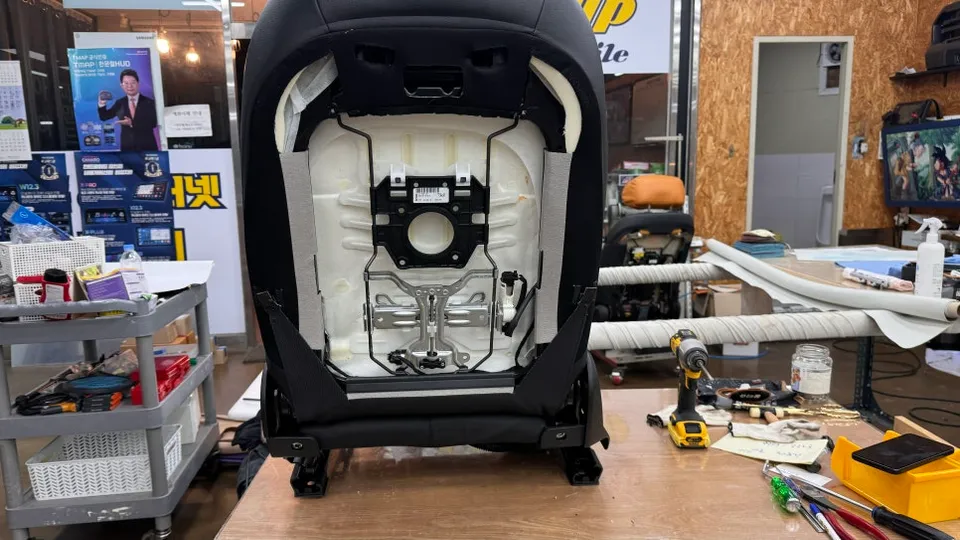
- Seat Disassembly: The technician will carefully remove the seat covers (upholstery) from the seat base and backrest.
- Component Integration: Ventilation fans, ducting, and heating elements are strategically placed within the seat structure. Wiring harnesses are run discreetly to connect these components to the vehicle's power and control systems.
- Control Integration: New buttons or switches for operating the ventilation and heating functions are installed in an accessible and ergonomic location, often near the existing seat controls or on the dashboard.
- Reassembly and Testing: The seat covers are meticulously reinstalled, and all electrical connections are secured. The system is then thoroughly tested to ensure all functions operate correctly and safely.
The entire process typically takes between half a day to a full day, depending on the complexity of the system and the specific Q7 model year. Transparency regarding the installation location is important; this particular service information originates from installations performed in South Korea, where costs are typically in the range of 300,000 to 600,000 KRW (approximately $220-$440 USD, subject to exchange rates). It's crucial to find a reputable installer in your region who guarantees their work and offers reliable after-sales support.
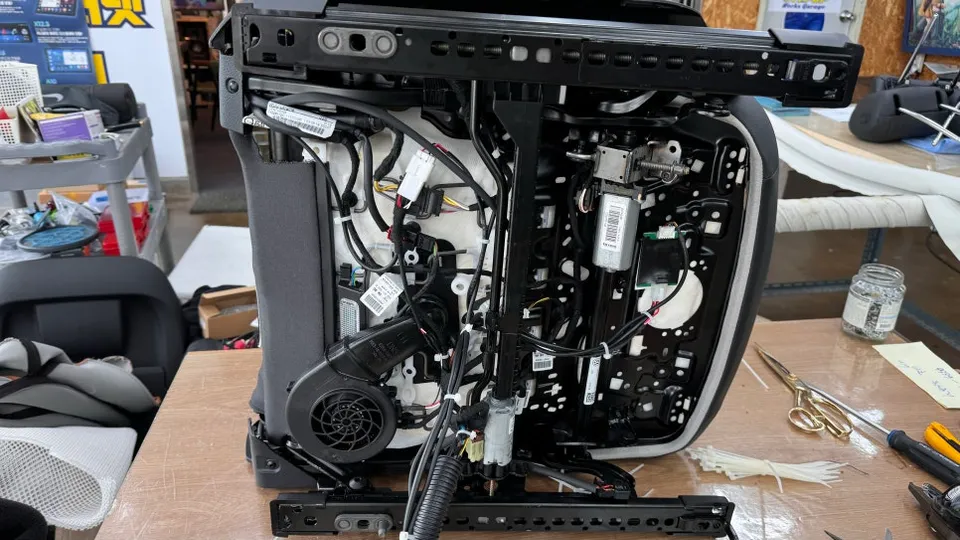
Is a Seat Climate Upgrade Worth It for Your Audi Q7?
Deciding whether to invest in ventilated and heated seats for your Audi Q7 involves weighing the benefits against the cost and potential risks. The primary advantage is a significant boost in driving comfort, especially during extreme weather conditions. For those who frequently experience long commutes or live in areas with hot summers or cold winters, the added comfort can be invaluable. It can help reduce sweat-related discomfort in the summer and provide much-needed warmth in the winter, making every drive more pleasant. While some Audi Q7 owners have noted that factory-installed ventilation systems might not always meet expectations, well-executed aftermarket solutions can offer excellent performance. The key lies in choosing a reputable installer and a quality system that comes with a warranty. The durability of these systems is generally good with proper installation and care, often lasting many years. Regular maintenance is minimal, usually involving keeping the seat perforations clear of debris.
Frequently Asked Questions
Q. How much does ventilated seat installation cost for a Audi Q7?
In South Korea, installations typically range from 300,000 to 600,000 KRW (approx. $220-$440 USD). In the US, expect costs to be between $400-$800 for a professional retrofit.
Q. How long does seat ventilation installation take on a Audi Q7?
Installation usually takes between half a day to a full day. With proper care, these systems are designed for durability and can last for many years.
Q. Are aftermarket ventilated seats worth it for a Audi Q7?
Yes, aftermarket ventilated seats are often worth it for Audi Q7 owners seeking enhanced comfort, especially if factory options were lacking. They provide significant relief from heat and moisture during summer drives.
Q. How are ventilated seats installed in a Audi Q7?
Installation involves disassembling the seat upholstery, integrating fans and ducting within the seat structure, running wiring, and installing control buttons. The seat covers are then reinstalled, and the system is tested.
Q. What is the difference between OEM and aftermarket ventilated seats for a Audi Q7?
Some Audi Q7 owners find OEM ventilation systems less effective, possibly due to airflow design. Verified aftermarket systems can offer comparable or superior performance with professional installation.
OhCar Partner Shop