Mercedes-Benz E-Class Ventilated Seat Upgrade Review
Service Price
$40–80
Estimated price · Actual price may vary by shop
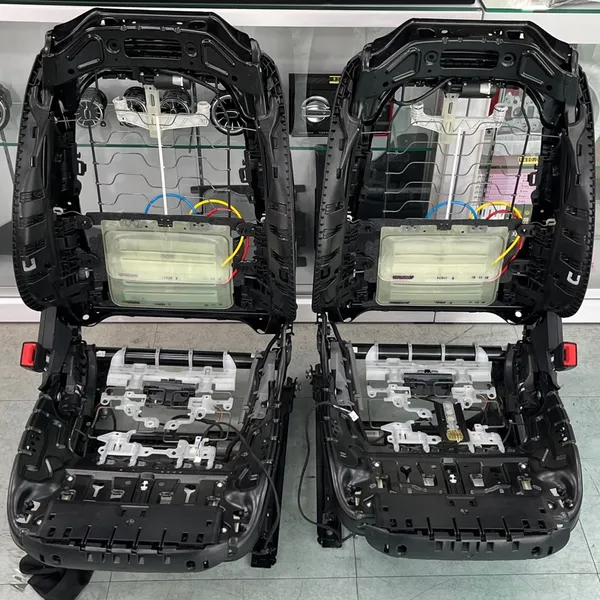
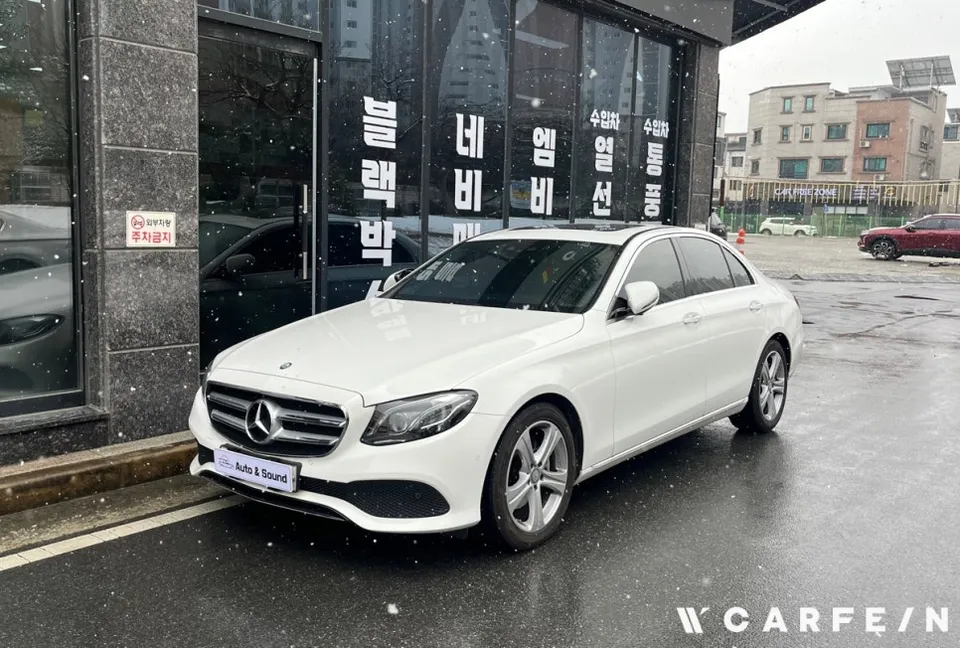
Mercedes-Benz E-Class seat ventilation retrofit: Enhances comfort in hot weather. Installation takes ~3-4 hours.
Beat the Heat: Adding Seat Ventilation to Your Mercedes-Benz E-Class
For Mercedes-Benz E-Class owners, especially those in warmer climates, the absence of factory-installed ventilated seats can be a significant comfort issue. The luxurious leather upholstery, while premium, can become uncomfortably hot during summer months, making even short drives unpleasant. This review explores the process and benefits of retrofitting seat ventilation and heating systems into a Mercedes-Benz E-Class, transforming the driving experience.
The Need for Seat Climate Control
As temperatures rise, the demand for seat ventilation solutions surges. High-end vehicles like the E-Class, often equipped with plush leather seats, are particularly susceptible to retaining heat. This can lead to discomfort during commutes and long journeys. Ventilated seats are more than just a luxury; they are a crucial component for enhancing driver comfort, reducing fatigue, and improving the overall enjoyment of your vehicle. For many E-Class owners, this upgrade addresses a noticeable gap in the car's comfort features.
Retrofitting Seat Ventilation: The Installation Process
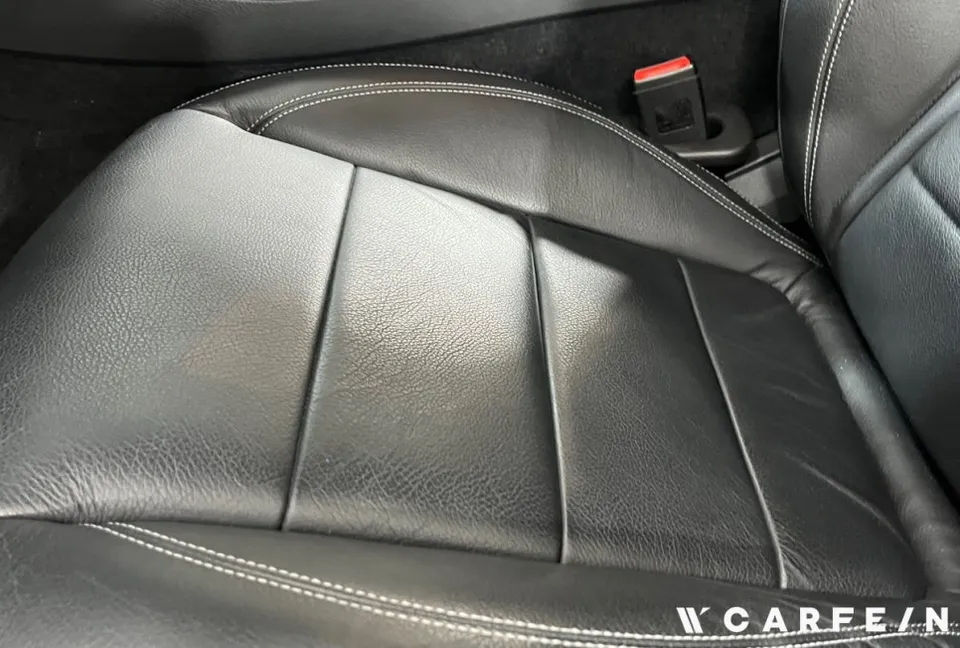
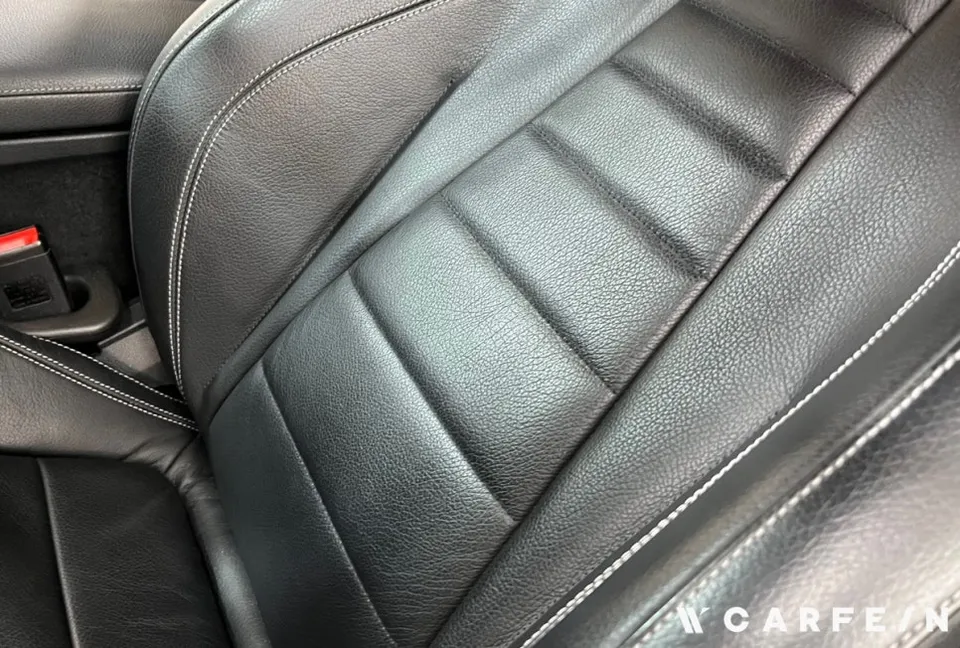
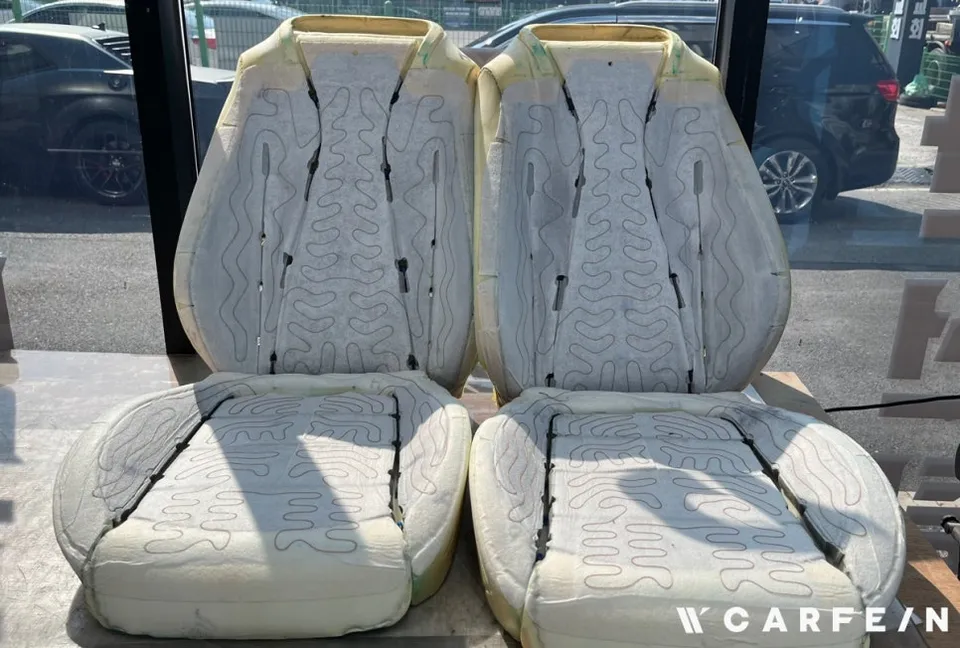
Installing a seat ventilation and heating system is a precise job requiring specialized skills. The process typically involves carefully disassembling the seat to access the internal structure. Specialized ventilation modules and fans are then strategically placed within the seat's foam and padding. It's crucial that this is done without compromising the seat's original cushioning or structural integrity. Wiring must be meticulously integrated with the vehicle's existing electrical system, ensuring no interference with original wiring harnesses. The original leather upholstery is often replaced with perforated leather on the seating surfaces to allow for effective airflow.
Installation Process:
- Seat disassembly to access internal padding and structure.
- Installation of ventilation fans and control modules within the seat base and backrest.
- Integration of wiring harnesses with the vehicle's power system.
- Replacement of seat surface leather with perforated material for optimal airflow.
- Reassembly and comprehensive testing of all functions.
Before and After: A Transformed Driving Experience
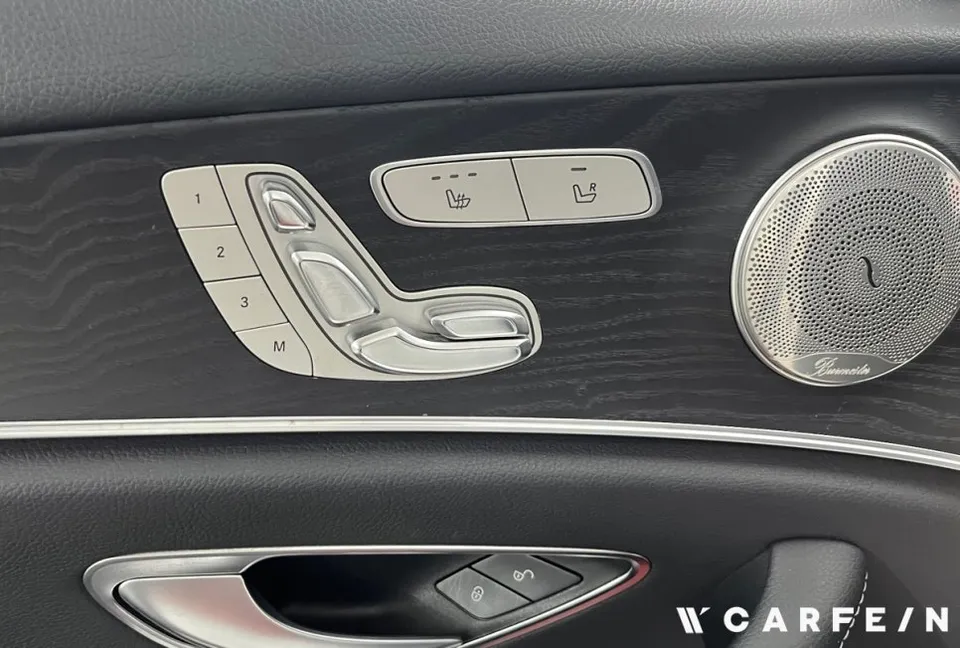
The most striking change after the installation is the immediate comfort provided by the new ventilation system. New buttons, often integrated seamlessly near the existing climate controls, allow for easy adjustment of the fan speed across multiple levels (typically three). The perforated leather not only facilitates airflow but also gives the seats a refreshed, modern appearance. The difference is stark: what was once a hot, sticky seat becomes a cool, comfortable perch, even on the hottest days. This upgrade significantly enhances the luxury feel and practicality of the Mercedes-Benz E-Class.
Durability, Maintenance, and Making the Decision
When considering aftermarket seat climate upgrades, the quality of components and the expertise of the installer are paramount. Poorly installed systems can lead to premature wear, noise issues, or even damage to the seat's electronics. Reputable installers use high-quality fans and wiring, ensuring the system's longevity. Maintenance is generally minimal, usually involving keeping the seat perforations clear of debris. The decision to retrofit ventilated seats often comes down to individual comfort needs and budget. While the original Korean context mentions costs starting around the low 300,000 KRW range (approximately $250-$300 USD, though actual US pricing can vary significantly based on shop and components), the value lies in the dramatically improved comfort, especially for those who frequently drive in hot weather or spend long hours in their car. The installation typically takes around 3-4 hours.
Frequently Asked Questions
Q. How much does ventilated seat installation cost for a Mercedes-Benz E-Class?
In Korea, the cost for this service starts around 300,000 KRW (approx. $250 USD), but actual installation costs in the US can range from $400 to $800 or more depending on the shop and components used.
Q. How long does seat ventilation installation take on a Mercedes-Benz E-Class?
The installation process typically takes about 3 to 4 hours to complete. Proper installation ensures the durability of the system and prevents issues like noise or reduced seat longevity.
Q. Are aftermarket ventilated seats worth it for a Mercedes-Benz E-Class?
Yes, aftermarket ventilated seats are highly recommended for Mercedes-Benz E-Class owners who frequently experience hot weather, as they significantly improve driving comfort and reduce fatigue. The value is in the enhanced comfort and luxury feel they provide.
Q. How are ventilated seats installed in a Mercedes-Benz E-Class?
Installation involves carefully disassembling the seat, integrating ventilation fans and modules, connecting wiring to the vehicle's system, and often replacing the seat surface with perforated leather for optimal airflow. Finally, the seat is reassembled and tested.
Q. What is the difference between OEM and aftermarket ventilated seats for a Mercedes-Benz E-Class?
OEM ventilated seats are factory-integrated systems, while aftermarket options are retrofitted post-purchase. Aftermarket installations can offer comparable comfort and functionality, often at a lower cost, but professional installation is key for optimal results.
OhCar Partner Shop