BMW 3 Series Seat Climate Upgrade Review
Service Price
$under approx. $400
Estimated price · Actual price may vary by shop
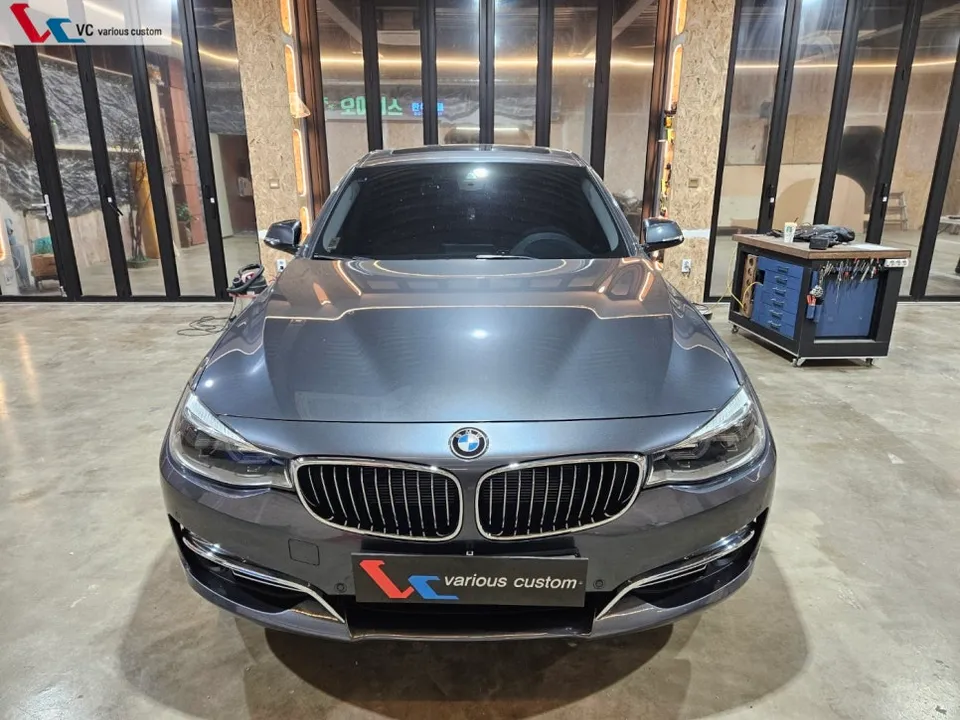
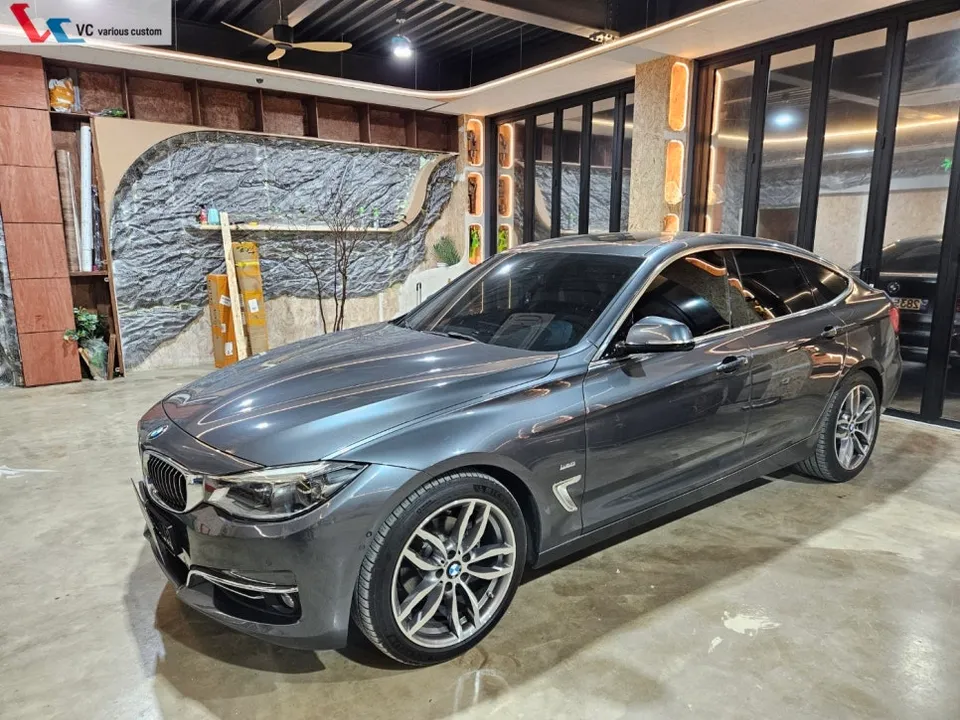
BMW 3 Series seat ventilation & heating retrofit starts around ₩300,000 (approx. $220 USD). Enjoy enhanced comfort with custom fan placement.
Upgrade Your BMW 3 Series with Seat Climate Control
Are you tired of sticky summer drives or chilly winter commutes in your BMW 3 Series? The desire for a more comfortable cabin environment, especially during long journeys, is a common concern for many drivers. This review delves into the specifics of retrofitting seat ventilation and heating systems, exploring the installation process, potential costs, and the tangible benefits you can expect. We'll cover how this upgrade can transform your driving experience, making every trip more pleasant regardless of the weather outside.
Seat Ventilation & Heating Installation and Cost Breakdown
The installation of a seat ventilation and heating system for a BMW 3 Series typically begins in the 300,000 Korean Won range (approximately $220 USD), though the final price can fluctuate. Factors influencing the cost include the number and placement of fans, whether you opt for leather replacement, and the specific features included in the kit. The entire process usually takes about 3 to 4 hours to complete. The core of this upgrade involves utilizing your existing seat structure while integrating new climate control elements. This method ensures a seamless look and feel, preserving the original comfort and aesthetics of your BMW's interior. For those seeking a personalized touch, options to replace the existing leather with custom materials are also available, allowing you to tailor the seats to your specific preferences.
While your car's air conditioning cools the front of your body, ventilated seats actively combat sweat buildup on your back and bottom, providing immediate relief and a consistently dry feel. The systems offer multi-stage adjustments, allowing you to adapt to changing temperatures and maintain optimal comfort. This upgrade is particularly beneficial for drivers who spend extended periods behind the wheel, transforming potentially uncomfortable journeys into a more relaxed and enjoyable experience.
Installation Process:
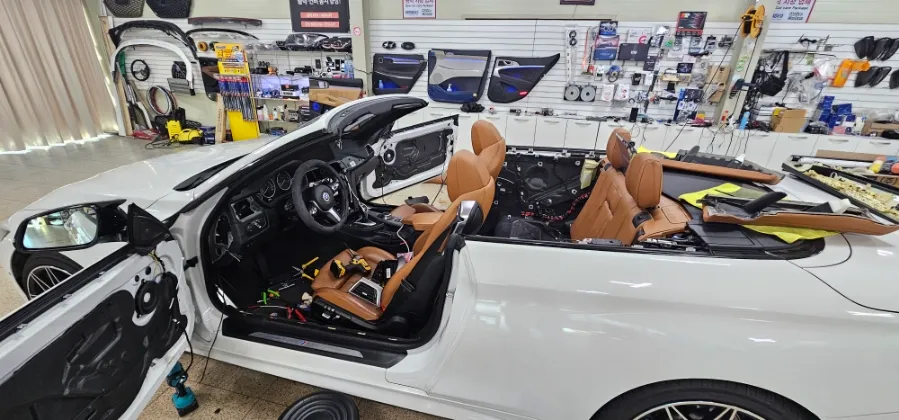
- The process begins with carefully disassembling the original seat covers to access the internal structure.
- High-quality, slim aluminum fans are strategically placed within the seat base and backrest for optimal airflow.
- A back cover air duct is often installed to enhance cooling to the back area, crucial for maximizing comfort.
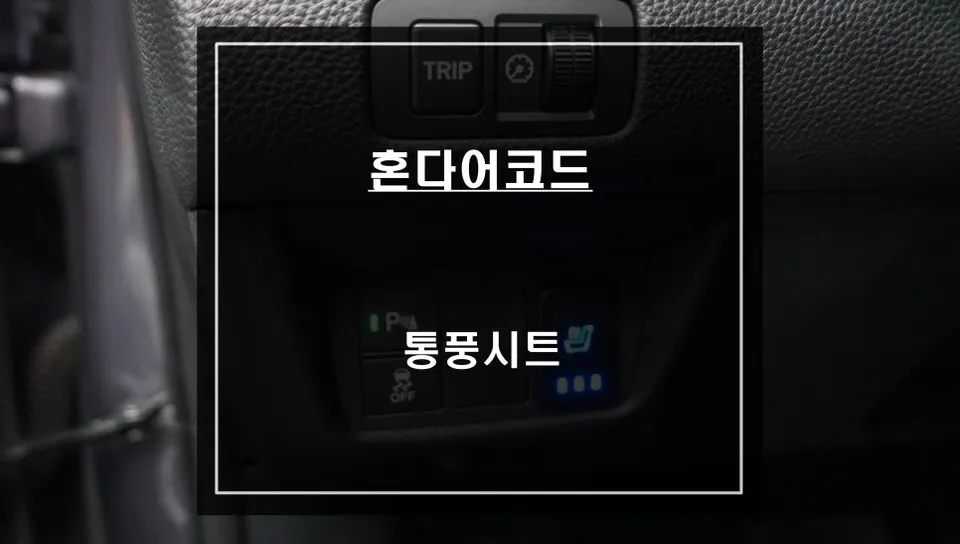
- A digital switch is integrated, typically near the seat base or a preferred location, for easy operation.
- The seat is then reassembled, ensuring all components are securely fitted and the original seat contours are maintained.
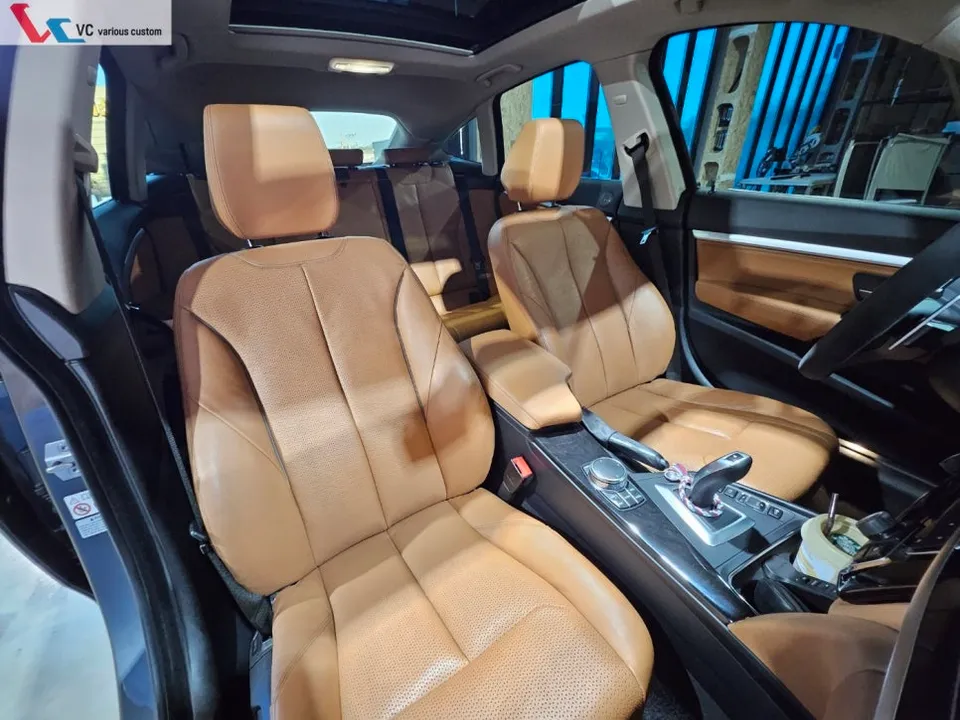
Maximizing Cooling with Advanced Fan Technology
The effectiveness of any ventilated seat system hinges on the quality and placement of its fans. This installation utilizes custom-made aluminum fans, chosen for their slim profile and robust durability. These fans are meticulously positioned within the seat's internal framework to avoid interference with other components and ensure maximum airflow distribution. Depending on your preference, you can choose to install anywhere from four to twelve fans, targeting specific areas for personalized comfort. This flexibility allows for a highly customized cooling experience tailored to individual needs.
To further enhance the cooling sensation, especially for the backrest, the integration of a back cover air duct is a key feature. This component is designed to efficiently channel cool air into the often-congested back area of the seat, significantly improving the overall ventilation effect. The air duct is custom-fitted to match the specific contours of each vehicle's backrest, ensuring a clean and integrated appearance. The user interface for these systems typically involves a discreet digital switch, allowing for easy adjustment of fan speed and heating levels even while driving. These switches can be mounted in various locations, such as the side of the seat base or another convenient spot chosen by the owner, ensuring both functionality and aesthetic harmony with the car's interior.
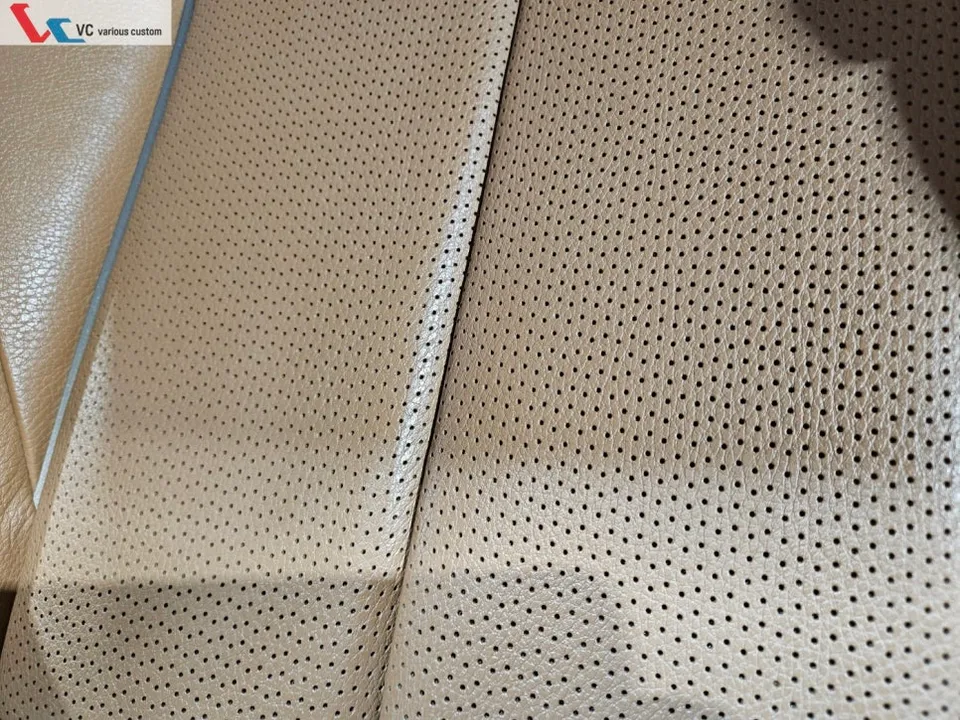
Durability, Warranty, and Making the Right Choice
When considering a seat climate upgrade, durability and after-sales support are paramount. This service comes with a 3-year free warranty, providing peace of mind and assurance in the quality of the installation and components. The installation process adheres to strict safety protocols, ensuring that the vehicle's existing electrical systems and seat structures are handled with care. Understanding the nuances of switch placement and the optimal number of fans is crucial for maximizing user satisfaction. Consulting with experienced technicians is highly recommended to determine the best configuration for your specific needs and driving habits. This ensures that the investment in ventilated and heated seats translates into a genuinely enhanced and comfortable driving experience for your BMW 3 Series.
Frequently Asked Questions
Q. How much does ventilated seat installation cost for a BMW 3 Series?
In Korea, seat ventilation and heating installation for a BMW 3 Series starts around ₩300,000 (approximately $220 USD), with prices varying based on customization. Typical US installation costs can range from $400 to $1,500 or more, depending on the system's complexity and features.
Q. How long does seat ventilation installation take on a BMW 3 Series?
The installation process for ventilated and heated seats on a BMW 3 Series generally takes about 3 to 4 hours to complete. To ensure longevity, regular cleaning of the seat upholstery and checking fan vents for debris are recommended maintenance practices.
Q. Are aftermarket ventilated seats worth it for a BMW 3 Series?
Aftermarket ventilated and heated seats are highly recommended for BMW 3 Series owners who frequently drive in varying climates or experience discomfort from heat and sweat. The upgrade significantly enhances driving comfort, making it a worthwhile investment for a more pleasant daily commute and longer journeys.
Q. How are ventilated seats installed in a BMW 3 Series?
Installation involves carefully removing seat covers, integrating slim aluminum fans into the seat base and backrest, and potentially adding a back cover air duct for enhanced cooling. A digital switch is then installed for user control, and the seat is reassembled to maintain its original form.
Q. What is the difference between OEM and aftermarket ventilated seats for a BMW 3 Series?
OEM (Original Equipment Manufacturer) ventilated seats are factory-installed and seamlessly integrated, often carrying a higher price tag. Aftermarket installations, like the one described, utilize existing seats and add components, offering a more cost-effective solution with customizable features and fan placement, often with comparable performance.
OhCar Partner Shop