BMW 5 Series Seat Climate Upgrade Review
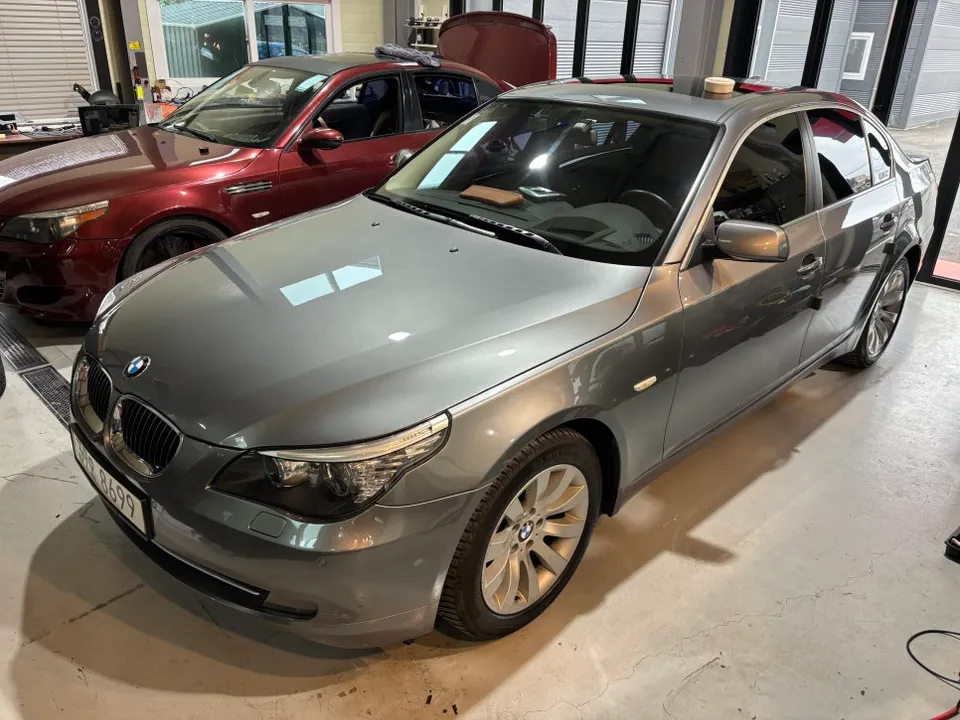
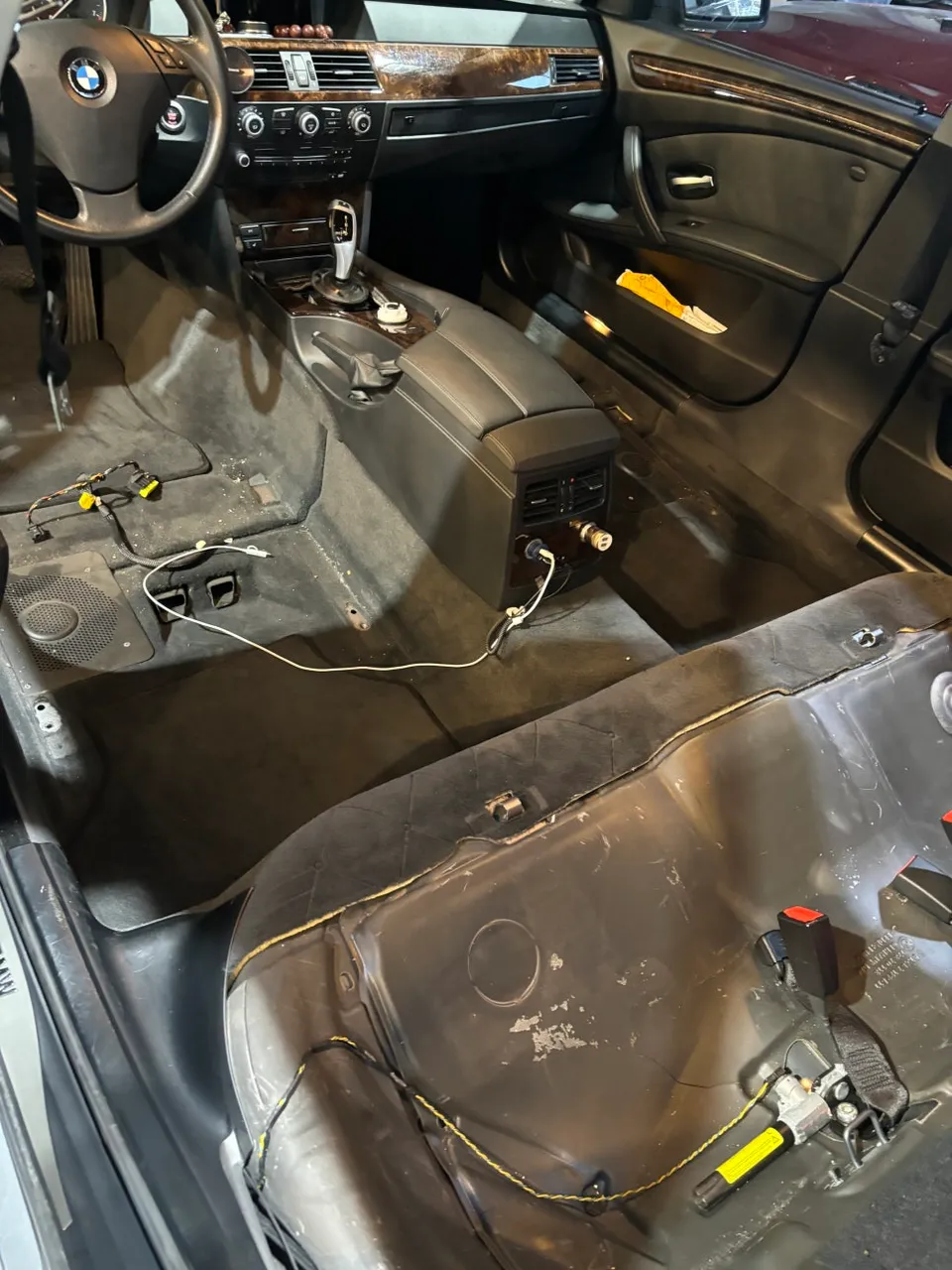
BMW 5 Series Seat Ventilation & Heating retrofit: Enhances comfort with cooling/heating. Installation involves coding and physical seat modification.
Comfort Seat Retrofit for BMW 5 Series
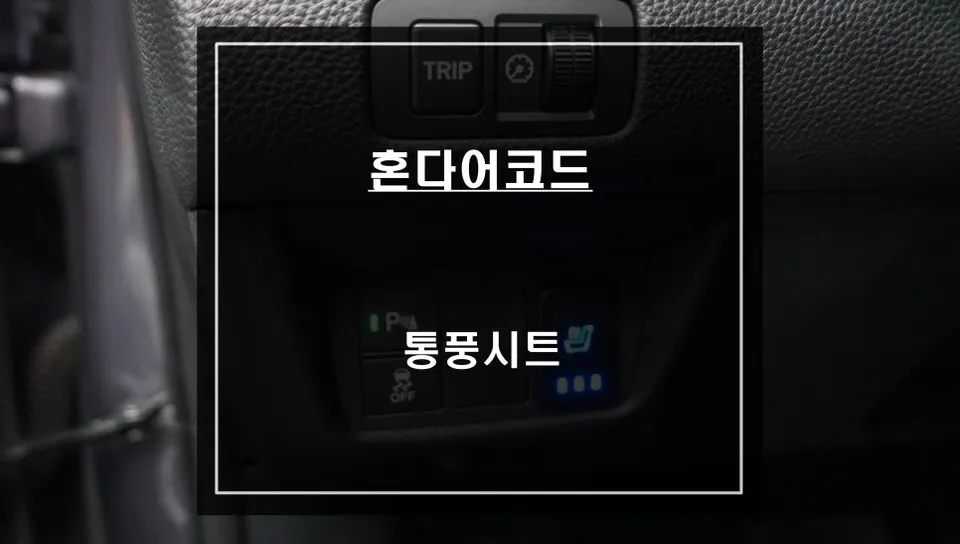
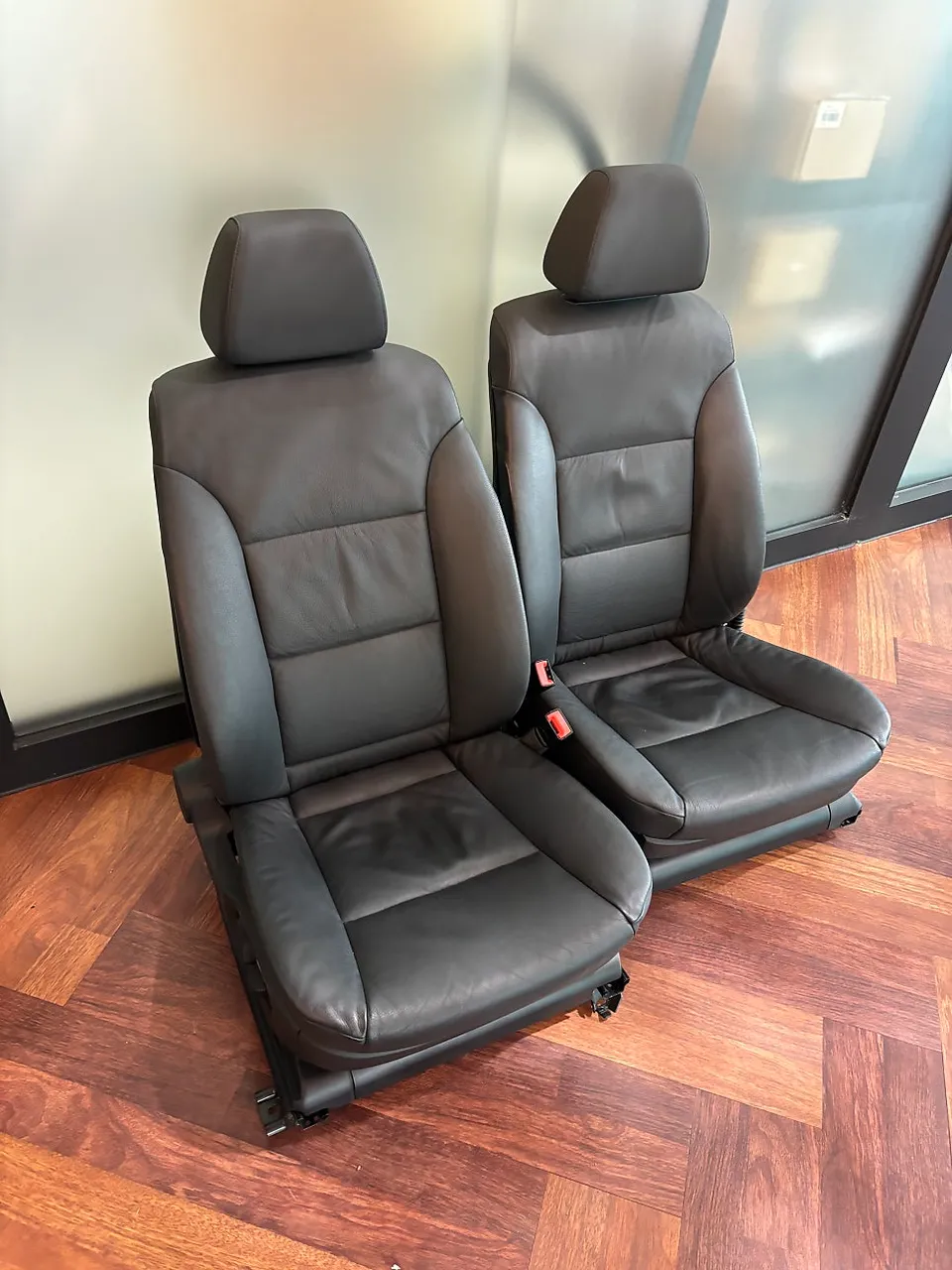
This guide details a comfort seat retrofit for the BMW 5 Series, specifically focusing on adding ventilation and heating functions. While the core installation process shares similarities with other seat retrofits, the VO coding list differs, especially when incorporating ventilated seats. For comfort seats, which include ventilation, coding is required within the CCC (Car Communication Computer) system. The owner of this BMW 5 Series found the original seats uncomfortable after only a few months, particularly lacking lumbar support for longer drives. Fortunately, a complete set of comfort seats was available for installation. This upgrade aims to significantly enhance driving comfort by providing adjustable seat climate control.
Seat Ventilation & Heating Installation Process
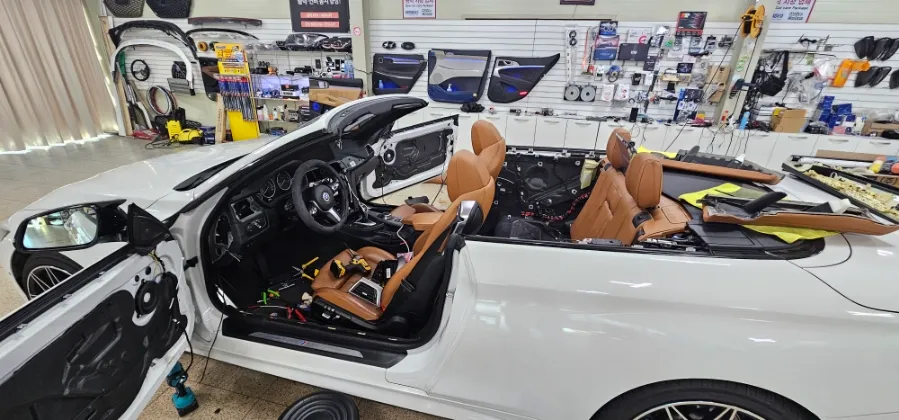
The installation of ventilated and heated seats in a BMW 5 Series involves several key steps. This process requires careful disassembly of the center console and seats to access the necessary wiring and mounting points. The VO coding is crucial for the car's systems to recognize and properly operate the new seat functions. This retrofit ensures that features like seat cooling and heating are seamlessly integrated into the vehicle's existing electronics, providing a factory-like experience. The goal is to transform the driving experience, especially during hot or cold weather, by offering personalized climate control directly through the seats.
Durability, Maintenance, and Value
The durability of a Seat Ventilation & Heating upgrade is generally high, provided quality components and professional installation are used. Like any automotive feature, regular maintenance can extend its lifespan. For ventilated seats, keeping the vents clear of debris is important. For heated seats, avoiding excessive moisture is advisable. The value proposition of this upgrade depends on individual needs and driving habits. For those who frequently drive long distances or live in climates with extreme temperatures, the added comfort and convenience can be well worth the investment. The before and after results are dramatic, transforming an uncomfortable driving experience into a luxurious one, especially with the added benefit of lumbar support often found in comfort seats.
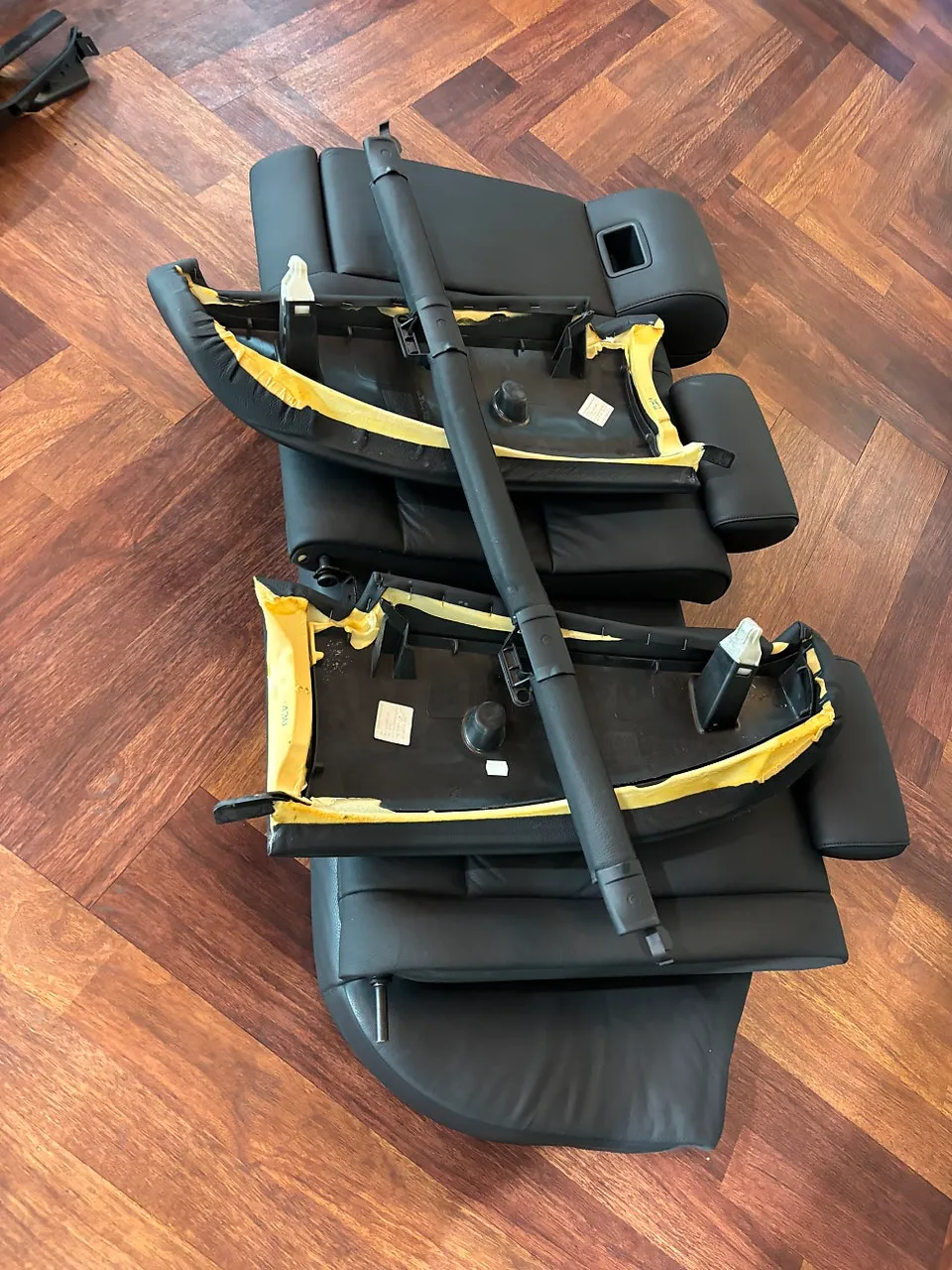
Installation process:- Center console and seat disassembly to access wiring harnesses.
- Installation of ventilation fans, heating elements, and control modules within the seat structure.
- Wiring connections to the vehicle's power and communication systems.
- VO coding of the vehicle's modules (including CCC) to enable seat climate functions.
- Reassembly of the interior components.
Frequently Asked Questions
Q. How much does ventilated seat installation cost for a BMW 5 Series?
The cost for this specific Seat Ventilation & Heating retrofit in Korea was covered by using an existing set of comfort seats. For a new installation in the US, expect costs to range from $1,500 to $4,000 or more, depending on the components and labor rates.
Q. How long does seat ventilation installation take on a BMW 5 Series?
The durability of Seat Ventilation & Heating systems is generally excellent with proper installation. To maintain longevity, ensure vents are kept clear of debris and avoid excessive moisture exposure.
Q. Are aftermarket ventilated seats worth it for a BMW 5 Series?
Ventilated and heated seats are most beneficial for drivers who experience extreme weather conditions or spend many hours on the road. The significant improvement in driving comfort and luxury makes the upgrade a worthwhile investment for these users.
Q. How are ventilated seats installed in a BMW 5 Series?
Installation involves disassembling the center console and seats to integrate ventilation fans and heating elements. The process includes connecting the wiring to the vehicle's systems and performing crucial VO coding to activate the features.
Q. What is the difference between OEM and aftermarket ventilated seats for a BMW 5 Series?
OEM (Original Equipment Manufacturer) parts offer seamless integration and are designed specifically for the vehicle, while aftermarket options can provide similar functionality at a potentially lower cost but may require more complex installation. For a factory-like experience, OEM is often preferred, but quality aftermarket solutions can also be highly effective.
OhCar Partner Shop