Hyundai Tucson Dash Cam Installation Cost & Review
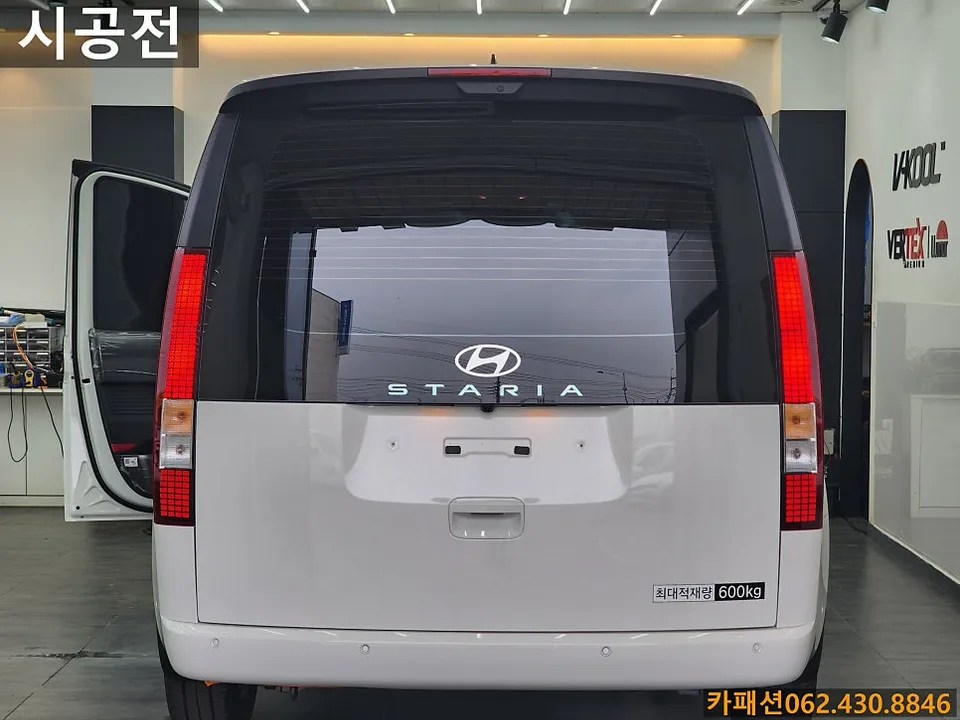
Before

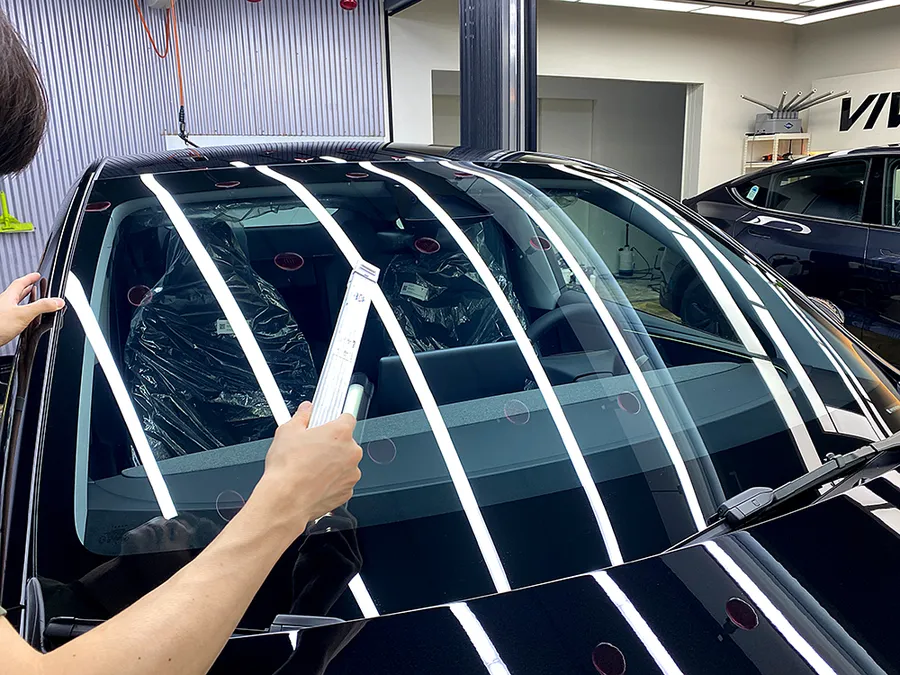
After
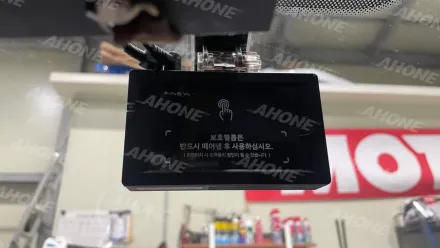
Process photos

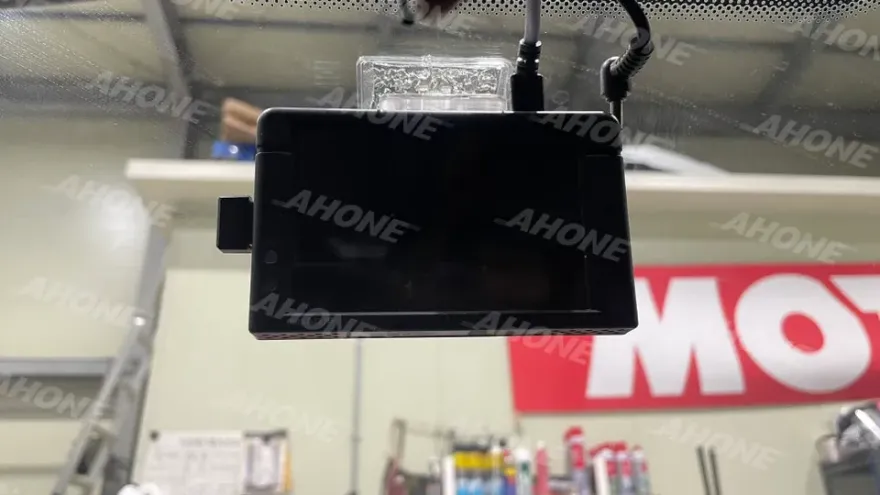
Hyundai Tucson ix dash cam installation: Approx. ₩100,000+. Clear video, parking mode, tidy wiring.
Hyundai Tucson Dash Cam Installation: FineVu LXQ600 Power Review
Considering a new dash cam for your Hyundai Tucson ix, perhaps to replace a faulty unit or tidy up messy wiring? This review details a real-world installation of the FineVu LXQ600 Power, offering insights into the process, costs, and benefits. We'll cover what to expect, from the initial setup to the final results, helping you decide if this black box camera is the right choice for your vehicle.
FineVu LXQ600 Power: Features and Benefits
The FineVu LXQ600 Power is a popular choice for its excellent value and reliable performance. It provides clear video recording, crucial for capturing events during your drive or while parked. Upgrading your dash cam, especially if your current one is malfunctioning or poorly wired, can significantly enhance your vehicle's safety and your peace of mind. This model is known for its stable operation, ensuring that various driving situations are effectively documented.
Hyundai Tucson ix Dash Cam Installation Process
Professional dash cam installation for a Hyundai Tucson ix, like the FineVu LXQ600 Power, involves several key steps to ensure a clean and functional setup. The process typically takes between 1 to 2 hours.
- Removal of Old Unit: If replacing an existing dash cam, the old unit and its wiring are carefully removed. Any messy or redundant wiring is addressed at this stage.
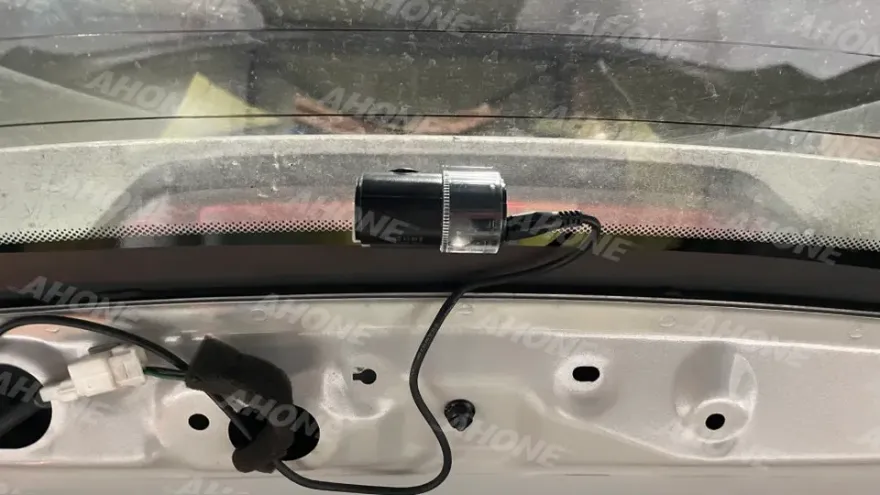
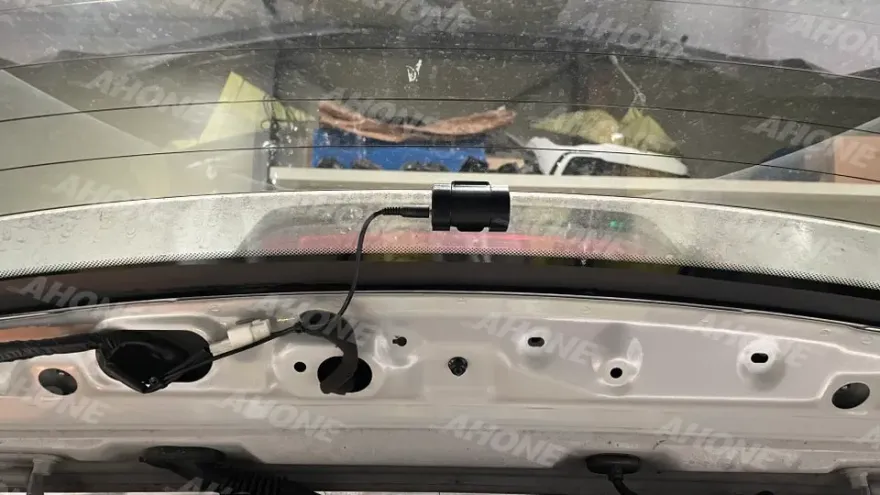
- Wiring and Mounting: New wiring is meticulously routed through the vehicle's interior trim to avoid visibility issues and potential damage. For the FineVu LXQ600 Power, this includes connecting both the front and rear cameras. Noise reduction techniques, such as using sound-dampening materials, may be employed.
- Camera Placement: The front and rear cameras are securely mounted in their designated positions, ensuring optimal field of view without obstructing the driver's vision.
- Configuration and Testing: Finally, the dash cam's settings, including recording quality and parking mode features, are adjusted to the owner's preferences. A thorough check is performed to confirm normal operation of all functions.
Dash Cam Installation: Key Considerations and Expected Results
The quality of the wiring is paramount during dash cam installation. Poorly managed cables can lead to annoying rattles or, in rare cases, electrical issues. Therefore, entrusting the installation to experienced professionals is highly recommended. The dash cam unit itself is typically mounted near the center of the windshield, ensuring it doesn't impede the driver's view. Proper configuration of settings, such as video resolution and parking mode sensitivity, is essential to maximize the benefits. After installation, you can expect enhanced safety through reliable event recording, protection against parking incidents, and a tidier vehicle interior thanks to neatly managed wiring. The FineVu LXQ600 Power offers a cost-effective solution for achieving these benefits.
Frequently Asked Questions
Q. How much does dashcam installation cost for a Hyundai Tucson?
For a Hyundai Tucson ix with a FineVu LXQ600 Power, installation costs start around ₩100,000 (approximately $75 USD). Professional installation in the US can range from $100 to $300 depending on the complexity and location.
Q. How long does dashcam installation take on a Hyundai Tucson?
Dashcam installation on a Hyundai Tucson typically takes 1 to 2 hours to complete. Proper maintenance involves periodically checking the lens for smudges and ensuring firmware is up-to-date for optimal performance.
Q. Is a hardwired dashcam worth it over a self-install for a Hyundai Tucson?
A professionally hardwired dashcam is worth it for Hyundai Tucson owners seeking a clean, reliable installation without risking vehicle electronics. It ensures features like parking mode function correctly and maintains warranty integrity.
Q. How is a dashcam professionally installed on a Hyundai Tucson?
Professional installation involves: 1. Removing any old unit and tidying existing wiring. 2. Routing new power and camera cables discreetly through interior trim. 3. Securely mounting the front and rear cameras. 4. Configuring settings and testing functionality.
Q. What is the difference between a front and rear dash cam for a Hyundai Tucson?
A front dash cam records only the view ahead, while a front and rear dash cam system captures footage from both the front and back of your Hyundai Tucson. For comprehensive coverage, a front and rear system is recommended.
OhCar Partner Shop