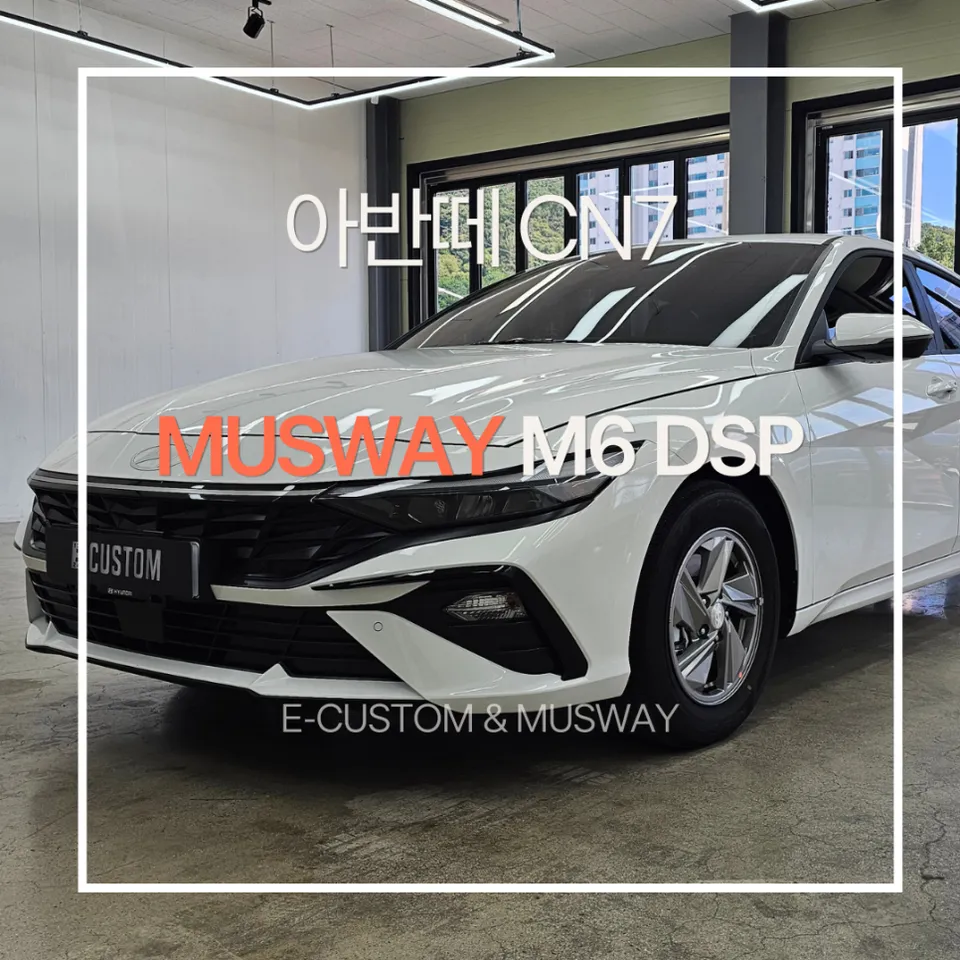
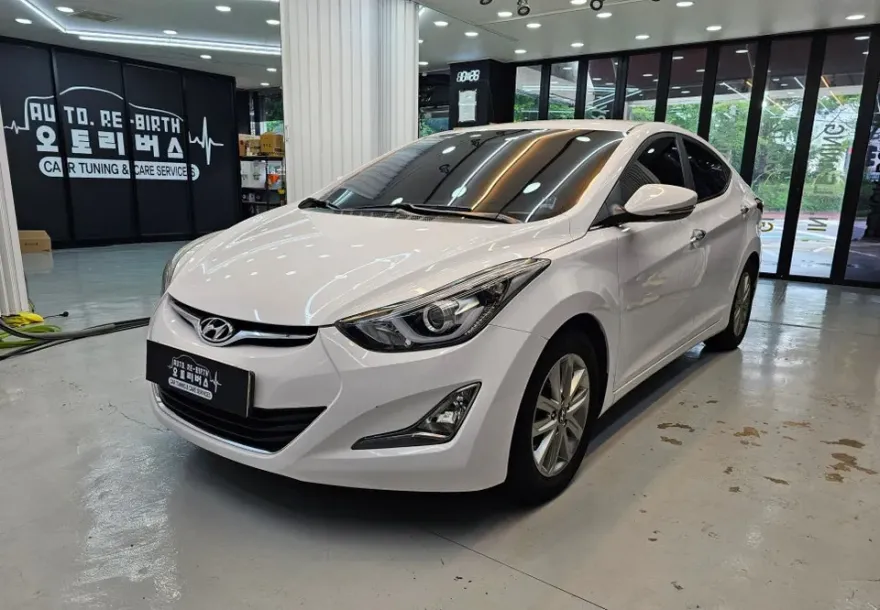
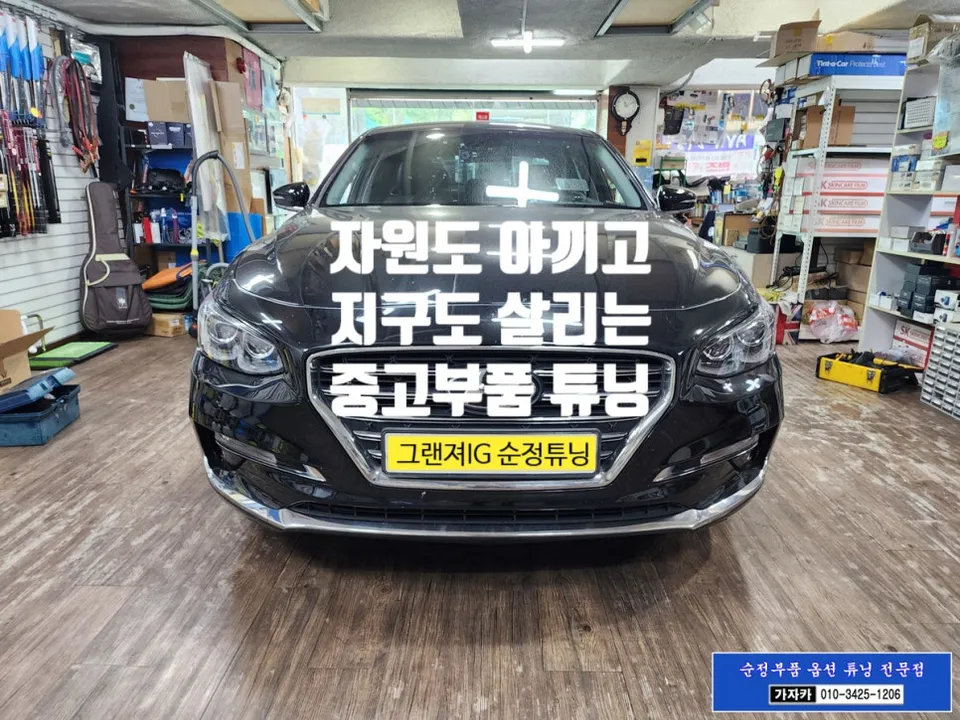
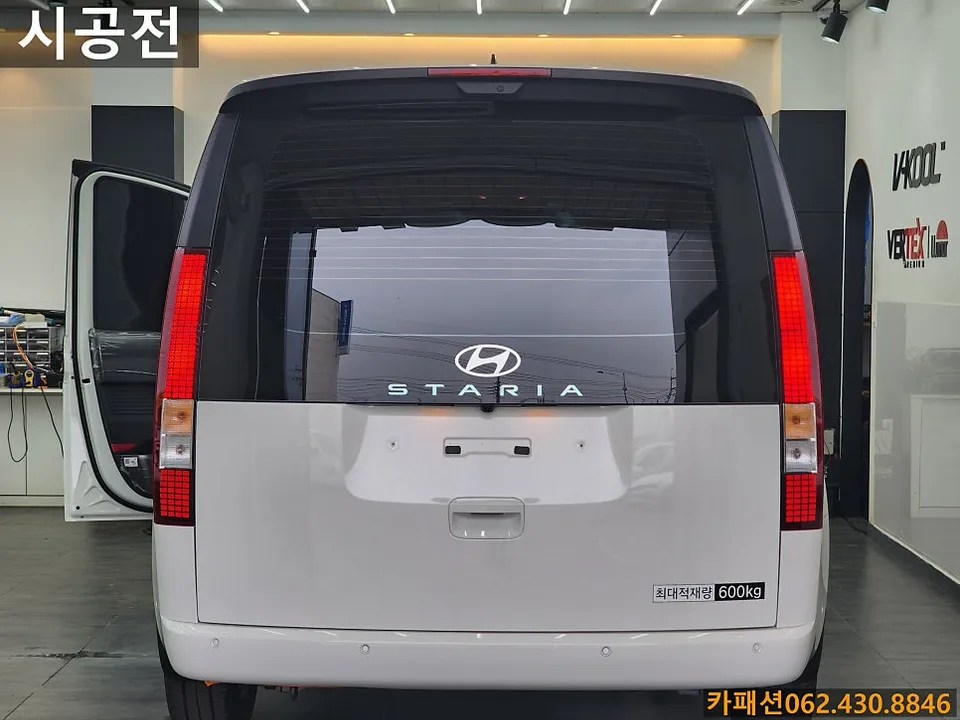
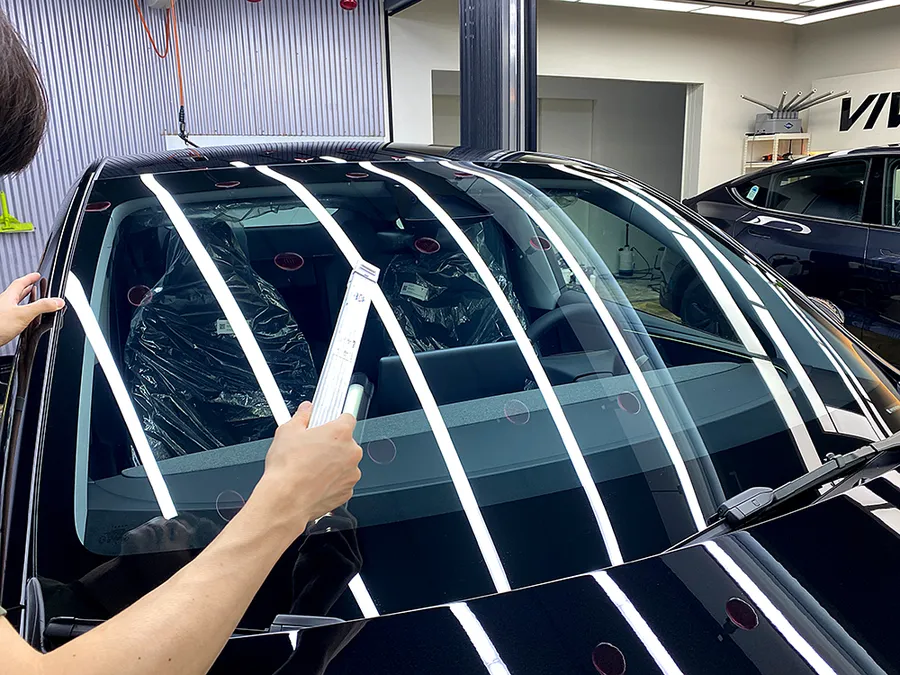
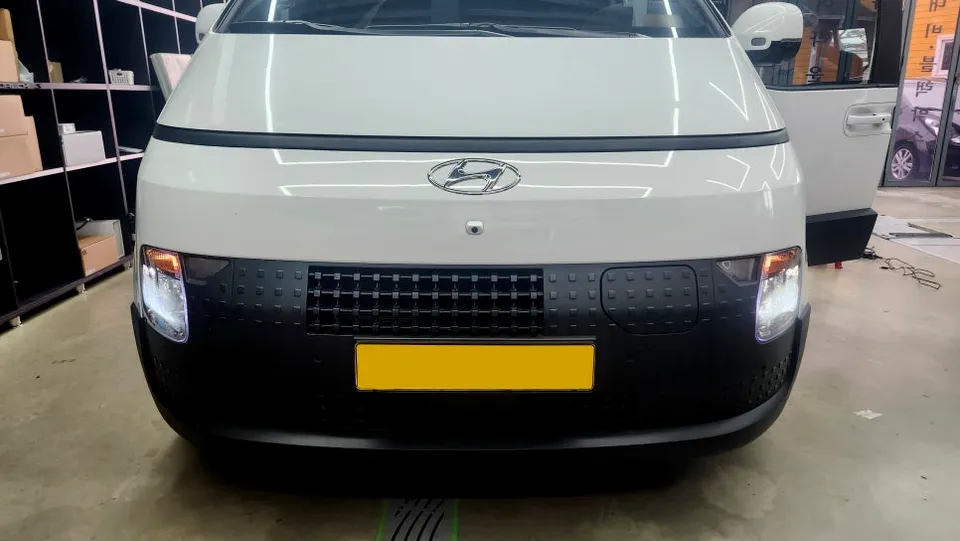
Hyundai Sonata DN8 Dash Cam Installation Review
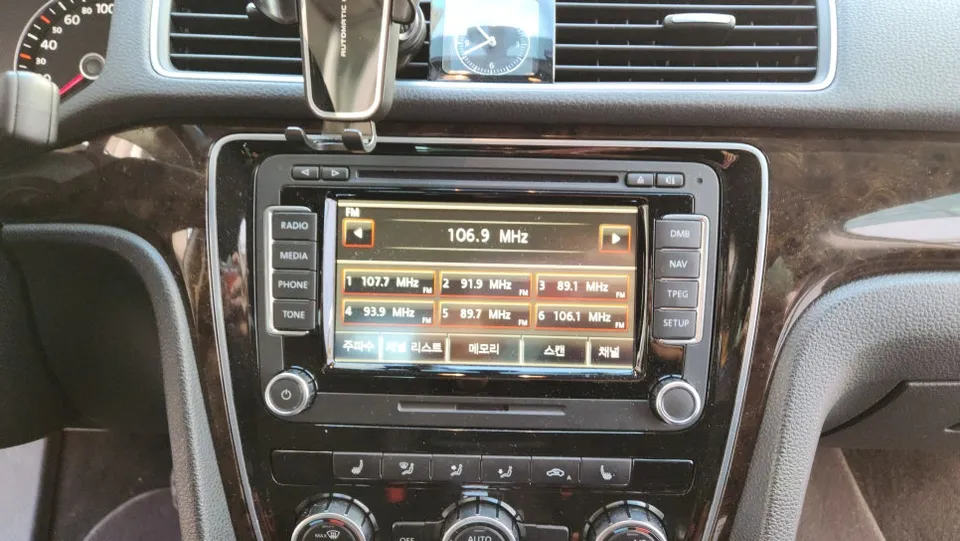
Before

After
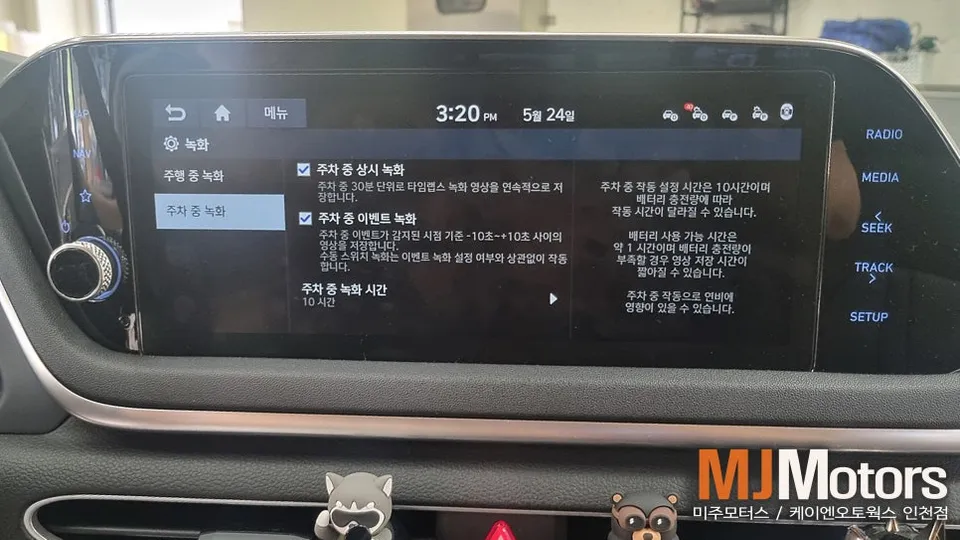
Process photos
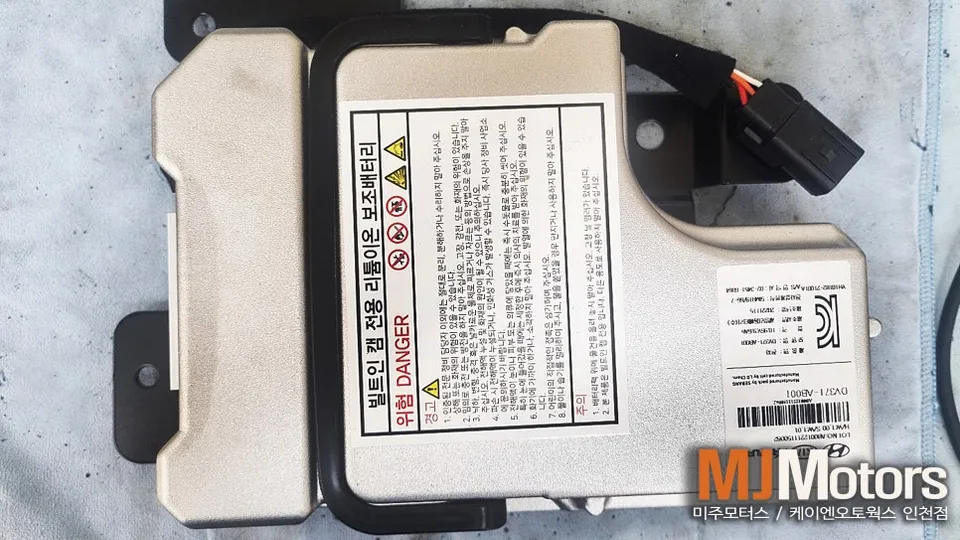
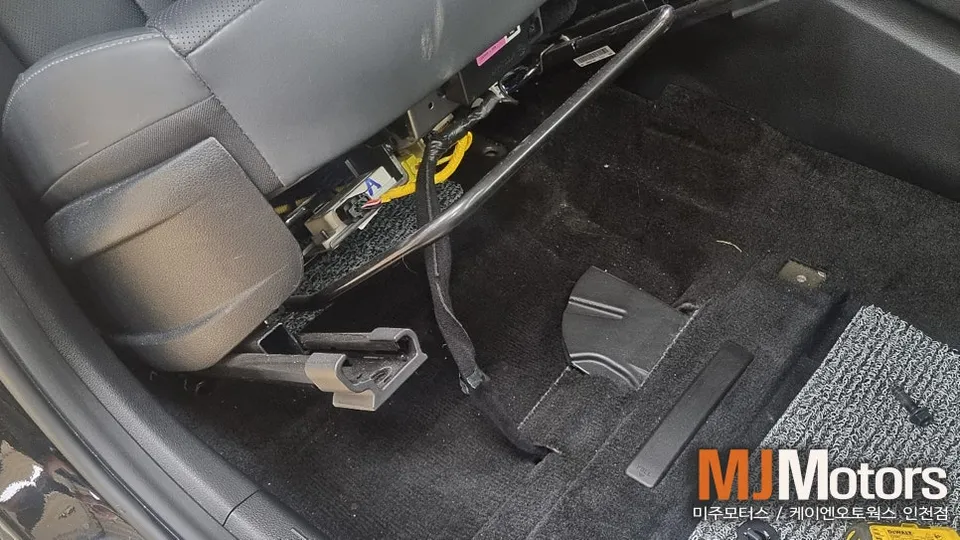
Dash cam installation on Hyundai Sonata DN8 with auxiliary battery: Price varies. Provides enhanced security and recorded evidence.
Professional Dash Cam Installation for Your Hyundai Sonata DN8
Upgrading your Hyundai Sonata DN8 with a quality dash cam, often referred to as a 'black box camera' in Korea, offers significant peace of mind. This review details a professional installation experience, focusing on the integration of a front and rear dash cam system with parking mode capabilities, powered by a dedicated lithium-ion auxiliary battery. The goal is to provide a clean, integrated look that functions seamlessly with your vehicle.
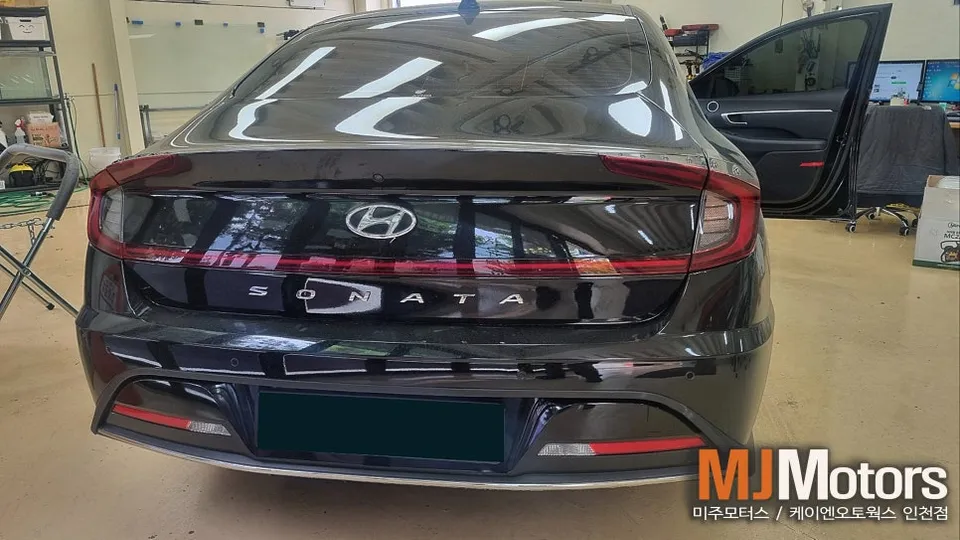
Installation Process and Components
The installation process for a dash cam on a Hyundai Sonata DN8 involves careful routing of wires to maintain a factory-like appearance and ensure optimal functionality. This specific installation utilized a built-in black box system, meaning the camera unit itself is discreetly mounted. A key component for enabling parking mode, which records even when the car is off, is the integration of a dedicated power solution. In this case, a pure lithium-ion auxiliary battery was installed. This battery is charged while the car is running and then powers the dash cam during parking, preventing the car's main battery from draining.
The installation process typically involves:
- Disassembling minimal trim pieces to access power sources and route cables discreetly.
- Connecting the dash cam's power to the vehicle's fuse box (often via a hardwire kit) or directly to the auxiliary battery.
- Mounting the dash cam unit(s) in the optimal field of view, usually near the rearview mirror.
- Testing the system to ensure both front and rear cameras are recording and that parking mode functions correctly.
Durability, Maintenance, and Value
A professionally hardwired dash cam, especially one with an auxiliary battery, is designed for durability and long-term use. The integrated lithium-ion battery offers a stable power source for parking mode, reducing wear on the vehicle's primary battery. Maintenance is generally minimal, primarily involving occasional cleaning of the camera lens and checking recordings. The 'before and after' result is a cleaner interior with no dangling wires, and the assurance of having recorded footage for potential incidents or insurance claims. While the initial dash cam cost and installation fee can vary, the long-term benefits of enhanced security and evidence capture often make it a worthwhile investment for Sonata DN8 owners.
Frequently Asked Questions
Q. How much does dash cam installation cost for a Hyundai Sonata DN8?
The installation detailed in this review was performed in Korea, with costs typically ranging from ₩150,000 to ₩300,000 (approximately $110-$220 USD), depending on the system and battery chosen. Professional installation in the US can range from $100 to $300.
Q. How long does dash cam installation take on a Hyundai Sonata DN8?
Professional dash cam installation typically takes between 1 to 3 hours for a front and rear system with hardwiring. For optimal longevity, ensure the camera lens is kept clean and periodically check the dash cam's recording function.
Q. Is a hardwired dashcam worth it over a self-install for a Hyundai Sonata DN8?
A hardwired dashcam is worth it for drivers who want seamless parking mode functionality without draining their car battery. Professional hardwiring ensures a clean installation and proper integration, making it a valuable upgrade for security-conscious owners.
Q. How is a dashcam professionally installed on a Hyundai Sonata DN8?
Professional installation involves discreetly routing power and video cables through the vehicle's interior trim. The dash cam is then hardwired to either the car's fuse box or an auxiliary battery for parking mode, and the camera unit is securely mounted for optimal viewing.
Q. What is the difference between a 1-channel and 2-channel dashcam for a Hyundai Sonata DN8?
A 1-channel dashcam records only the front view, while a 2-channel (front and rear dash cam) system records both front and rear views. For comprehensive coverage and better protection, a 2-channel system is highly recommended.
OhCar Partner Shop