Ford Explorer Side Steps & Wireless Walk-In Switch Installation
Service Price
$approx. $1,500+
Estimated price · Actual price may vary by shop

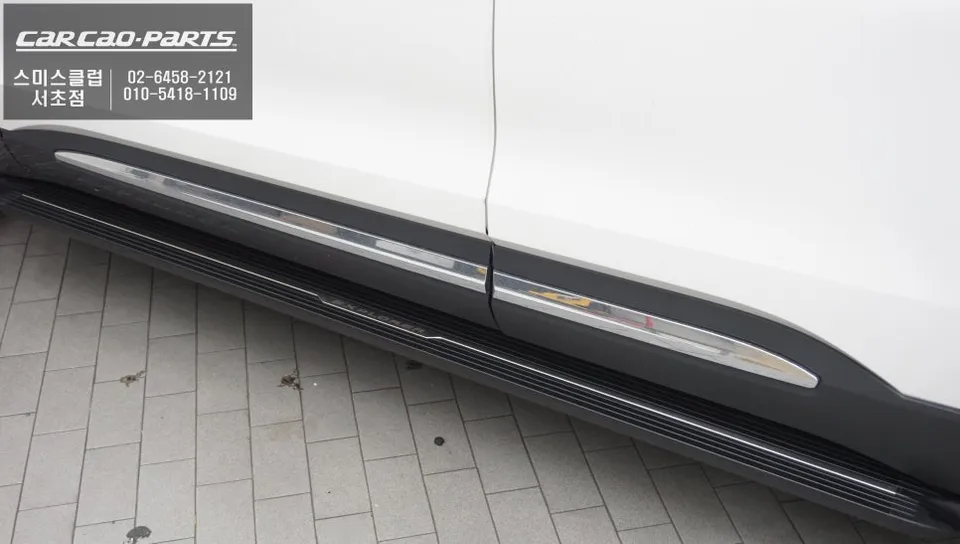
Ford Explorer side steps and wireless walk-in switch installed. Enhances accessibility without vehicle damage. Learn more!
Why Your Ford Explorer Needs Side Steps
Owners of tall SUVs like the Ford Explorer often face a common inconvenience: the lack of a proper step for getting in and out. This is particularly challenging for children and the elderly. Side steps are the perfect solution to this problem. Today, we'll showcase a real-world installation of Explorer side steps combined with a wireless walk-in switch, enhancing both accessibility and convenience.
Fixed vs. Power Side Steps for Your Explorer
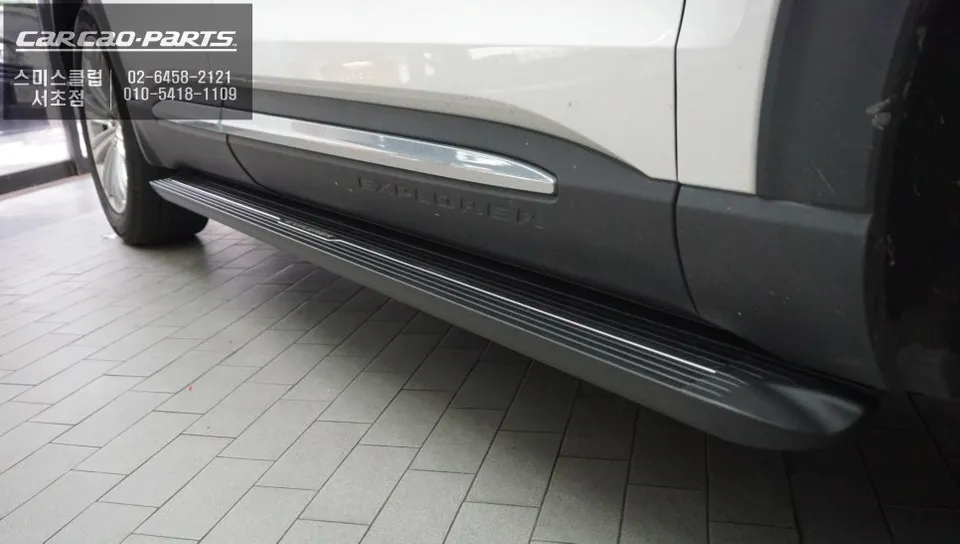
There are two main types of side steps: fixed and power-operated. The installation featured here uses a fixed-type side step. Fixed side steps are permanently attached to the vehicle's undercarriage, always remaining extended. Their primary advantage is robustness; they can support the weight of two adults without any wobble. They are also more affordable and require minimal maintenance. However, they do create a gap under the vehicle, which might require some caution on rough terrain.
Power side steps automatically deploy when the vehicle is stationary, offering a cleaner look and avoiding interference during off-road driving. However, they are more than twice as expensive and require regular checks due to the electronic components. To ensure safety, they are designed to operate only at low speeds. When choosing side steps for your Explorer, consider your driving habits and budget. If you primarily drive in the city and prioritize cost-effectiveness, a fixed side step is likely the better choice.
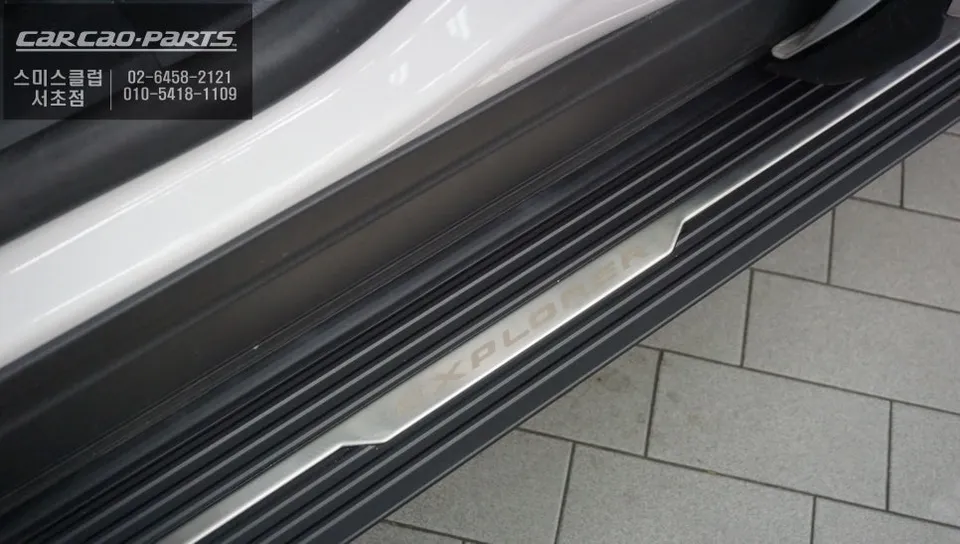
Damage-Free Installation Using Factory Bolt Locations
A key aspect of this installation is its 'no-damage' approach. Typically, side steps are attached by drilling new holes into the vehicle's undercarriage. This installation method, however, is different. It utilizes the original factory bolt locations present in the Ford Explorer's design to secure the steps. This means no additional drilling into the vehicle's body is required. This method ensures a perfect restoration to the original state if the side steps are ever removed. It also eliminates the risk of damaging underbody components like soundproofing or wiring harnesses.
The steps themselves feature 'EXPLORER' branding and a non-slip surface, ensuring safe footing even in wet or icy conditions. This significantly reduces the risk of children slipping. The design also integrates seamlessly with the Explorer's body lines, enhancing its overall aesthetic.
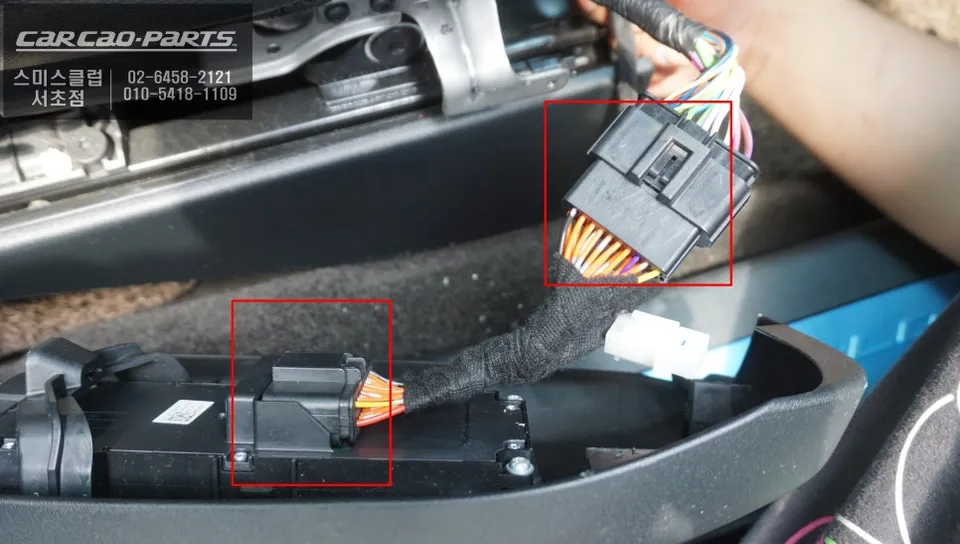
Wireless Walk-In Switch: No Seat Modification Needed
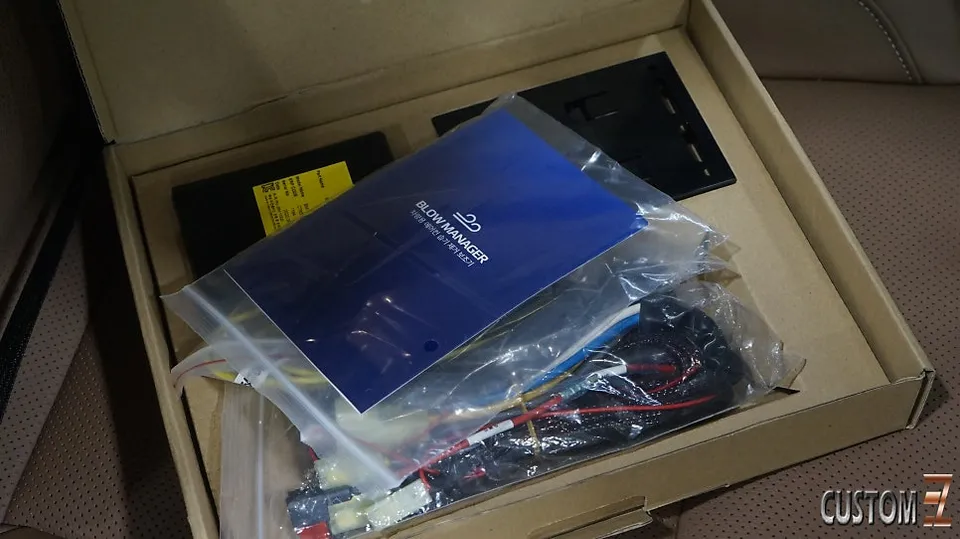
The wireless walk-in switch is a convenience feature that allows remote control of the front passenger seat's automatic sliding function. Traditionally, installing such a switch often requires cutting into the passenger seat's upholstery to hide the wiring. Many owners are hesitant to modify their original seats.
This installation avoids that issue. Instead of modifying the seat, the switch is connected using a Plug-and-Play (PNP) system. This means it connects directly to the existing connectors without damaging the original wiring. It's a simple process that can even be a DIY project for those comfortable with basic automotive tasks. This specific wireless walk-in switch is designed for the Ford Explorer 5.5 and 6th generation models, as connector specifications vary by generation.

The Installation Process: Step-by-Step
- Initial vehicle inspection and preparation, including removing any necessary underbody panels.
- Locating the factory-specified bolt points on the Ford Explorer's frame.
- Aligning the side steps precisely with the pre-drilled holes and securing them with the provided hardware.
- Connecting the wiring for the wireless walk-in switch using the Plug-and-Play harness, ensuring no factory wiring is altered.
- Testing both the side steps (if applicable) and the wireless walk-in switch functionality to ensure proper operation.
This comprehensive installation enhances the functionality and usability of your Ford Explorer without compromising its structural integrity or aesthetics.
Frequently Asked Questions
Q. How much does a body kit cost for a Ford Explorer?
The specific side steps and wireless walk-in switch featured in this installation are priced around ₩500,000 (approximately $360 USD). Professional installation costs can vary widely across the US, typically ranging from $200 to $1000 depending on the complexity and type of kit.
Q. How long does body kit installation take on a Ford Explorer?
The installation of side steps and a wireless walk-in switch, as demonstrated, typically takes 2-4 hours. Regular maintenance involves checking the secure fit of the steps and ensuring the electronic components of the walk-in switch are clean and functional.
Q. Is a body kit worth it for a Ford Explorer?
Side steps and convenience features like a wireless walk-in switch are most beneficial for families with young children or elderly passengers, significantly improving vehicle accessibility. They add practical functionality and can enhance the vehicle's appearance and resale value.
Q. How is a body kit installed on a Ford Explorer?
Installation involves securing the side steps to the vehicle's frame using existing factory bolt locations, avoiding any need for new drilling. The wireless walk-in switch is connected via a Plug-and-Play harness, directly integrating with existing connectors without altering factory wiring.
Q. What is the difference between FRP and polyurethane body kits for a Ford Explorer?
This review focuses on side steps and a walk-in switch, not traditional body kits made of FRP (Fiber-Reinforced Plastic) or polyurethane. FRP kits are rigid but can be brittle, while polyurethane kits are more flexible and impact-resistant, making them generally more durable for daily use.
Kakao Parts