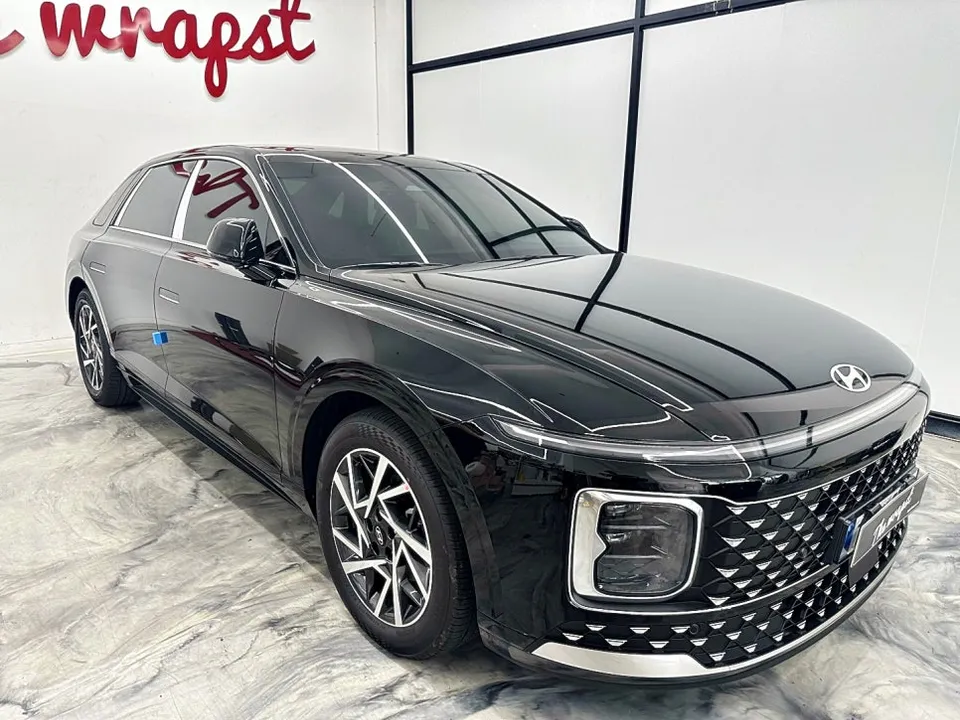
Hyundai Equus Wheel Repair Review — Cost & Results
Service Price
$under $40
Estimated price · Actual price may vary by shop
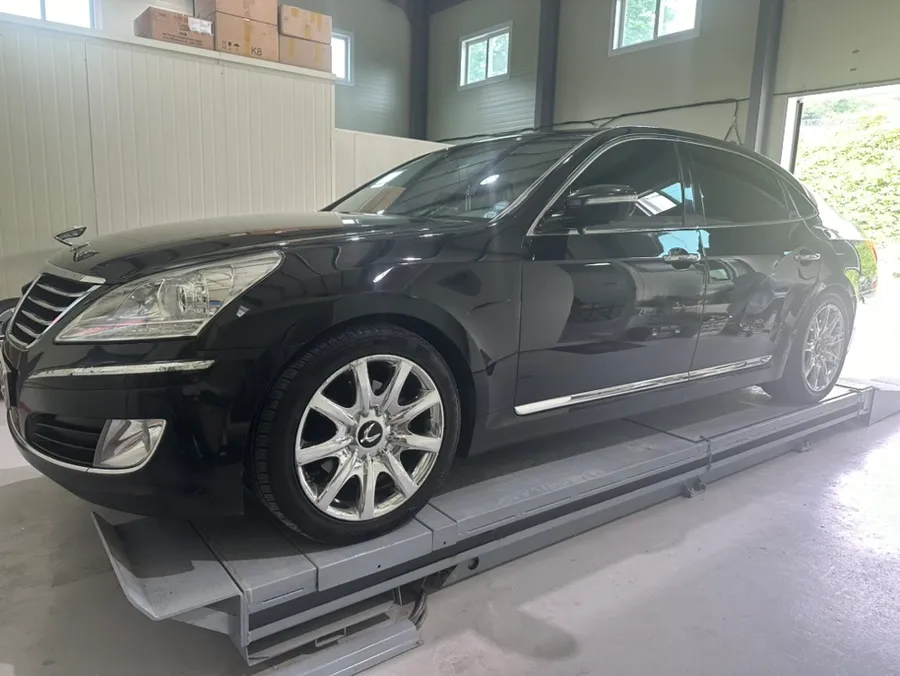
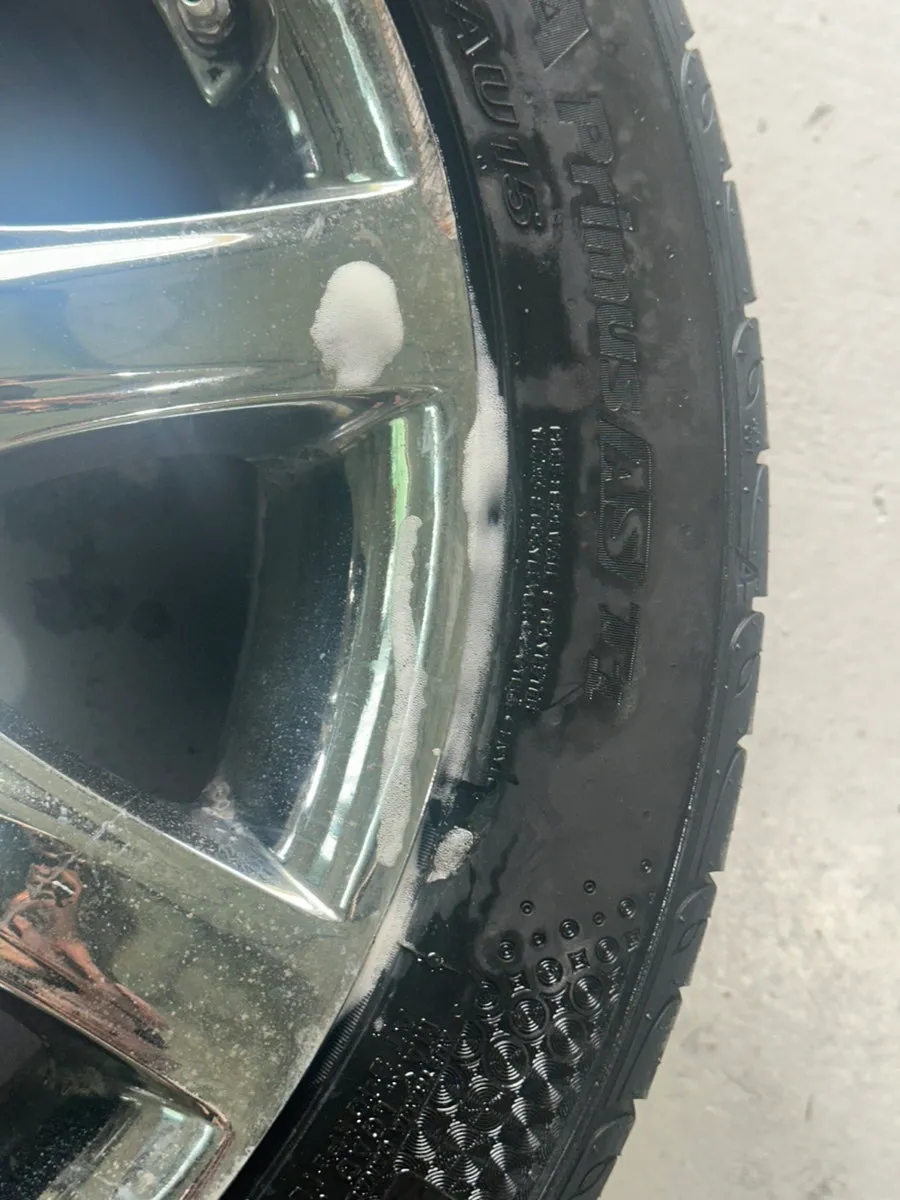
Hyundai Equus wheel repair for air leaks and corrosion. Estimated cost around 300,000 KRW (approx. $220 USD). Restores seal and appearance.
Understanding Hyundai Equus Wheel Air Leaks
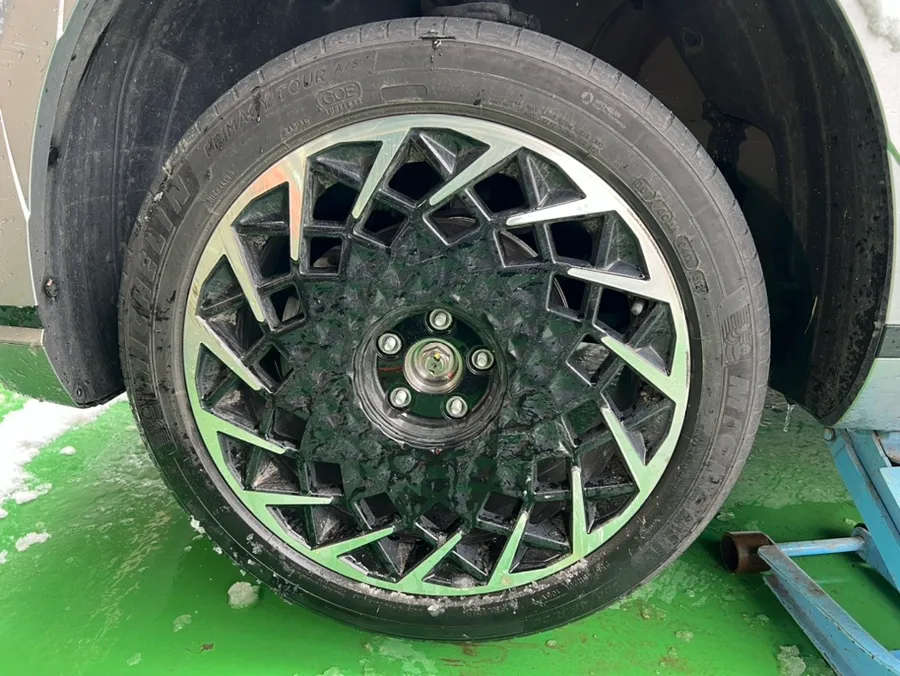
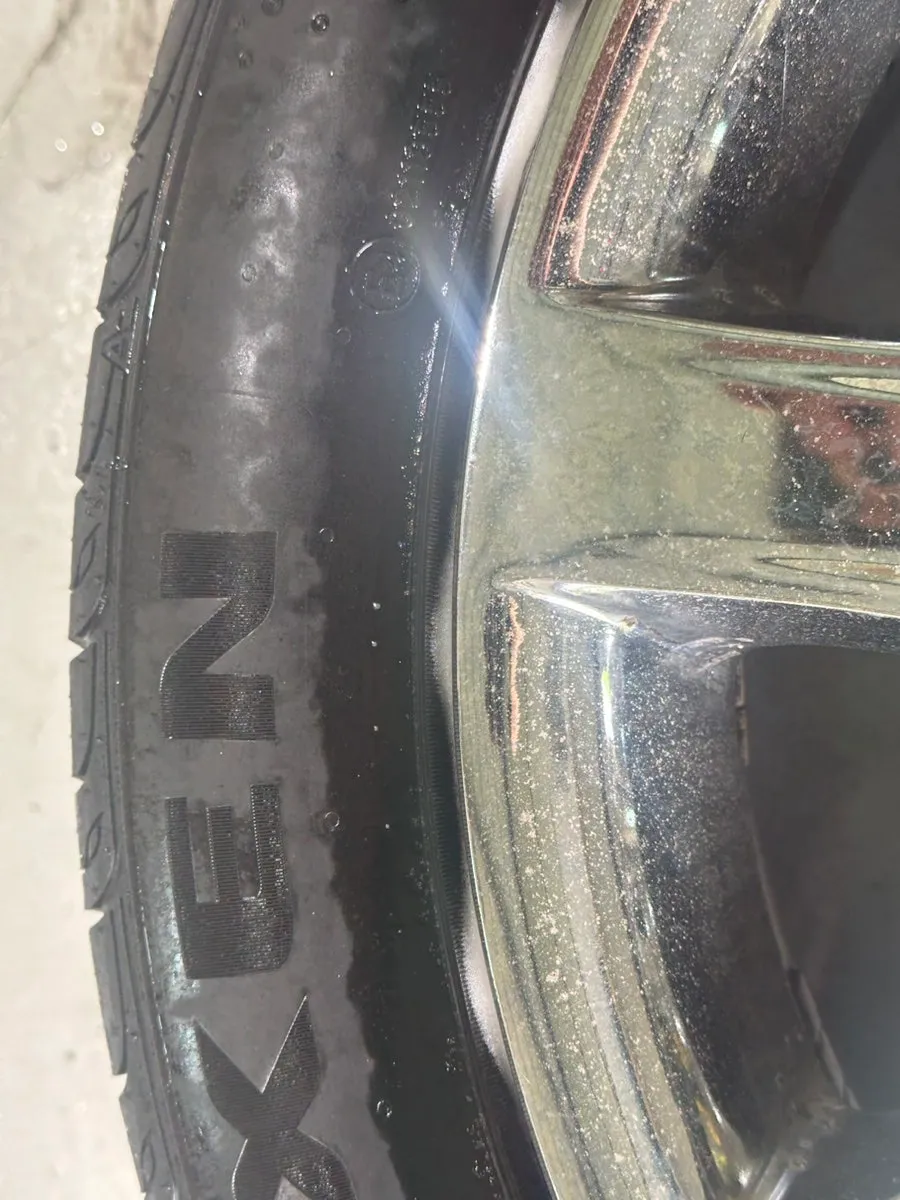
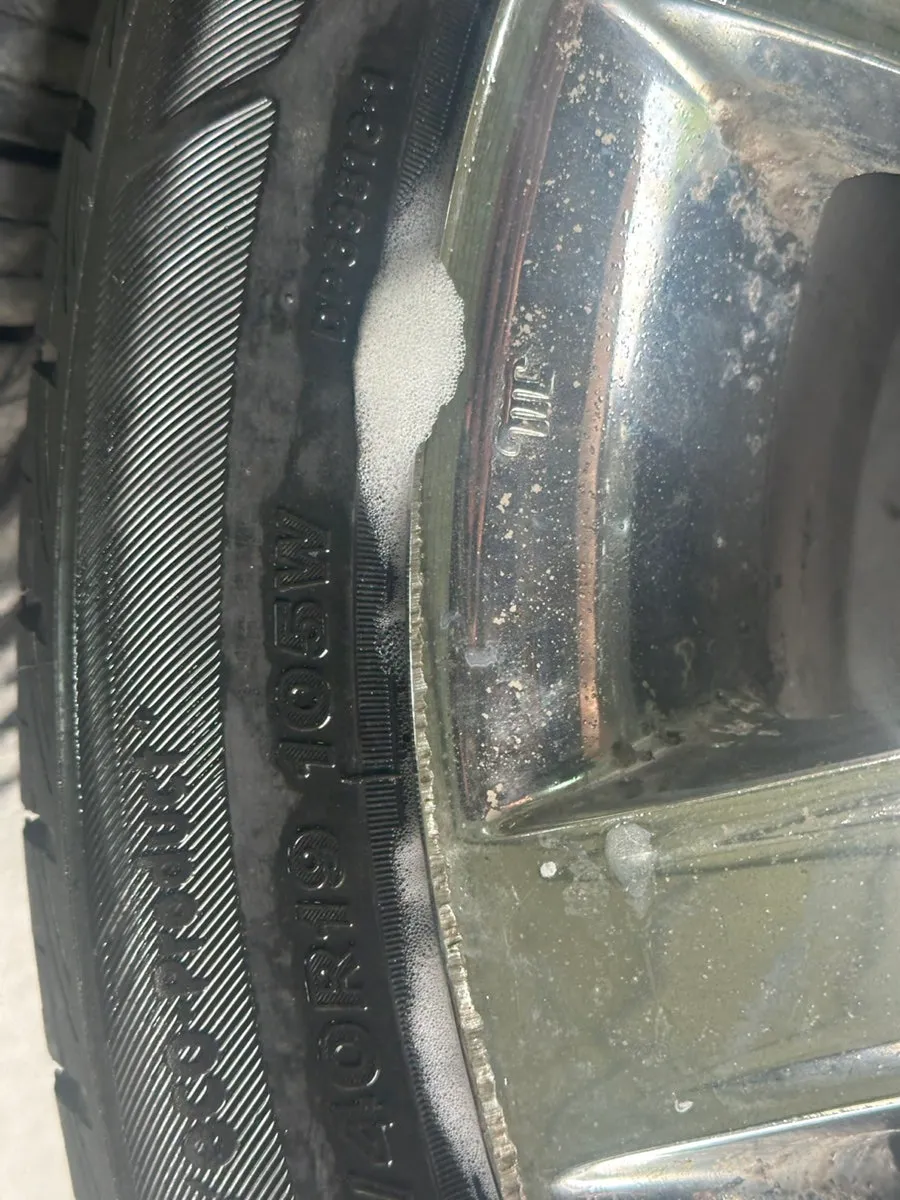
Experiencing persistent air leaks from your Hyundai Equus wheels can be a significant annoyance and a safety concern. The primary culprit is often corrosion on the wheel itself. For older vehicles or those frequently exposed to moisture, the wheel's surface can develop tiny cracks or pits, compromising the seal between the tire and the rim. This allows air to escape. In more severe cases, the tire valve stem itself can degrade and cause leaks. It's important to note that certain wheel types, like the electric chrome-plated wheels found on some Equus models, can be particularly challenging to repair and may sometimes require replacement. Wheel repair is more than just cosmetic; it's crucial for maintaining your vehicle's safety and performance.
The Wheel Repair Process for Your Equus
When your Hyundai Equus experiences wheel air leaks, the first step involves dismounting the tire to thoroughly inspect the wheel's condition. Depending on the severity of corrosion, processes like sanding or grinding may be necessary. For heavily corroded areas, high-pressure sandblasting is essential to remove rust and debris from wheel crevices. Following this, the wheel surface is meticulously cleaned and degreased. The core of the repair involves applying a clear coat to protect the repaired areas and create a smooth surface, preventing future air leaks. After a curing process, often involving heat treatment, the repair is complete. The entire process typically takes about 3 to 4 hours, though this can vary based on the wheel's condition.
Key Steps in Wheel Restoration:
- Surface Preparation: Thorough cleaning, sanding, or sandblasting to remove all corrosion, rust, and debris.
- Repair and Smoothing: Addressing any imperfections to create a uniform surface.
- Protective Coating: Application of a clear coat to seal and protect the wheel from future damage.
- Curing: Heat treatment to ensure the coating bonds properly and hardens.
- Final Inspection: Checking for any remaining leaks, often with a bubble test, and re-mounting the tire with proper balancing.
Durability and Maintenance After Wheel Repair
Wheel repairs performed at facilities like the one mentioned in the original context typically offer a lifespan of 3 to 5 years. However, this duration is influenced by factors such as how well the vehicle is maintained, the driving environment, and the quality of materials used. Opting for premium clear coat finishes can sometimes extend this warranty to over 10 years. To maximize the longevity of your repaired wheels, regular inspections are recommended. Keeping them clean, especially after exposure to road salt in winter or other corrosive elements, is vital. Proper maintenance will help prevent future corrosion and ensure your Hyundai Equus wheels remain in excellent condition.
Frequently Asked Questions
Q. How much does wheel repair cost for a Hyundai Equus?
In Korea, wheel repair for a Hyundai Equus starts around 300,000 KRW (approximately $220 USD), with the final cost depending on the wheel's condition and the extent of work needed. Typical US costs for similar repairs can range from $150 to $300 per wheel.
Q. Can curb rash be fully repaired on Hyundai Equus wheels?
Yes, curb rash and corrosion that cause air leaks can typically be fully repaired through processes like sanding, sandblasting, and clear coating, restoring the wheel's integrity and appearance. To ensure longevity, regularly clean your wheels and avoid harsh chemicals that can degrade the protective coating.
Q. Is wheel repair or replacement cheaper for a Hyundai Equus?
Repair is generally significantly cheaper than replacing a wheel, especially for models like the Hyundai Equus which may have specialized or premium wheels. Repair is often the more cost-effective solution for issues like air leaks and cosmetic damage.
Q. How is wheel curb rash repaired on a Hyundai Equus?
Wheel curb rash repair typically involves several steps: first, the damaged area is meticulously sanded or ground down to remove imperfections. Then, the surface is prepared for a new coating, often followed by sandblasting if corrosion is present. Finally, a clear coat is applied and cured to protect the repaired section and match the original finish.
Q. What is the difference between wheel refinishing and full replacement for a Hyundai Equus?
Wheel refinishing restores the existing wheel's surface through repair and recoating, addressing issues like curb rash and corrosion, whereas full replacement involves purchasing and installing an entirely new wheel. Refinishing is usually more cost-effective and preserves the original wheel.
OhCar Partner Shop